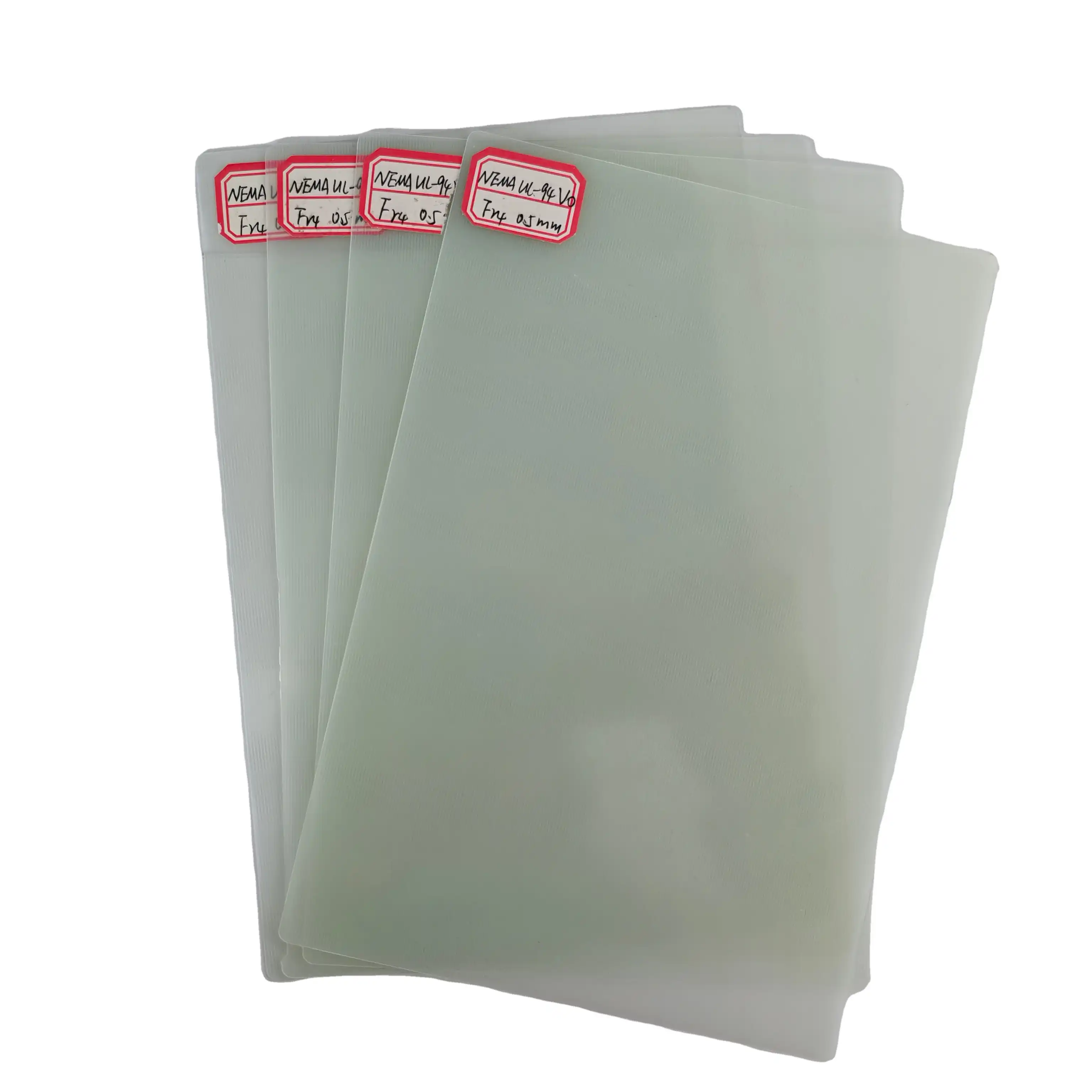
Phenolic Paper Board for Electrical Insulation
2026-06-15 17:18:16
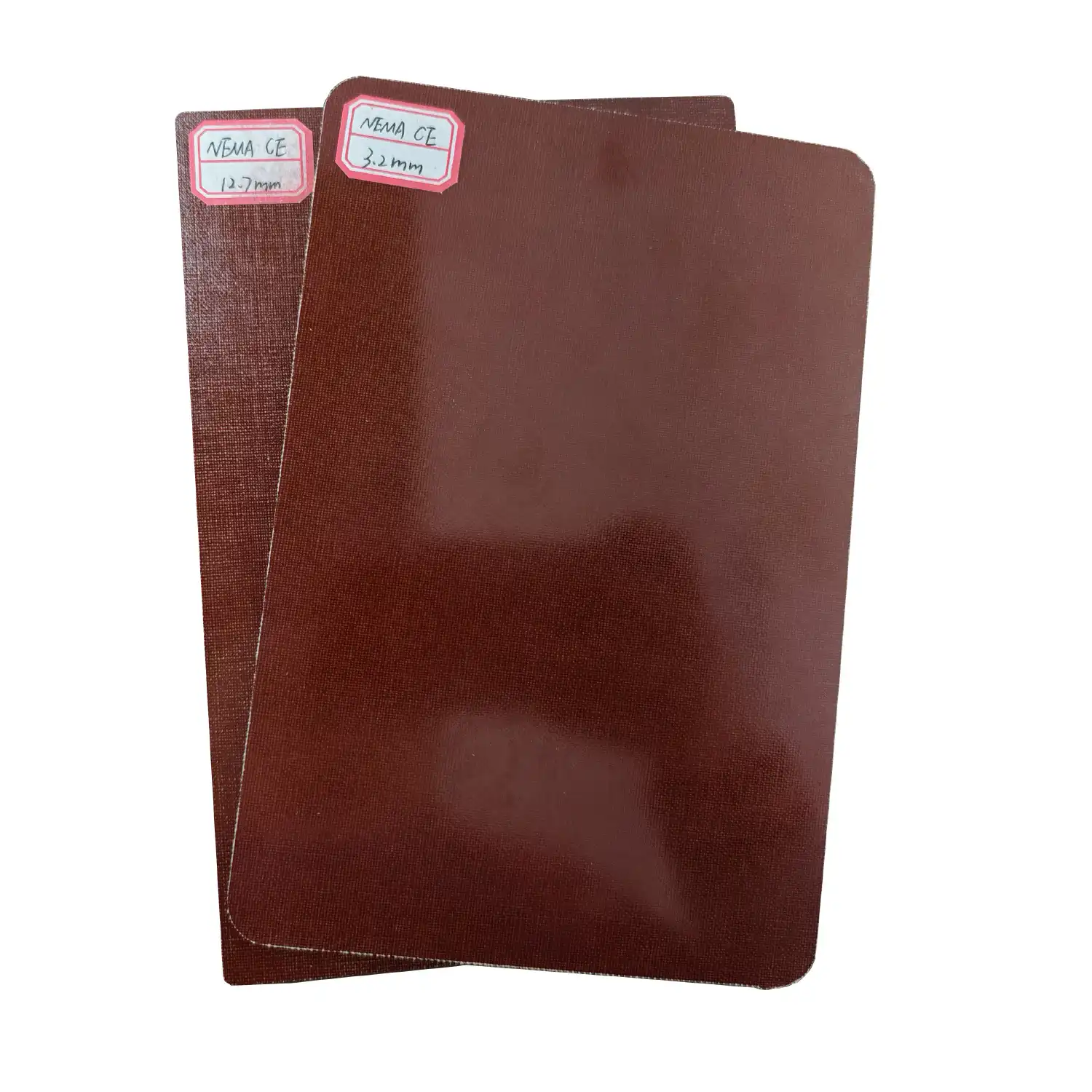
Phenolic paper board is one of the most important types of insulation used in modern electrical systems because it is both cheap and strong. This hard thermosetting material is made by injecting phenolic resin into several layers of kraft paper at high temperatures and pressures. It has great dielectric strength and can be easily machined. This material is always used by engineers and procurement specialists when projects need solid electrical separation but don't want to pay the high price of epoxy-glass laminates. It has a history of making reliable switchgear, transformer parts, and industrial machinery, which makes it a smart choice for businesses that want to meet safety standards and save money at the same time.
Understanding Phenolic Paper Board and Its Electrical Insulation Properties
Composition and Manufacturing Excellence
Precise engineering is needed to make phenolic paper board. Premium cellulose fibers are fully saturated with phenolic glue mixtures, and then layers are stacked and pushed together at around 1000 psi while controlled heat is applied. The process makes a material with a density between 1.30 and 1.45 g/cm³, which makes a regular hybrid structure that is good at both insulating electricity and being stable. The paper base is naturally lubricious, which makes secondary operations like punching, routing, and drilling easier compared to options made of glass-reinforced materials.
Key Electrical Performance Parameters
The dielectric strength of a material tells you how well it can handle voltage stress without breaking. Good phenolic paper board usually has a short-time dielectric strength of more than 500 V/mil, which means they can be used for medium-voltage tasks. The material has a high electrical resistance both on the surface and in the volume, which stops current from leaking out. The NEMA Grade numbers (X, XX, and XXX) directly refer to the amount of resin and how well it resists water. Grade XXX versions have the highest level of resin saturation, which makes them work better in damp places where water getting in could damage the insulation.
Comparative Advantages Over Alternative Materials
Procurement teams have to look at a lot of different factors when choosing insulation choices. When compared to fiberglass-reinforced epoxy boards, phenolic paper board options are much easier to machine. Not having any rough glass strands means that tools last longer and it's possible to hot-punch complicated forms without them coming apart, which is very helpful in places where a lot of things need to be made. While FR-4 epoxy boards have higher temperature and mechanical strength ratings, phenolic paper board options are a much better choice for uses where Class E heat performance (120°C continuous operation) is enough. More service life is added to transformer and circuit systems by making them resistant to mineral oils and industrial solvents.
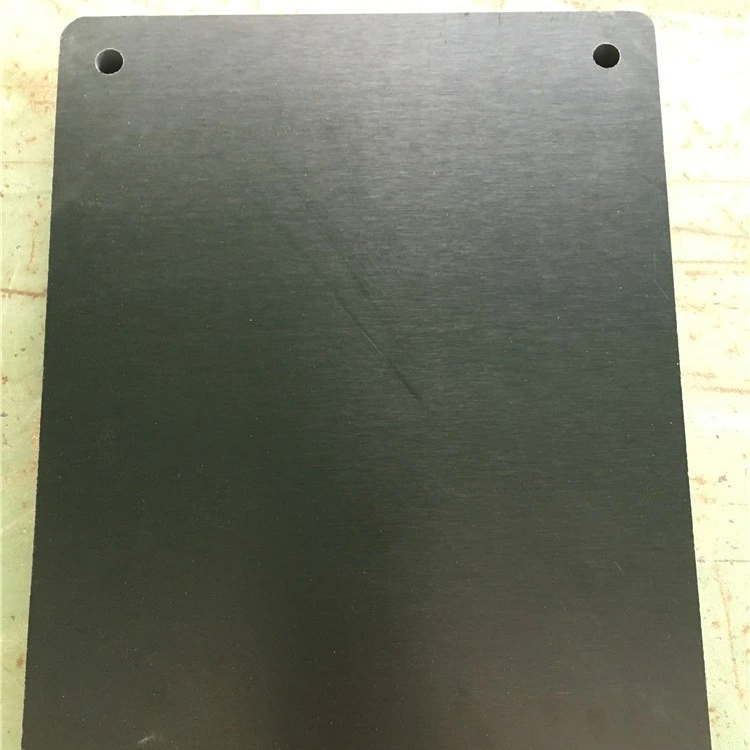
Technical Specifications and Performance Dimensions
Mechanical Strength and Structural Characteristics
Measurements of a material's flexural strength show how well it can fight forces that bend it. High-quality phenolic paper board has compressive strengths of more than 135 MPa along their length, which is strong enough to hold electrical components. When the material has to stay the same size under long-term load, like when it's used to support busbars or as mechanical spacers, compressive strength is very important. The density of the material affects its mechanical qualities and keeps the weight of the parts doable, which is important for electrical systems in cars and planes.
Thermal Resistance and Operating Limits
Knowing the limits of heat expansion keeps things from breaking down too soon. Phenolic paper board has an Insulation Class E grade, which means it can be used continuously at temperatures up to 120°C. If you go over this limit, the cellulose substrate starts to turn into carbon, which weakens its dielectric qualities and structure stability over time. Short-term changes in temperature may be okay, based on how long they last and how the heat escapes, but long-term contact above the recommended limits speeds up aging. Fire safety certifications like UL94 ratings give you even more peace of mind, and many versions get V-0 or V-1 ratings, which mean they will put out fires on their own.
Chemical Resistance and Environmental Durability
Different toxins can get into insulating materials in industrial settings. Mineral oils are often found in transformers and hydraulic systems, but phenolic resin structures are very resistant to them. Mild acids, alkaline solutions, and standard industrial solvents usually don't break things down much. The material is hygroscopic, which means it collects water from wet air because it is made of paper. Grade XXX formulas of high quality keep water absorption below 1.3% during 24-hour immersion tests according to ASTM D570. This keeps the material's electrical and physical stability. When things are stored correctly in climate-controlled areas, they don't twist, which could affect fit standards.
Phenolic Paper Board vs. Alternatives: Making the Right Choice
To choose the best insulation materials, you need to know what the purpose needs. Phenolic paper board is a special kind of material that is in a unique place between common plastics and high-performance composites. In low-frequency uses, their electrical protection is just as good as more expensive options, but they are much cheaper to machine. Fiberglass epoxy boards are used in challenging aircraft and high-temperature industry settings because they have better strength-to-weight ratios and thermal performance. Plastic laminates, like polyester or vinyl sheets, don't absorb water, but thermosetting phenolic formulas do. They are also more resistant to heat and fire.
The total fixed cost must be included in the cost study, not just the unit price. The starting cost of materials for phenolic paper board is lower than for FR-4, but the cost of production is greatly affected by the time and money needed to machine the boards and the life of the tools. Because the material can be punched, it is possible to make many of the same parts quickly, which saves time compared to turning processes needed for harder laminates. Environmental concerns are becoming more and more important in buying choices. Phenolic resins made from renewable phenol sources and recovered paper meet green goals without lowering the performance standards needed for industrial uses.
Procurement Guide: How to Source Phenolic Paper Board Effectively
Quality Certifications and Supplier Verification
Suppliers you can trust have complete quality control methods in place. ISO 14001 certification shows that you care about the environment, while ISO 9001 certification shows that you have structured process controls. UL certification makes sure that goods meet safety standards in North America. This is especially important for electrical parts that need to be approved by an agency. By asking for material test reports for particular batches, you can be sure that they meet the stated specifications. Important factors include the thickness limit (usually ±0.05mm for precise grades), the dielectric breakdown voltage, the rate at which water is absorbed, and the mechanical strength values. Suppliers should be happy to give these papers along with statements that they follow the ROHS and REACH rules for dangerous chemicals.
Order Quantities and Customization Options
Minimum order amounts depend on the provider and the size of the sheets. Standard sizes, like 1000mm x 2000mm sheets, might have lower minimums than blocks that are cut to order. When you buy in bulk, you can often get better prices, which is especially helpful for ongoing business needs. Customization options go beyond just cutting to specific sizes. They also include grade choices, surface finishes, and accuracy requirements. Engineering managers should be clear about the application standards, such as working voltage, temperature exposure, mechanical loads, and environmental conditions, so that providers can suggest the best grades. A lot of providers have expert support teams that can help with things like choosing the right materials and fixing problems with applications.
Logistics and International Sourcing Considerations
To keep phenolic paper board from getting wet or damaged during shipping, they need to be properly packaged. Shipments on pallets with moisture protection wrapping keep the purity of the goods. Lead times depend on whether an order comes from a stock item or needs to be made to order. Stock materials usually ship within days, but custom specs could take up to a few weeks, based on how busy the factory is. We've been in this business for decades and have built strong relationships with logistics providers. This lets us make sure that packages go smoothly, even those going across foreign borders. Our combined logistics services make the supply chain more efficient, which cuts down on delays that throw off production plans.
Practical Applications and Case Studies in Electrical Insulation
Common Industrial Applications
Phenolic paper board parts are used a lot in electrical switchboard systems. Arc chutes made from these phenolic paper board contain and put out electrical sparks when the circuit is interrupted, which keeps other devices safe. In enclosed areas, phase dividers keep the safe distance between energized wires. Busbar supports act as both electrical insulation and mechanical mounting, and they can survive the magnetic forces that are created when a short circuit happens. The material is perfect for these tough jobs because it is both dielectrically strong and structurally stiff.
When making PCBs, phenolic paper board is used as backing material during the cutting process. When put under circuit boards, they provide a stable, disposable surface that keeps drill bits from bending and makes sure that exit holes are clean. This use takes advantage of the material's uniform density and ability to handle repeated drills without coming apart too much. Motor parts, terminal blocks, and connecting housings are some other uses that benefit from the balance of electrical protection, mechanical safety, and low cost.
Real-World Performance Validation
A transformer maker had problems with coil support structures that were failing over and over again when they were subject to high temperatures and electrical stress. Their old insulation wasn't thermally stable enough, so it broke down early and cost them a lot of money in guarantee claims. After looking at a number of options, engineering teams chose NEMA Grade XXX phenolic paper board that are better at resisting water. Support frames and arc barriers had to be precisely machined for implementation, which made use of the material's excellent punchability and physical stability.
Performance tracking over the course of 18 months of operations showed big gains. Failure rates dropped by about 60% compared to older materials, and production costs went down because the materials were easier to work with. Client comments pointed out that the system was more reliable and needed less upkeep.
These real-world results show that choosing the right materials has a direct effect on the quality of a product and its prices over its entire life. Protocols for handling stress flat storage in humidity-controlled areas to avoid bending that could affect assembly standards.
Conclusion
Phenolic paper board has been shown to effectively insulate electrical currents in a wide range of commercial settings. Their balanced property profile, which includes dielectric strength, machinability, chemical resistance, and low cost, meets the main needs of companies that make electrical tools, machines, and people who run power systems. Engineering teams can get the most out of materials by knowing their grades, their temperature limits, and the right way to handle them. When procurement professionals look at different insulation choices, phenolic paper board should be seriously thought about for uses where their strengths match up with operational needs and price limits.
FAQ
What thickness ranges are available for electrical insulation projects?
Standard phenolic paper board sheets come in thicknesses ranging from 0.5 mm to 50 mm to meet a wide range of shielding needs. Thin sheets (0.5–3 mm) are good for PCBs and small circuits, while sheets with an average width (3–12 mm) are good for most switchgear and transformer uses. Boards up to 50 mm thick are used for heavy-duty tasks that need a lot of mechanical support. Custom thickness limits can be chosen based on the level of accuracy needed, and tighter controls are offered for a small extra cost.
How does the material perform under thermal stress and fire exposure?
Continuous operation limits usually go up to 120°C for normal phenolic paper board formulas, which are categorized as Insulation Class E. Short-term temperature changes may go higher, but it depends on how long they last and how much thermal mass they have. Fire effectiveness depends on the grade and formulation of the resin. Many goods have UL94 V-0 or V-1 ratings, which mean they can put out fires on their own. For temperatures to stay within the stated limits, proper application design includes enough air flow and heat removal paths.
Can we request customized phenolic boards for specialized electrical applications?
Sheet sizes, thickness tolerances, surface finishes, and grade choices that are best for certain working situations can all be customized. When engineers work together to make specifications, they make sure that the features of the materials meet the needs of the product. Many providers have expert support teams that can help with choosing the right materials and giving advice on the best grades for voltage levels, environmental exposure, and mechanical loading conditions.
Partner with J&Q for Reliable Phenolic Paper Board Supply
If an engineering team or procurement expert is looking for a reliable phenolic paper board provider, J&Q has everything they need. Because we've been making things for 20 years and have done a lot of business with other countries, we can meet the most exacting B2B needs for electrical insulation materials. We follow strict quality control procedures that are in line with international standards. This makes sure that the dielectric strength, accuracy of measurements, and cleanliness of the material are always the same across production runs. We are committed to organized quality control, as shown by our ISO 9001 and UL certifications.
Customization lets you meet particular application needs, such as choosing the right grade or having exact thickness limits. Our combined logistics operations, which include our dedicated shipping section, make it easier to buy things from other countries. Our expert team can help you find the best material specifications for your project, whether it needs standard sheets or parts that are made just for you. You can email info@jhd-material.com to get full technical datasheets, samples of the material to test for quality assurance, or unique quotes. We'd love the chance to help you with your electrical insulation needs by providing quick service and high-quality products.
References
ASTM International. "ASTM D709 - Standard Specification for Laminated Thermosetting Materials." Annual Book of ASTM Standards, Vol. 08.01, 2021.
National Electrical Manufacturers Association. "NEMA LI 1-1998: Industrial Laminated Thermosetting Products." Standards Publication, Rosslyn, Virginia, 2019.
International Electrotechnical Commission. "IEC 60893-3-1: Specifications for Industrial Rigid Laminated Sheets Based on Thermosetting Resins for Electrical Purposes." Geneva, Switzerland, 2020.
Underwriters Laboratories. "UL 94: Standard for Safety of Flammability of Plastic Materials for Parts in Devices and Appliances." Northbrook, Illinois, 2021.
Harper, Charles A. "Handbook of Plastics, Elastomers, and Composites." Fourth Edition, McGraw-Hill Professional, 2002.
Goosey, Martin T. "Plastics for Electronics." Second Edition, Springer Science & Business Media, 1999.