FR4 Board Routing Parameters Explained
2026-06-15 17:18:13
If accuracy is important in making PCBs, you need to know about FR4 board layout factors. Routing is the mechanical cutting process that gives circuit boards their final shape. When working with FR4, a glass-reinforced epoxy laminate, the factors you pick have a direct effect on the accuracy of the measurements, the quality of the edges, and the efficiency of production. Spindle speed, feed rate, tool shape, cutting depth, and cooling methods are some of the most important routing factors. By setting these parameters correctly, you can be sure of clean edges that don't delamination, less tool wear, and the dielectric stability that makes FR4 the best choice for electrical insulation in many fields, from automobiles to power distribution.
Understanding FR4 Board Basics and Routing Fundamentals
What Makes FR4 the Industry Standard
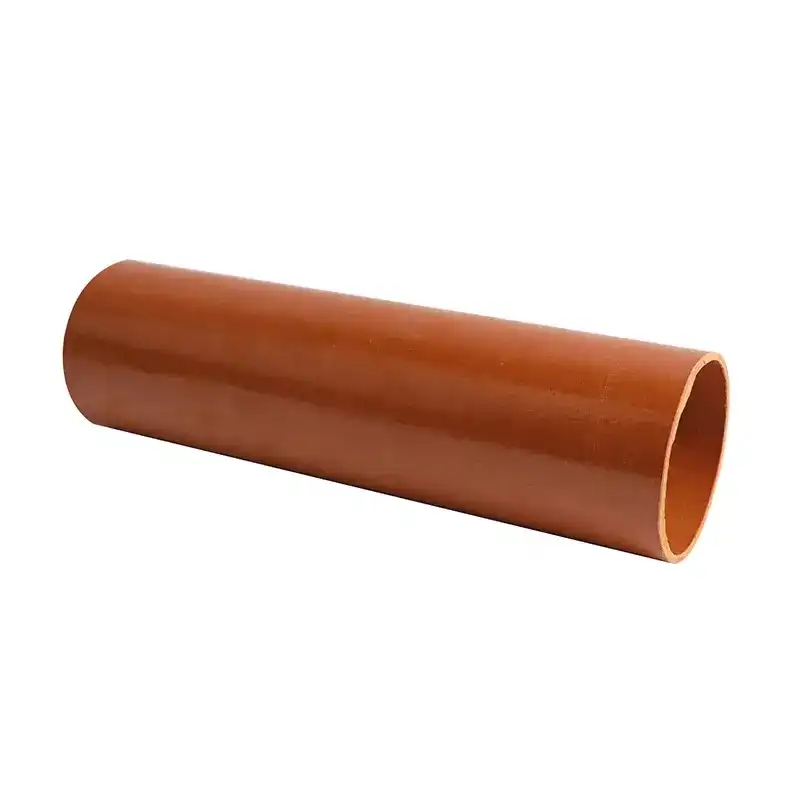
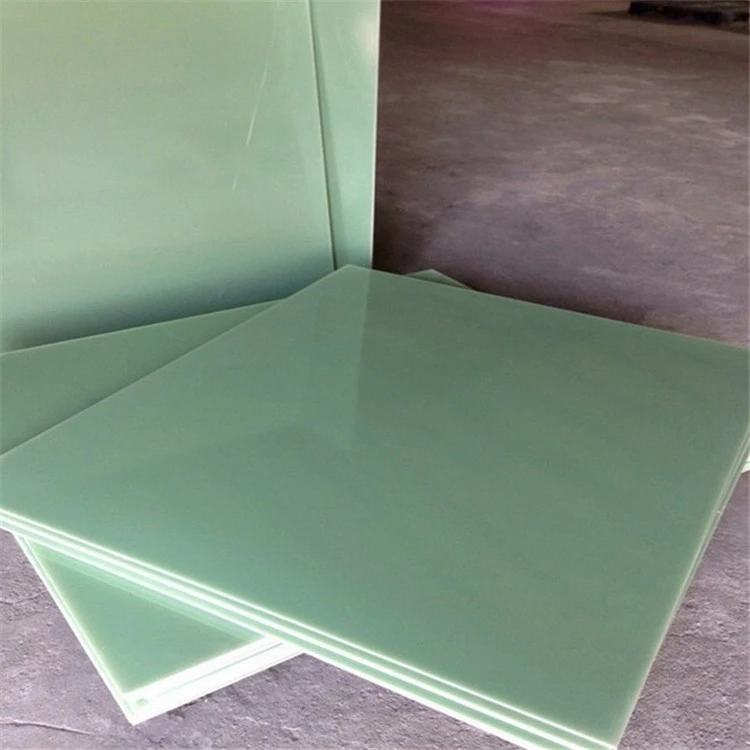
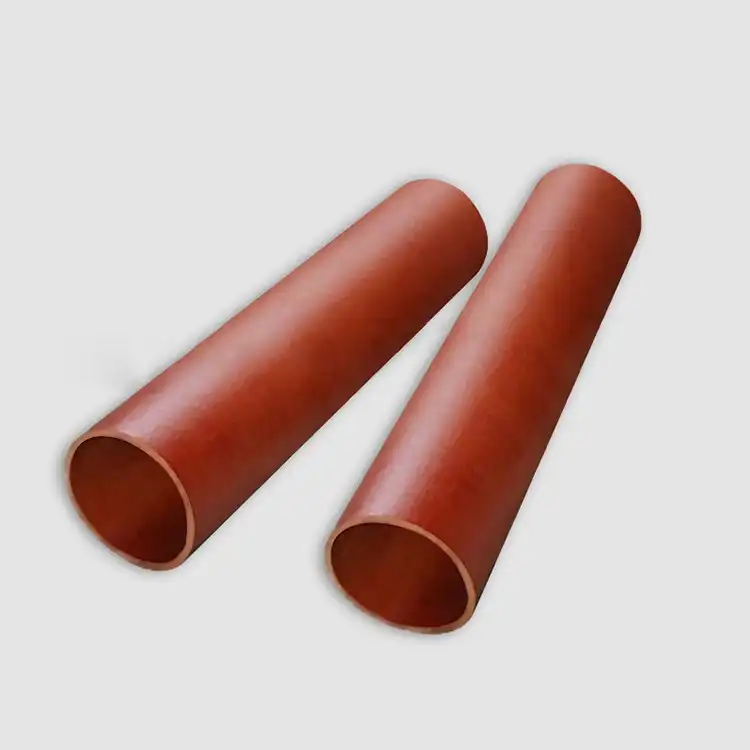
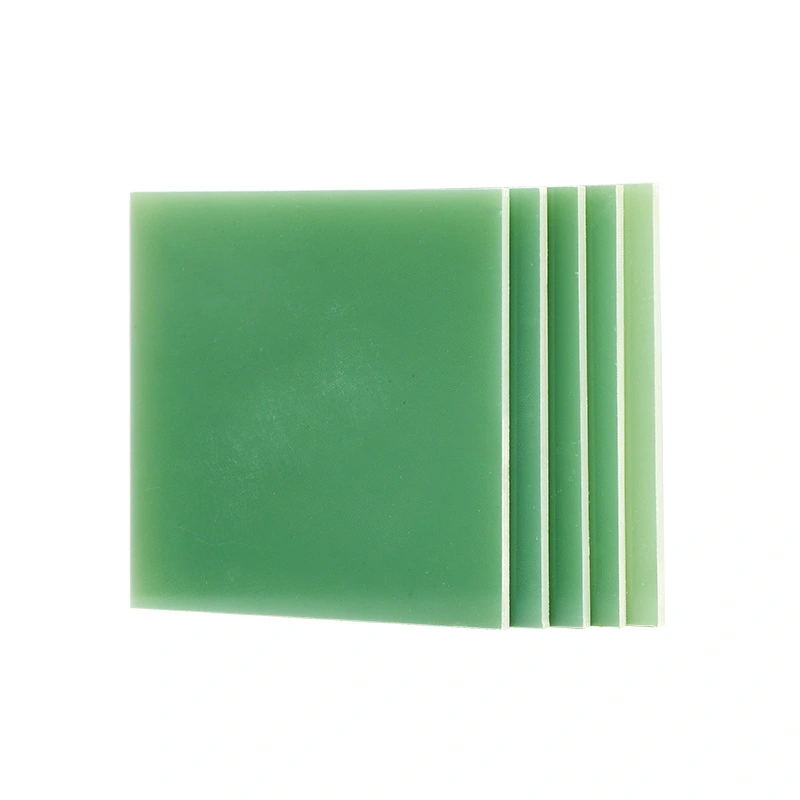
FR4 stands for Flame Retardant 4. It is a thermosetting laminate made from continuous filament glass cloth that is soaked with epoxy resin and is NEMA-grade. This hybrid structure has great mechanical strength and keeps its ability to keep electricity from flowing through it. The "FR" label proves that it can put out fires on its own and meets UL94 V-0 standards, which is an important safety feature for switches, motor parts, and power distribution equipment. Unlike paper-based phenolic laminates, FR4 boards only take a small amount of water (usually less than 0.25%), so they can keep their dielectric strength even in damp working conditions.
The makeup of the material has a direct effect on how the route works. Glass strands make structures stiff, but they also make surfaces rough, which speeds up tool wear. The epoxy matrix holds these threads together and adds flame protection with bromine or phosphorus-based chemicals. Because of this, you need cutting tools with carbide or diamond coating instead of regular high-speed steel bits.
Core Routing Parameters That Define Quality
Spindle speed, feed rate, and depth of cut are the three things that determine how well a FR4 router works. For FR4, spindle speeds are usually between 18,000 and 36,000 RPM. Faster speeds make lines smoother but make more heat. Feed rates of 40 to 120 inches per minute are good for both output and edge quality. If the feed rate is too fast, chips will form, and if it's too slow, too much heat will build up.
Material Specifications Influencing Routing Behavior
For normal FR4 widths, the depth of cut should not go over 0.060 inches per pass. When compared to single deep cuts, multiple short passes cause less mechanical stress and heat. It's not just the shape of the tool that counts. Compression bits with upcut and downcut flutes reduce top and bottom surface tearout, while bits with straight flutes work fine for simpler designs.
FR4 comes in two different types: normal and high Tg. For regular FR4, the glass transition temperature is between 130°C and 150°C. For High Tg forms, it's between 170-180°C. This is important during routing because heat from contact can get close to these temperatures if the settings aren't right, which can lead to soft spots and bad edge quality. High Tg material costs more, but it machines more reliably when a lot of it is being made and heat stays in the machine.
When the thickness changes from 0.008 inches to over 0.250 inches, the parameters need to be changed. To keep them from breaking or bending, thinner boards need slower feed rates and shorter cuts. Because they are more stiff, thicker laminates can handle higher feed rates but need more severe depth of cut settings. Dielectric constants between 4.2 and 4.8 don't have an effect on routing directly, but they do show that the material is consistent. Differences in this range suggest quality problems that could show up as unpredictable cutting behavior.
Dimensional and Performance Analysis of FR4 Board Routing
Thickness Tolerances and Precision Requirements
For PCB support uses, most electrical and electronics makers need routing tolerances of less than or equal to 0.005 inches. To do this, you have to take into account that FR4 board width changes by about 10% when it is in its raw form. Precision routing makes up for this with depth sensors and automatic tool shift changes. Industrial gear usually has mechanical spacers and structure parts that can handle ±0.010 inches. This lets tools move faster and last longer.
The minimum size of a feature depends on how thick the board is and how big the tool is. It is possible for an end mill with a diameter of 0.030 inches to successfully cut holes as thin as 0.035 inches in material up to 0.093 inches thick. Narrower features put the risk of breaking tools, while wider boards need tools that are relatively bigger to keep them stiff while they're being cut.
Fiber Orientation Impact on Edge Quality
The direction of the glass fiber weave has a big effect on how the route works out. When you cut perpendicular to the direction of the fibers, they tend to pull out instead of shearing neatly, but when you cut parallel to the direction of the fibers, the edges are sharper. This makes tiny cracks in the board edges that weaken both the structure and the protection from electricity. If the design allows it, rotating the part 45 degrees to the fiber weave can lessen this effect.
Thermal Management During Cutting Operations
In wet places, fibers that are exposed at the ends of routes can make ways for water to get in. In the power sector, where arc tracking along uncovered wires could lead to catastrophic failures, sealing cut edges with conformal coating or epoxy is very important.
A lot of heat is made when cutting tools rub against glass-reinforced cement. When temperatures rise above the material's glass transition point, epoxy softens. This makes the tool buildup gooey and the surface finish bad. Cutting zones stay below 100°C with good cooling systems that use compressed air or mist coolant. This is a lot lower than the normal FR4 Tg of 130–150°C.
Preventing Delamination and Mechanical Stress
Not enough cooling can also cause warping, especially in boards that are less than 0.031 inches thick. When you cut something, the heat causes internal forces that show up as physical distortion after the board cools down. Active cooling and vacuum hold-down systems make this problem less of a problem, keeping the board's smoothness within 0.003 inches per inch of its size.
The worst route error is delamination, which is when the epoxy layers separate from the glass cloth layers. Too much cutting force from dull tools or fast feed rates actually tear the laminate apart at the edges of the layers. When you look closely, you can see white stress marks along the cut edges, which means the structure isn't as strong as it should be.
The chance of delamination is greatly affected by how sharp the tool is. When cutting FR4, carbide bits keep their sharp edges for about 100 linear feet before they need to be replaced or resharpened. Diamond-coated tools can do this up to 500 feet away, but they are a lot more expensive. Delamination problems can cause expensive scrap, so it's important to keep an eye on the quality of the cuts and set up regular tool replacement plans.
Comparing FR4 Boards to Alternatives in Routing Considerations
FR4 Versus Phenolic and CEM Materials
CEM-1 boards have both paper and glass surfaces, along with epoxy. This makes the routing behavior inconsistent, as paper layers are easy to machine while glass parts wear down tools quickly. Because FR4 boards are made of uniform glass, the route results are clear and consistent across the whole board area. FR-1 phenolic laminates are easier to work with than FR4, but they aren't flame retardant or stable at high temperatures, which are needed for battery shields in cars and motor frames for appliances.
FR-5 is an alternative to FR4 that can be used at higher temperatures. It uses different epoxy formulations to allow continued running above 150°C. The routing factors stay the same, but because FR-5 is harder than normal FR4, tools wear out about 20% faster. Because it costs more, FR-5 should only be used when the temperature needs really go beyond what FR4 can do.
Metal Core and Flexible Circuit Challenges
Metal core PCBs have aluminum or copper surfaces that make them better at conducting heat, but they wear out cutting tools very quickly. Diamond-coated bits are now required, not just recommended, and feed rates drop to 30–50% of what they were in FR4. As heat moves through the metal core, it helps keep cutting temperatures lower, even when the material is harder. This lowers the thermal stress on the remaining insulating layers.
When using polyimide substrates for flexible circuits, you need to use a totally different wiring method. Because they are flexible, vacuum hold-down doesn't work well, so adhesive-backed carrying boards are needed during cutting. Lower spindle speeds (10,000 to 15,000 RPM) and special kiss-cut levels that go through the flex material without damaging the carrier sheets are used as routing settings. For applications that need strength, FR4 is the best pick because of these issues.
Best Practices and Solutions for Optimizing FR4 Board Routing
Tool Selection and Cutting Speed Optimization
When cutting FR4, compression cutter bits get better results because they press down on the top surface while lifting the bottom surface at the same time. This two-step process stops both delamination and edge tearout on both sides. In glass-reinforced materials, single- or two-flute designs are better at removing chips than multi-flute choices because they don't build up heat as much and last longer.
The best cutting speeds strike a mix between quality and output. For 0.062-inch FR4, we suggest starting at 24,000 RPM and a feed rate of 60 inches per minute. You can then make changes based on a review of the edge quality. When making appliances, raising the spinning speed to 30,000 RPM improves the surface finish when tight tolerances are needed for precision insulation frames. When handling complicated patterns with lots of direction changes, slowing down the feed rate to 45 inches per minute helps.
Cooling and Dust Extraction Systems
Effective dust extraction does two things: it keeps the cutting path visible and keeps equipment safe from building up sharp glass dust. Industrial cyclone dividers that can handle 400 CFM or more of wind keep dust from coming back into the work area. It is necessary to extract glass fiber particles from production areas because they can be harmful to your health and can form electrical tracking tracks if they settle on insulators.
Avoiding Common Routing Pitfalls
When compared to dry cutting, mist cooling systems lower cutting temperatures by 40 to 60°F while also lubricating the contact between the tool and the material. Coolants that are based on water work fine, but oil-based ones are better at lubrication but need more cleaning up. The balance of air blast cooling is that it lowers the temperature without adding liquids that need to be disposed of or recycled.
Most problems with FR4 board routes are caused by three mistakes. When old tools are used past their useful life, they leave rough edges, delamination, and errors in the dimensions. This problem can be stopped before it affects the quality of the work by using tool life tracking systems that are based on linear cutting distance.
If the board moves while it's being cut because the workholding isn't good enough, the dimensions won't be accurate. Vacuum tables that can handle 15 inches or more of mercury vacuum pressure can safely hold boards in place without using mechanical clamps that get in the way of tool tracks. When the tool leaves, the bottom face of the workpiece doesn't tear out because of the sacrifice backing boards under it. This keeps the edge quality on both sides.
If you don't take fiber direction into account when planning the layout of a part, the results will be different between production runs. Setting up regular processes for material orientation guarantees consistent quality and lets you find the best settings for each fiber direction.
In the twenty years that we've been making things with epoxy laminates and glass cloth, these designs have shown up in thousands of production runs. We know not only the technical details but also the supply chain time that keeps your production lines going without stopping because we have logistics skills in-house.
Procurement Guide: Choosing and Buying FR4 Boards for Optimized Routing
Quality Assessment Through Testing Standards
Dielectric strength tests according to ASTM D149 shows that the insulation works, with good FR4 boards having more than 500 volts per mil. This is important when routing makes smaller cross-sections in insulation barriers for transformers or switchgear—you need to be sure that the properties of the material stay the same across the whole length of the sheet.
Flexural strength tests (ASTM D790) shows that the metal is still solid after route operations. The tensile strength of specimens cut from routed edges should stay at 65,000 PSI or higher, which means that the cutting process hasn't damaged the epoxy-glass bond. There may be problems with the material quality or the routing settings if the numbers are low.
Electrical safety rules are followed when flame retardancy is checked through UL94 testing. For industrial electrical uses, any FR4 sheet must show V-0 rating, which means it must be able to put out fires on its own within 10 seconds with no flaming drips. This becomes the minimum condition you use to compare sellers.
Supplier Evaluation and Brand Considerations
Manufacturers of well-known materials keep tighter controls on the makeup of their products, which makes routing behavior more uniform across production lots. Changes in the amount of resin, the density of the glass cloth weave, or the quantity of flame retardant make the machining results uncertain, so the parameters have to be changed all the time.
Check that the sellers you're considering have material certifications like UL recognition, RoHS compliance paperwork, and IPC-4101 specification sheets. Instead of depending only on what the maker says, these certifications show that the material's properties have been checked by a third party. Traceability through lot numbers lets you track the performance of materials back to specific production batches when you're trying to find the best routing settings.
Pricing Dynamics and Order Logistics
By testing a sample before placing a big order, you can see how the machine actually works with your unique tools and settings. Ask for sheets that are big enough to make ten test parts, and then check the accuracy of the dimensions, the quality of the edges, and any signs of delamination. This small investment keeps production from being interrupted by mismatched material properties, which would be very expensive.
The price of FR4 depends on its thickness, grade, and order number. Material of standard grade in common thicknesses (0.031, 0.062, and 0.093 inches) is much cheaper than material of special thicknesses or High Tg versions. Volume prices usually start at 100 sheets, and orders of 500 sheets or more save a lot of money.
When it comes to stock and special specs, lead times are very different. Standard sizes ship within days, but special widths or sheet sizes may take 3 to 6 weeks to make. When new goods come out that need different board specs, production delays can be avoided by planning purchases around these dates.
Minimum order numbers show how much it costs to make something. For standard specs, the MOQ is usually between 25 and 50 sheets. For special specifications, it could be 200 sheets or more to cover the costs of setting up the production line. When buying unique goods in smaller quantities, it's important to make smart decisions about how to balance inventory carrying costs against MOQ requirements.
Conclusion
Mastering the FR4 board route settings will take your production skills from good to great. Edge quality, measurement accuracy, and production efficiency are all directly affected by how spindle speed, feed rate, tool selection, and cooling work together. Knowing how things about a material, like its glass transition temperature and fiber direction, affect how it cuts lets you find the best settings for your needs. These technical tips will help you make more consistent products, whether you're making PCB boards, insulation parts for power distribution, or precision parts for car systems. For FR4 routing to work, you need to set up your equipment correctly, use sharp tools, make sure the material is well cooled, and make sure the material reacts predictably to your machining processes.
FAQ
What is the best thickness of FR4 for accurate routing?
Which thickness to use varies on the needs of the product and the powers of the equipment. We suggest 0.062-inch FR4 board for high-precision work that needs tolerances of less than or equal to 0.005 inches because it is hard enough for consistent grinding and thin enough that cutting forces don't cause it to bend too much. Thinner materials (less than 0.031 inches) need special pressure holds and slower feed rates so they don't bend while they're being cut. More severe settings can be used on boards that are thicker than 0.125 inches, but they need to be cut more than once to control the cutting forces and heat. For electrical insulation in switches, thicknesses of 0.093 to 0.125 inches are common. These thicknesses balance the need for voltage separation with the ability to be machined.
What does the flame protection grade mean for the safety of routing?
UL94 V-0 rated FR4 has chemical flame retardants that stop fires from spreading, but these additives can be harmful to health during routes. When you cut something, you make dust that has glass strands and chemicals that are brominated or phosphorus to make them resistant to fire. It's no longer a choice; proper dust filtration systems rated for small particles are now required. The flame resistant properties don't change routing parameters much compared to materials that aren't FR, but you should be aware that static electricity or hot tools could cause flammable dust to build up and catch fire. These safety issues can be fixed by keeping drainage systems in good shape and keeping dust from building up. This will also keep the fire safety benefits of FR4 that make it necessary for electrical uses.
Can I get custom shaped boards to me quickly for prototyping?
A lot of suppliers keep standard FR4 sizes in stock, and they can do custom routing in three to five business days for sample orders of less than fifty pieces. For an extra fee, expedited services can sometimes turn things around in 24 to 48 hours. The main things that affect delivery speed are the supply of materials in the width you need, the complexity of the route (simple rectangles vs. complex profiles), and the length of the production queue at the moment. Building connections with providers who keep a wide range of products in stock and offer flexible scheduling helps get things done faster when development deadlines call for quick iterations.
Partner With J&Q for Precision FR4 Board Solutions
J&Q has been making and selling high-quality FR4 boards that are best for challenging routing uses for more than 20 years. Our engineering team knows how important it is for material specs and machining factors to match up exactly. This way, you can be sure that the sheets you receive will always have the same edge quality and dimensions. We keep a large stock of UL94 V-0 approved FR4 in both normal and High Tg versions. We can also make the thickness exactly what you need.
Our integrated logistics network offers real one-stop service from choosing materials to delivering them, so you don't have to worry about coordinating with multiple providers. Technical support teams work directly with your engineering and purchasing teams to find the best grades for your routing equipment and the needs of your application. Our store has options that are backed by IPC and UL certifications, whether you need precisely cut blanks for making PCBs, structural insulation for industrial machinery, or flame-resistant barriers for use in cars.
Email our team at info@jhd-material.com to get models that are made to fit your routing needs, or visit jhd-material.com to see all of our FR4 board choices. As a reliable FR4 board provider for the car, industrial, and electrical markets, we know how important consistent materials and on-time deliveries are to the success of your production. Let us show you how our experience in production and supply chain can help you reach your business goals.
References
Coombs, Clyde F. "Printed Circuits Handbook, Seventh Edition." McGraw-Hill Education, 2016. Chapter 4: Base Materials for Printed Wiring Boards.
Harper, Charles A. "Electronic Materials and Processes Handbook, Fourth Edition." McGraw-Hill Professional, 2018. Section 2.3: Epoxy Glass Laminates and Routing Considerations.
IPC-4101D: "Specification for Base Materials for Rigid and Multilayer Printed Boards." IPC International Standards, 2020 Revision.
Prasad, Ray. "Surface Mount Technology: Principles and Practice, Second Edition." Springer Science, 2013. Chapter 6: PCB Fabrication and Routing Parameters.
Underwriters Laboratories. "UL 94: Standard for Safety of Flammability of Plastic Materials for Parts in Devices and Appliances." UL Standards Catalog, 2021 Edition.
Wong, C.P., Moon, K.S., and Li, Y. "Nano-Bio-Electronic, Photonic and MEMS Packaging." Springer Publishing, 2010. Chapter 8: Mechanical Processing of Rigid Laminates.