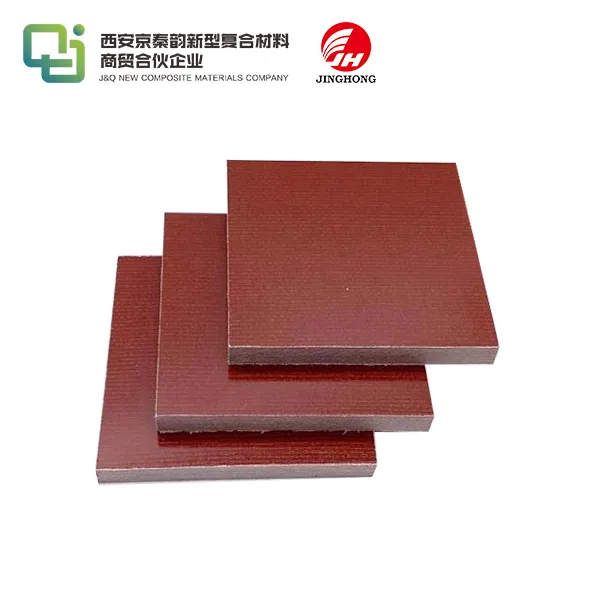
Avoid Edge Chipping on Phenolic Paper Boards
2026-06-16 17:09:58
To keep phenolic paper board's dielectric strength and structural stability in electrical uses, it is important to keep the edges from chipping. Edge damage lowers the effectiveness of protection, shortens the life of components, and raises the safety risk in high-voltage settings. Manufacturers and engineers can greatly lower the number of chipping events by choosing the right materials, controlling the cutting parameters, following the right handling procedures, and strategically treating the edges. To get reliable performance from paper-based phenolic laminates in switchgear, PCB manufacturing, and industrial machinery, it's important to understand NEMA grade specifications, make the best use of tooling strategies, and put in place quality control measures.
Understanding Edge Chipping in Phenolic Paper Boards
Edge chipping shows up as cracks, cracking, or separation of layers along the cut edges of phenolic laminates. Edge fails go through layers, showing raw paper fibers and breaking up the resin matrix that holds the structure together. Surface damage, on the other hand, is usually only cosmetic.
The Structural Composition Factor
Paper-based phenolic paper boards are made up of several layers of kraft paper that have been soaked with phenolic resin and then pushed together at around 1000 psi. This layered structure makes clear edges between the layers of paper. When the cutting forces are higher than the bonding strength between the layers, the edges start to separate. Even though the paper fibers are flexible and easy to punch, they are not as tough as the glass fibers used in FR-4 options. Because of this basic makeup, edges are more likely to break under mechanical stress.
Material Density and Edge Strength Correlation
The amount of glue in different NEMA types is very different, which directly affects how long the edges last. Grade X has less glue, which makes it more likely for fibers to come loose during cutting. Grade XXX has more resin in it, which makes the edge structures thicker and less likely to chip. Because of this density relationship, electrical-grade boards usually do better at keeping their edges than mechanical-grade boards, even though they both use the same base paper material.
Thermal Cycling and Edge Degradation
The constant working temperature limit of about 110°C to 120°C (Class E insulation) is more than just a heat resistance grade. When the temperature changes, the paper strands and phenolic glue expand at different rates. When this tiny movement happens over and over, it can weaken the edges where internal pressures are highest. Power distribution companies and companies that make transformers notice this most when arc barriers are exposed to heat cycling when the load changes.
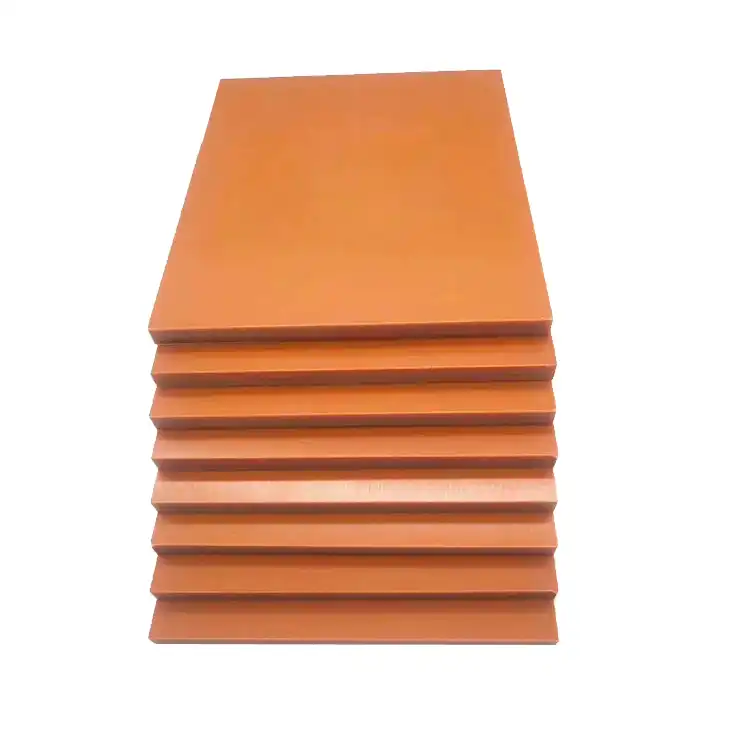
Causes of Edge Chipping: Analyzing the Root Factors
To figure out why edges fail, you have to look at the whole process, from making the edges to installing them. There are many factors that affect this, and they often combine in ways that make the damage risks even higher.
Manufacturing Process Variables
If the sealing process isn't finished during production, leftover stresses get locked up in the laminate structure. At the edges, where material restriction stops, these internal tensions build up. When machining processes add more mechanical stress, parts that haven't been properly cured break more easily. Pressing irregularities cause differences in the sheet's density, which makes some areas have weaker bonds between layers. Suppliers who care about quality keep tight controls on the process, keeping an eye on the fix cycles and hydraulic press settings to make sure that all sheets have the same properties.
Machining Parameter Misalignment
The cutting speed, feed rate, and shape of the tool must all be right for the roughness of the material. Cutting edges wear down quickly in phenolic paper boards, and tools that are too dull produce too much heat and compression forces instead of clean slicing action. Compared to high-speed steel, carbide equipment lasts longer, but even carbide needs to be replaced every so often. When cutting speeds are too slow or too fast, paper strands pull away from the resin matrix instead of cutting neatly. This is called tear-out. Paper phenolics' advantage of being easy to punch works best when dies are well taken care of and temperatures are kept under control during hot-punch operations.
Handling and Storage Practices
Because paper surfaces are hygroscopic, it is very important to control moisture. Different levels of air exposure cause different levels of swelling, which adds internal stresses that weaken the edges. When boards are kept upright or without the right support, they warp, which puts more stress on the places where the boards touch. When things are shipped, bad packing lets collisions happen that might not damage the surface but do break internal layer bonds at the edges. When mechanical engineers define these materials, they often forget to include storage needs because they think the materials will behave in a way similar to metal parts.
Thickness and Edge Load Relationship
The edges of thinner sheets are proportionally more likely to break. When you handle a 1.6mm board versus a 6mm plate, the stress is distributed in different ways. As thickness goes down, the ratio of edge exposure to total material volume goes up. This means that thin boards are more likely to get damaged by impacts. Tolerance specs are very important—differences greater than ±0.05mm make edge support uneven in mounting holes, which causes stress points to gather in one place.
Proven Methods to Avoid Edge Chipping on Phenolic Paper Boards
There are useful answers for choosing materials, making the best use of production, and following rules for dealing. Using these methods consistently lowers the number of edge failures and increases the service life of components.
Material Grade Selection Strategy
Choosing the right NEMA grade is the first step in keeping edges from getting damaged. Even though it costs more, Grade XXX is better for applications that need to handle mechanical loads or be handled often. The higher resin content makes the connection between layers better and the edges tougher. Switchgear makers who need to be very exact with busbar spacing like how higher-grade materials keep their shape and edges even when they are under a lot of mechanical stress. When price is an issue, Grade XX is a good compromise because it is more resistant to moisture than Grade X while still having good cutting properties. To make sure that all production batches of a material have the same qualities, procurement teams should ask for verification paperwork that shows the material meets ASTM D709 and IEC 60893 standards.
Optimized Machining Techniques
When using CNC routing, the settings need to be carefully set up based on the width and grade of the material. Cutting tools can cut fibers cleanly instead of tearing them when feed rates are slowed down while spinning speeds stay the same. By cutting into the material instead of pulling fibers off the surface, climb milling usually makes lines that are cleaner than regular milling. Using diamond-coated cutter bits instead of regular carbide ones makes the tools last a lot longer because they keep the cutting edges sharp and reduce the chance of them breaking. During cutting, dust extractor systems must be running all the time because phenolic paper boards create dust that builds up and causes heat to build up, which lowers the quality of the edges. Technical procurement experts should make sure that sellers follow the right repair schedules for tools and keep an eye on the state of cutting edges through regular inspection processes.
Edge Sealing and Post-Processing
Using edge sealants creates a barrier that keeps wetness out and strengthens the joining between layers physically. Epoxy-based sealants go a little deeper into the laminate structure, making the edge zone stronger. Power distribution companies often put their outdoor equipment in damp places, so this treatment works especially well there. Using controlled warmth for thermal edge finishing briefly softens the resin at the cut edges, letting it flow and stick together the layers. Automated systems keep the temperature under tight control to keep the paper base from breaking down and to achieve edge consolidation. Companies that make home appliances in large quantities can benefit from straight edge treatment systems that treat parts right after they are cut.
Strategic Handling Protocols
Damage during manufacturing and installation can be cut down by using material handling methods that are specifically designed for phenolic board. To keep things from warping because of wetness, storage places should keep the temperature stable and the relative humidity between 40 and 60%. Gravitational force doesn't build up when things are stored horizontally and on enough support. Edge protection, like foam dividers or corrugated separators, should be a part of transportation packing. These keep things from getting damaged during shipping. In order to avoid edge grabbing, which puts too much force on weak spots, assembly line workers need to be taught the right way to hold things.
R&D engineers working on car parts have shown that setting material-specific handling standards for production teams has led to big quality gains. Case studies from companies that make industrial machinery show that systematic application can lead to measured gains. One OEM sourcing manager said that edge-related rejects went down by 73% after they switched to Grade XXX material, upgraded to diamond cutting, and started sealing the edges of important parts. The combined method dealt with multiple failure modes at the same time, showing how important it is to have complete answers instead of separate ones.
Comparative Insights: Phenolic Paper Board vs Other Materials in Edge Durability
When purchasing professionals know how paper-based phenolic paper boards stack up against other materials, they can make smart choices that meet the needs of the application and stay within the budget.
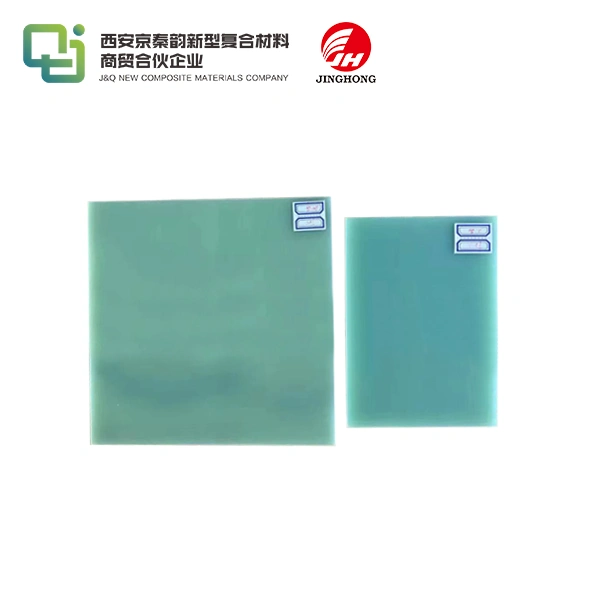
Phenolic vs Epoxy Glass Laminates
FR-4 epoxy glass boards are stronger mechanically and can handle higher temperatures over time (Class F/H vs. Class E). Edges that are reinforced with glass fiber are naturally stronger and less likely to come apart. But this toughness comes at a price—the cost of materials goes up a lot, and it's harder to machine. Because glass fibers are rough, they speed up tool wear, which means that you need to change bits more often and use special carbide or diamond tools. Electrical and electronics companies that are trying to cut costs often choose paper phenolics for low-frequency uses where there aren't any heavy mechanical loads. Because they are punchable, they can be shaped into complicated shapes through pressing, which is not possible with glass-reinforced materials. When proper tooling and handling procedures are used to fix paper phenolic weaknesses, differences in edge longevity get smaller.
Comparison with Laminated Wood Products
Plywood and decorative laminates both have a layered structure, but they don't have the electrical insulation qualities that are needed for most commercial uses. When compared to phenolic laminates, wood-based goods are more sensitive to moisture and less stable in terms of size. Edge quality in plywood is bad because the veneer peels off and there are empty places in the wood grain structure. Phenolic boards have the same makeup all the way through, so their properties and edge behavior are more reliable. When mechanical engineers choose structural insulation components, they like how phenolic materials can both hold weight and keep electricity from flowing through them, which is something that wood products can't do.
Performance Against Acrylic Sheets
Acrylic is very clear and doesn't get damaged by the weather, but it's not very good at keeping electricity from flowing. Thermoplastic edges are basically different from thermoset phenolics. For example, acrylics soften and deform when heated, while thermoset phenolics stay hard. When you machine something, you get continuous chips instead of dust. However, the edge impact strength is still lower than with resin-impregnated paper laminates. When comparing the costs of different materials, phenolic boards are clearly the better choice, especially when the thickness is above 3 mm, which is where most commercial uses are found. When engineers in the power sector define arc barriers, they need systems that are resistant to flames and tracking, which aren't available in normal acrylic formulations.
In this comparison setting, it's clear that paper-based phenolic boards fill a certain performance gap. They work great in situations with modest mechanical loads, the need for electricity insulation, and choosing materials based on how much they cost. Edge chipping susceptibility is a doable trade-off if the right specs and handling methods are used.
Procurement Guide: Buying Phenolic Paper Boards That Resist Edge Chipping
Source choices have a direct effect on the quality performance at the downstream edges. Structured evaluation criteria that take into account material properties, source skills, and logistical issues are helpful for technical buying teams sourcing phenolic paper boards.
Supplier Certification and Quality Systems
Manufacturers you can trust keep quality control systems that are written down and follow ISO 9001 standards or similar models. Being certified by UL recognition programs shows that you are dedicated to maintaining regular electrical performance qualities. Ask for test results from a third party that show the product meets the requirements of ASTM D709, which include the range for thickness, the dielectric breakdown voltage according to ASTM D149, and the water absorption rates according to ASTM D570. Suppliers with well-established quality systems check kraft paper and resin parts as they come in, keep an eye on the process while they're laminating, and use visual systems for the final check to find surface flaws and differences in size. Managers of engineering projects should give more weight to sellers who are willing to provide material certifications and process paperwork that meet traceability standards.
Custom Specification Details
Instead of using general terms, purchase orders should clearly state the grade requirements using NEMA or IEC names. Specifications for thickness tolerances are very important—for example, uses that need tolerances of ±0.05mm need clear paperwork to make sure there are no fitment problems. How to machine and the quality of the edges are affected by the surface finish standards. It's easier to understand when you say whether the surfaces need to be raw, scraped, or polished. When they apply, edge treatment requirements should be written into the specs. For example, sealed edges, chamfered corners, or specific radius requirements stop processing that needs to be done later. Automotive tier-1 supply chain managers have found that clear standards cut down on variations between suppliers and speed up the quality acceptance process.
Minimum Order and Lead Time Considerations
When compared to custom measurements, standard sheet sizes usually have lower minimum order numbers. To balance the prices of keeping goods with the number of orders, you need to know how long it takes to make things. Standard requirements can usually be met in two to four weeks by established providers who keep enough raw materials on hand. Depending on production plans, it could take six to eight weeks for custom thicknesses or grades. Plan your delivery schedules with foreign shipping in mind if you're buying things from around the world. For most routes, ocean freight adds four to six weeks to the delivery time. Manufacturers of home appliances that use just-in-time production systems can make sure they have enough materials without having to keep too much inventory on hand by setting up blanket buy orders with planned releases.
Total Cost of Ownership Analysis
The price per sheet is only one part of the real cost of the material. Higher-grade materials that cost more often have better edge durability, which lowers the amount of scrap and repair that needs to be done during manufacturing. It is more true to compare costs when variations in machining time, tool wear rates, and quality rejection numbers are taken into account. Suppliers who offer combined shipping and flexible order amounts may be able to make up for slightly higher material costs by making logistics more efficient. The availability of technical help adds value that is hard to measure but useful for fixing edge chipping problems or finding the best machining settings. Instead of just looking at unit prices, procurement professionals should look at providers as a whole.
Conclusion
The integrity of the edges in paper-based phenolic paper boards has a direct effect on the dependability, safety, and speed of the production process. The material's layered structure and make-up make edges naturally weak, which needs to be managed in a planned way by choosing the right grade, using the best cutting techniques, applying protected coatings, and following strict handling rules. Knowing how resin content, NEMA grade standards, and edge stiffness are connected helps you choose the right material. Chipping is much less likely to happen when you use carbide or diamond tools, controlled cutting parameters, and edge sealing processes. Strategies for buying things that focus on seller certifications, thorough specs, and total cost analysis help meet quality goals while staying within budget limits. Electrical insulation, ease of machining, and low cost are some of the benefits of phenolic boards that can still be used as long as edge damage prevention is properly considered during the buying, manufacturing, and installation processes.
FAQ
How can I assess edge chipping risk before purchasing?
Ask for samples that are the exact thickness, grade, and surface finish that you need. Drop it from a normal height onto a hard surface several times, and then look at the sides with a magnifying glass to see if there are any micro-fractures or delamination. Machine test pieces with your real tools and settings, checking the cleanliness of the edges and the strength of the layer bonds. Check the quality paperwork from the seller to see the results of water absorption tests. Higher absorption means weaker inter-layer bonding, which lowers edge strength in phenolic paper boards.
What handling procedures minimize edge damage during installation?
To avoid extended stress, support sheets horizontally while they are being moved to their placement sites. When placing, hold parts by their faces instead of their sides. Do not drag the edges along rough surfaces or metal frames. Use fitting tools that spread the clamping forces out over a bigger area instead of putting all the pressure on the edges. In precision uses, let the material adjust to the temperature of the air before installing it for good.
Do environmentally friendly phenolic boards match conventional durability?
When made correctly, modern bio-based phenolic resins have mechanical and electrical qualities that are similar to formulations made from petroleum. More than the resin source, how long an edge lasts rests on how much resin is in it and how well it cures. Make sure that eco-friendly choices meet the same ASTM test standards and NEMA grade specs as regular materials to make sure they work just as well.
Partner with J&Q for Superior Phenolic Paper Board Solutions
For more than twenty years, J&Q has been making electrical insulation products. They also have more than ten years of experience trading with other countries and serving customers around the world. Our phenolic paper board goods are made to strict NEMA and IEC standards, and they are also proven to meet ASTM D709 standards, which guarantees consistent edge quality and accurate measurements. As a well-known provider of phenolic paper board, we know how hard it is for electrical makers, machinery builders, and power sector engineers to make edges last.
Our expert team gives you application-specific advice on which material types will work best for your needs and your budget. You can test sample programs before you buy them by using your own machining tools and startup steps. Our combined logistics services let you get everything you need in one place, from manufacturing to delivery. We can even set up shipping times that work with your production plans. Email us at info@jhd-material.com to talk about your needs, get detailed data sheets, or set up shipping of samples. We're ready to help you reach your buying goals by providing you with reliable products and quick service.
References
National Electrical Manufacturers Association. (2019). Industrial Laminating Thermosetting Products: NEMA Standards Publication LI 1-2019. Rosslyn, VA: NEMA.
American Society for Testing and Materials. (2020). ASTM D709-20: Standard Specification for Laminated Thermosetting Materials. West Conshohocken, PA: ASTM International.
International Electrotechnical Commission. (2018). IEC 60893-3-2: Insulating Materials – Industrial Rigid Laminated Sheets Based on Thermosetting Resins for Electrical Purposes – Part 3-2: Specifications for Individual Materials. Geneva: IEC.
Harper, C.A. (2015). Handbook of Plastics Technologies: The Complete Guide to Properties and Performance, Fourth Edition. New York: McGraw-Hill Education.
Goosey, M.T. (2016). Plastics for Electronics, Second Edition: Materials, Properties, and Applications. Berlin: Springer-Verlag.
Lubin, G. and Peters, S.T. (2014). Handbook of Composites: Materials, Manufacturing, and Engineering. Boston: Springer Science & Business Media.