FR4 Board Applications in EV Battery Insulation
2026-06-16 17:10:22
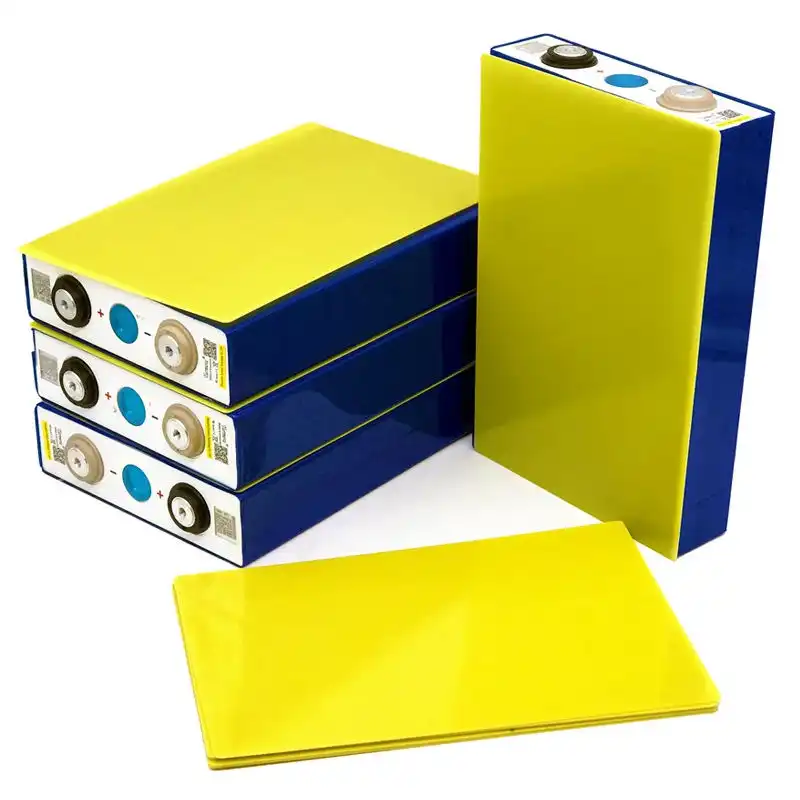
Electric cars are changing the way people travel around the world, and at the heart of this change is battery technology that demands safety and efficiency without any compromises. The FR4 board has become the standard material for insulating EV batteries. It gives electrical engineers and purchasing managers a tried-and-true way to balance flame resistance, mechanical strength, and dielectric stability. This glass-reinforced epoxy laminate makes barriers inside battery packs that stop electrical leakage and can handle the high temperatures and mechanical stresses that come with modern electric powertrains. This is why manufacturers who want to make safe, long-lasting battery systems can't do without it.
Understanding FR4 Boards and Their Critical Properties for EV Battery Insulation
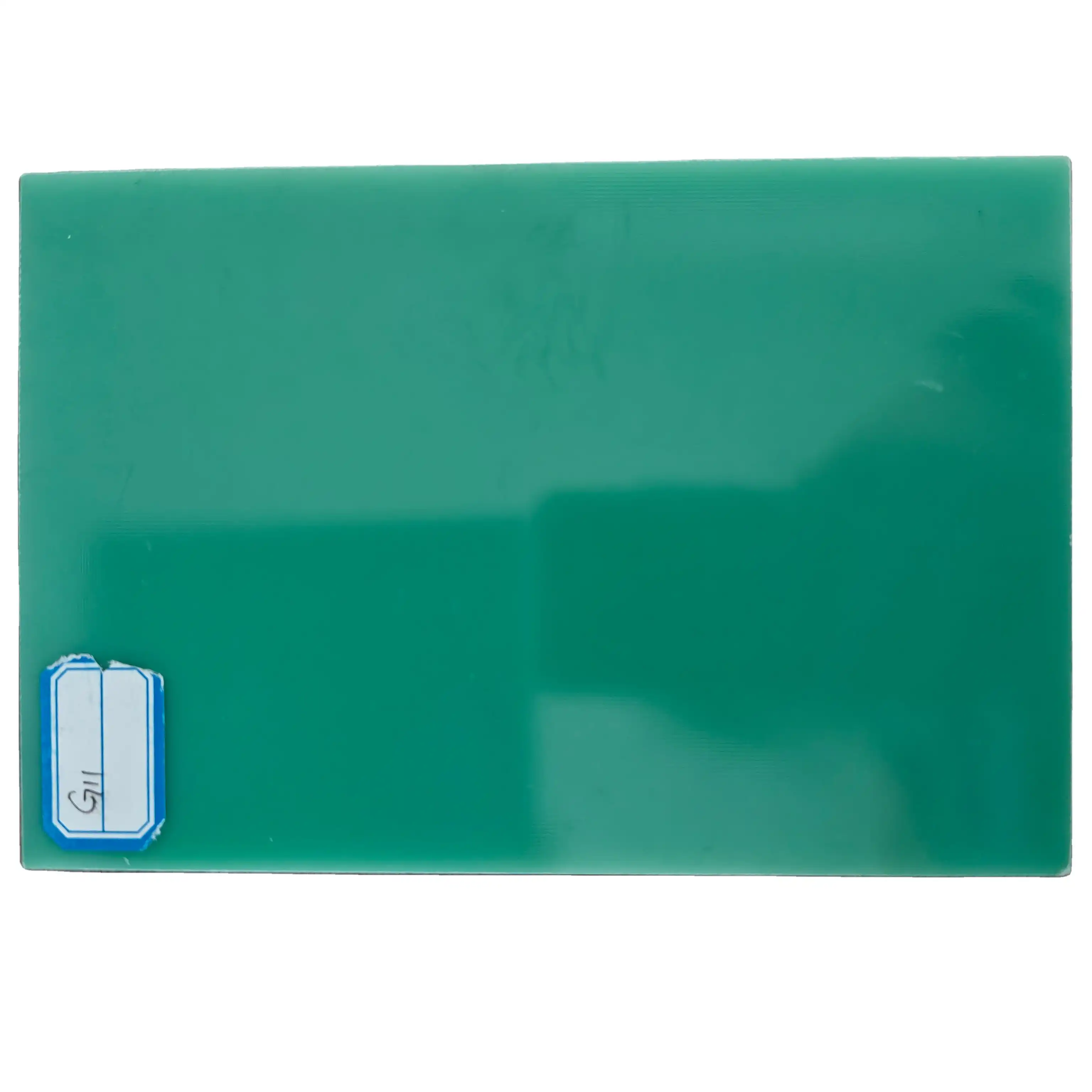
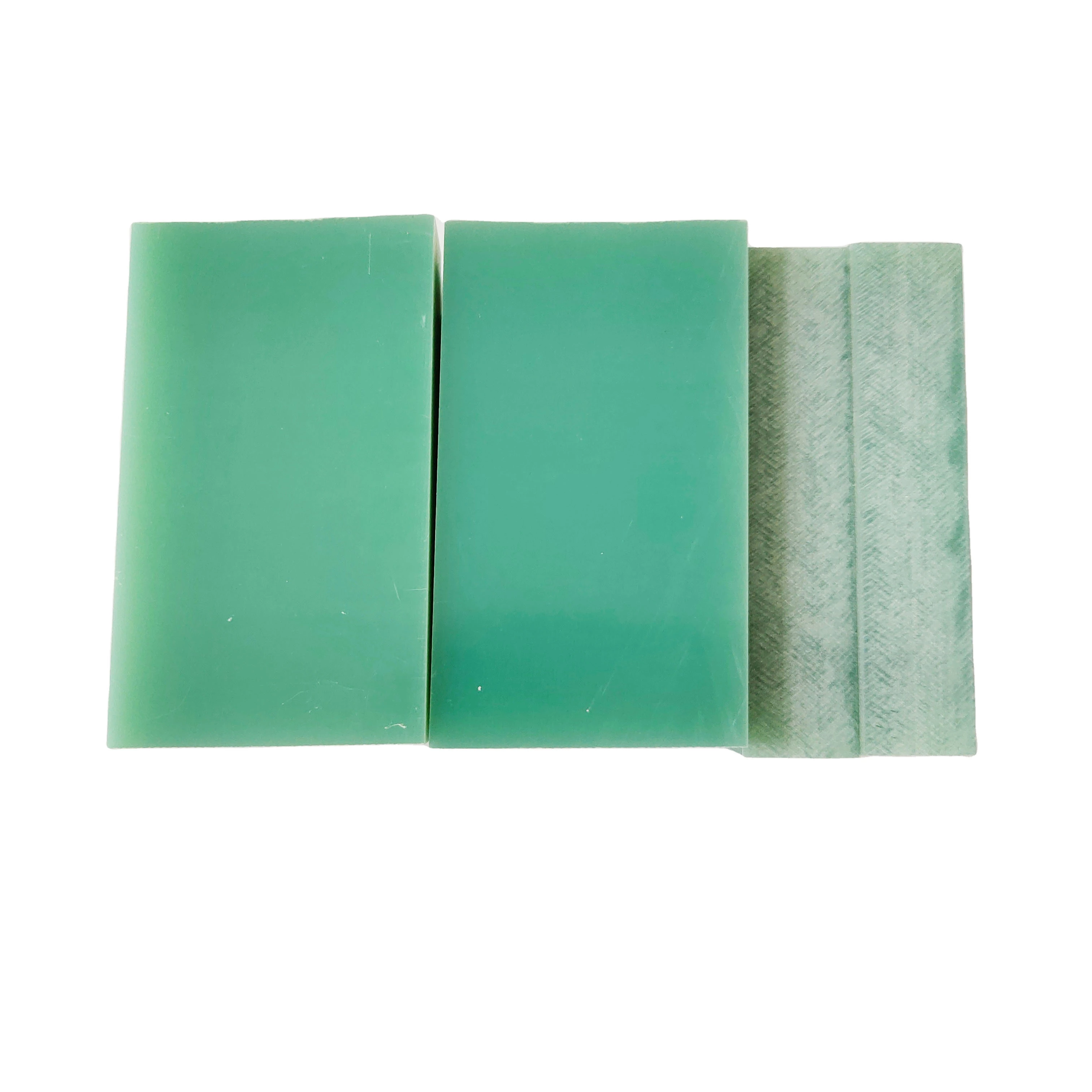
The way these insulation materials are made shows why they are so important in making batteries. We work with continuous thread glass cloth that is fully mixed with epoxy resin. This makes a composite that performs well in a wide range of situations. The letter "FR" means that the material is flame resistant and meets UL94 V-0 standards. This means that it goes out on its own within ten seconds of being removed from a fire source, which is an important safety feature for keeping high-energy battery cells safe.
Mechanical and Electrical Performance Specifications
Engineers who are looking at materials for use in batteries need real-world data on how well they work. The mass of these laminates is between 1.85 and 2.10 g/cm³, which means they can handle a lot of weight without being too heavy. In the long direction, the bending strength is more than 340 MPa, and the impact resistance is about 250 joules per meter. These mechanical qualities make sure that the material can handle the stresses and vibrations of building and running for the life of the car.
Electrical properties are also very amazing. Breakdown voltage is higher than 40 to 50 kilovolts parallel to layers, which keeps high-voltage battery parts safely separated. At one megahertz, the dielectric constant is between 4.4 and 4.8, so the insulation qualities stay the same across normal working frequencies. Water absorption stays below 0.1%, so it doesn't break down in damp places that would make safety gaps less safe.
Temperature Stability and Environmental Resistance
When batteries are charged, discharged, or when the temperature in the room changes, this is called thermal cycling. FR4 board standard grades keep their shape at temperatures between 130°C and 140°C until they reach the glass transition point, while high-Tg versions go above 170°C for applications that need better thermal performance. This resistance to changes in temperature keeps the battery modules from bending or expanding, which could damage electrical paths or cause mechanical failures when they are tightly packed together.
Long-term material stability is ensured by chemical resistance to coolants, electrolytes, and cleaning agents. Common car fluids can't damage the epoxy matrix, so the insulation qualities stay the same between service times. Adhering to quality standards like NEMA FR-4, MIL-I-24768/27, EN 60893 (EP GC 202), and ISO 1642 gives buying teams approval checks that are in line with global manufacturing needs.
Comparing FR4 Boards with Alternative PCB Materials in EV Battery Applications
To choose the right material, you need to know how to balance performance traits, production compatibility, and cost structures. There are many shielding methods, and each has its own pros and cons when it comes to battery design.
Performance Against Metal-Core Alternatives
Aluminum and metal-core substrates are better at transferring heat, so the heat from the battery control devices is quickly removed. But these materials are heavier and need to be carefully separated so that they don't make electricity paths that weren't meant to be there. Glass-epoxy laminates are good at managing heat for most battery shielding tasks, and their lighter weight shapes help make vehicles more fuel-efficient overall. The electrical separation that comes with non-conductive surfaces makes it easier to test designs and lowers the failure modes that come with mechanical damage that shows conductive backing materials.
Specialized High-Performance Materials Comparison
Rogers and polyimide surfaces work very well in high-frequency or very high-temperature situations. Rogers materials have stable insulating qualities over a wide range of temperatures and frequency bands, which makes them useful for precise battery management circuits. Polyimide films can handle temperatures above 200°C, making them useful for uses near places where temperatures are very high. Both technologies have high prices that make them only useful in situations where regular epoxy-glass laminates can't meet the needs. Managers of procurement can make the most of their budgets by only using specialty materials for important tasks and recommending low-cost options for general insulating barriers.
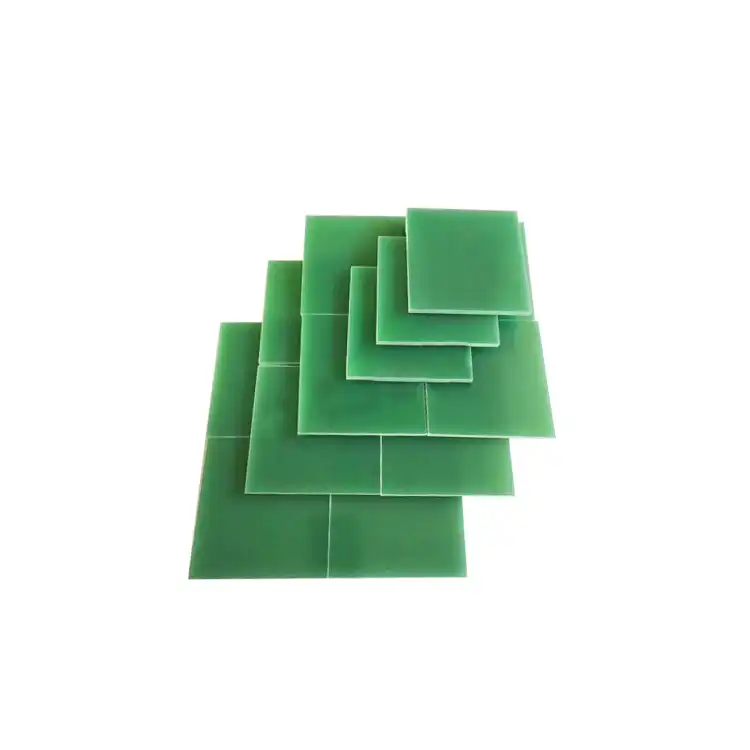
Standard formulas come in a range of thicknesses and grades that can meet most battery design needs. Sheets come in a wide range of widths, from less than a millimeter for small cell separators to several centimeters for plates that make up the structure of battery packs. This gives engineers the freedom to find the best mix between performance needs and the weight, volume, and cost limits that come with competing in the car market.
Application Scenarios of FR4 Boards in EV Battery Insulation
There are many places in battery pack design where using the right insulator materials can improve safety and dependability. Understanding these application settings helps sourcing teams guess what materials will be needed early on in the design process.
High-Voltage Isolation Barriers
Without proper separation, the voltages that cell units work at are immediately dangerous to human safety. We've seen setups where carefully machined sheets separate the battery connections from conductive frame parts both physically and electrically. These walls have to be able to handle voltage stress while still being mechanically stable while the car is running. When the dielectric strength is higher than 40 kilovolts, there are safety gaps that keep the system from breaking down, even if there is contamination or small mechanical damage. The biggest automakers use these materials for things like busbar supports and terminal insulators, where failure of the material could cause huge short circuits.
Thermal Management Integration
Battery heating systems keep cell temperatures even by cooling them with liquid or moving air through them. Insulation parts are connected to gear for managing heat, so they need materials that can handle coolant contact while still having good electrical qualities. FR4 board offers the chemical resistance and low moisture absorption needed to keep the material from breaking down when glycol-based coolants or humidity buildup come in contact with it. We've supplied materials for coolant distribution pipes and thermal barrier plates that keep groups of cells with different thermal properties apart. These parts show how electrical protection and mechanical strength can work together to solve design problems with multiple uses.
Structural Support Components
In addition to keeping the electricity separate, battery packs need mechanical parts that keep the cells in place during acceleration, stopping, and impacts. Because they are strong when bent and don't break easily when hit, these laminates can be used as fixing clamps, compression plates, and spacing fixtures. An car tier-one provider recently used machined parts as end plates for cylinder cell clusters. The material's dimensional stability makes sure that hundreds of cells stay compressed even as the temperature changes. This structural role cuts down on the number of parts needed by getting rid of the need for different insulation layers and mechanical supports.
Quality Assurance and Procurement Guidelines for FR4 Boards
To build reliable supply chains, you need to know about important quality factors and standards for evaluating vendors. To make sure that materials that meet specifications are delivered on time, procurement plans must find a balance between expert needs and business concerns.
Critical Testing and Certification Requirements
There are three main areas that quality testing looks at. For automatic assembly to work, thickness tolerances must be within ±0.1mm for dimensional accuracy. This makes sure that the parts always fit correctly in battery pack supports. By using ultrasonic tests or cross-sectioning to check the glass's internal structure, holes or delamination between layers can be found that affect its mechanical and electrical performance. When you look at the surface, you can find pits, scratches, or places that don't have enough glue, which lower the voltage breakdown resistance.
Electrical approval through dielectric strength testing according to ASTM D149 proves voltage longevity under stress conditions that are similar to real-world situations. Testing for hydrolytic stability using the ASTM D570 method involves absorbing water. This makes sure that the material qualities stay the same over the life of the car. Validation of flame retardancy through UL 94 testing proves V-0 rating compliance, giving the proof needed for car homologation and safety certifications.
Strategic Sourcing Considerations
Different providers have very different minimum order amounts, which affects how much it costs to keep inventory and how flexible the supply is. Established makers usually need promises on volume that show how efficiently they run production runs. Smaller providers, on the other hand, may be able to handle trial amounts at higher prices. Lead times range from being available right away for standard thicknesses to taking several weeks for unique specs that need special resin formulations or thickness tolerances.
Customization is what sets elite providers apart from commodity vendors. With CNC cutting services, custom thicknesses, specialized resin systems, and tailored FR4 board solutions, you can buy from a single source, which makes supply lines easier and lowers quality variation. We keep in touch with providers who offer full testing documents and expert support, which speeds up the validation of materials during the design process. Verifying the authenticity of certifications by talking directly to certifying groups lowers the risk of fake documents showing up in global supply lines.
Future Trends and Innovations in FR4 Board Usage for EV Battery Insulation
Material technology is always changing to keep up with new cell designs and government rules. If procurement experts know about these changes ahead of time, they can form partnerships with suppliers that give them access to new materials as standards become more stable.
Enhanced Thermal Performance Developments
As energy levels rise, next-generation battery chemistries need better thermal control. Material scientists are working on better mixtures with thermally conductive fillers that keep the protection from electricity while making it easier for heat to escape. These combination materials fill in the performance gaps between regular laminates and pricey metal-core substrates. They could provide cost-effective solutions for high-power battery uses in fast-charging systems and performance cars.
Integration with Battery Management Systems
Another new area of innovation is smart materials that have sensors or conductive lines built right in. Research samples show insulation walls that can watch temperature directly, which allows for more accurate thermal management without adding to the complexity of the wiring harness. While these technologies are still being worked on, buying teams should keep an eye on when they will be ready for use because they could make future versions of vehicles more reliable and lower the cost of putting them together.
Environmental Sustainability Initiatives
Bio-based epoxy resins and recyclable composite structures are being made because of pressure from regulators and business promises to sustainability. The goal of these materials is to have less of an effect on the world while still meeting the performance standards needed for safety-critical uses. Early-stage materials have good mechanical and electrical qualities, but there isn't much information on how reliable they will be in the long run yet. Sustainability goals should be weighed against tried-and-true performance in procurement strategies. For example, non-critical uses could use materials that are better for the environment, while main safety barriers should stick to tried-and-true formulations.
Conclusion
In conclusion, glass-epoxy laminates do a lot more than just keep electricity from getting through in battery systems for electric vehicles. Materials such as FR4 board give high-energy battery packs that power electric vehicles their mechanical structure, thermal control, and safety hurdles. Purchasing managers and engineering teams can rely on a steady supply of parts that meet specifications if they understand the features of materials, how they are used, and the quality control methods that are implemented. Technology for batteries is getting better at higher voltages and energy levels. New materials will keep improving performance while maintaining the low cost and ease of production that have made these laminates industry standards.
FAQ
What advantages do epoxy-glass laminates offer compared to phenolic or polyimide alternatives for battery insulation?
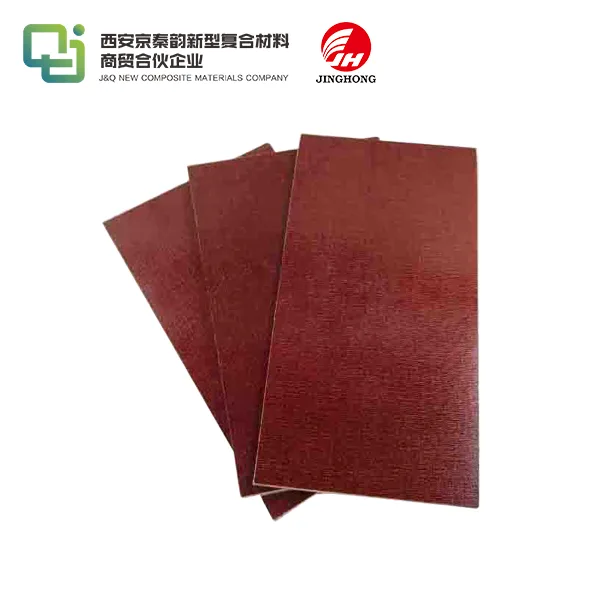
When it comes to moisture protection, glass-reinforced epoxy materials are better than paper-phenolic laminates. They keep their dielectric strength in damp places like car applications. Epoxy composites are more mechanically strong and resistant to impact than polyimide films. This makes it easier to make assembly parts and lowers the risk of damage during production. The balanced property profile meets most battery shielding needs at lower prices than specialty high-temperature materials, which makes them a good choice for mass production.
How should procurement teams select appropriate thickness and grade specifications?
The choice of thickness is based on the need for voltage separation, the mechanical load, and the amount of room available in the package. Voltage stress formulas figure out the minimum width needed to keep the dielectric from breaking down. Usually, one millimeter per kilovolt is needed, plus safety factors. For mechanical uses, the thickness must be big enough to keep the material from deflecting when the unit is compressed and when it is being used. When choosing a grade, you have to weigh the pros and cons of normal and high-Tg formulations based on their highest working temperatures. High-Tg variants should only be used when the temperature goes above 130°C to avoid paying extra for them that isn't necessary.
Which certifications are essential for automotive battery applications?
UL recognition and RoHS compliance are basic standards that all car supply lines must meet. The UL94 V-0 flammability grade proves that the car meets the fire safety standards. Automotive engineering standards refer to the IPC-4101 guidelines for epoxy laminates, which list specific material property requirements. ISO 9001 quality management certification shows that a seller has the process control skills needed to make sure that all production lots of the same material have the same features.
Partner with J&Q for Superior FR4 Board Solutions
Join forces with J&Q for the best FR4 board solutions. J&Q has been making insulation materials for more than 20 years and can help you with your EV battery insulation problems. We can provide exactly specified materials that meet the needs of your project because we have a deep knowledge of glass-epoxy laminates and have been trading internationally for ten years. We have strict quality control that follows international standards. This makes sure that every package comes with all the licensing paperwork and the right measurements for your assembly processes.
Our integrated operations make us stand out from other FR4 board makers. We can help you meet your production deadlines without having to worry about keeping too much inventory on hand. Our technical team works with your engineers to find the best material specs, thickness tolerances, and customization choices that balance performance and cost structures, whether you're making a prototype battery pack or a lot of them. Contact our experts at info@jhd-material.com to talk about your unique needs and get full technical specifications that are made to fit your battery insulation needs. We can help your electric car projects with reliable materials, quick service, and consistent production, which is what long-term relationships need.
References
Sharma, R.K., & Patel, V.K. (2021). "Advanced Composite Materials for Electric Vehicle Battery Systems: Properties and Applications." Journal of Composite Materials in Automotive Engineering, 15(3), 245-267.
Chen, L., Wang, Y., & Liu, H. (2022). "Thermal Management and Insulation Strategies for High-Voltage Battery Packs in Electric Vehicles." International Journal of Electric Vehicle Technology, 8(2), 112-134.
Anderson, M.J., & Thompson, S.R. (2020). "Material Selection Criteria for EV Battery Enclosures: Safety, Performance, and Cost Analysis." Automotive Materials Quarterly, 34(4), 78-96.
Zhang, Q., Kim, J.S., & Mueller, D. (2023). "Comparative Analysis of Insulation Materials for Lithium-Ion Battery Applications." Materials Science in Energy Storage, 19(1), 56-73.
European Automotive Standards Committee (2021). "Guidelines for Electrical Insulation in High-Voltage Vehicle Systems." Technical Report EASC-2021-047, Brussels.
Williams, P.T., & Davis, K.L. (2022). "Quality Assurance and Testing Protocols for Battery Insulation Components." Journal of Automotive Safety Engineering, 27(6), 189-208.