Selecting Epoxy Sheets: A Buyer's Step-by-Step Guide
2026-06-16 17:10:23
To choose the right epoxy sheet, you need to know both how to buy it and how to use scientific information. When looking for FR4 boards for making PCBs, G10 laminates for high-voltage insulation, or Epgc308 materials for transformers, it's important to know what the material's main qualities are and how they fit with your needs. If you don't, you could end up with expensive specification mismatches. We've helped hundreds of engineering managers and procurement teams make this choice, and this guide takes that 20-year experience and turns it into steps that can be used right away to solve problems in electrical insulation, mechanical strengthening, and thermal management.
Understanding Epoxy Sheets and Their Industrial Applications
Epoxy-based laminates are a type of thermosetting material that is made by adding epoxy glue to woven glass cloth and controlling the heat and pressure. The science behind these epoxy sheets includes connecting epoxy molecules with hardeners to make a rigid three-dimensional network of polymers that can't be bent, broken chemically, or electrically. This chemical structure is better than phenolic and polyester options because it is better at resisting moisture and staying strong at high and low temperatures.
Core Material Variants and Their Specific Uses
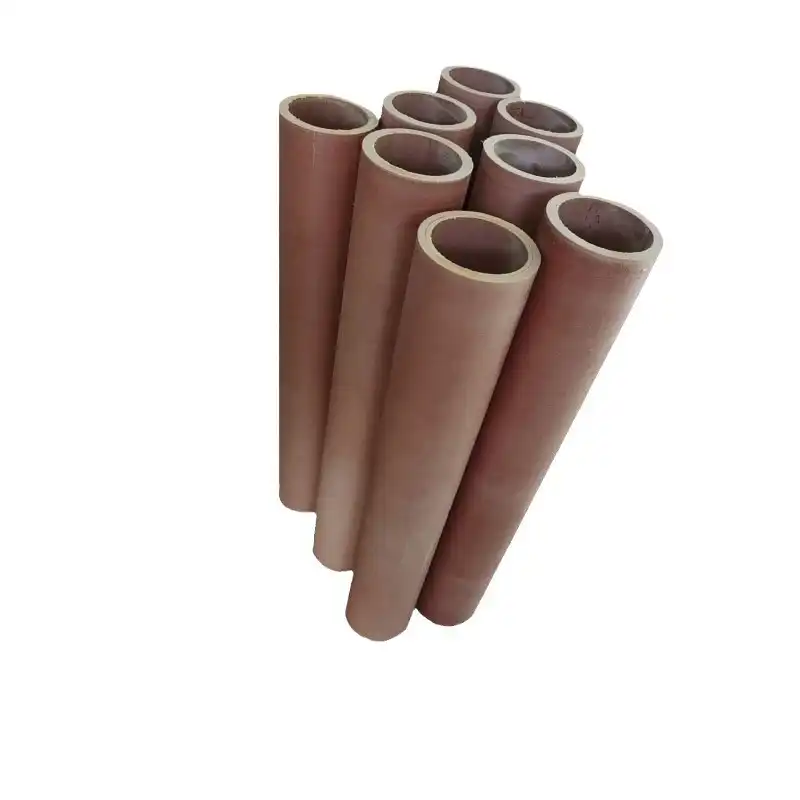
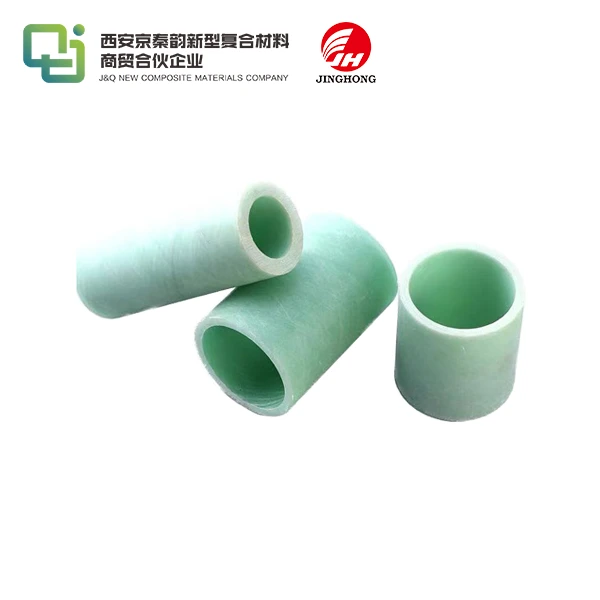
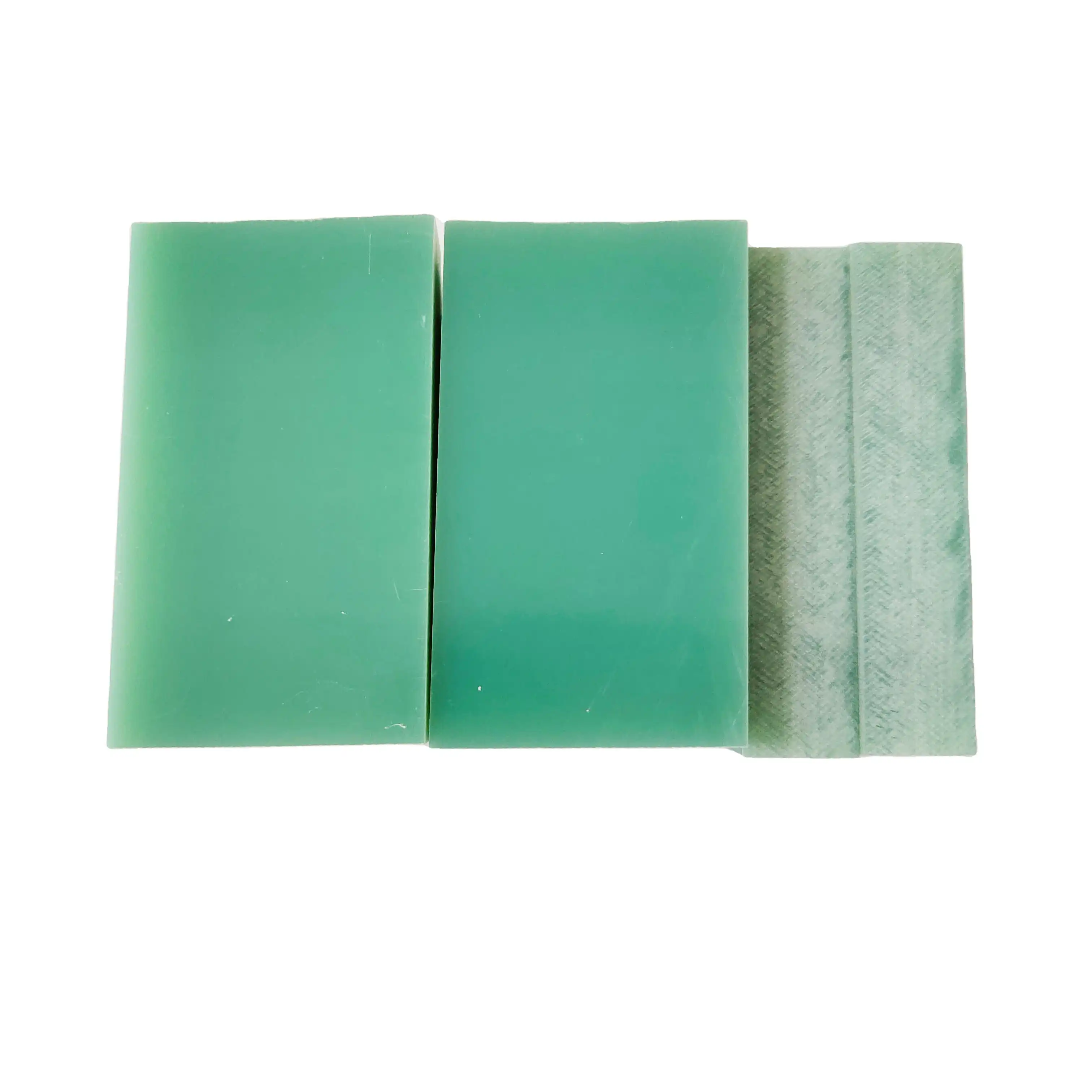
Different grades are used for different business tasks. Because it meets UL94 V-0 standards for flame resistance, FR4 epoxy sheet is still the world standard for printed circuit board surfaces. The brominated chemicals in FR4 versions make them self-extinguishing, which is an important safety feature for electronics. G10 has similar mechanical qualities, but it doesn't have any flame retardants. This means that it can be used in structural uses where fire codes allow and where saving money is important. The Epgc308 grade is designed to insulate high-temperature motors and transformers while keeping their structural integrity at temperatures up to 180°C.
Chemical Composition and Performance Advantages
The glass support gives the material a tensile strength of more than 340 MPa while keeping its shape when it's under load. Transformer oils, hydraulic fluids, and most industrial agents can't damage epoxy resin structures. Water absorption rates below 0.15% keep the dielectric properties fixed in tropical or sea settings that are humid and wet, where phenolic paper laminates would break down. The glue is hydrophobic because its molecules don't have any hydrophilic groups that would normally attract water molecules.
When you look at these materials next to polyurethane or polyester options, you can see where their efficiency ends. Polyester resins are less expensive, but they shrink more when they dry and don't hold their power as well at high temperatures. Polyurethane systems are flexible, but they aren't hard enough to be used for structure insulation. When buying teams understand these trade-offs, they can better match the material's powers to the stress profiles of the application.
Key Criteria for Selecting the Right Epoxy Sheets
The first step in developing a specification is figuring out what practical requirements your application has for the material. Minimum dielectric strength values are set by electrical insulation standards. These values are usually tested perpendicular to the laminates in kV per millimeter thickness. For example, 10 kV/mm breakdown resistance might be needed for high-voltage busbar supports, but smaller limits are fine for low-voltage motor insulation. Comparative Tracking Index (CTI) is very important in places where surface pollution might make tracking tracks possible for these epoxy sheets.
Technical Parameters Aligned with Application Demands
Costs of machining and the fit of a unit are both affected by thickness limits. Commercial grades keep the thickness within ±10%, but better control is needed for precision uses. Electronics companies have had to throw out whole batches when differences in thickness mess up automatic assembly processes. By stating the required width range up front, production problems can be avoided later on.
Mechanical properties vary across businesses. For load-bearing spacers and gear uses, machinery makers put compressive strength first, while electronics manufacturers put CNC machinability and edge quality after routing operations at the top of their list of priorities. The glass transition temperature (Tg) shows when the mechanical qualities start to break down. Standard FR4 keeps working up to about 130°C, but high-Tg versions can handle temperatures up to 170°C and higher.
Compliance Standards and Certification Requirements
Regulatory compliance adds limits to material choice that can't be changed. RoHS rules limit the use of dangerous materials in electronics and need to be checked to make sure that epoxy mixtures don't contain any heavy metals or brominated flame retardants that aren't allowed. Chemicals that are registered under REACH have been found to meet European safety standards. UL recognition is a third-party confirmation of electrical and flammability qualities. For power equipment uses, insurance companies often require this.
Any qualification, no matter what industry it is in, is valid. For aerospace uses, it may be necessary to meet NEMA G11 standards and show that the material properties stay the same at high temperatures. Manufacturers of transformers say that their products must meet the requirements of IEC 60893 or DIN 7735, which set limits for electrical, mechanical, and heat performance. Instead of finding compliance gaps during customer checks, procurement teams should ask for certification documents when evaluating suppliers.
Procurement Strategies: Sourcing Epoxy Sheets Efficiently
When choosing a supplier, it's not just about price; professional skills and the stability of the supply chain are also important. Companies that have been around for a while use the same glue formulas and process controls to make sure that each batch of the epoxy sheet is the same, which is important for keeping production stable. We've seen buying choices that were based only on unit cost lead to inconsistent quality that needed expensive rework or failures in the field that hurt relationships with customers.
Evaluating Supplier Capabilities and Credentials
Check the infrastructure for making things by doing site checks or getting third-party certifications like ISO 9001 quality management systems. Suppliers who handle everything from making the resin to laminating it in the end have more control over the factors that affect the quality of the product than middlemen who buy from different mills. Lead times and freight costs are affected by how close two locations are to each other, but local sourcing can sometimes command higher prices than foreign options.
The ability to provide technical help is what sets strategic partners apart from commodity providers. Collaboration between engineers when choosing materials keeps design mistakes from showing up during production trials. Customization services, such as precise drilling, turning, and cutting, get rid of the need for your facility to do extra work. We offer these extra services because we have in-house CNC machining centers that keep tight limits on sizes even when making a lot of things.
Sustainability factors are becoming more important. Eco-friendly epoxy recipes use bio-based resins instead of parts made from petroleum, which lowers their carbon footprints without affecting their performance. Certifications like ISO 14001 environmental management systems show that a provider is dedicated to lowering the environmental effect of production by cutting down on waste and making energy use more efficient.
Application Best Practices to Maximize Epoxy Sheet Performance
Using the right tools and methods to handle and process materials will bring out the best in epoxy sheets. Even if the material is fixed, the way it is stored is important; controlling humidity stops moisture absorption that could damage the insulating properties. Copper-clad laminates that are waiting to be made into PCBs can keep their surface properties if they are stored at temperatures below 25°C and relative humidity below 60%.
Machining Techniques for Optimal Results
The glass support makes the machining conditions rough, which wears down normal high-speed steel tools quickly. Carbide cutting tools keep their edges sharp during production runs, and diamond-coated bits give precise jobs a better surface finish. Feed rates and spindle speeds need to be tweaked so that cut edges don't delaminate or too much friction causes heat damage. As long as there is enough dust clearance, workers will be safe from fiberglass particles that are classified as lung irritants by OSHA.
Specialized methods are needed during drilling to avoid interlayer cracks or resin smearing, which lowers the quality of the hole. During peck drilling processes, chips are occasionally taken out. This keeps heat from building up and softening resin matrices. Backing plates hold up the material during breakthrough, which gets rid of the exit burrs that make assembly work harder. Before committing to production material, we suggest making test cuts on sample pieces to make sure the specs are correct.
Surface preparation before gluing or coating affects how long the adhesive will last. Using aluminum oxide paper for light scratching makes mechanical bonding happen without taking away too much material. Cleaning with solvents gets rid of machine oils and other surface impurities that stop glue from sticking properly. In some situations, plasma treatment or chemical removal can improve the bonding strength by raising the surface energy.
Making the Final Decision: Matching Buyer Needs with Product Features
Decision frameworks break down the many factors that affect epoxy sheet choice into review standards that are easier to understand. Companies that make electrical and computer goods put a lot of weight on dielectric strength and flame resistance. They are willing to pay more for materials to make sure they meet regulations and are reliable in the field. Builders of industrial machinery put a lot of weight on mechanical qualities and dimensional stability. If a material fails, it could stop equipment and cause production loses that are much higher than the cost of the component.
Industry-Specific Selection Priorities
Applications in the power sector need performance that has been tested under constant fault and heat stress conditions. Manufacturers of transformers only use materials that have been tested for flammability and temperature ranges and have been proven to be safe through rapid age tests. Arc resistance numbers tell you how a material will react to high-voltage tracking situations that are common in outdoor substations. Long-term buying partnerships with suppliers that provide confirmed test data shorten the time it takes to get new products approved.
Automotive component providers have to meet tight production plans while also meeting requests for weight reduction, thermal management, and cost goals. To insulate a battery pack, you need materials that can keep the dielectric structure through hundreds of charge-discharge cycles and stop electrolytes from getting through. Tier-1 supply chain managers look for suppliers who can deliver on time and support just-in-time manufacturing ideas without using safety stock gaps to hide supply problems.
In competitive customer markets, companies that make home appliances have to balance the need for efficiency with the need to keep costs low. Small differences in the cost of materials can have big effects on profits when they are used in large quantities. In order for fast supply cycles to match yearly production peaks, supplier inventory management systems must be able to adapt to changing demand trends.
After-Sales Support and Partnership Value
Technical cooperation happens throughout the whole span of a product, not just when the materials are first supplied. Design review services find ways to improve specifications that could make manufacturing easier or lower costs without affecting performance. Support for prototyping shortens the time it takes to develop new products by making it possible to make quick samples that test design ideas before spending money on tools.
Return policies and quality promises protect buyers from the costs of bad materials and delays in production. When problems develop, having clear terms that define accepted quality limits and dispute settlement processes keeps the relationship from getting tense. We keep detailed quality records that can be linked to individual production lots. This lets us quickly find the root cause of problems in the field when they need to be looked into.
Conclusion
When choosing the right epoxy sheet grades, you need to think about supplier skills, technical specs, and total cost over the lifecycle of your application. For successful procurement, it's important to set clear operating boundaries, compare materials to those needs, and work with suppliers who can provide expert help beyond just selling goods. Due to the complexity, it is worth spending money on thorough review methods that stop costly mistakes in specifications or problems in the supply chain. We've seen how methodical selection processes offer long-term value through steady performance and optimized costs over decades of working with a wide range of businesses.
FAQ
What distinguishes FR4 from standard G10 epoxy sheet?
Brominated flame retardants that meet UL94 V-0 self-extinguishing standards are added to FR4, but they are left out of G10 to save money in situations where fire rules allow it. In normal situations, the mechanical and electrical qualities of both types are the same. These days, many suppliers make dual-rated G10/FR4 materials that meet both requirements. However, for strict uses, flame test licenses need to be checked for each epoxy sheet.
Can epoxy laminates withstand outdoor environmental exposure?
When ultraviolet light stays on standard epoxy resins for a long time, it breaks them down, exposing the glass support and causing what is called "fiber bloom" on the surface. For outdoor use, UV-resistant paints or coats must be used to protect the base material. In marine settings, salt spray corrosion is a problem that affects metal bolts instead of the laminate itself, which keeps its features when it is sealed properly.
How do thickness tolerances affect machining operations?
When commercial-grade materials have thickness differences of ±10%, they can be hard to machine in large quantities because the tool depth settings can't handle such a wide range of differences. Precision grades with ±5% limits lower the amount of scrap and let you find the best cutting settings. Tight control over thickness is especially helpful in applications that use laminated parts because it makes sure that the compression is the same across bonded surfaces.
Partner with J&Q for Your Epoxy Sheet Requirements
J&Q has been making high-performance insulation materials for over twenty years, such as FR4, G10, and Epgc308 epoxy sheet types that meet international quality standards. Our combined operations combine knowledge of raw materials with precise fabrication skills. They are backed up by our own transportation infrastructure, which guarantees on-time deliveries. During the design process, engineering teams work together with clients and use technical knowledge they've gained in the automobile, electrical, power generation, and industrial machinery industries. Our quality management systems make sure that all of our products are the same, no matter how many are made. This is true whether you need standard grades or custom formulations. Get in touch with our team at info@jhd-material.com to talk about your unique needs with suppliers who know the technical requirements and sourcing problems your industry faces.
References
National Electrical Manufacturers Association. "Industrial Laminating Thermosetting Products: NEMA Standards Publication LI 1-1998." National Electrical Manufacturers Association, 1998.
Lubin, George. "Handbook of Composites: Epoxy Resins and Glass Fiber Reinforced Plastics." Van Nostrand Reinhold Company, 1982.
Harper, Charles A. "Electronic Materials and Processes Handbook." McGraw-Hill Professional, 2004.
Wypych, George. "Handbook of Material Weathering." ChemTec Publishing, 2018.
Mottram, J. Toby. "Mechanical Properties of Fibre-Reinforced Plastics at Cryogenic Temperatures." Composites Engineering Journal, vol. 4, no. 7, 1994, pp. 849-867.
International Electrotechnical Commission. "Specifications for Materials for Interconnection Structures: IEC 60893 Series Standards." International Electrotechnical Commission, 2015.