Phenolic Paper Board Supplier for Switchgear Industry - J&Q
2026-05-21 17:09:25
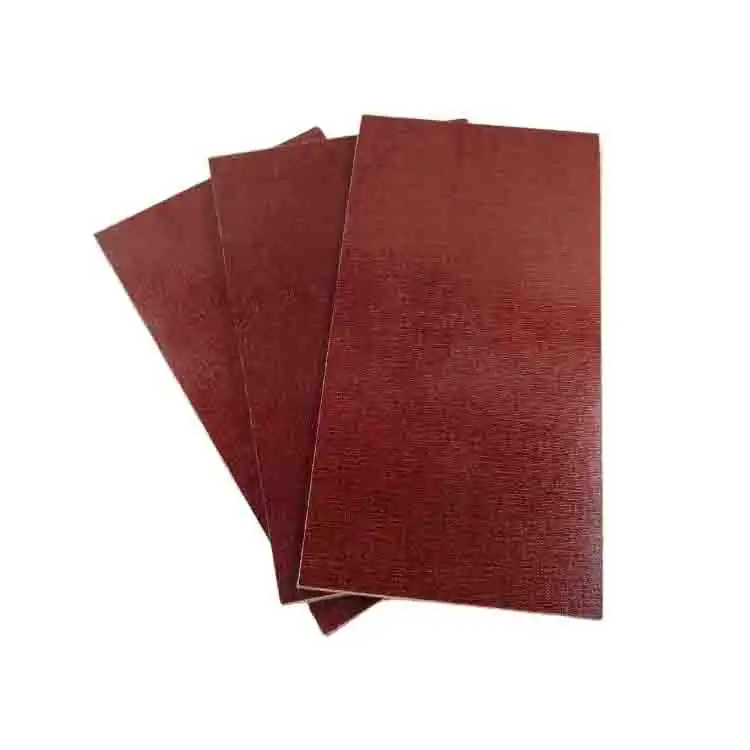
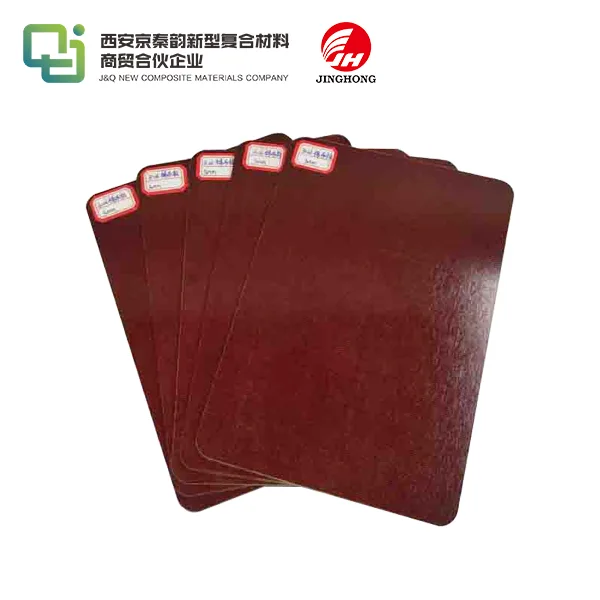
When companies that make switchgear look at shielding materials, phenolic paper board stands out as the best option because it matches electrical performance with ease of use. We've spent more than 20 years improving our production methods so that we can make NEMA-grade phenolic laminates that meet the strict requirements of high-voltage electrical infrastructure. Our paper-based phenolic boards are the main part of arc barriers, phase separators, and busbar supports, which are all parts that must have perfect dielectric stability. This material solves a problem that has been bothering the industry for a long time: making strong electrical insulation without giving up the ease of manufacturing that keeps production plans on track.
Understanding Phenolic Paper Board in the Switchgear Industry
Core Composition and Manufacturing Process
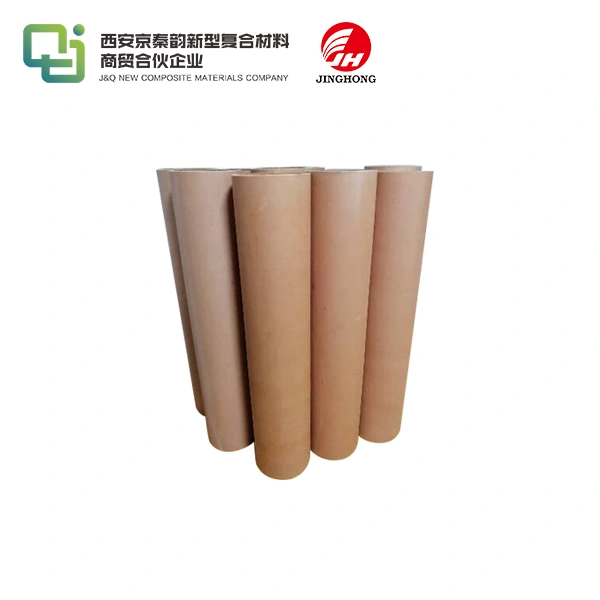
The controlled production process that makes phenolic paper board creates a thermosetting composite material. Before being squeezed at high temperatures and about 1000 psi of pressure, premium kraft paper is filled with phenolic resin. Through this melting process, separate layers of paper are joined together to make a hard, uniform structure. The difficulty of making has a direct effect on the end performance. For example, changes in the curing or resin penetration processes can weaken the dielectric strength. During curing, we keep the temperature uniformity within ±3°C to make sure that the accuracy of each batch, which is a key factor that engineering managers look at when deciding which sources to work with.
The density of the material is between 1.30 and 1.45 g/cm³, which is a good mix between weight and structural strength. This density profile makes the board a lot lighter than metal options while still keeping its shape when it's under mechanical stress. The phenolic resin matrix crosses links while it cures, making a three-dimensional polymer network that doesn't deform even when put through the compression forces that are common in switchgear systems.
Essential Electrical and Mechanical Properties
For switching uses, dielectric strength is the most important electrical property. When tested for short periods of time, NEMA XXX grade phenolic paper board usually have dielectric strengths above 500 V/mil, which is enough to keep people safe in high-voltage areas. This feature stops voltage breakdown across insulation boundaries, which is a type of failure that can cause damage to other parts of the system. The material's volume resistivity stays the same across working temperature ranges. This means that the insulation still works well when switchgear parts get hot during load cycles.
In the direction of the laminate, the board's tensile strength is more than 135 MPa. Because it can be compressed, the material can hold weights on busbars and resist magnetic forces that are created when there is a fault. When the material is used as a bearing surface or a moving part, the paper base adds natural lubrication that keeps it from wearing down. Chemical resistance to mineral oils and industrial acids makes sure that the product lasts a long time in places where transformer oils or cleaning agents are present.
Quality Control Standards
The performance guidelines that phenolic laminates must meet are set by ASTM D709 and IEC 60893. These rules set out how to test for things like water absorption, thickness limit (usually ±10% for normal grades), and thermal degradation. We test production batches for dielectric breakdown on a regular basis to make sure that the insulation performance meets the values that were stated. Consistency in thickness is important, especially for switchgear uses where stacked parts need to stay exactly spaced apart. Differences that are too big can affect electrical gaps or stop the assembly from going correctly.
Comparing Phenolic Paper Board with Alternative Materials
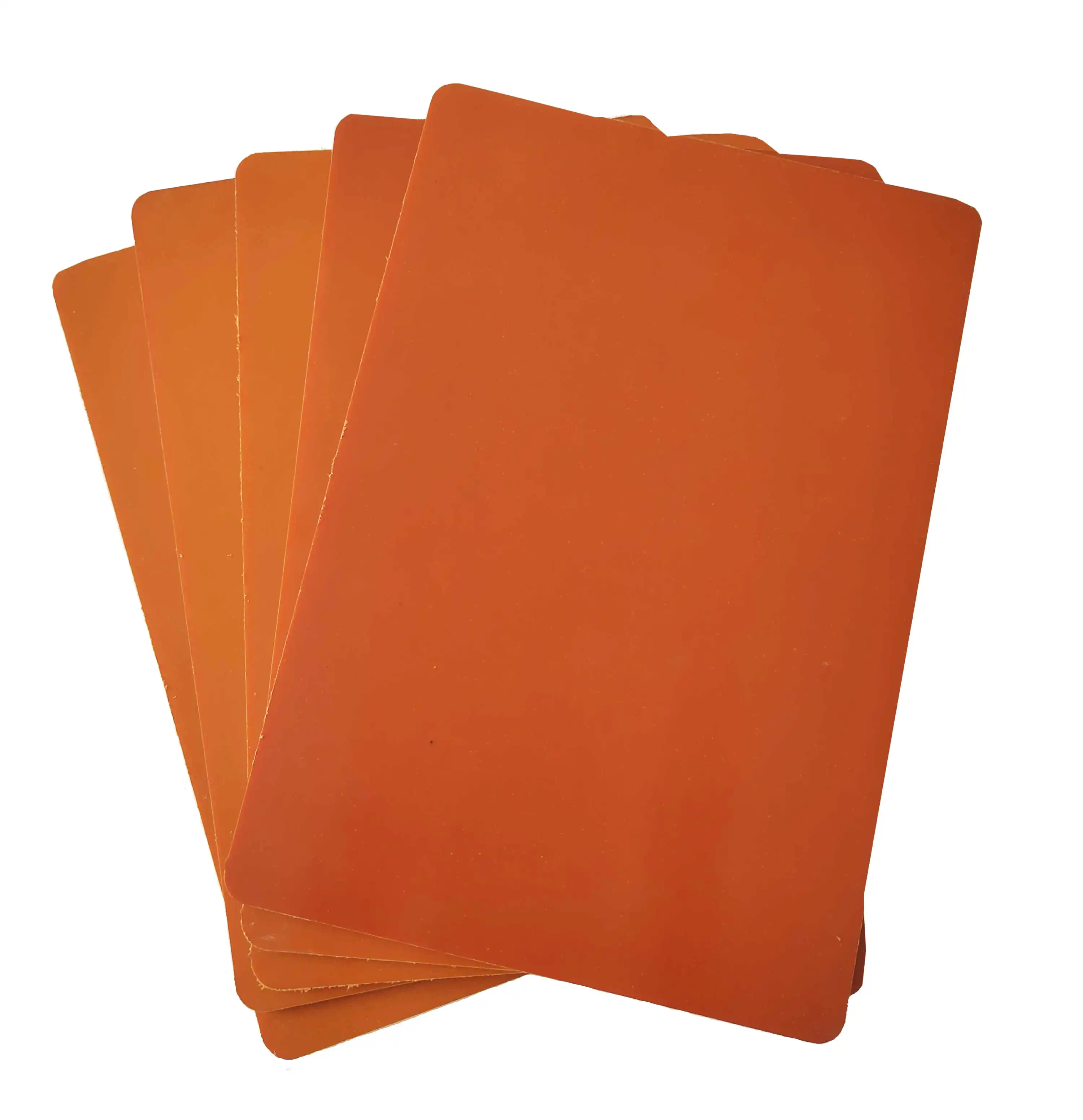
Before deciding on a final specification, switchgear makers often look at a number of different insulation material choices. Knowing how phenolic paper board stacks up against other options makes it clear when this type of material is the best value. The choice grid weighs the total cost of ownership, electrical performance, mechanical workability, and thermal limits.
Performance Against Common Alternatives
Plywood and Fiberboard: Regular wood pieces don't have the right electrical protection for parts that are powered up. When wood goods absorb water, they lose their shape and their insulating strength changes without warning. Phenolic paper board maintain their electrical performance the same even when the humidity changes, and NEMA XXX types are specially made to prevent moisture. The resin matrix in phenolic boards covers the paper fibers, stopping the wood from expanding and contracting like raw wood does.
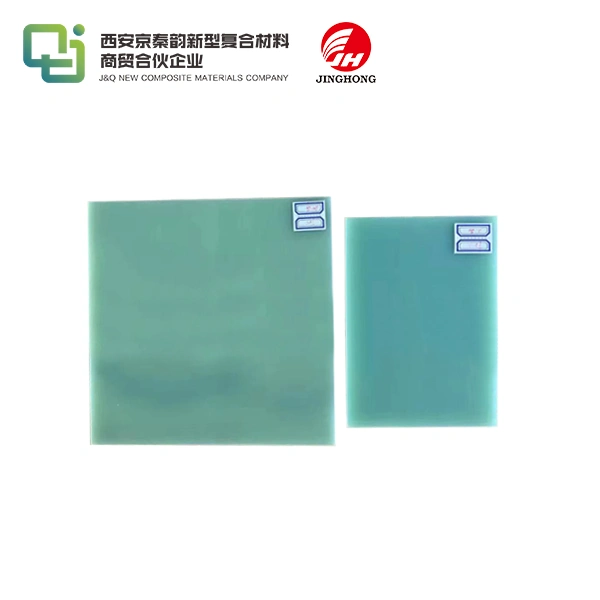
Epoxy Glass Laminates (FR-4): FR-4 is stronger mechanically and can withstand higher temperatures (Class F/H vs. Class E for phenolic), but it is harder to make. Glass-reinforced epoxy needs sharpened tools and makes rough dust when it is machined. It's easier to machine phenolic paper board made of paper because they can be hot-punched into complicated forms without delaminating. Because phenolic boards are easier to drill, they can be made faster and for less money. This makes them a good choice for high-volume production runs where high mechanical stress isn't the main design limit.
Melamine and Plastic Laminates: Decorative laminates care more about how the surface looks than how well it conducts electricity. The dielectric properties aren't good enough for switchgear, and their temperature stability usually doesn't go above 90°C for constant use. Phenolic paper board keep their shape at temperatures close to 120°C, so they can handle the heat that electrical loads produce without turning black or losing their ability to insulate.
When matched to certain circuit tasks, the benefits of choosing the right phenolic grade become clear. Mechanical-grade NEMA X works great in structure uses that aren't electrical and where saving money is important. Electrical-grade NEMA XX works with most indoor equipment, while NEMA XXX is for sites that are damp or outside where water entry is a risk. With these grade differences, buying teams can be very clear about the amount of performance they need, which keeps material costs from going up too much.
Why J&Q Is Your Preferred Phenolic Paper Board Supplier for Switchgear Industry
Industry Experience and Certification Credentials
Our factory has been running nonstop for more than twenty years, so we have a lot of process knowledge that makes our products reliable. During this time, we've seen how material science has changed and how production methods have been improved through thousands of runs. Along with RoHS and REACH compliance, we have UL approval (File No. E310670), which speeds up the process of qualifying vendors for your business. These certificates aren't just paperwork; they're proof that our products meet the safety and environmental standards that are used in markets across North America and Europe.
With more than ten years of experience in international trade, we've built relationships with international buying teams that want clear paperwork and reliable lead times. We know the rules that engineering managers have to follow, like how to keep track of finished boards and the raw materials that went into them on material data sheets that list flammability values.
Customization Capabilities for OEM Requirements
Different makers make switchgears with very different designs, so people need custom insulation parts instead of ones that come in standard sizes. We make phenolic paper board with thicknesses from 0.5 mm to 50 mm and width and length measurements that are specific to your parts. This customization goes beyond just cutting; we also offer CNC turning, drilling patterns, and edge finishing so that you get parts that are ready to install instead of raw sheets that need extra work.
During the planning part, our technical team works with you and helps you choose materials based on your needs for electrical clearance and mechanical load conditions. This discussion method helps avoid design errors that only show up when testing the prototype. We keep samples in stock so that they can be quickly evaluated. Within 48 hours, we can ship material pieces so that your engineering team can test fit and performance before committing to production numbers.
Quality Control and Help with Technology
Coordinate measuring tools are used to check the sizes of every production batch. This makes sure that the width is the same across the whole sheet. We test the dielectric strength of typical samples and write down the breakdown voltage values. These values are then added to the material certification that goes with your package. If problems happen in the field, this paperwork makes it possible to find the root cause and tell the difference between material flaws and application stresses.
Our expert help goes beyond just completing orders. When engineers ask questions, they get answers from people who know how to use equipment, not from general customer service reps. We've helped clients figure out problems with their machines by suggesting feed rates and tool shapes that prevent burrs from forming and by giving them advice on how to store their tools so that they don't bend in places where the humidity changes.
Procurement Guide: How to Buy Phenolic Paper Board from J&Q
Ordering Procedures and Minimum Quantities
We can handle both orders for prototypes to make sure the design works and orders for large quantities to keep manufacturing plans on track. The smallest amount you can buy depends on how customized it is. For example, standard thickness sheets in popular sizes have smaller minimums than fully made parts with tight tolerances. This gives you the freedom to find trial numbers without having to commit to large amounts of goods that would put a strain on your working capital.
A simplified quote method is used for custom size fabrication. Send an email to info@jhd-material.com with your size requirements, expected number, and any unusual machining needs. Within one business day, our team gets back to you with pricing information, wait time figures, and answers to any questions you have about tolerances or surface finish expectations. Depending on the complexity of the order and the current depth of the production queue, lead times are usually between two and four weeks. However, there are options for faster delivery if project deadlines get squished out of the blue.
Pricing Models and Volume Efficiency
Material prices depend on the type of raw materials used, how hard the process is, and how many items are ordered. Because they need to be tested for moisture protection and have more glue than NEMA X, NEMA XXX grades cost more than NEMA X. We offer volume savings when certain amounts are met. This is because we know that bigger orders help us make things more efficiently by letting machines run for longer periods of time and requiring less setup time. We make our prices clear by breaking down the costs of materials and machining services into different items. This way, you can see what factors affect costs and make changes to your specs to reflect that.
Logistics and Packaging Standards
Our integrated operations make transport easier to places in the United States and other countries. We work with freight companies that know how to handle industrial materials, and we make sure that the materials are properly packed so that the edges don't get damaged during transport. Sheets are shipped on boxes with protective interleaving, and machined parts are sent in special crating that keeps them from moving and scratches them. International packages come with all the paperwork needed to clear customs, like Harmonized System numbers and country-of-origin certificates that speed up the process.
The fact that paper-based laminates absorb water is taken into account in packaging guidelines. Moisture-barrier wrapping keeps boards safe during shipping and short-term storage, but as soon as you get the materials, you should move them to climate-controlled stores. Differential humidity absorption, which causes bending, can be avoided with simple weather controls if the items are stored correctly.
Key Advantages of Using Phenolic Paper Board in Switchgear
Superior Dielectric Performance in High-Voltage Environments
When used in circuits, phenolic paper board have technical benefits that go beyond their simple shielding role. Electrical safety, industrial efficiency, and long-term durability are all problems that these materials fix. Knowing these benefits helps make the choice of materials more logical during design reviews and budget planning.
Breakdown of voltage across shielding is a very bad way for switching systems to fail. Phenolic paper board have a constant insulating strength that keeps the space between live wires clear even as the equipment gets older. Tracking is the formation of electrical carbon tracks due to surface arcing. The material's resistance to tracking stops the insulation from slowly breaking down. This trait makes tools last longer, which delays the need to buy new capital.
Arc resistance tests according to ASTM D495 shows that phenolic materials can handle surface arcing without breaking right away. This gives safety devices time to stop fault currents. This robustness is especially important in switchgear applications where voltage spikes can happen quickly during switching operations or when there is an outside problem.
Thermal Stability and Heat Resistance
Continuous usage temperatures of up to 120°C are well within the thermal range of normal phenolic grades. This range includes both the steady-state heating caused by resistive losses in busbars and contacts and the short-term temperature spikes that happen when the system is overloaded. At these temperatures, the material doesn't soften or change shape like most plastics insulators do, so electrical components stay in place mechanically.
Flammability levels meet UL 94 V-0 standards in the right grades, ensuring self-extinguishing properties that stop fires from spreading if electricity problems create sparks. For installations of electrical equipment, this safety feature is in line with building rules and insurance standards.
Machinability and Production Efficiency
Since phenolic paper board are easy to make, the prices of making them are also lower. With hot-punching, complicated shapes can be made in a single stroke, instead of having to be drilled and routed in several steps for harder materials. When you punch dies, you get clean edges that don't split like wood does or delamination like laminates that aren't glued down well.
This ability to be machined makes your manufacturing shop's tools last longer. Even during production runs, tool wear is still pretty low, especially when carbide or diamond-coated cutting edges are used. When the material is machined, it produces fine dust instead of fibrous chips, which makes dust collection systems easier to use. However, good airflow is still necessary for the health of the user.
Environmental Compliance and Sustainability
RoHS and REACH compliance makes sure that phenolic paper board don't add any banned substances to your goods, so they can still be sold in all regulatory areas. The paper foundation comes from cellulose resources that can be used again and again, making it a more environmentally friendly choice than plastics made from oil. Manufacturing methods have changed over time to lower the amount of volatile organic compound fumes that happen during curing. This is done to answer worries about health and safety in production sites and the environment.
As more companies look closely at their supplier lines as part of their sustainability efforts, these environmental qualifications become more important. Choosing materials that leave smaller environmental footprints without lowering performance can help companies meet their social responsibility goals while still meeting technical standards.
Conclusion
Phenolic paper board is still an important insulation material for switchgear makers who need to balance electrical performance with the needs of making the equipment. The material's insulating strength, temperature stability, and ability to be machined make it a good choice for designing high-voltage equipment. If you choose a supplier with documented quality methods and the ability to make changes, you can be sure that the goods you get will always meet your needs. We have been making NEMA-grade laminates for 20 years, and we have UL certification and full expert support, so you can trust us to be your trusted material partner. Understanding the needs of the application is key to choosing phenolic boards over other options. We have the knowledge to help you make that choice and the production accuracy to make it work.
FAQ
What thickness options does J&Q offer for switchgear applications?
We make phenolic paper board in a range of thicknesses, from 0.5 mm sheets that can be used as thin barriers to 50 mm plates that are used in high-stress structure uses. Depending on the need for electrical space and mechanical loads, switchgear usually uses widths between 3 mm and 25 mm. For precision assemblies where stacked parts need to stay exactly spaced apart, thickness tolerances as low as ±5% are offered instead of the usual ±10%. Based on your voltage values and physical limitations, our expert team can tell you what thickness is best.
How does phenolic paper board compare to standard plywood for electrical use?
Plywood doesn't have the electrical protection qualities that are needed for parts of switches that are powered up. Its ability to absorb water changes its size and causes dielectric performance to drop in unpredictable ways. Phenolic laminates keep their insulation values the same even when the humidity changes, and resin-sealed paper fibers stop water from getting into the laminates, which is what breaks down wood goods. Even though plywood is cheaper at first, phenolic paper board are better because they don't have the electrical safety risks and performance variations that come with wood-based materials.
Can J&Q supply custom sizes and specialized grades?
Of course. One of our main skills is custom size. We can make boards to your exact measurements, including CNC machining of holes, slots, and curves. We have a variety of NEMA-grade in stock so that you can find the right one for your needs. Grade X is for mechanical uses, Grade XX is for standard electrical protection, and Grade XXX is for high-voltage applications that can handle moisture. When choosing materials, our engineering team works together to make sure that the grade standards match your working environment and performance needs.
Get Started with J&Q as Your Phenolic Paper Board Supplier
Electrical experts and procurement specialists who need to find a reliable phenolic paper board manufacturer will find that our all-inclusive method makes the process easier. We mix approved production with quick expert support to make sure that the material specs match the needs of your switchgear. Email our team at info@jhd-material.com to get material samples, talk about special sizes, or get full quotes. Our streamlined transportation network quickly sends goods all over North America, and we have proof to back it up for quality system checks. You can get phenolic laminates from J&Q that are made for harsh electrical settings where insulation failure is not a choice.
References
National Electrical Manufacturers Association. (2019). NEMA Standards Publication LI 1-2019: Industrial Laminated Thermosetting Products. Rosslyn, VA: NEMA.
ASTM International. (2020). ASTM D709-20: Standard Specification for Laminated Thermosetting Materials. West Conshohocken, PA: ASTM International.
International Electrotechnical Commission. (2018). IEC 60893-3-3:2018: Insulating Materials - Industrial Rigid Laminated Sheets Based on Thermosetting Resins for Electrical Purposes - Part 3-3: Specifications for Individual Materials - Paper Reinforced Phenolic Resin. Geneva: IEC.
Underwriters Laboratories. (2021). UL 94: Standard for Safety of Flammability of Plastic Materials for Parts in Devices and Appliances. Northbrook, IL: UL LLC.
Harper, C.A. (Ed.). (2015). Handbook of Plastics Technologies: The Complete Guide to Properties and Performance (4th ed.). New York: McGraw-Hill Education.
Bhattacharya, S.K. (2009). Metal-Filled Polymers: Properties and Applications in Electrical Components. Boca Raton, FL: CRC Press.