CNC Processing Guide for 3240 Epoxy Sheet Materials
2026-05-21 17:09:29
When engineers and engineering managers look at insulation materials for precise electrical parts, they always have to deal with the same problem: keeping tight dimensional tolerances while combining mechanical reliability with electrical safety. The 3240 epoxy sheet meets this exact need with its special mix of weave glass cloth and epoxy phenolic resin, which gives it great dielectric strength and makes it easy to machine. This blog explains the important parts of CNC processing, choosing the right materials, and buying things so that you can get the best production results and dependability for your parts in tough industrial settings.
Understanding 3240 Epoxy Sheet: Properties and Technical Specifications
To do CNC cutting well, you need to first understand how this laminate works when it's under stress. This stuff is made of alkali-free glass cloth that has been mixed with epoxy glue and then cured under controlled heat and pressure to make a strong hybrid structure. The process of making it makes sure that the resin is spread out evenly throughout the glass weave. This keeps the weave from having weak spots that could affect its performance during service or cutting.
Core Material Composition and Structure
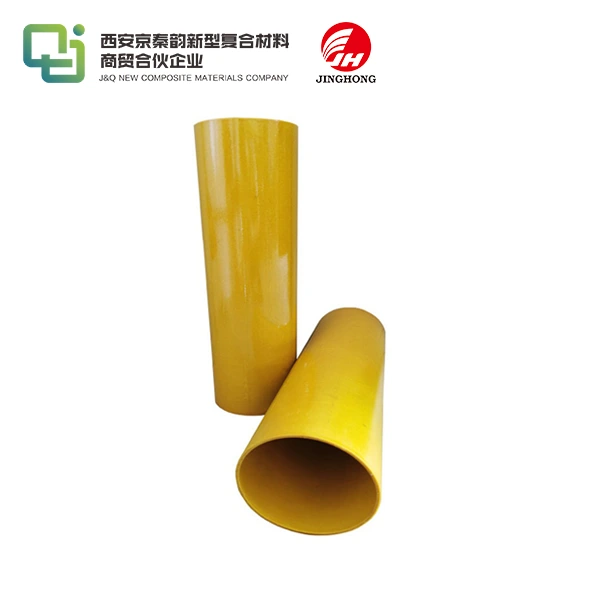
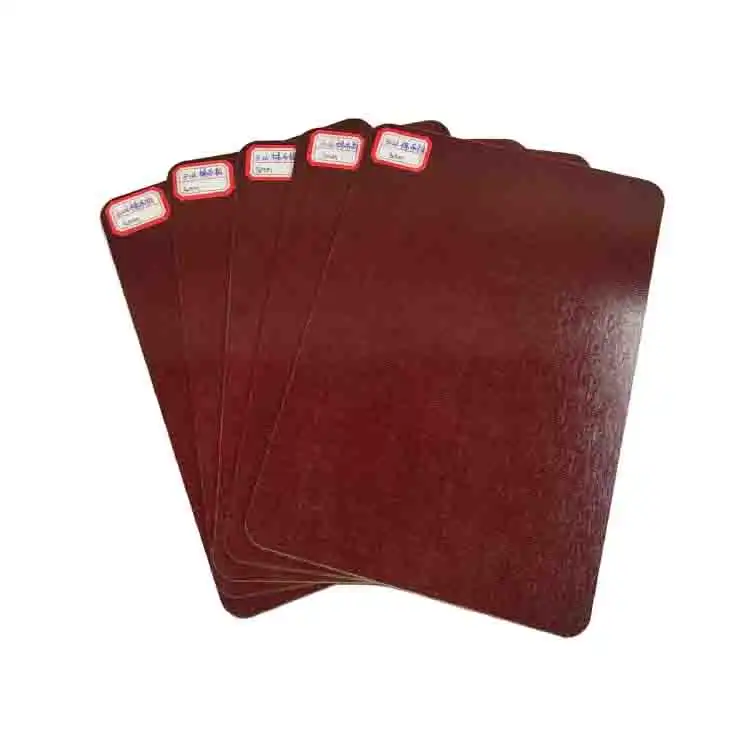
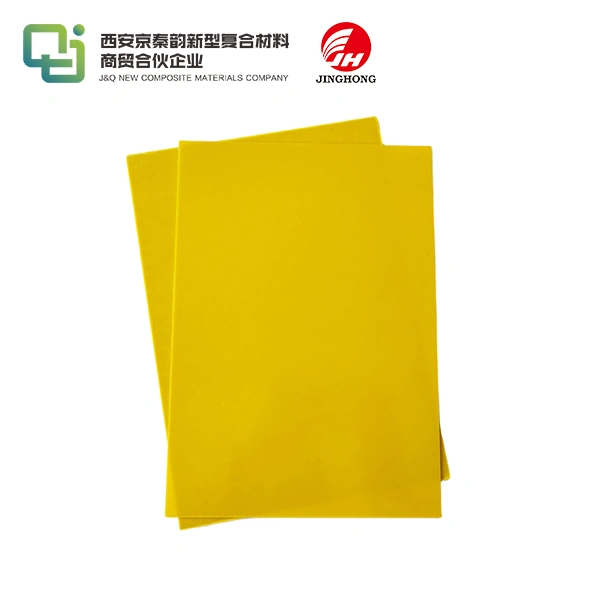
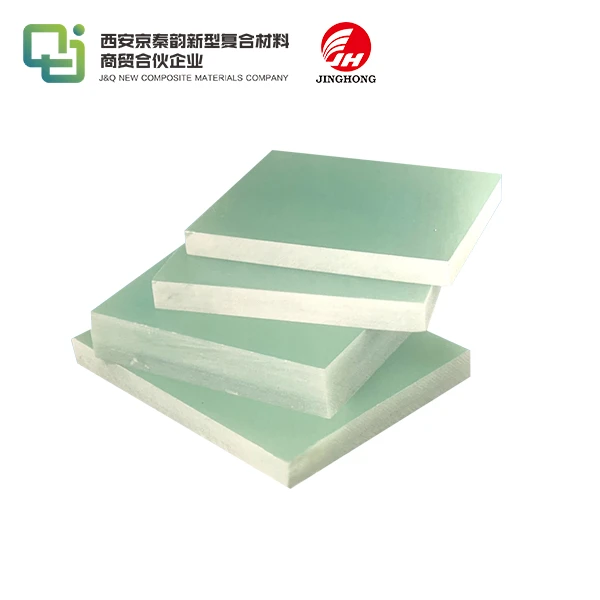
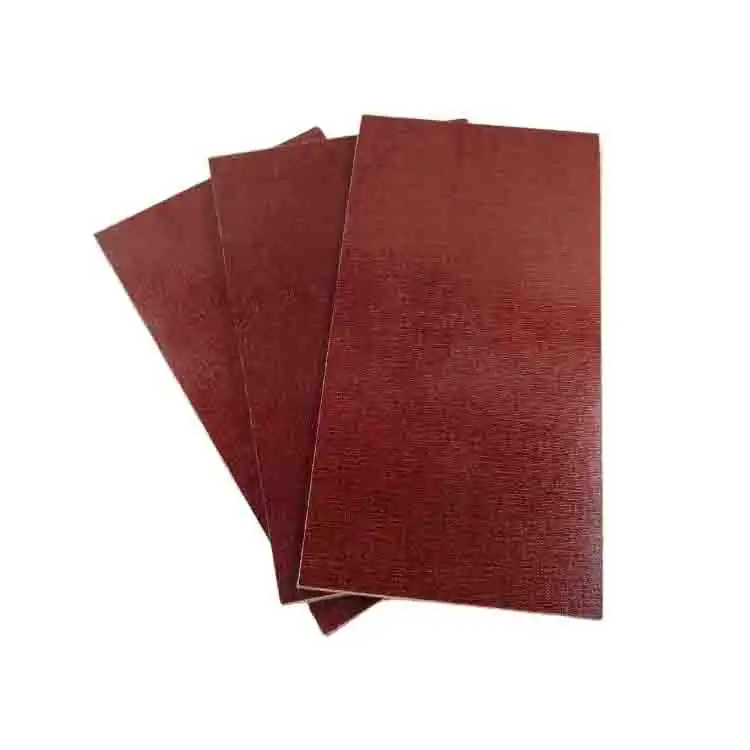
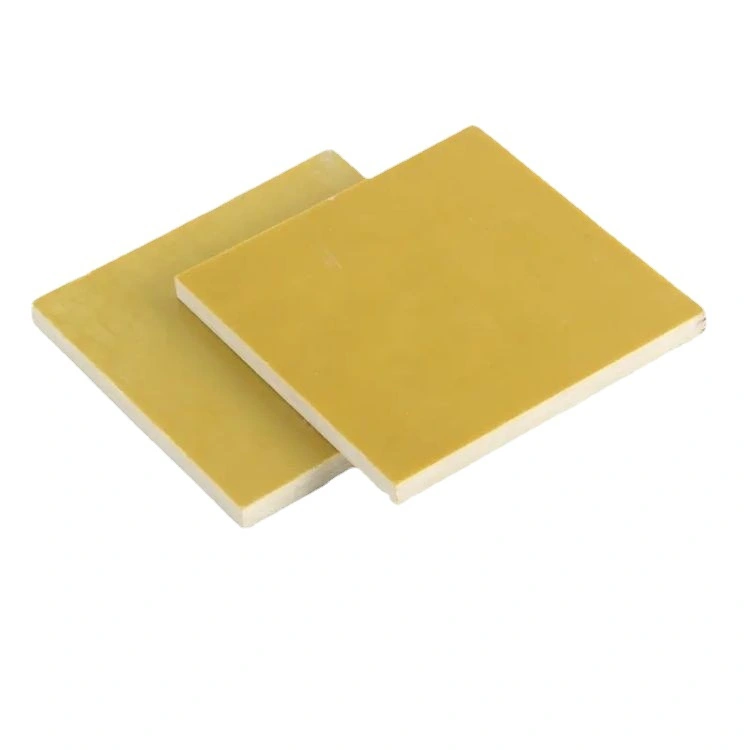
The base is made of glass cloth, which gives it tensile strength. The epoxy resin matrix holds the threads together and makes it resistant to chemicals. This mix creates a material that stays structurally sound when it is drilled, routed, or cut. Depending on the resin mixture, the laminate usually comes in yellow, green, or natural tones. Its thickness can range from 0.5mm to 150mm to meet the needs of a wide range of applications.
Quality standards are set by manufacturing norms. The 3240 epoxy sheet meets the requirements of GB/T 1303.1-1998 and IEC 60893-3-2, which means that all output runs will be the same. Surface quality standards don't allow any bubbles, pits, or wrinkles that could affect how well the electrical system works or how precisely the parts are machined.
Key Mechanical and Electrical Properties
One thing that makes a material unique is its dielectric strength, which lets it handle high energy without breaking. Because of this, it is essential for use in transformer insulation and switches where electrical failure could be dangerous. The low dielectric constant keeps the integrity of signals in PCB support structures and stops unwanted capacitance that could mess up the way a circuit works.
The thermal resistance is Class B, which means it can work continuously at temperatures up to 155°C. This feature is very important for motor parts and power distribution tools that have to produce heat. The material doesn't change shape when heated and cooled, so it keeps its shape, which is important for precision assemblies.
It has high flexural strength and shock protection, among other mechanical qualities. The weaving glass structure spreads stress out evenly, which stops cracks from spreading when parts are shaken or hit by a force. The volume resistance stays the same across a wide range of temperatures, which means that the insulation will always work well.
Typical Industrial Applications
This laminate is used by electrical companies to make PCB support frames, terminal blocks, and arc shields for circuit breakers. The flame resistance of the material meets UL94 V-0 standards, which is very important for fire safety in electrical boxes that are closed off. It is used by transformer makers for coil insulation and phase barriers where it has to be resistant to oil and stable at high temperatures.
The material is cut by industrial machinery builders into wear-resistant spacers, gear parts, and bearing plates that can handle being loaded mechanically over and over again. It is used in battery pack dividers and insulation pads in the car industry, where it has to work with both controlling temperature and keeping electricity from flowing. In high-volume production settings, makers of home appliances like how motor brackets and thermal separation frames strike a good mix between efficiency and cost-effectiveness.
CNC Processing of 3240 Epoxy Sheet: Best Practices and Techniques
When compared to metals or thermoplastics, epoxy glass laminates are harder to machine. Because glass fibers are rough, they speed up tool wear. Also, the heat that is created during cutting can soften the resin and lower the quality of the edge. Keeping these things under control is what separates good production runs from expensive repairs.
Recommended Cutting Tools and Parameters
When cutting abrasive materials, carbide tools with diamond finishes last longer. Geometry of the tool is very important. Cutting edges that are sharp and have positive rake angles lower cutting forces and heat buildup. Router bits made for composites have spiral holes that help chips escape quickly, avoiding material buildup that could damage the surface finish.
Speeds and feeds need to be carefully tweaked based on the width and type of work. For drilling activities, speeds between 3,000 and 6,000 RPM and modest feed rates work best to keep entry and exit points from delaminating. Routing works best between 8,000 and 12,000 RPM, but the exact numbers rely on the width of the tool and the depth of the cut. Conservative feed rates keep output high while preventing heat buildup.
Using coolants is essential for keeping temperatures down and keeping dust from settling. Air blast cooling works well for many tasks, but mist coolant systems are better for keeping things at the right temperature during long production runs. The cooling plan has to find a balance between controlling the temperature and keeping the 3240 epoxy sheet from absorbing water, which could temporarily change its shape.
Step-by-Step CNC Cutting Workflow
The first step in preparing materials is to check sheets for surface flaws and make sure that the width is the same all the way across the project. When you're machining, secure holding stops vibrations. To keep the surface from getting damaged, vacuum tables or mechanical clamps with safety pads work well. Programming tool paths with the right lead-in angles and ramp starts lowers the amount of stress at the places where cuts start.
Backing boards should be used in drilling operations to stop delamination on the exit side. Peck drilling cycles let chips fall out and keep deep holes from getting too hot. Climb milling usually makes cleaner edges than regular milling when handling complex shapes because there is less fiber pullout at the cutting edge.
Real-World Case Studies
After grinding, a quality review is done to check the accuracy of the dimensions and the finish on the surface. When you do an edge quality review, you look for things like delamination, fiber tearing, or resin charring that could mean that the parameters aren't ideal. Changing speeds, feeds, or tools based on inspection results makes a feedback loop that helps the process get better all the time.
By moving from high-speed steel to carbide tooling and putting in place mist coolant systems, a transformer maker cut the number of rejected parts from 12% to less than 2%. Because the edges were better, there was no need to fix arc barriers again, which cut the time it took to make each part by 35%.
One of the biggest suppliers to the auto industry found that lowering the spindle speed by 20% while keeping the feed rate the same improved the surface finish without affecting cycle time. This change increased the life of the tool by 40%, which cut down on costs for replacement parts and kept delivery dates.
Comparative Analysis: 3240 Epoxy Sheet vs Alternative Laminates
The choice of materials affects both the performance results and the cost of the job. Knowing how this laminate stacks up against other options makes it clear when it's the best choice and when other materials are better for certain needs.
Performance Comparison with FR4 and G10
The epoxy-glass structure of FR4 laminate is similar, but it has brominated flame retardants added to make it more fire resistant. For PCB uses, FR4 flame performance is better, but the 3240 epoxy sheet has better mechanical strength and works effectively at higher continuous temperatures. Because it's cheaper, 3240 is often better for structure insulation than FR4, even though FR4 has a higher premium flame rating.
G10 is FR4's cousin that doesn't contain bromine. It has great mechanical qualities and doesn't absorb water. In many situations, the speed difference between the G10 and the 3240 gets smaller, but the G10 usually costs more. For uses that care more about electrical shielding than mechanical loads, 3240 offers the same dielectric strength at a better price.
Phenolic and CEM-1 Material Comparisons
Phenolic paper laminates are less expensive, but they don't work as well electrically or keep their shape as well. Because they are sensitive to moisture, they can't be used in damp places where epoxy glass products keep their qualities. CEM-1 composite materials have layers of paper and glass in them. They are in the middle of phenolic and full glass laminates in terms of cost and effectiveness.
When it comes to function, the 3240 grade fills the gap between standard phenolic materials and high-end FR4 types. This puts it in a good spot for medium-voltage uses, industrial equipment, and home products where full FR4 specs are more than what is needed. The cost savings are appreciated by the procurement teams because they don't affect safety gaps or dependability.
Application-Specific Selection Criteria
High-voltage electrical equipment needs the highest insulating strength and tracking resistance, so FR4 or G10 is preferred even though it costs more. The qualities of the 3240 grade are perfect for medium-voltage switchgear and motor parts, and they also give you price freedom. For mechanical uses that value strength over electrical performance, phenolic cotton laminates might be a good choice, but they won't be able to handle high temperatures.
Material choice is greatly affected by environmental factors. Transformers that are submerged in oil need to be resistant to petroleum products, which is a strength of epoxy glass laminates. No matter what kind of plastic is used, sites outside that are exposed to UV light may need extra surface protection. When plastic systems are exposed to chemicals, they need to be tested to make sure they can handle certain cleaners or cleaning agents that are used in manufacturing.
Procurement Guide: How to Buy 3240 Epoxy Sheet for Your Business
There's more to finding good insulation materials than just checking prices. Strategic buying manages costs while ensuring the dependability and quality of the supply chain so that production can continue without interruption.
Identifying Reliable Manufacturers and Distributors
Suppliers with a good reputation keep quality systems that are written down and follow ISO 9001 guidelines. They give mill test results that say the electrical and mechanical properties are the same as what was released. Ask possible sellers about how they keep the quality of their products high. Random samples from production batches and tests by a third party show that they are dedicated to being consistent.
When modification is needed, manufacturing knowledge is important. Suppliers who have been making laminates for a long time know how the resin mixture and curing processes affect the finished qualities. This knowledge is useful when applications need to change certain properties or keep tight tolerances that aren't covered by normal offers.
Understanding Pricing Structures and MOQ Requirements
When making laminates, savings of scale are reflected in volume prices. Minimum order numbers are usually between 50 and 100 sheets, but some makers may be able to work with smaller amounts at a higher cost. When you buy 500 sheets or more of 3240 epoxy sheet, you get a big discount, so planning your inventory is an important way for people who buy a lot to keep track of their costs.
Certification Requirements and Quality Compliance
Prices depend on the thickness and finish of the surface. Many sellers have standard thicknesses in the range of 0.5mm to 50mm in stock, but unique thicknesses may need custom production runs with longer lead times. Tight thickness standards require more precision grinding, which raises the cost of processing but may get rid of other tasks that need to be done in your building.
UL recognition is a third-party confirmation of electrical and flame protection qualities. RoHS compliance makes sure that materials used in electronics sold in controlled markets follow environmental rules. During the quote process, ask for proof of certification to avoid delays when production plans get tight.
For some uses, being able to track back to specific production batches is necessary. Suppliers should give batch numbers and keep test data for future use if problems in the field need to be looked into. This paperwork is especially important in the power generation and car industries, where having good records is necessary to avoid being sued.
Shipping Considerations and Cost Optimization
Laminated sheets are shipped as over-sized items that need special treatment. Flatbed trucks with proper load locking are usually used for domestic operations to keep things from getting damaged during transport. When you ship more than 1,000 kg internationally, it's cheaper to use ocean freight, but the wait time can be longer, between 4 and 8 weeks based on the route and how long it takes to clear customs.
Good packaging keeps things in good shape while they're being shipped. Wooden boxes or heavy-duty cardboard wrapping with moisture shields keep edges from getting damaged and keep moisture out. Check shipments for damage as soon as they arrive before signing the delivery ticket. Claims for hidden damage are harder to settle after the carriers leave your site.
Building Trust with 3240 Epoxy Sheet Brands and Suppliers
Long-term ties with suppliers lower the risk of buying things and help with efforts to keep getting better. When you work with dependable manufacturers, you can be sure of stable prices, deliveries, and expert help.
Evaluating Brand Credibility Through Certifications
While ISO certifications show that quality management is systematic, they don't promise success on their own. Look at the audit results and records of remedy actions to see how providers handle nonconformances. A mindset of continuous growth separates producers who are reactive from partners who are committed to greatness.
Industry-specific licenses show that you know a lot about a certain subject. UL listing for electrical materials, IATF 16949 compliance for car parts, or aerospace AS9100 registration all show that providers know how to meet strict requirements that go beyond general industry standards. When your goods are used in regulated businesses, these qualifications lower the risk.
Authorized Distributors vs Third-Party Vendors
Authorized delivery networks get direct help from the factory, such as technical training and being given priority when supplies are low. They usually keep common configurations in stock so that they can be sent out quickly, and they keep in touch with maker tech teams to get help with applications. These value-added services are reflected in the prices charged through approved outlets.
When there is extra merchandise or parallel imports, third-party sellers may offer low prices. Cost cuts are appealing to buyers who are watching their pennies, but make sure the 3240 epoxy sheet items are real and that they have been stored properly. When laminates are stored incorrectly, they are exposed to air that can change their electrical properties before they are even machined.
Assessing Global OEM Suppliers for Long-Term Reliability
How well sellers can grow with your business depends on how much they can produce. When you can, visit factories to see how they make things, how they check the quality of their products, and how they keep track of their supplies. Suppliers who keep smart stockpiles of raw materials show that they are ready for changes in demand.
Communication response shows how providers will deal with problems when they happen, which they will. When getting quotes, look at how long it takes for suppliers to respond. Suppliers who give quick, detailed technical answers are likely to keep up that level of service throughout the relationship. Language skills and time zone covering affect how well foreign partnerships can communicate.
Conclusion
For CNC processing of epoxy glass laminates to go well, the right materials must be chosen, the machining settings must be optimized, and smart partnerships with suppliers must be formed. The technical features of the 3240 epoxy sheet make it useful for tough electrical and motor tasks in a wide range of fields, from making electricity to making cars. When engineers and buying teams know about composition, processing methods, and procurement strategies, they can make decisions that balance performance needs with cost limits. Quality suppliers do more than just provide resources; they also offer professional knowledge, a steady supply, and the ability to work together to solve problems, all of which are important for the long-term success of production.
FAQ
What maximum temperature can 3240 epoxy sheet withstand during CNC processing?
The material can constantly handle temps up to 155°C, but localized heating during machining can temporarily go above this level. When you cool things down the right way, the cutting areas stay below the temperatures that soften glue or cause thermal expansion, which can change the accuracy of the measurements. Checking the quality of the edges during production runs shows if the way heat is managed needs to be changed.
Can suppliers customize thickness and electrical properties for specific applications?
Precision grinding lets manufacturers change the width of laminates, and they can reach tolerances of ±0.1mm or tighter when required by specs. Electrical qualities depend on the type of resin used and the type of glass cloth used. Suppliers who can mix resins in-house can change the dielectric strength or tracking resistance as long as they stay within the limits of the material family. Due to setup costs, custom recipes usually need a minimum order size of 3240 epoxy sheet.
How does dielectric strength compare between 3240 grade and FR4 laminates?
Both materials have dielectric strengths greater than 10 kV/mm, which means they can be used in most medium-voltage situations. Because the resin is optimized for electrical performance, FR4 versions often get a little better value. When shielding systems are properly built and safety factors are taken into account, the difference between the two types of material doesn't matter much. A cost-benefit study should look at small changes in performance and prices.
Partner with J&Q for Reliable 3240 Epoxy Sheet Supply
J&Q has been making electrical insulation materials for more than 20 years and has both excellent production skills and full global shipping capabilities. Our stock of 3240 epoxy sheet includes normal widths ranging from 0.5 mm to 150 mm. We also offer customization services to meet your specific size and property needs. Technical advice is given to engineering teams on machining settings, choosing materials, and improving performance for particular applications. Our quality control systems make sure that we follow UL and RoHS rules, and our combined logistics network makes sure that you always get what you need, whether you need 50 sheets or 5,000. As a reliable manufacturer and supplier, we know that the choices you make about what to buy affect both the quality and efficiency of your production. Our quick expert help and consistent material quality lower risks all along your supply chain. Email our team at info@jhd-material.com to talk about your needs, ask for samples, or look into price models for large orders that fit your budget and production plans.
References
Zhang, L., Chen, M., & Wang, H. (2021). CNC Machining of Fiber-Reinforced Polymer Composites: Tool Wear and Surface Quality Analysis. Journal of Manufacturing Processes, 68, 412-428.
Thompson, R. E. (2020). Electrical Insulation Materials for High-Voltage Applications: Selection and Performance Criteria. IEEE Transactions on Dielectrics and Electrical Insulation, 27(3), 892-907.
Kumar, S., & Patel, D. (2022). Comparative Study of Epoxy-Glass Laminates in Industrial Applications: Mechanical and Thermal Properties. Composites Science and Technology, 218, 109156.
Anderson, J. M. (2019). Quality Control in Laminate Manufacturing: Standards, Testing, and Certification Requirements. Industrial Materials Handbook, 5th Edition. Materials Engineering Press.
Liu, Y., & Rodriguez, A. (2023). Optimization of Machining Parameters for Glass-Fiber Reinforced Polymers: A Systematic Review. International Journal of Advanced Manufacturing Technology, 124, 2341-2365.
Williams, P. T., & McKenzie, F. (2021). Procurement Strategies for Technical Materials in B2B Manufacturing: Risk Management and Supplier Evaluation. Supply Chain Management Review, 15(2), 54-71.