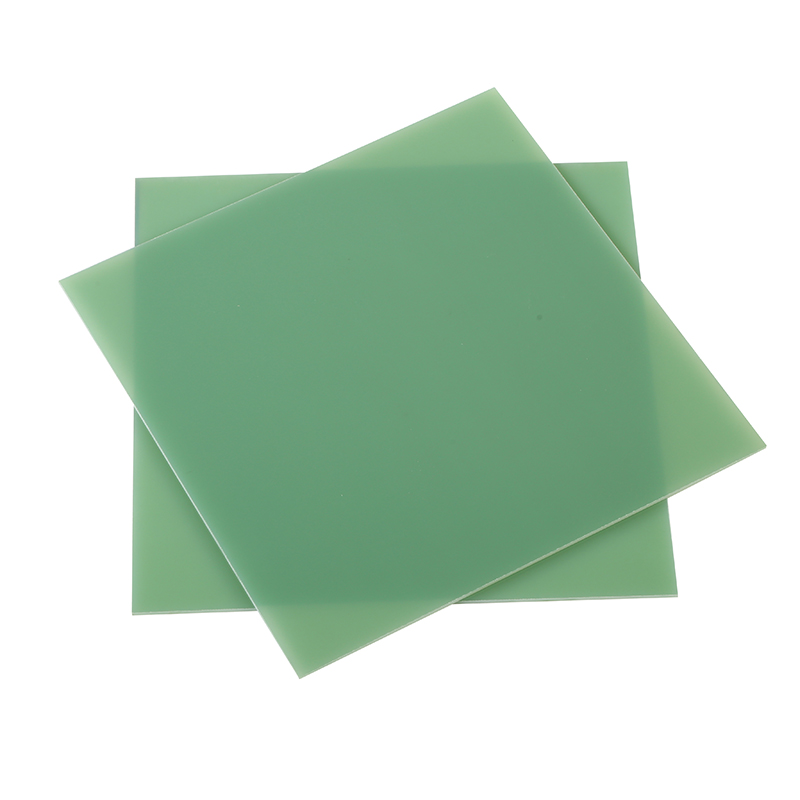
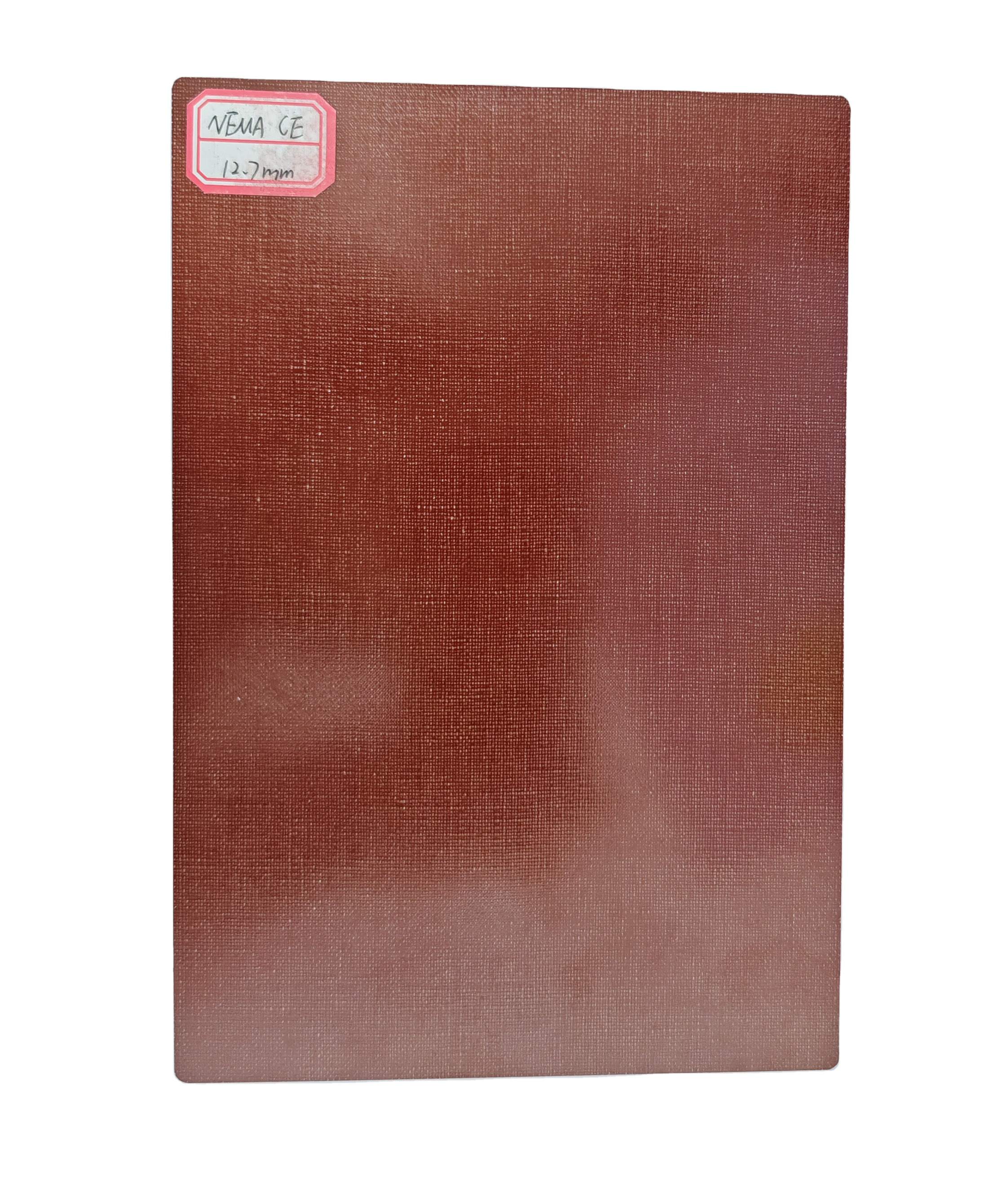
Flame Retardant FR4 Board for Electrical Insulation
2026-05-22 17:01:06
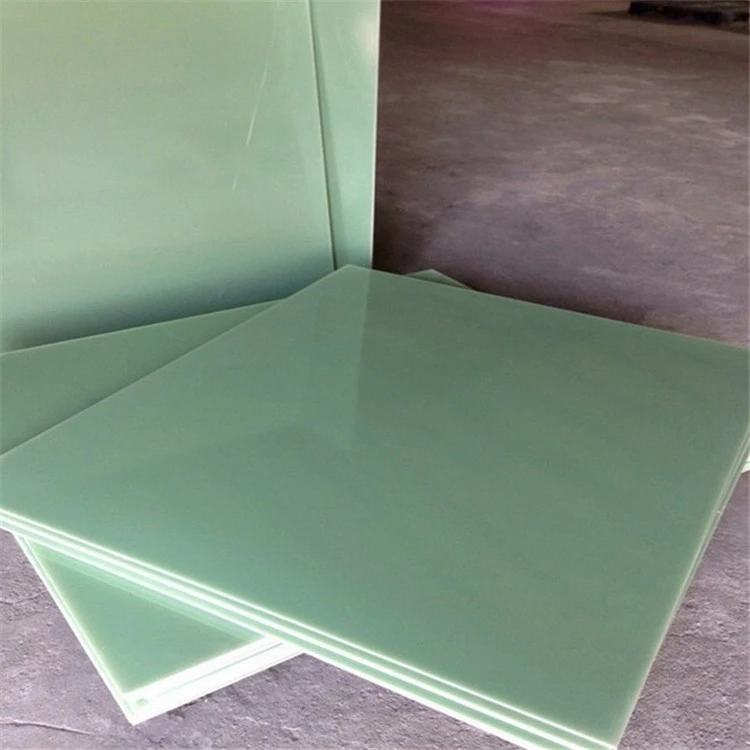
Flame-resistant FR4 board is a mainstay in electrical insulator projects because they offer safety, longevity, and performance all in one material. The FR4 board is a high-pressure thermosetting industrial laminate made of continuous filament glass cloth that is mixed with an epoxy resin binder. It meets the strict UL94 V-0 standard. This certification means that the material goes out on its own within 10 seconds of being taken away from an ignition source. This addresses important safety issues in the making of electronics and electrical goods. Many different types of industries have used the natural yellowish-green composite for over 40 years because it is the best in terms of electrical strength, mechanical stiffness, and dimensional stability.
Understanding Flame Retardant FR4 Boards: Properties and Specifications
Core Material Composition and Manufacturing Process
For FR4 board to be made, weaving fiberglass cloth and flame-resistant epoxy glue are layered together under high pressure and temperatures. During this thermosetting process, molecules cross-link, which holds the materials together permanently and makes a structure that is hard and solid at high temperatures. The glass threads give the material tensile strength and physical stability, and the epoxy matrix makes it stick together and keep electricity from flowing through it. The flame-retardant properties of FR4 board are different from those of regular G10 laminates because bromine chemicals are added to the resin during the molding process.
To make good products, you need to have exact control over the amounts of resin to glass, the curing temperatures, and the pressures. Each batch is tested to make sure it meets foreign standards, such as UL, RoHS, and ISO approvals. Over the past twenty years, we've improved these manufacturing procedures so that the materials always work the same way in each production run.
Critical Technical Specifications
FR4 board success in electrical insulation uses is based on a number of technical factors. For normal grades, the glass transition temperature (Tg) is usually between 130°C and 140°C. For harsh thermal conditions, high-Tg variants can hit 170°C or higher. In PCB uses, signal behavior can be predicted when the dielectric constant is between 4.2 and 4.8 at 1 MHz. The dielectric strength is higher than 30 kV/mm thickness, which keeps the electricity from breaking down when high voltage is applied.
It has mechanical qualities like a tensile strength above 310 MPa and a flexural strength above 415 MPa, which means it can hold structure loads without deflection. Even in high-humidity conditions, water absorption stays below 0.2%. This keeps the electrical qualities where moisture would damage other materials. Thickness limits of ±0.13 mm make sure that precision cutting and assembly work well together. These standards directly address the concerns of engineering managers who are looking at materials for insulating motor parts, switches, and transformer barriers.
Compliance and Quality Certifications
For B2B buying experts, meeting international safety standards is still a must. UL94 V-0 flame ratings for FR4 board show that they can put out fires themselves without drips of flame. RoHS compliance gets rid of dangerous materials like lead, mercury, and some brominated flame retardants, which is in line with US and global market environmental laws. Getting ISO 9001 approval for a production process shows that quality management is being done in a planned way.
IPC-4101 and other licenses list electrical-grade laminates for printed circuit boards, and NEMA standards list both mechanical and electrical grades. Our building keeps a lot of certification paperwork, which gives technical procurement teams the traceability and compliance checks they need during source audits.
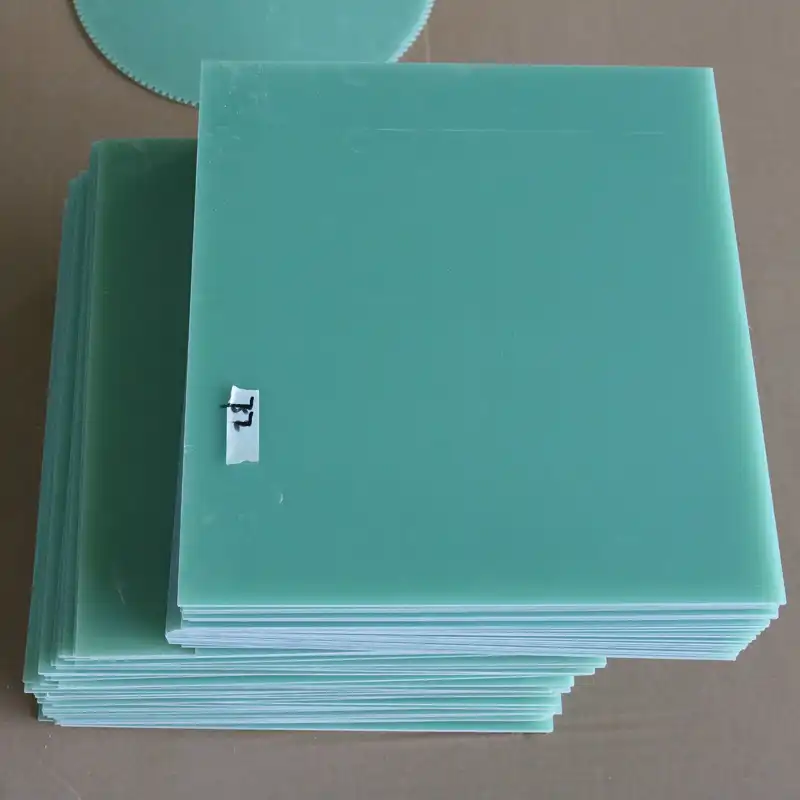
Comparing FR4 with Other PCB Substrate Materials for Electrical Insulation
FR4 Versus Phenolic Cotton Laminates
Phenolic cotton sheets, like 3025 grade materials, are cheaper than FR4 board, but they are less resistant to fire and don't work as well with electricity. In wet places, phenolic materials lose their insulating strength because they absorb water more quickly, up to 1.5%. The strongest grade for their flame protection is UL94 HB, which means they can't put out a fire on their own.
When mechanical engineers design structural insulation for industrial machinery, they often choose phenolic laminates for parts that won't break down, since electrical insulation isn't as important. Because epoxy-glass FR4 board is easier to work with and keep their shape better over time, they are the best choice for situations that need both electrical separation and mechanical strength while temperatures change. A cost-performance study shows that while phenolic materials are cheaper to buy at first, FR4 board is cheaper over their entire life because they last longer and break less often.
FR4 Compared to CEM1 and CEM3 Composites
CEM1 boards have a paper core and glass layers on top of it. They have average electrical qualities and are less expensive. It is better for through-hole durability than CEM1 because CEM3 products use non-woven glass instead of woven cloth. Compared to fully glass-reinforced FR4 board, both of these options are weaker mechanically and in terms of how well they handle heat. Flexural strength of CEM1 is usually only 60% of FR4 values, which limits its uses in places with a lot of stress.
Suppliers of automotive parts and tier-1 supply chain managers who are looking at battery pack hurdles are specifying FR4 board more and more, even though they cost more. Weaved glass construction allows for precise machining and stable group quality, which is important for automatic assembly processes that need consistent dimensional limits. Temperature stability in FR4 board keeps them from twisting during reflow soldering, which means that fewer boards are wasted during mass production compared to options made of paper.
High-Performance Alternatives: Rogers and Polyimide
Rogers laminates and polyimide films are used in high-tech electronics that need to be stable at very high temperatures or have their dielectric constants carefully controlled. Rogers materials are important for RF and microwave uses because their electrical qualities stay the same over a wide frequency range. Polyimide films can work continuously at temperatures above 250°C, which makes them useful for supporting flexible circuits in aircraft and electronics.
Because these high-end materials are three to ten times more expensive than regular FR4 board, they can only be used in situations where regular epoxy-glass laminates can't meet the performance standards. Power distribution companies and transformer makers say that FR4 board is good enough for most electrical setups because they protect against heat and arcs without costing as much as other, more advanced substrates. Flame-resistant epoxy laminates meet most of the needs for electrical insulation in a wide range of industry areas thanks to their balanced properties.
Procurement Guide: Sourcing Flame Retardant FR4 Boards for Global B2B Clients
Evaluating Supplier Capabilities and Reliability
A successful buying process starts with a careful evaluation of the provider that goes beyond price quotes. Manufacturing capacity, quality control systems, certification portfolios, and expert support skills are some of the most important things that are looked at when judging a company. Suppliers who make everything themselves, from mixing the resin to laminating the sheets, can better control the quality of their products than wholesalers who buy from a number of different makers. Minimum order quantities (MOQs) change a lot. Direct manufacturers usually have bigger MOQs, but they also offer better prices and more customization choices.
Lead times are usually between two and six weeks, but they depend on the thickness of the material, the size of the sheet, and any special instructions that are needed. Building ties with providers and keeping standard grades in stock makes it possible to get things delivered faster when needed right away. We keep a large stock of standard thicknesses ranging from 0.5 mm to 50 mm, so we can support both small trial orders and large production orders of FR4 board.
Understanding Pricing Structures and Cost Drivers
The price of a material depends on a number of factors, such as its thickness, sheet size, grade standards, order amount, and the state of the market. Custom-cut blanks or forms that need extra work to be made cost more per unit than standard FR4 board sheets in popular sizes. By making production more efficient and giving buyers more power to buy materials, volume agreements allow for better prices.
Thickness has a big effect on price—sheets thicker than 25 mm need longer drying times and special pressing tools, which raises the cost of production. When compared to standard-Tg formulas, high-Tg types have more expensive resin systems that raise the cost of materials by 15 to 30 percent. For foil laminating and surface treatment methods, copper-clad FR4 board for making PCBs costs more.
Having clear price systems that break down costs for things like materials, assembly, tests for certification, and shipping builds trust with procurement professionals. Our integrated logistics business handles everything from production to clearing customs and delivering the finished goods. This makes foreign buying easier and lowers the cost of landing.
Custom Fabrication and Technical Services
For many uses, electrical shielding needs parts that are made to order instead of raw sheet stock. FR4 board can be turned into finished parts with exact measurements using CNC turning, precision milling, water jet cutting, and laser making. As part of our manufacturing services, we can control the tolerances of precision tools and test equipment parts to within ±0.05 mm.
Surface techniques like drilling, tapping, countersinking, and edge beveling are part of custom services. Protective masking during cutting keeps areas that need to have high dielectric integrity from getting dirty. Technical talks during the planning phase help find problems with how the part might be made before investing in tools. This saves time and money when making complicated parts.
Sample programs let engineers test them before committing to production. Small examples can help technical sourcing teams figure out how the material works, whether it can be machined, and whether it is right for the job. This method for lowering risk is especially helpful when switching from other materials or checking out new sources in supply lines that are already in place.
Advantages and Applications of Flame Retardant FR4 Boards in Electrical Insulation
Key Performance Advantages
Because of their unique qualities, FR4 board meets a lot of important needs at once, making them useful in many situations. Knowing about these main benefits helps engineering managers choose the right materials.
- Superior Flame Resistance: The UL94 V-0 grade makes sure that the fire goes out on its own within seconds of removing the spark, which stops the fire from spreading in electrical equipment. This safety feature keeps people and things safe while also meeting insurance standards and building rules. The flame resistant properties stay the same over the life of the material, unlike some options that lose their effectiveness over time.
- Excellent Electrical Insulation: A dielectric strength of more than 30 kV/mm keeps electrical breakdown from happening between conductive parts in high-voltage situations. The low dielectric constant and loss slope keep signal degradation to a minimum in PCB uses, which helps high-frequency circuits work well. Surface and volume resistance values above 10^14 ohms make the insulator work well even in dirty places.
- Mechanical Strength and Dimensional Stability: High bending and tensile strengths support structural loads in the building of switchgear systems and transformers. The low rate of thermal expansion keeps tight tolerances in precision parts by reducing changes in size during temperature cycling. This mechanical steadiness is very important for wave solder pallets and automatic test tools that are heated over and over again.
- Low Moisture Absorption: Electrical properties stay the same in damp places where paper-based phenolic materials would fail if they absorbed more than 0.2% water. This resistance to moisture makes outdoor power tools and marine uses last longer. Changes in humidity don't affect the security of the dimensions, so precision uses don't have to worry about warping.
These benefits work together to make sure that the product works well in temperatures ranging from -40°C to 130°C all the time, with short periods of contact to 180°C. The material is resistant to common chemicals like oils, solvents, and cleaning agents, which makes upkeep easier in commercial settings.
Industrial Applications Across Market Segments
FR4 board is very important in the making of electronics and electrical goods. The most common use is making printed circuit boards, which support and protect components from electrical interference while they are being connected and mounted. In addition to PCBs, the material is used as structural insulation in many other types of equipment.
FR4 board is used in electrical distribution and control systems to hold busbars, act as phase barriers, and protect against arcing in switchgear units. The mechanical strength can handle electric forces during short circuits, and the flame resistance stops the fire from spreading. Because it is thermally stable and has good dielectric strength, transformer makers use it for coil insulation, circuit boards, and structural supports.
Epoxy-glass laminates are used by makers of industrial machinery for mechanical spacers, insulation washers, and structural parts in motor systems. Because the material is easy to machine, it can be used to make complicated forms like gears, bushings, and unique fixtures. Home device makers use FR4 board in motor insulation frames, heating element barriers, and control panel parts because they are stable in mass production and don't cost too much.
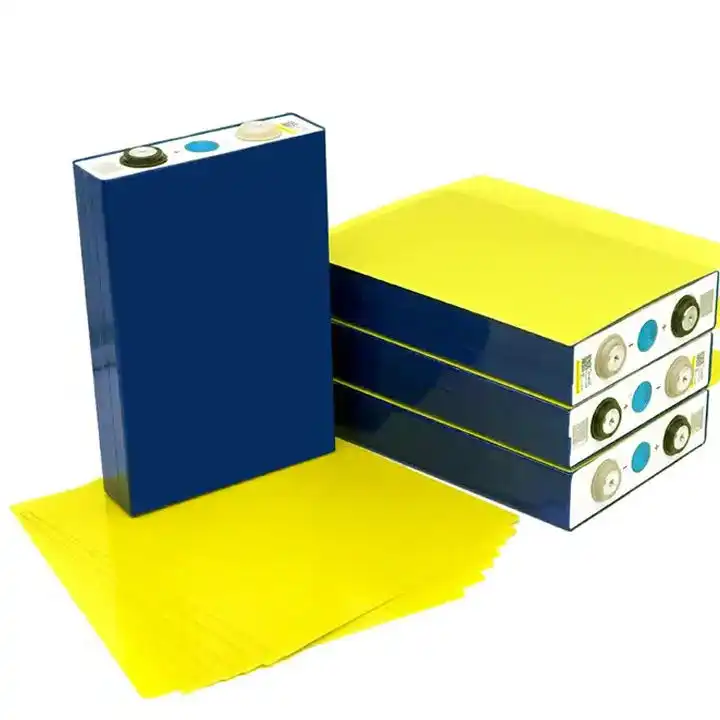
Automotive uses keep growing, especially in the building of battery packs for electric vehicles. FR4 board keeps cell modules from getting too hot, make battery casings stronger, and keep high-voltage parts from touching each other. R&D workers like how precise the material can be machined and how stable the batch quality is while prototypes are being made and production is being scaled up.
Emerging Trends and Material Innovations
New discoveries in material science keep making FR4 board work better and last longer. Concerns about the environment can be addressed with halogen-free flame retardant formulas that still meet UL94 V-0 ratings. This helps green product efforts in consumer electronics. Enhanced thermal conductivity versions have ceramic plugs that help heat escape without lowering the electrical insulation. This solves problems with thermal management in power electronics.
Thinner material gauges that keep their mechanical qualities allow for smaller gadget designs. Better resin methods raise the glass transition temperature above 180°C, which helps with lead-free bonding and working in hot places. Material makers and equipment manufacturers are working together to come up with new ideas like these all the time to meet changing technology needs.
Conclusion
Flame-resistant FR4 board is still the standard for electrical insulator jobs that need a good mix of flame resistance, mechanical strength, and electrical performance. The material meets UL94 V-0 standards and has great dielectric qualities and dimensional stability, which are important to engineering managers in the automobile, appliance, industrial machinery, and electrical manufacturing sectors. Knowing the technical details, strengths and weaknesses of different materials, and buying factors helps you choose the right material that meets your needs while staying within your budget. As the study of materials leads to better ways to control heat and protect the environment, FR4 board keeps changing to meet the needs of today's complex electrical systems.
FAQ
Can FR4 boards handle flexible circuit designs?
FR4 board doesn't bend like polyimide films do; they stay stiff. The glass fiber support makes the material stronger but doesn't let it bend. Specialized materials are needed for applications that need to be flexible, while FR4 board works great for hard structure applications that need to be stable in terms of size.
How does FR4 compare to CEM1 for flame resistance?
UL94 V-0 ratings are reached by FR4 board, and they put out fires on their own within 10 seconds. CEM1 substrates, on the other hand, usually only hit V-1 or HB ratings. Epoxy-glass construction is better at keeping flames out, which makes electrical equipment safer when it comes into contact with possible fire sources.
What happens when FR4 boards exceed their Tg temperature?
When you go above the glass transition temperature, the resin softens, which makes it expand more and lose its strength. Long-term contact above Tg can change the size and electrical features of something permanently. Formulations with a high Tg value of 170°C or higher are used in situations where the working temperature needs to be high.
Does thickness affect electrical insulation performance?
Higher voltage breakdown limits are reached when materials are thicker because they physically separate electrical parts more. Since the dielectric strength stays the same for every unit of thickness, the voltage value increases when the thickness is doubled. Thickness also makes mechanical stiffness go up, which means that bigger loads can be put on the component.
Partner with J&Q for Quality FR4 Board Solutions
J&Q has been making high-quality electrical insulation materials for more than 20 years and serves B2B customers around the world in the car, electrical, and gadget industries. Our plant is vertically integrated, which means that it makes approved FR4 board that meets UL, RoHS, and ISO standards. It also has precision machining tools that can turn raw materials into finished parts. Your technical staff and engineering support teams work together to make sure that the material specs and fabrication factors are best for your needs.
As a maker of FR4 board with a lot of knowledge and a wide range of standard grades and thicknesses in stock, we can help with both prototype development and large-scale production. Our integrated logistics business handles everything from production to foreign shipping all in one place. This makes buying things easier and cuts down on wait times. Email our team at info@jhd-material.com to talk about your unique needs, get detailed data sheets, or get quotes for your next project. We can help you with your electrical insulation needs with reliable products and quick service based on decades of experience in the field.
References
Harper, Charles A. Electronic Materials and Processes Handbook. McGraw-Hill Professional, 2003.
Coombs, Clyde F. Printed Circuits Handbook. McGraw-Hill Education, 2016.
Licari, James J. and Laura A. Hughes. Handbook of Polymer Coatings for Electronics: Chemistry, Technology and Applications. William Andrew Publishing, 2003.
Jawitz, M.W. Materials for Rigid and Flexible Printed Wiring Boards. CRC Press, 2007.
Sergent, J.E. and C.A. Harper. Hybrid Microelectronics Handbook. McGraw-Hill, 1995.
MacDermid Inc. Technical Guide to Laminate Materials for Printed Circuit Boards. Industry Technical Publication, 2018.