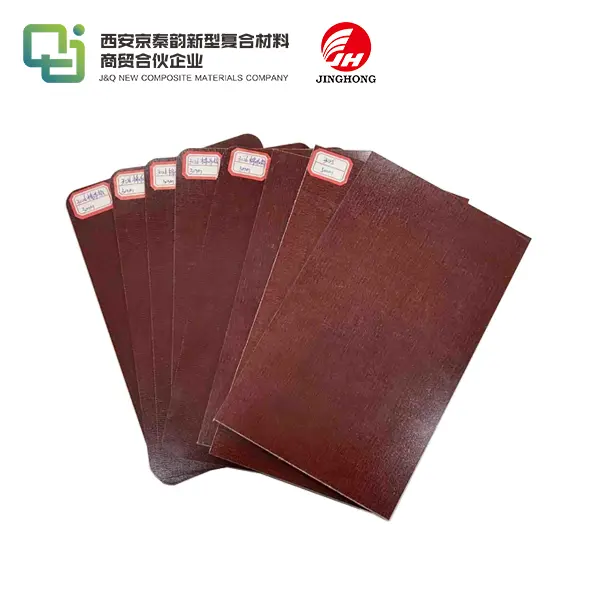
Selecting Epoxy Resin Rigid Laminate for CNC Electrical Parts
2026-11-03 17:22:44
You need to look at the part's voltage, temperature, mechanical load, and moisture level to pick the right grade of epoxy resin rigid laminate for that part. Then, make sure that the sheet can be machined within your limits without any problems. Glass cloth is used to make epoxy resin rigid laminate, which is tough and insulating at the same time. For that reason, it's a good way to protect transformers, motor frames, PCB fittings, and switches. The datasheet doesn't seem to match up with known test methods. You should cut a sample on your own machine and compare different suppliers based on the same set of needs. The words in this book are easy to understand.
Why Material Choice Shapes Every CNC Electrical Part?
Why Material Selection Matters for CNC Electrical Parts?
There are two things that a CNC part does at the same time. You can't hear, feel, or see through it, and it stays in place. The dielectric could fail, the insulation could get bad from water damage, and there could be cracks, delamination, or parts that are too bent to pass inspection if you choose the wrong grade. When a sheet breaks or splits while it is being ground, more is lost. When people only look at the unit price, they often buy things that aren't worth the money. That's not the only thing you should think about. Along with the MOQ, the working conditions, the technical information, the relevant standards, the need to cut, the packing options, and the shipping options, all of these things are taken into account. The plan and the schedule are both safe from that point of view.
What Is Epoxy Resin Rigid Laminate?
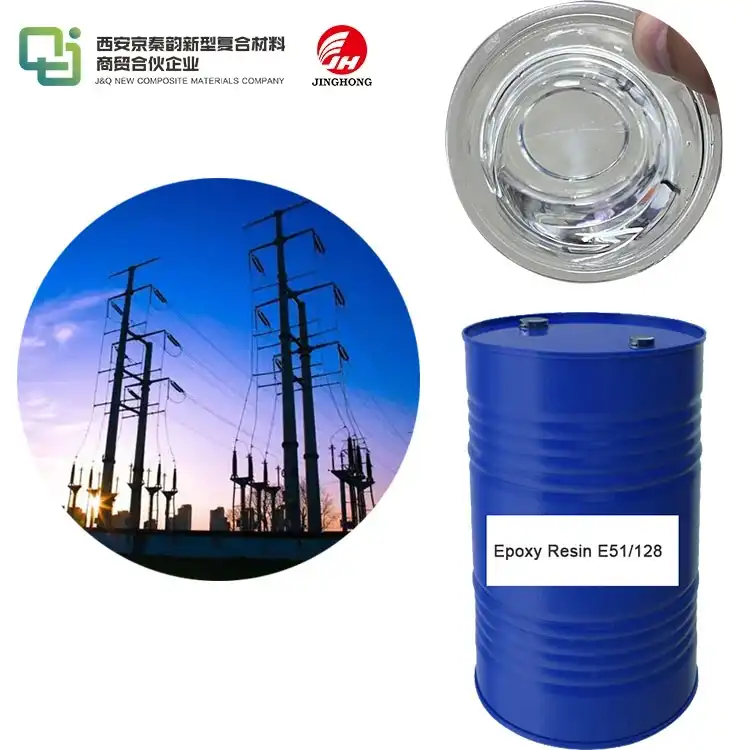
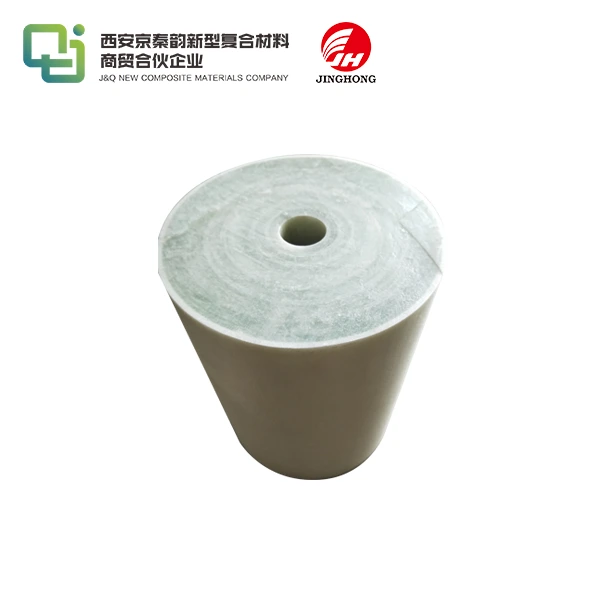
To create epoxy resin rigid laminate, woven glass fabric is soaked in epoxy resin. Once these layers are hot, they are stacked and pressed together to make them hard. How the sheet is shaped, how much resin is used, how it cures, and how long it takes to dry after it hardens all affect electricity, mechanics, heat, and the size of the sheet. Chems and electricity don't mix with it because it's tough and stiff. It can also be used to cut things out with a CNC. It's harder to keep tolerances in check when the insulation sheets are made of plastic instead of glass. These sheets aren't as strong or flexible. So it's always important to know everything about something. The grade, width, or direction of the support can all change how well it works.
Where Buyers Use It Across Industries?
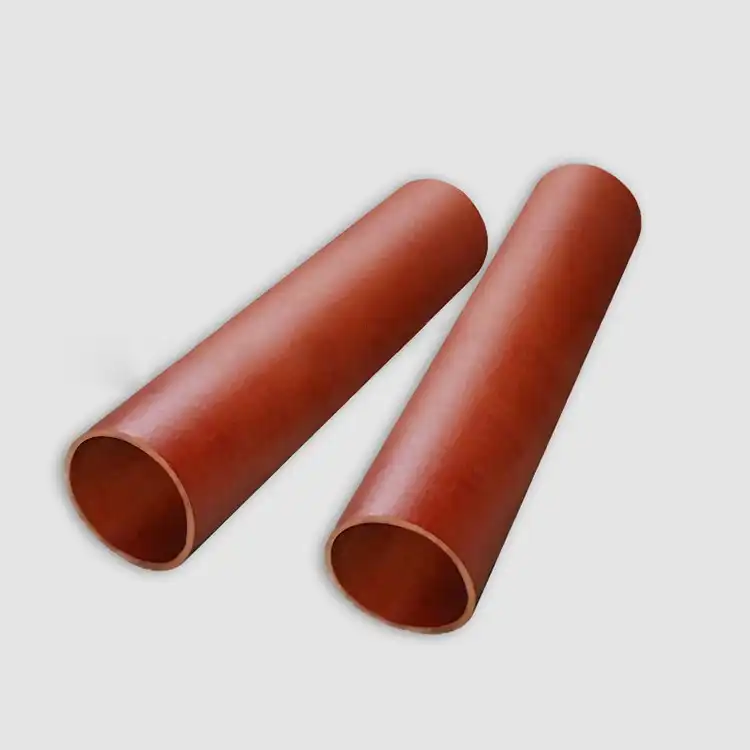
In different fields, things from the same group are used for various tasks. FR4 and 3240 plastic boards are used by electronics companies to support PCBs, make switches, and make motor parts. Epoxy laminates and polyvinyl cotton sheets are used by machine makers to make shims, wear parts, and gears. People who work in power plants and make transformers use it to keep their tools safe from heat, sparks, and coils. Make sure the connections can handle high temperatures, keep the batteries away from each other, and use insulation pads. Appliance brands use Bakelite and epoxy sheets to make parts like motor brackets and insulation frames that keep the motor cool. Each team must first decide what is most important to them. This could mean being able to deal with changes in price, weight, width, or heat. Then they can choose a grade.

Define Performance Needs and Match the Grade
Define the Required Performance Before Choosing a Grade
First, write down how much electricity you need. These include the spark resistance, the insulator resistance, the dielectric constant, and the dielectric strength. You can tell it to stay the same temperature or change it. Then, write down what the machine needs. You could write down how the screws need to be able to bend and squeeze, as well as how they need to be able to hold weight and withstand shaking. Note down how long you were in oil and water. When you use CNC cutting, you need to think about things like slots, holes, sharp edges, creepage, and clearance. ASTM D790 is often used to see how well something bends. ASTM D149 is also often used to see how well something breaks electrically. The providers should make sure that the results they give you come from real tests and not just puffery.
Match the Laminate Grade to the CNC Electrical Application
The quality of an epoxy resin rigid laminate is based on how well it works. It is important that chokes, clamps, barriers, gaps, and terminal supports that act as dielectrics stay the same size and do their job well. It shakes, gets hot, and holds more weight because of the generator, motor, and electrical parts. The dielectric strength, the compression strength, the tracking resistance, and the fact that you can deal with tracking resistance must all be right. EMF forces must also be able to be dealt with when there is a short circuit. It's important that PCB tools are flat, don't soak up water, and are simple to machine. Parts of machinery need to be stiff and fit together well with screws or bolts. Before you grade, make sure you know the limits of the CNC, the cutting guides, the quality of the edges, and the different kinds of epoxy resin rigid laminate blanks that can be used.
Check Temperature and Flame Ratings
It's easy to find the smoke and heat alarms. FR4 turns into glass when heated to 130–140°C. Around 170°C, high-Tg FR4 works well for processes that need to handle more heat stress, such as lead-free soldering. G10 is not "flame retardant," but FR4 is. UL 94 V-0 gave this score. Part 1 of Non-Metal also has high-temperature glass-epoxy types like G-11 and FR-5. Things that move, turn, and have buttons need to be light and not catch fire. The thickness and grade you want to buy should match every number on the datasheet.
Compare Epoxy Laminate With Alternative Materials
Epoxy Laminate vs. Phenolic Laminate
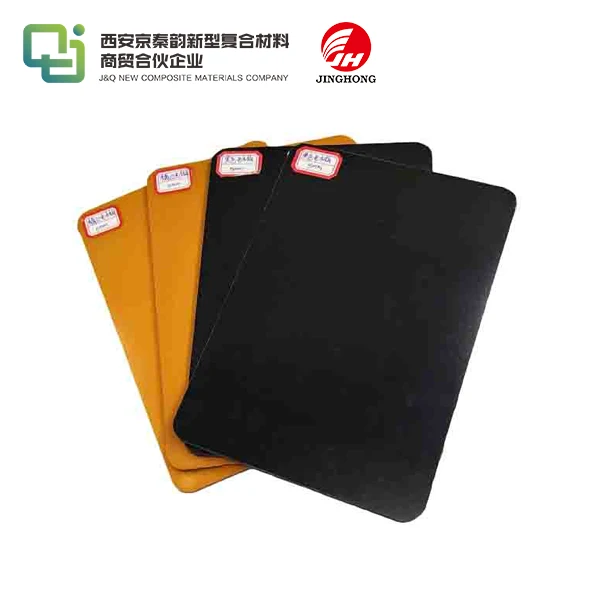
Epoxy resin (like Bakelite) and phenolic cotton sheet are the best ways to save money on projects that won't be used very often. It also works well for gears and other parts that break down over time. Epoxy resin rigid laminate is typically used when a design needs to be stronger, meet stricter standards, handle water better, or be less affected by temperature changes. Epoxy could be used in places with more heat or moisture. These grades might be used in places with less heat or humidity. To help you choose what to buy, read the numbers instead of the names. Everyone should take the same test to be fair.
FR4, G10, and Other Fiberglass Laminates
"Fiberglass laminate" is a broad term, so make sure you know what the glue is for and how the stand system works. FR4 is made of glass and plastic and is usually brominated. It does not pose a fire risk. Most of the time, it's used as the base for PCBs. It is made of glass and resin and works physically and electrically like G10. However, it doesn't keep fires out. Most of the time, FR4 is used instead of G10 in safety-sensitive devices. Base materials for stiff printed boards are discussed in IPC-4101. Industrial laminate grades are talked about in NEMA LI 1. Read the grade and the standard that each quote is about.
Build a Useful Comparison Table
All of the items in a good comparison table are in the same row. How simple is it to machine? Make a list of the dielectric strength, bending strength, steady working temperature, chemical protection, flame rating, density, thickness that can be used, and ruggedness. Next to each number, write down the test method and the sample length. These are important since they make things different. This number can also be used to plan freight and find out how much something weighs. It's important to know if the grades two different suppliers give are based on different lots or on the whole group. This one question will often tell you why two quotes that look alike don't work in the same way.
Plan Thickness, Size, and Machining Allowance
Choose the Correct Sheet Thickness
When picking the thickness of an epoxy resin rigid laminate, you can think about things like voltage stress, mechanical loading, unsupported span, mounting conditions, and mounting conditions. All of these things improve safety. After that, look at the cut-out shape. This is why the strength and insulation distance aren't as good when there are holes, slots, countersinks, or sharp edges. This means that the plan can't work with a steady voltage or a single strength number. Make sure you know the exact height, width, and warpage limits before you place your order. Epoxy resin rigid laminate sheets don't fit or clamp the same way when they're not all the same width. The people who stack spacers for machine builders are the ones who feel this the most, since small differences in thickness add up over the stack. On the order, the limit should be written down.
Set a Machining Allowance for CNC Work
Because glass cloth is rough on epoxy resin rigid laminate, you need to make sure you have the right tools. Sharp tools covered with solid carbide or diamond can last a long time if you use the right feed rates and spinning speeds. Edges don't break when you climb mill, and workers stay safe because cutting makes small pieces of glass and resin dust that you need to clean up. Make sure the holes are far enough from the edges to be safe before you finish. Plus, leave some stock. To check how well it works, you should drill, mill, route, tap, and countersink a piece from the whole batch. This is because the quality of the chip is affected by how it is hardened and how much resin is in it. That way, your next order will be the same as the first one.
Use Cut-to-Size Blanks to Reduce Waste
Cut-to-size blanks can help you save money, time, and waste when you make the same thing over and over again. After the edges are cut off, write down how much space you will have to work with. Then, figure out if buying a blank that is a better fit for the part will save you more money than it costs. You can use density data to find out how much something weighs, plan freight, make fixtures, and pack to send abroad. To get a better idea of cycle times, set the blank size. This helps programs that work with cars and appliances that have steady numbers the most. This is what J&Q sells: sheets and pieces that are cut to size. We also ship them ourselves.
Verify Suppliers and Build a Procurement Plan
Verify Supplier Quality Before a Bulk Order
A new datasheet, grade name, test methods, proof of conformity, batch traceability, surface standards, inspection reports, and size and shape tolerances should all be asked for. Get written documentation from RoHS or UL if your product needs it. Find out if the business sells or makes the goods. You should also find out how they do things like press hot, dry, check, pack, and impregnate. Next, use the method you picked to make a sample of the material that is typical of it. This will depend on what you need to do. In terms of electricity, heat, mechanics, or chemicals, make sure it works well. Check the export packaging, the lead times, and the steps for fixing things as well.
Build a Cost-Effective Procurement Strategy
The price is based on the grade, the type of resin used, the reinforcement, the thickness, the size, the tolerances, the cutting, the testing, the packaging, the quantity, the shipping terms, and the way the item is shipped. When you send out an RFQ, all of the suppliers get the same information, like the grade, standard, thickness tolerance, test standards, MOQ, wait time, and lead time. When you put full sheets, cut-to-size blanks, sample numbers, and yearly estimate sets next to each other, you can compare them. Then, add up the total cost of ownership, which includes the price of a new machine, the cost of rejects, the cost of downtime, the cost of wasted materials, the cost of short cycles, and the cost of CNC cycles. A little more money spent on something that is easier to work with and less likely to fail might save money in the long run.
Final Selection Checklist for CNC Electrical Parts
Making and buying teams can agree on something with the help of a short list. You should start by reading the app. This list has voltage on it, along with operating temperature, thermal cycling, mechanical load, vibration, humidity, chemicals, fire resistance, and CNC tolerances. Next, check the material's grade, its dielectric strength, its resistance to insulation, its mechanical properties, its ability to absorb water, its density, its thickness, its measurements, and its ability to be machined. You should look over the examples, technical papers, MOQ, wait time, packing, inspection reports, acceptance criteria, and more before giving the seller the go-ahead. Make sure these things are on the purchase order so that the material matches the approved design and things don't change when you need to order more.
Why a Qualified Epoxy Resin Rigid Laminate Supplier Matters
A good company does more than just ship sheets. It lowers the risk of both the technology and the purchase, from making a sample to getting normal output. J&Q has made and sold epoxy resin rigid laminates for over 20 years. They've done business with other countries for more than 10 years. We've done business with people from inside and outside of China for a long time, and our own transportation company can handle everything. People who make things, sell them, or work on projects can talk to us about the grade, thickness, cut-to-size items, papers, and packing they need. To do things right, start with samples and tips and work your way up to getting everyone's OK.
Conclusion
Before you choose an epoxy resin rigid laminate for CNC electrical parts, you should think about what the part is for. These are the voltage, temperature, load, wetness, and form of the part that was left over after it was made. Epoxy that has been reinforced with glass is often stiffer, more dielectrically stable, and easier to control in terms of tolerances than plastics that have not been reinforced with glass. Phenolic sheets can still be used for small tasks. Not all types of FR4 can handle the same amount of heat stress as G10. Some can handle more heat stress than others. Aside from the base grade, things like height, cutting margin, and cut-to-size blanks can also change waste, strength, and cycle time. If you look at datasheets, name test methods, machine examples, and give written buy specs, then it is fair to compare providers. Orders from the same seller will always come from the same place. After someone else has already made a choice and written it down, it is safer to make that choice.
FAQ
What is epoxy resin rigid laminate used for?
It can be used to cool down motors, transformers, switchgear, and busbars. It can also be used to make PCB tools, spacers, barriers, and clamps.
Can I machine it on a CNC?
Yes. First, test a small piece. Then, use tools with carbide or diamond coatings, climb milling, and dust extraction to make the whole thing.
How does it differ from FR4?
UL 94 V-0 marks FR4 as a dangerous glass-epoxy grade. Glass-epoxy like G10 doesn't put out fires.
Which documents should I request?
If you need to, you can ask for the datasheet, test methods, COR, batch traceability, and RoHS paperwork.
Can I order custom sizes?
Yes. You can talk to J&Q about cuts that are made to fit after you send them your ideas or measurements.
Request a Sample or Project Quote From J&Q for Epoxy Resin Rigid Laminate
J&Q has been in business for over 20 years. They have done business with other countries for more than 10 years. We bring things too, so we can take care of everything for you in one place. Want to find a store that sells epoxy resin rigid laminate? Please email info@jhd-material.com with the name of the material, the voltage, the working temperature, the load, the grade, the thickness, the size, the shape, and the number of pieces you need every year. We'll give you good options, give you datasheets, and get samples for you. jhd-material.com has more information.
References
1. NEMA LI 1 Industrial Laminated Thermosetting Products, 1998
2. ASTM D149 Standard Test Method for Dielectric Breakdown Voltage and Dielectric Strength of Solid Electrical Insulating Materials at Commercial Power Frequencies, 2020
3. ASTM D790 Standard Test Methods for Flexural Properties of Unreinforced and Reinforced Plastics and Electrical Insulating Materials, 2017
4. UL 94 Standard for Tests for Flammability of Plastic Materials for Parts in Devices and Appliances, 2013
5. IPC-4101E Specification for Base Materials for Rigid and Multilayer Printed Boards, 2021
6. ASTM D229 Standard Test Methods for Rigid Sheet and Plate Materials Used for Electrical Insulation, 2019