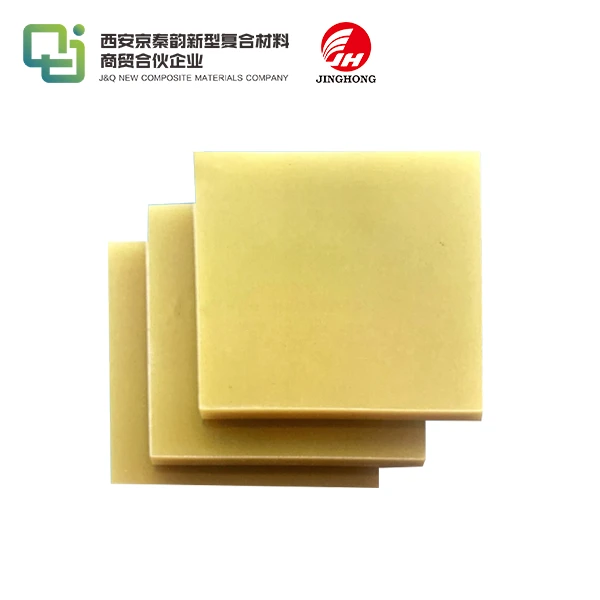
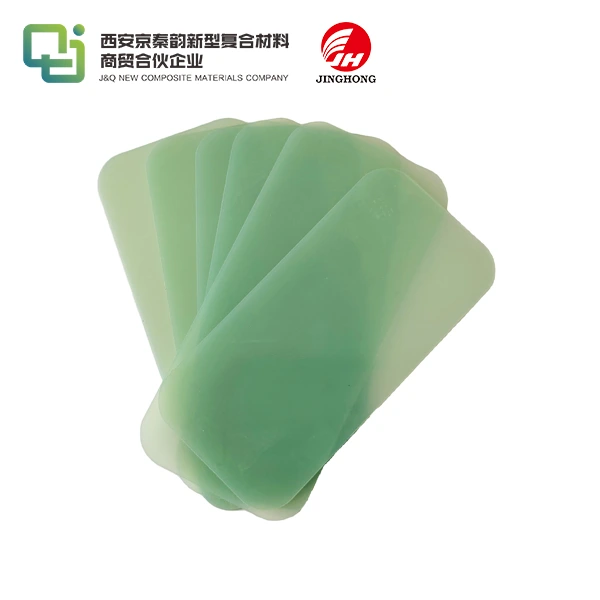
Synthetic Stone Carbon Fiber Panel for SMT Soldering Fixtures
2026-11-03 17:22:41
A synthetic stone carbon fiber panel is an engineered composite sheet that machinists turn into SMT soldering fixtures, PCB carrier plates, solder pallets, and inspection aids. Unlike decorative stone used in buildings, industrial grades combine thermoset resin, mineral filler, and carbon-based reinforcement to hold flatness through repeated heating and cooling. I wrote this guide for engineers and buyers in electronics, machinery, power, automotive, and appliance plants who need stable tooling. Below, I cover material properties, testing, design, maintenance, and purchasing, so you can match the right panel to your reflow, wave, or selective soldering process.
What a Synthetic Stone Carbon Fiber Panel Is and Why SMT Lines Use It
Material Definition and Composition
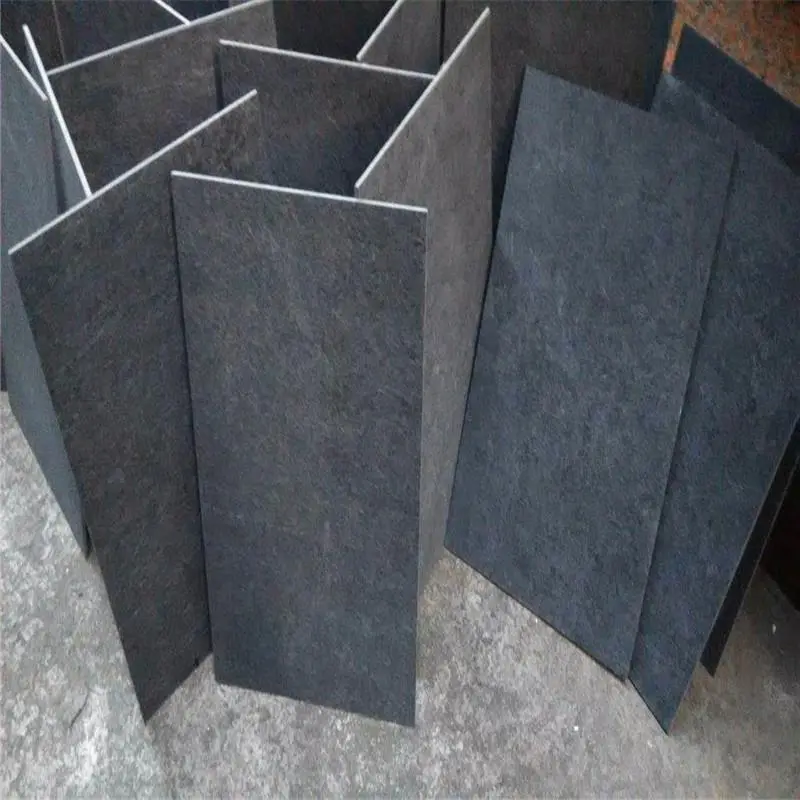
Industrial synthetic stone carbon fiber panel is a thermoset substance that is used in business. For most grades, epoxy glue, fiber mats, and fillers are mixed together, and they are then cured with heat and pressure. Some grades add carbon fiber or carbon fillers to the material to make it stiffer and change how it acts when it's not moving. For artistic use, people choose synthetic stone carbon fiber panel based on how it looks. For industrial use, people care about how well it works electrically, how stable it is at high temperatures, and how exactly it can be machined. Different grades of synthetic stone carbon fiber panels can be used for different types of work, like reflow, selective soldering, wave soldering, manual assembly, and inspection. People should always ask for a technical data sheet because each provider makes grades in a different way. It should say what it's made of, how flat it is, how easy it is to work with, and how high or low the temperature can go. You can't really tell much from the name of the quote. This sheet, on the other hand, tells you what the synthetic stone carbon fiber panel can do.
Problems It Helps Solve on the Line
It is possible to heat, cool, handle, and clean a board many times with the help of an SMT device. Everything around us can bend, wear out around locator holes, or be too heavy for machines to move. It's stressful to make things without lead. IPC/JEDEC J-STD-020 says that part peak reflow temperatures can reach up to 260°C. Lead-free wave solder pots can also work in this temperature range. If your panels are twisting, too heavy, wearing down quickly, or not in the right place, a good synthetic stone carbon fiber panel can help. Things are stiffer compared to their weight when they are strengthened with carbon, and friction is reduced. Carbon fiber doesn't prove that it is good for ESD by itself because it can also change how electricity moves. Pick a synthetic stone carbon fiber panel that meets your needs for controlling static, heat, forces, and insulation.
Comparison With Aluminum, Fiberglass, and Natural Stone
Engineered materials are easier to work with on a CNC machine and are less likely to break than stone or porcelain ware. Heat moves through aluminum at a rate of about 100 to 200 W/m·K. On the other hand, heat moves through synthetic stone carbon fiber panel at a rate of about 0.25 W/m·K. It doesn't let heat through because it's not very conductive, and it's lighter, which makes it easier for machines to move. It is still easy to work with aluminum and move heat quickly where it needs to go. If you heat regular FR4 over and over again for soldering, it can soften or turn into carbon faster, so the high-temperature grade is important. Before you decide, you should think about how much the material costs, how much the tools will wear, how likely it is that the material will conduct electricity, and how different sources are.
Performance Requirements Buyers Should Verify
Thermal Behavior
Start with the real thing. It is important to get ratings from suppliers for both continuous and peak temperatures, as well as results from thermal cycling. The high-grade synthetic stone carbon fiber panel can be used all the time at temperatures between 260°C and 280°C, or it can be used for short amounts of time at up to 300°C to 350°C for 10 to 20 seconds. You should think of these numbers as grade-specific and check that they are right for the grade you buy. Make sure you also check the thermal expansion. If the expansion is low, the locator holes and pockets will stay in place after many rounds. An easy way to measure linear thermal expansion is ASTM E831, which is what you can ask for. How flat the surface stays after being heated a lot of times is just as important as the temperature number.
Mechanical Strength and Flatness
A synthetic stone carbon fiber panel can handle the board's weight, the binding force, and the shocks from the machine. Many people use ASTM D790 to check a sheet's flexural strength, which is how well it resists sagging. When the temperature is room temperature, the bending strength of standard grades is over 500 MPa. When the temperature is 250°C, it is over 200 MPa. Because they are strong, long spans stay straight under heavy circuit boards. The same source says that made walls can be as thin as 0.5 mm, but you should make sure that your design doesn't go that far. You should set limits for the diameter error, the accuracy of the holes, and the position of the locator before you start production. For people who make tools and car parts, this makes sense: first, figure out the load, span, and estimated cycle count, and then choose the synthetic stone carbon fiber panel.
Electrical and Chemical Properties
So, what is static control? That's the main question about electricity. There are clear rules for the ESD control program in ANSI/ESD S20.20, and the surface resistance can be anywhere from 10^5 to 10^9 ohms to help with discharge. To make sure of the value, use a method like ASTM D257. After cutting, see if the number stays the same. It should be clear whether you want to get rid of static electricity, protect, or make sure that the object can be grounded. When it comes to chemicals, reference data shows that fluxes and saponifiers that dissolve in water are not affected by weak acids, bases, or neutral solvents. They can break down over time with strong alkaline cleaners above pH 11 and high temperatures, so check out how your cleaners work. It also says that these grades take in less than 0.2% water.
Manufacturing and Design of SMT Tooling
Application Review and CNC Machining
Making tools that work well starts with an application review, not just a choice of material. The shape of the PCB, the height of the parts, the soldering method, the support points, the clamping, the conveyor transfer, the vacuum needs, and the fiducial access should all be looked at by your supplier. The synthetic stone carbon fiber panel is then cut by a CNC router, which also profiles the edges and does countersinking, pocketing, drilling, or pocketing. To keep the edges clean and the holes exact, you need tools with carbide or diamond coatings, controlled feed rates, and heat control because the fibers in these materials are rough. Because machining creates tiny fibers, it is necessary to get rid of the dust. You might have to do more work later if you don't go over the review because a pocket that clears one part might leave another board area unsupported.
Fixture Design Features and Fastening
A good clamp keeps the board in place and lets you view, handle, solder, and move the board automatically. Some features that are found on most parts are clamps, fiducial holes, revision lines, identification codes, tooling pins, finder holes, and component relief pockets. I like mechanical fixing because it stays strong even when it's hot. Because an adhesive that fails in the middle of a run can cause the board to move, it is important to check that it cures, releases gases, reacts with chemicals, and doesn't melt at high temperatures. Hold down the edges of thin pieces while you cut them, and make sure the relief pockets are big enough to fit tall pieces. Make sure the board is flat and straight before letting go. Next, test the clamp with real PCBs that will be used in the process and handled in real life.
Inspection, Finishing, and Traceability
After they have been machined, synthetic stone carbon fiber panels can be filled with dust, cleaned, sealed, marked, or polished. The next step in the inspection process is to check the size, flatness, fit, and the ability to trace back to the batch using proof of material. This is very important because the second batch needs to act the same way as the first. IPC-A-610 checks the quality of the solder joints. One thing it does is check how well a fixture holds the board. With identification marks that can be tracked through revisions, operators can be sure they are using the right version. When you get a package, I think you should ask for an inspection report and keep it with the approved plan. That way, when you need to place another order, it will fit the original requirements.
Selection, Testing, and Maintenance
How to Choose Grade and Thickness?
To begin, you need to decide on the soldering method, PCB size, temperature profile, cycle frequency, handling system, and amount you need. Before you get quotes, you should describe the grade, the type of surface, the thickness, the density, the stiffness, the ESD behavior, the chemical resistance, the ability to be machined, and the service life goals. No, the thickness shouldn't be based on the lowest price. Instead, the mounting span, support spacing, PCB weight, clamping conditions, and cutting depth should help you choose. A thin synthetic stone carbon fiber panel with a wide span may sag under a heavy board. A thick sheet, on the other hand, adds weight and takes longer to machine. If you reflow, wave, selective, or solder the synthetic stone carbon fiber panel by hand, it goes through different tests. This means that a grade that works well for one method might not work well for another.
Sample Testing Before Bulk Approval
I really think you should use a sample synthetic stone carbon fiber panel or a fixture that has been trial-machined. You can use your real line to check the electrical performance, the quality of the edges, the drilling, the flatness, the PCB fit, the temperature changes, the ability to clean, and the quality of the edges. Make sure the boards are still flat, and the locator points are still there after several rounds. You can tell what kind of test it is by the acceptance limits that are used to compare the readings. You should check the surface resistance more than once to understand how ESD works. It is recommended to do a short bake before the first thermal cycle when deep-machining exposes fibers. This bake helps get rid of any water that was taken in. That step should be talked over with your service provider. Do not start making a lot of them until the sample works.
Cleaning, Inspection, and Replacement
Plan how often you will clean based on how much flux is building up, how much chemical contact there is, and how much is being made. Cleansers that have been approved will keep the surface from swelling or wearing down. Cracks, delamination, worn locator holes, broken edges, contamination, resin breakdown, and loss of flatness are all problems that you should look for in the bolts. To fix small amounts of wear, you can sometimes use inserts, re-machine, or get new parts. If you're not sure where the fitting is or if it's still solid, you should get a new synthetic stone carbon fiber panel. Keep track of failure patterns, service cycles, and tools that need to be fixed so that you can plan for replacements. Also, make sure that lines that handle a lot of work always have spare tools on hand. Even if the seller says something can be used thousands of times, that number will depend on the type of flux used and how often it is cleaned. Record your own results.
Procurement Guide for U.S. Buyers
Cost Drivers and MOQ
Many things affect the price, such as the type of material, its size and thickness, how it is treated on the outside, how hard it is to make, how it is inspected, how it is packed, and where it is going. Each quote should have a price for the raw synthetic stone carbon fiber panel, a price per square meter, the cost of CNC cutting, and the cost of the finished device. This way, you can compare things that are the same. This is because the MOQ is different for normal stock, unique shapes, special formulas, and machined parts. Some sellers will use the cost of a prototype sample to lower the cost of a production order. This is done to make sure the product works. You need to know the total landed cost of something before you can have it sent to the US. This includes the cost of packaging, volumetric freight, customs documents, certificates of origin, and the chance that the edges or moisture will get damaged during transit.
How J&Q Supports SMT Fixture Projects
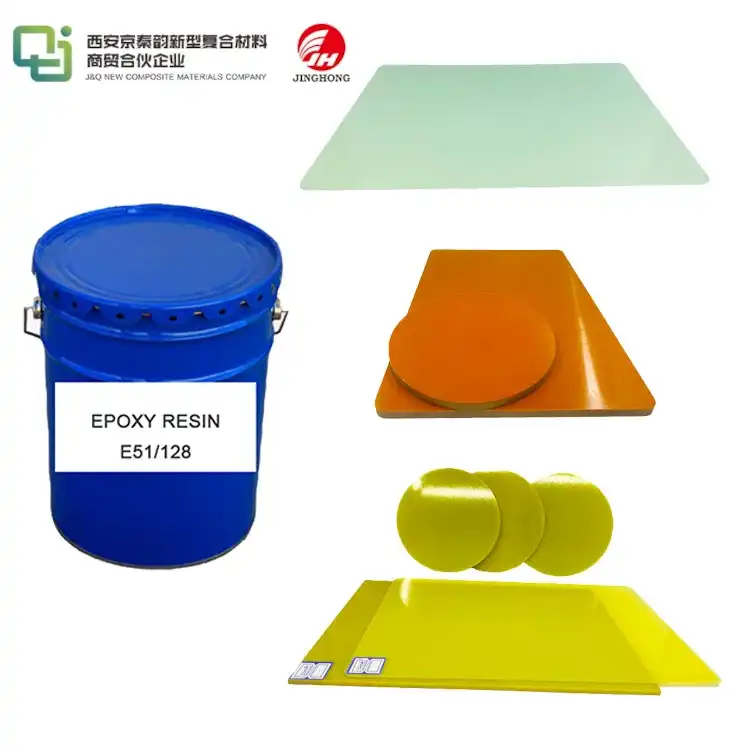
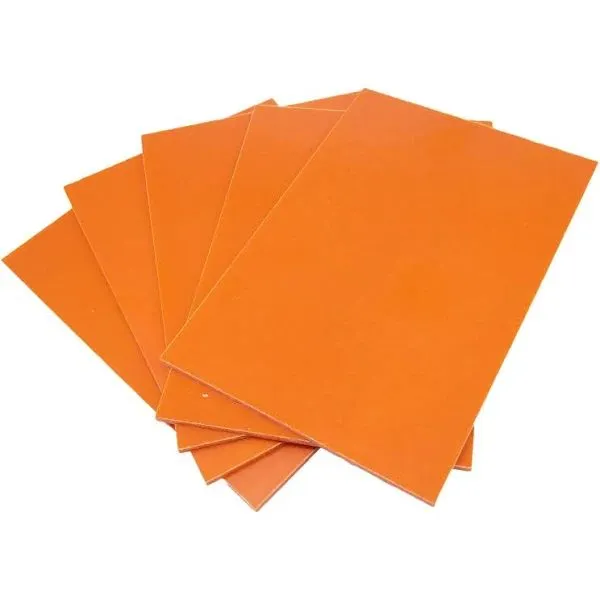
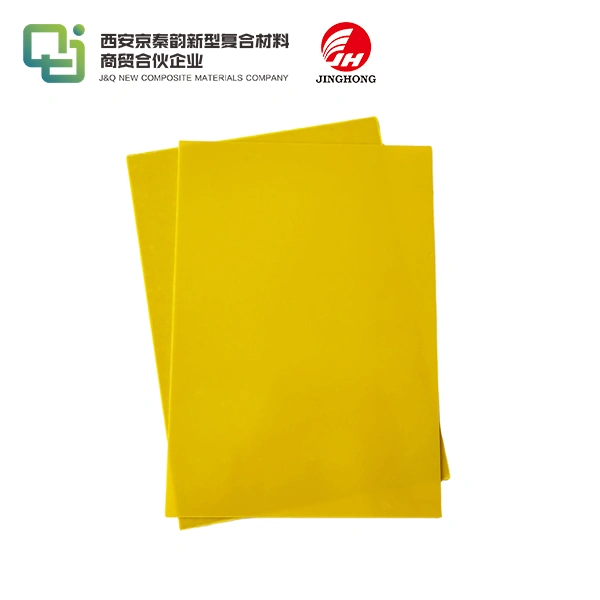
For more than 20 years, J&Q has made and sold insulation sheets. For more than 10 years, we have also done business with other countries. We've worked with trading companies in the U.S. and other countries for a long time. Now that we have our own transportation business, we can do everything from delivering goods to working with trading companies. On our team, we have people who can look over designs, match grades, control CNC milling, check sizes, package items, and place repeat orders based on drawings that have been approved. We offer detailed data sheets, records of inspections, sample validation, and the ability to keep track of batches. For example, people who make electronics, machinery, power tools, cars, and appliances already use our phenolic cotton sheets, FR4 sheets, and 3240 epoxy sheets.
Supplier Scorecard and Industry Fit
A scorecard that compares things like technical compliance, sample performance, material consistency, machining accuracy, lead time, documentation, exportability, and service support is what I think should be in place. Priorities are different for each business. Companies that make electronics check to see how well their goods can handle heat and ESD. Machinery makers pay attention to the limits on strength and width. Making sure the temperature stays the same is what the energy and power teams do. For instance, auto suppliers need consistent batches and the ability to make changes to them. Appliance makers, on the other hand, keep an eye on costs and delivery times. Check the final product's composition, how it reacts to heat and cold, how flat it is, how it conducts electricity, sample results, CNC tolerances, packing, and shipping terms before giving the go-ahead. These steps let you buy things more than once at different places where they are made.
Conclusion
The fact that it works with SMT soldering fixtures is not because it's called a synthetic stone carbon fiber panel. It works because its properties have been checked and shown to work with the process. The main points are easy to see. Keep the flatness, flexural strength, chemical resistance, and surface resistance in mind as you look at the ratings for continuous and peak temperatures. You should check how heavy the synthetic stone carbon fiber panel is, how well it moves heat, how easy it is to work with, and how likely it is to carry energy. Applications are reviewed, careful CNC work is done, and the fixtures are inspected to make sure they are always the same. Once the samples are ready, they are put through their paces on the real line to make sure they fit. Cleaning schedules and cycle tracking make the service last longer. When you buy something, comparing quotes that are similar and giving points to suppliers for things like documentation, consistency, and lead time lowers the risk of the process.
FAQ
Can a synthetic stone carbon fiber panel handle reflow soldering?
Yes, as long as the grade's numbers for temperatures at rest, high, and changing temperatures are what you need. You should read reviews and try out a sample.
Does carbon fiber guarantee ESD protection?
Yes, carbon-based reinforcement can change how well something conducts electricity. You will need to test the surface resistance and make sure it works with your tool for controlling static electricity.
How does it compare with aluminum?
It is lighter and doesn't let as much heat through as the other piece. Aluminum transfers heat quickly and can be worked with in a way that is familiar. Choose what you need based on the screw.
What thickness should I choose?
Sizes don't always work well for certain tasks. It needs to be based on the span, support spacing, PCB weight, clamping, and levelness.
What should I send for a quotation?
Send pictures of the PCB or fixture, the way you want to solder it, the temperature profile, the tolerances, the ESD needs, and the amount of work you need done.
Request a Synthetic Stone Carbon Fiber Panel Quote From J&Q
Want to find a business that can give you synthetic stone carbon fiber panels for your SMT welding equipment? J&Q has been around for more than 20 years, has worked with insulation sheets before, and runs its own business, so it can provide everything in one place. Visit jhd-material.com and send an email to info@jhd-material.com with your PCB drawings, soldering method, temperature profile, thickness, and volume to find out more.
References
1. IPC/JEDEC, J-STD-020E: Moisture/Reflow Sensitivity Classification for Nonhermetic Surface Mount Devices, 2014
2. ESD Association, ANSI/ESD S20.20: Protection of Electrical and Electronic Parts, Assemblies and Equipment, 2021
3. IPC, IPC-A-610H: Acceptability of Electronic Assemblies, 2020
4. ASTM International, ASTM D790: Standard Test Methods for Flexural Properties of Unreinforced and Reinforced Plastics and Electrical Insulating Materials, 2017
5. ASTM International, ASTM D257: Standard Test Methods for DC Resistance or Conductance of Insulating Materials, 2014
6. ASTM International, ASTM E831: Standard Test Method for Linear Thermal Expansion of Solid Materials by Thermomechanical Analysis, 2019