Sourcing Phenolic Cotton Fabric Sheets: Grades and Machining Needs
2026-10-23 09:37:08
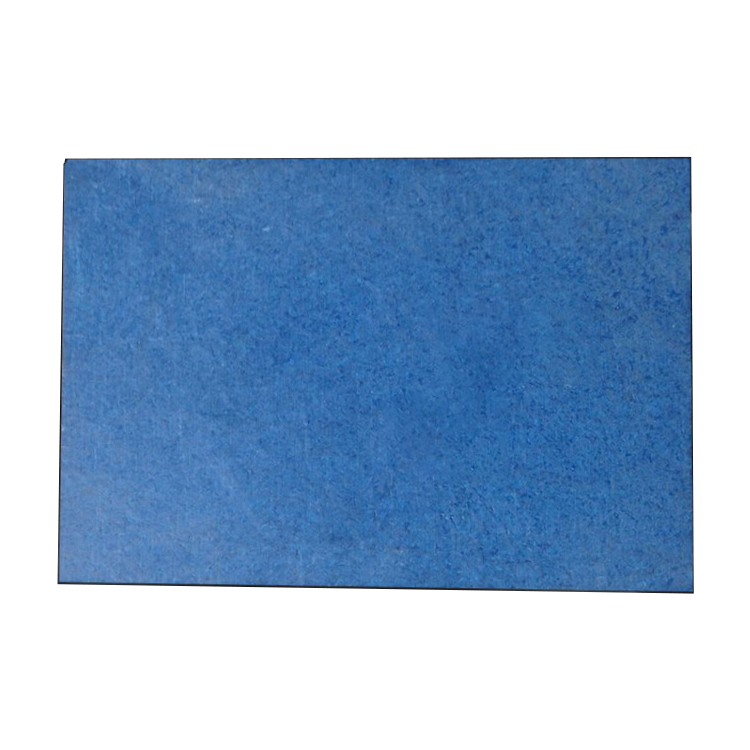
Procurement teams need clear, useful instructions on where to find phenolic cotton cloth sheets for electrical protection. To make Electrical Insulation Phenolic Resin Cotton Fabric, phenolic resin is pressed into fine-weave cotton cloth at high temperatures and under a lot of pressure. This makes a dense, waterproof laminate that is easy to work with and has good dielectric performance. This guide breaks down material grades, processing needs, and supplier selection factors so that engineering managers and OEM sourcing professionals can buy with confidence and knowledge.
Understanding Phenolic Resin Cotton Fabric for Electrical Insulation
Phenolic cotton laminates are a type of thermoset material that has been used for decades in tough industrial settings. Their mechanical and electrical features make them different from insulators made of a single material, and knowing how they are made helps buyers regularly judge quality.
How the Material Is Manufactured?
Fine-weave cotton cloth is stacked and filled with phenolic resin binder. The cloth is then heated and pressed under high pressure to harden the resin. With this method, a dense, void-free sheet of equal thickness is made. Hongda uses this method to make their products, which helps them meet big B2B sales with uniform batch quality and an output of 13,000 tonnes per year.
Core Electrical and Mechanical Properties
The cotton base makes phenolic laminates resistant to pressure and flexible, while the resin matrix gives them high dielectric strength, low moisture absorption, and stable temperature. Because of these qualities, phenolic cotton sheets can be used for insulating coils, blocking arcs, supporting switchgear, and protecting oil-soaked transformer parts that need to be electrically isolated and structurally sound at the same time.
Relevance Across Industry Segments
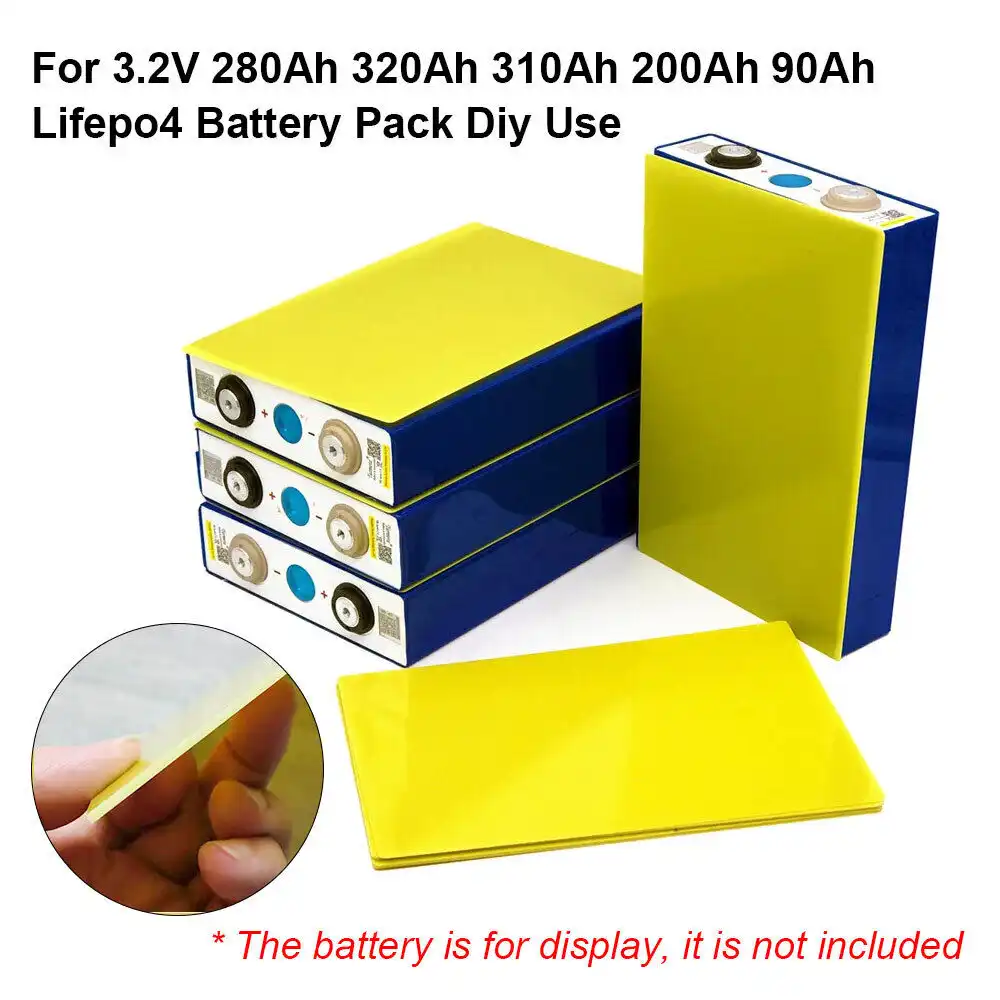
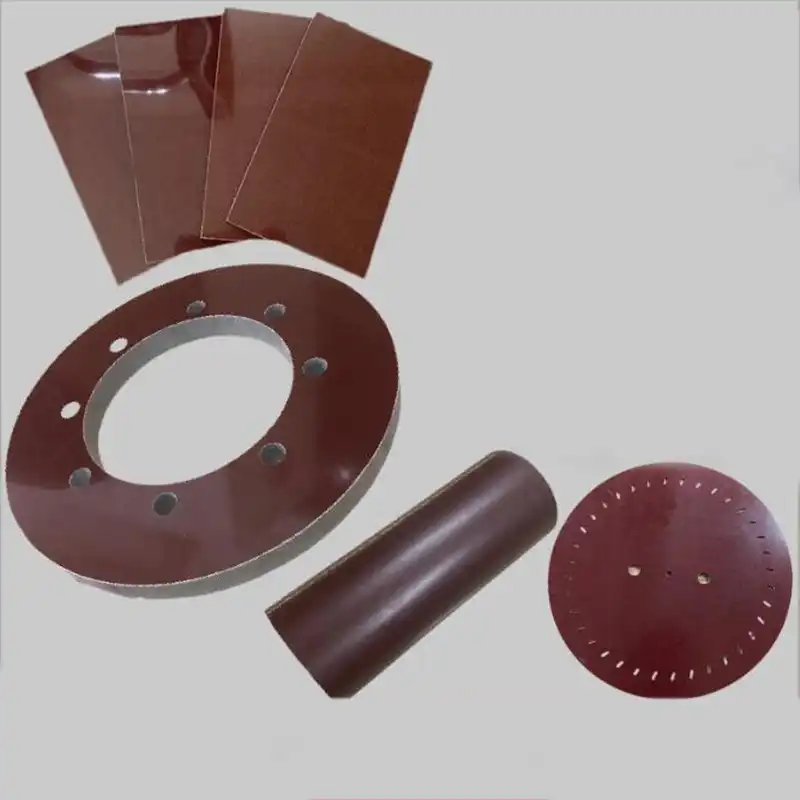
Phenolic cotton sheets are used by electrical and electronics companies to make motor brackets and insulation frames. They are used to make mechanical spacers and gears that don't wear out easily. Engineers in the power sector use them for transformer tap changer parts. They are used by auto makers as heat-resistant fixings and shields around battery packs. The material meets the real needs for load and insulation in all of these areas.
Grades and Specifications of Phenolic Cotton Fabric Sheets
Different kinds of phenolic cotton laminates don't work the same way. The goods might not meet standards or last as long if you choose the wrong type. Grades vary in how much resin they contain, how well they conduct electricity, and how durable they are.
Standard Grade Classifications
People mostly talk about CE grade and canvas-reinforced grades. CE grade is a normal electrical-grade phenolic cotton laminate, and canvas-reinforced grades are used for gears and bearings and focus on being strong. As the grade goes up, the temperature resistance, dielectric constant, and bending strength all change. Before placing an order, people who want to buy transformers or switchgear should make sure that the grade meets IEC or NEMA LI 1 standards.
Thickness and Size Options
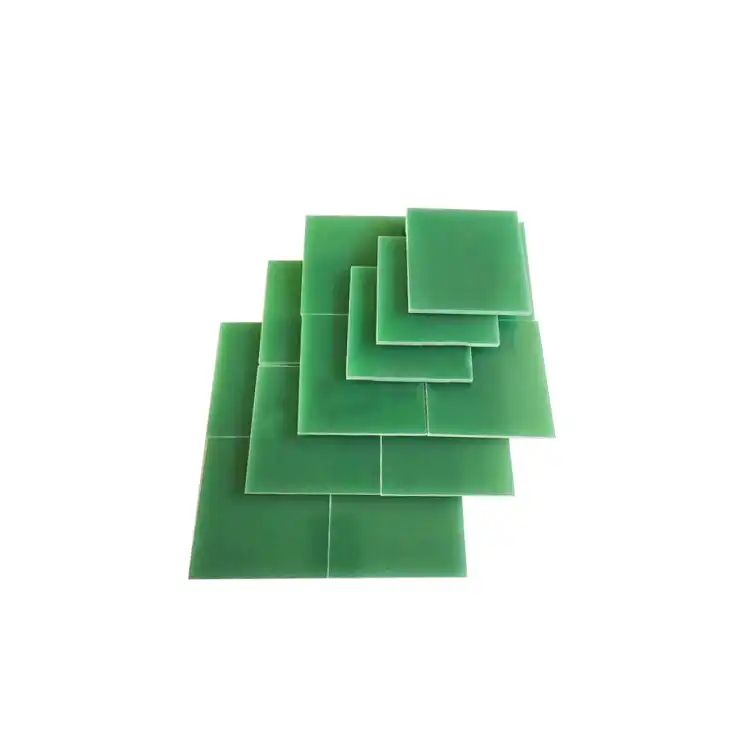
There are 0.5 mm thick sheets and 100 mm thick sheets made of Electrical Insulation Phenolic Resin Cotton Fabric in Hongda. The usual sheet size is 1220 mm x 2020 mm. In this range, you can store both thin insulation films for supporting PCBs and thick structural blocks for heavy-duty mechanical spacers. There is less waste in the next CNC processes because cutting can be done only when it is needed.
Compliance and Certification Requirements
People in the US always check that a material is UL-approved or RoHS-compliant before letting it be used to make something. Tests on approved phenolic laminates show that they can stop electricity well, don't catch fire, and can handle high temperatures. During the qualification process, ask suppliers for records of tests done by a third party to make sure that the grade of material meets the safety requirements of the job.
Machining and Processing Needs of Phenolic Cotton Fabric Sheets
When compared to ceramic or glass-filled options, phenolic cotton laminates machine well. However, the process still needs careful attention to tools, speed, and checking after processing. Getting this right will protect the finished part's insulation.
Recommended Cutting and Drilling Techniques
Here are the most important things that skilled fabricators do when they are cutting phenolic cotton sheets:
- For CNC routing and milling, use carbide-tipped tools at moderate spindle speeds to keep heat from building up and keep the resin from chipping at the edges of the cuts. Keeping the feed rates the same lowers surface delamination.
- When you drill, pilot holes help you be more accurate on thick sheets. Fibres don't tear out on the exit side when there are backing boards behind the block. This is important for close-tolerance insulation parts.
- For pieces that are less than 3 mm thick, stamping and cutting can be used. Die gaps need to be small to keep micro-cracks from forming that could hurt the dielectric's performance when voltage is applied.
When these steps are regularly taken, they keep the material's electrical performance during cutting and keep the tolerances for size within acceptable limits.
Stamping and Surface Treatment
For high-volume appliance and auto applications, stamping works well on thinner phenolic cotton sheets. Light sanding or chamfering takes away rough edges that could make air holes in insulation stacks that have been put together after pressing. For some uses, the cut edges need to be sealed with resin-compatible coats to keep them resistant to moisture in wet working conditions.
Post-Machining Inspection Standards
Using callipers or a computerised metrology machine (CMM) to check the dimensions of finished parts makes sure they match the requirements in the drawing. When done on important surfaces, dielectric spot tests can find damage caused by too much tool pressure. Adding inspection steps to the machining process helps engineering teams find flaws before the parts are put together, which cuts down on the cost of rework and the time it takes to get the parts to the assembly line.
Comparing Phenolic Cotton Fabric with Other Electrical Insulation Materials
You may have heard of sheets made of polyester, resin boards made of fibreglass, and mica composites if you get things for other people. Each material does a wide range of jobs well, and the job itself will choose the best one.
Phenolic Cotton vs. Fiberglass Epoxy (FR4/G10)
It's better for fibreglass epoxy laminates to be strong and not soak up water when it's hot. But they are more expensive and make rough dust that hurts tools more quickly when they are used to machine. For making gears and mechanical spacers with Electrical Insulation Phenolic Resin Cotton Fabric, phenolic cotton laminates are the best choice if you don't need to worry about how well they resist extreme moisture. They are also easier to machine and make less noise.
Phenolic Cotton vs. Polyester-Based Sheets
When the power is low, polyester films and sheets work well, but they don't hold up as well against fire or heat as phenolic laminates do. If it's over 130°C, you shouldn't use rayon because an arc flash could happen. Phenolic cotton turns into char when it is near a flame. It is known that this slows the spread of fire in switchgear boxes and generator housings, which is good for safety.
Phenolic Cotton vs. Mica Composites
Mica-based insulators can handle temperatures up to 500°C, but they are hard to work with and cost a lot to make. Anywhere from 130°C to 180°C, it can keep working. That's hot enough for most industrial motor, switchgear, and generator uses. Plus, it's not as pricey or fragile as mica. This type of cotton works better physically and costs the same if you use it in those temperature ranges.
Sourcing Phenolic Cotton Fabric Sheets: Supplier Selection and Purchase Considerations
It makes a real difference in the results of B2B buying to find a seller that can offer consistent quality, acceptable wait times, and quick expert assistance. When judging suppliers, these are the things that matter the most:
Evaluating Supplier Qualifications
- Production capacity and batch consistency: A supplier that makes 13,000 tonnes of steel a year can keep the amount of raw materials and process controls stable, which has a direct effect on the uniformity of the sheets.
- Letters of approval and proof: Ask for test results on the materials, information on their dielectric strength, and any UL or ISO approval records that are available. Qualification risk is created when suppliers can't provide this paperwork.
- The ability to customise: To cut down on the steps you have to take to process the parts yourself, make sure the supplier can offer custom thicknesses, sheet sizes, or CNC-cut parts.
These qualifications help procurement teams stay away from suppliers whose products' quality changes from batch to batch, which causes expensive production delays.
Ordering Guidelines and Logistics
Hongda's minimum order quantity is 500 kg, and their normal sheet size is 1220 mm x 2020 mm. Depending on how quickly and how much they need to move, goods can be sent by water, land, or air. The terms of payment are T/T. Palletised packaging keeps sheet surfaces safe while they're being shipped. Having access to an integrated logistics operation cuts down on lead times and mistakes in coordinating goods.
Sample Testing Before Bulk Orders
It is standard practice to ask for a sample of the material before committing to a bulk purchase. Check the sample's dielectric strength, size limit, and surface finish against the requirements for your application. This step finds any mismatched material grades quickly and keeps production from stopping, which would cost a lot of money.
Conclusion
It is easy to make Electrical Insulation Phenolic Resin Cotton Fabric pieces that are strong and don't conduct electricity. They can be useful in many places. The three choices that have the most direct impact on the buying process are selecting the correct grade, using the correct machining techniques, and choosing a qualified supplier with a history of production. HK has been making phenolic cotton laminates for more than 20 years. They have also done business with other countries for the past 10 years. Their quality stays the same, and you can count on their logistics. It is less risky for buyers and better for their supply chain when they match a supplier's proven skills with the products they need.
FAQ
What is phenolic cotton fabric used for in electrical applications?
Laminated polyvinyl cotton blocks electricity and supports the structure of transformers, switches, motors, and other equipment that moves power. It is possible for phenolic cotton sheets to handle oil, which makes them great for parts of tap switches and bearing surfaces that would normally break down in oil.
What thicknesses are available for phenolic cotton sheets?
Polyvinyl cotton sheets that are between 0.5 mm and 100 mm thick can be bought from Hongda. The usual sheet size is 1220 mm x 2020 mm. They come in different sizes, so you don't have to cut them down as much.
How do I choose the right grade for my application?
Most of the time, the CE grade is good enough for electrical protection. Gears and gaps, which need to hold weight, work better with grades that have more cloth. As for electricity, temperature, and mechanical stress, make sure the grade meets your needs. Also, check to see if it meets the IEC or UL guidelines for your business.
What is the minimum order quantity?
It is possible to buy as little as 500 kg. You can test at this level or make medium-sized batches at this level. It can also be raised to take care of big orders.
Can phenolic cotton sheets be CNC machined?
Yes. It is known that phenolic cotton laminates are easy to machine. As long as you use the right fixtures, carbide-tipped tools, and control the feed rates, you can make clean, accurate parts that don't mess up the dielectric.
Get Phenolic Cotton Fabric Sheets from a Trusted Manufacturer — J&Q
You can get in touch with Hongda's production line straight through J&Q. They are a supplier of Electrical Insulation Phenolic Resin Cotton Fabric. Their quality documentation has been checked, and orders start at 500 kg. They also offer full logistics support by sea, land, or air. The people on our team have been making things for over 20 years and dealing with other countries for 10 years. We can be reached at info@jhd-material.com or jhd-material.com if you want to get samples or a project quote right away.
References
1. NEMA Standards Publication LI 1 — Industrial Laminated Thermosetting Products, National Electrical Manufacturers Association, 2020.
2. IEC 60893-3-2 — Industrial Rigid Laminated Sheets Based on Thermosetting Resins for Electrical Purposes, International Electrotechnical Commission, 2018.
3. Harper, C.A. — Handbook of Plastics Technologies, McGraw-Hill, 2006.
4. UL 746B — Polymeric Materials — Long Term Property Evaluations, Underwriters Laboratories, 2019.
5. Brydson, J.A. — Plastics Materials, 7th ed., Butterworth-Heinemann, 1999.
6. IEEE Std 1-2000 — IEEE Recommended Practice — General Principles for Temperature Limits in the Rating of Electrical Equipment, Institute of Electrical and Electronics Engineers, 2000.