Special Requirements for Epoxy Sheets in the Aerospace Field
2026-01-04 16:47:00
The aircraft business needs materials that can handle harsh conditions without lowering performance standards. Epoxy sheets have become very important in aircraft uses because they have special qualities that meet very high safety and performance standards. These composites are very important to the structures of airplanes, electronics housing, insulation systems, and other military parts where dependability and long-lastingness are key. Procurement workers who know the specific needs of aerospace-grade epoxy sheets can make choices that keep everyone safe and the business runs smoothly. This all-inclusive guide talks about the most important things to think about when choosing, finding, and using epoxy sheet solutions in aircraft settings.
Understanding the Unique Performance Requirements of Epoxy Sheets in Aerospace
Aerospace applications impose extraordinary demands on epoxy sheet materials that far exceed typical industrial requirements. These specialized composite materials must demonstrate exceptional mechanical properties, including high tensile strength exceeding 400 MPa and flexural strength capable of withstanding dynamic loads during flight operations. Temperature resistance becomes crucial as aircraft encounter extreme thermal variations from ground-level operations to high-altitude cruising conditions, requiring materials that maintain structural integrity across temperature ranges from -65°C to +180°C.
Mechanical and Thermal Performance Standards
Aerospace epoxy sheets have more mechanical properties than just basic strength. They can fight wear, tolerate impact, and stay stable in size when the environment changes. These materials must keep their features through thousands of heat cycles without cracks spreading or layers coming apart. Advanced epoxy recipes include reinforcing strands like glass or carbon to improve mechanical performance while keeping the lightweight features that are important for aircraft weight budgets.
Electrical Insulation and Chemical Resistance Properties
The electrical insulation of critical aircraft systems keeps them safe from electromagnetic interference and electrical problems. Aerospace-grade epoxy sheets usually have dielectric strength values over 20 kV/mm, which makes sure they work well as shielding in high-voltage situations. Chemical resistance traits keep chemicals like flight fuels, hydraulic fluids, de-icing compounds, and other harsh chemicals found in aircraft settings from getting on the surface.
Certification and Compliance Requirements
Following aircraft material standards like AMS (aircraft Material Specifications) and military standards makes sure that materials are safe and work well. Through long testing methods that mimic real-world aircraft conditions, these certificates show that the properties of the materials are correct. As part of quality assurance across the whole supply chain, the paperwork needs to include batch records, conformity documents, and material tracking.

Comparative Analysis: Epoxy Sheets vs. Other Composite Materials in Aerospace
When choosing materials for aerospace uses, efficiency, weight, and cost must all be carefully considered. Epoxy sheets are better than other composite materials in certain ways and can be used for certain jobs that other materials can't do as well. It is possible for buying teams to make the best choices about which materials to use by understanding these relative strengths and taking into account specific performance needs and the way that they operate.
Performance Comparison with Alternative Materials
Epoxy sheets such as epoxy sheet are better than phenolic materials at resisting harm and controlling crack spread. Epoxy sheets are better than carbon fiber composites for electrical insulation and machining complicated shapes, even though carbon fiber composites have great strength-to-weight ratios. Fiberglass can be cheaper, but it usually doesn't have the thermal stability needed for aircraft uses at high temperatures. Epoxy sheets have a balanced set of properties that make them useful for a wide range of aircraft uses.
Application-Specific Material Selection
In emergencies, epoxy sheet's fire protection and low smoke release qualities are good for the parts of the aircraft cabin. When avionics housing uses are used, they keep great electromagnetic shielding qualities while keeping the size exact for fitting electronic parts. The high strength-to-weight ratio and fatigue resistance of epoxy materials are used in structural uses to ensure long-term stability in difficult working conditions.
Special Fabrication and Handling Requirements for Aerospace Epoxy Sheets
Aerospace epoxy sheets keep their designed qualities during processing and installation when precision manufacturing methods are used. Specialized handling methods keep the materials from getting dirty or damaged in ways that could hurt their performance in important uses. These requirements go beyond normal production methods to meet the high quality standards needed for aerospace uses.
Precision Machining and Cutting Techniques
To keep resin sheets from delaminating and maintaining the quality of the edge, CNC machining must use special tools and cutting settings. Waterjet cutting avoids heat-affected zones that could change how materials work while also giving a great edge finish. Diamond-coated cutting tools and controlled feed rates are the best ways to make sure that fibers aren't pulled out and that the dimensions are correct for the aircraft industry. Choosing the right tools and the right cutting fluid can help keep the epoxy matrix from getting too hot and breaking down.
Assembly and Bonding Protocols
In order to get the best possible bond between epoxy sheets and the parts next to them, structural bonding uses surface preparation methods that help make sure everything sticks. Thermal expansion compatibility, cure shrinking, and long-term external exposure must be taken into account when choosing an adhesive. During bonding operations, assembly clamps keep the right line and stop stress from building up in places that could cause early failure. Quality control procedures check the strength of the bond with nondestructive testing methods before installing the part.
Quality Assurance and Documentation Standards
For material certification for epoxy sheet to happen, a lot of paperwork is needed that shows how the qualities of the material go from the raw materials to the finished placement. Incoming inspection methods use standard tests to make sure that the materials meet the design requirements. As production processes it keeps a record of the conditions in which it was made, the quality checks that were done, and the parameters of the creation. These records back up the airworthiness certification and give proof to maintenance and inspection routines.
Procurement Best Practices for Epoxy Sheets in the Aerospace Sector
Using smart buying methods makes sure you can always get aerospace-grade epoxy sheets while also making sure that costs are kept low and the supply chain is stable. These methods help deal with the problems that come up when buying flight materials, such as long wait times, strict quality standards, and a small number of suppliers. Good buying methods find a balance between the short-term needs of a project and the long-term needs of suppliers and quality assurance.
Supplier Qualification and Selection Criteria
aircraft material suppliers need to show that they follow quality management systems like AS9100 and keep the right certifications for making aircraft materials. Supplier audits check the ways that people make things, the ways that people make sure that quality, and the ways that people keep records that meet the needs of aircraft certification. Geographic factors include the position of the provider, shipping options, and emergency supply plans that make sure the work on important project stages can keep going.
Technical Specification Development
It is important that procurement specs make clear the material properties, testing needs, and acceptance standards that are in line with the needs of aircraft applications. When materials are received and stored, dimensional tolerances, surface finish standards, and packing specs make sure that the quality is not affected. Before accepting them, performance testing procedures check the qualities of materials while keeping the ability to connect them to the original certification paperwork.
Strategic Purchasing and Inventory Management
Aerospace-grade materials have long lead times, so you need to plan your supplies carefully to find a balance between the cost of having materials and their availability. Framework deals with providers who are qualified set up price and supply schedules that help with project planning. Good storage keeps the material's qualities safe during long periods of time and keeps the certification current.
J&Q: Your Trusted Partner for Aerospace Epoxy Sheet Solutions
J&Q's specialty is providing aerospace-grade epoxy sheets made to meet the toughest standards in the business. Having made composites for over twenty years, we really understand the aircraft industry's material needs and quality standards. We know how important aerospace uses are, so we use strict quality control methods that make sure the materials always work the same way and meet the standards for approval.
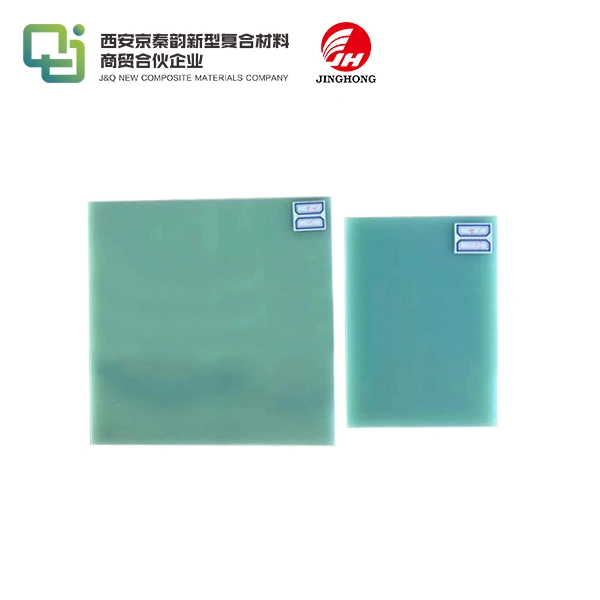
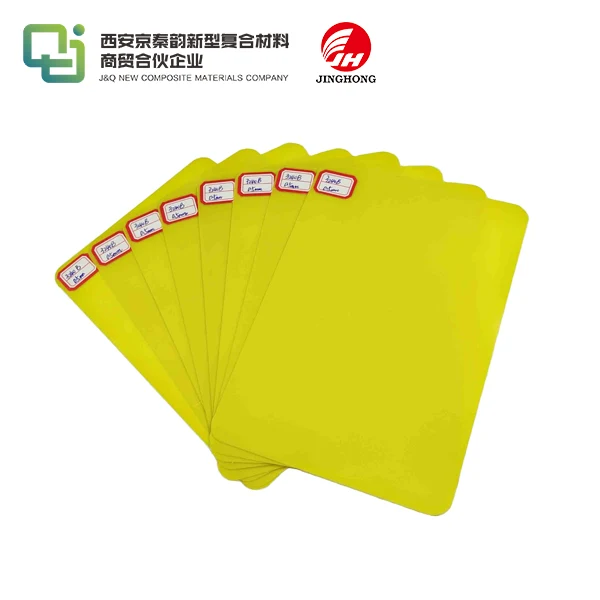
FR4 epoxy sheets, G10 glass epoxy laminates, and specially made epoxy materials for certain aircraft uses are some of the products in our wide range of offerings. Advanced production makes it possible to control thickness, get the right dimensions, and make sure the surface finish is good enough for flight standards. We have the aircraft credentials and quality control systems that help our customers meet certification and airworthiness standards.
Technical support for epoxy sheet helps choose materials, works on how to best use products, and creates custom formulas for special needs in flight. Our skilled technical team works with customers to get the best material specs based on how they will be used and how they need to perform. We offer complete paperwork sets that help customers with quality assurance and certification during the buying process.
Conclusion
Aerospace uses require epoxy sheets that beat normal performance standards while keeping the quality and compliance with certification standards uniform. Procurement pros can choose safe, reliable, and operationally excellent materials when they understand these specific needs. Epoxy sheets are great for important aircraft uses because they have just the right mix of properties: they are strong, stable, non-conductive, and resistant to chemicals. Strategic buying methods that focus on qualifying suppliers, creating technical specifications, and making sure quality standards are met help aerospace material projects succeed. Work with providers who know aerospace needs and keep the certifications needed for important uses.
FAQs
What distinguishes aerospace-grade epoxy sheets from standard industrial versions?
Aerospace-grade epoxy sheets undergo more rigorous testing and certification processes, including flame resistance testing, outgassing measurements, and extended environmental exposure testing. These materials typically feature enhanced mechanical properties, superior temperature resistance, and compliance with aerospace-specific standards such as AMS specifications. Manufacturing processes include stricter quality controls and documentation requirements that support airworthiness certification.
How do I ensure epoxy sheets meet aerospace safety and quality standards?
Verify supplier certifications including AS9100 quality management systems and material certifications from accredited testing laboratories. Request material test reports that demonstrate compliance with applicable aerospace specifications and maintain traceability documentation throughout the supply chain. Implement incoming inspection procedures that verify critical material properties before acceptance and use.
What factors affect the thermal and electrical insulation performance of aerospace epoxy sheets?
Resin formulation, fiber reinforcement type and orientation, curing conditions, and manufacturing quality control significantly impact insulation performance. Glass transition temperature determines thermal performance limits while resin purity affects electrical properties. Environmental exposure, including humidity and chemical contact, can degrade insulation properties over time, requiring proper material selection and protection measures.
Partner with J&Q for Superior Aerospace Epoxy Sheet Solutions
J&Q stands ready to support your aerospace material requirements with industry-leading epoxy sheet solutions and technical expertise. Our aerospace-certified manufacturing capabilities and extensive experience ensure materials that meet your most demanding specifications. Whether you need standard aerospace materials or custom formulations, our technical team provides comprehensive support throughout the procurement process. Contact us at info@jhd-material.com to discuss your specific requirements and request technical documentation. As a trusted epoxy sheet supplier, we deliver the quality, reliability, and service that aerospace applications demand.
References
Society of Automotive Engineers. "Aerospace Material Specifications for Composite Materials." SAE International Standards, 2023.
Federal Aviation Administration. "Advisory Circular on Composite Aircraft Structures." FAA Technical Publications, 2022.
American Society for Testing and Materials. "Standard Test Methods for Aerospace Composite Materials." ASTM International, 2023.
European Aviation Safety Agency. "Certification Specifications for Aircraft Materials and Parts." EASA Regulatory Framework, 2022.
National Aeronautics and Space Administration. "Materials and Processes Technical Information System." NASA Technical Reports, 2023.
International Organization for Standardization. "Aerospace Series - Fibre Reinforced Plastics - Test Methods." ISO Standards Catalog, 2022.