Temperature Resistance of Synthetic Stone Slabs Explained
2026-02-03 17:26:52
Synthetic stone slabs are engineered materials designed to endure high temperatures without sacrificing structural soundness or visual attractiveness. By combining cutting-edge polymer resins with natural minerals, these composite materials provide surfaces that perform better than conventional materials in hot conditions. For situations where thermal stability directly affects performance and safety, such as commercial kitchens and industrial environments, an understanding of temperature resistance becomes essential.
Understanding Temperature Resistance in Synthetic Stone Slabs
The capacity of a substance to tolerate heat exposure without deteriorating or losing functionality is known as temperature resistance. It affects the longevity and aesthetic stability of synthetic stone slabs by determining how well the surface can withstand thermal stresses from operations or the environment. Over time, this essential characteristic influences everything from structural soundness to surface appearance.
Material Composition and Thermal Properties
The materials that make up engineered stone surfaces have a significant impact on their thermal performance. Usually, 90–95% of the composition is made up of high-quality quartz particles, with the remaining portion being made up of polymer resins and pigments. These resins go through certain curing procedures that improve their resistance to structural degradation at temperatures as high as 300°F (149°C).
The raw material composition of the slab—such as quartz, resin, or porcelain composites—as well as the production techniques used are important determinants of temperature resistance. Controlled cycles of heating and cooling are used in advanced manufacturing procedures to reinforce molecular connections inside the material matrix. Compared to many natural alternatives, this method produces surfaces that are more resistant to heat expansion and contraction.
Environmental and Usage Factors
Actual performance is heavily influenced by external factors such as use intensity and variations in the surrounding temperature. Rapid temperature swings in commercial settings need surfaces that can adjust without breaking or discoloring. Even more thermal stability is required for industrial applications, especially when equipment produces steady heat loads.
By evaluating these factors, B2B purchasers may determine if a synthetic stone slab is suitable for a certain application, guaranteeing long-term dependability while reducing maintenance or replacement expenses. In difficult settings, thermal cycle tests show how materials react to repeated heating and cooling, offering useful information for purchasing choices.
Comparing Temperature Resistance of Synthetic Stone Slabs with Other Materials
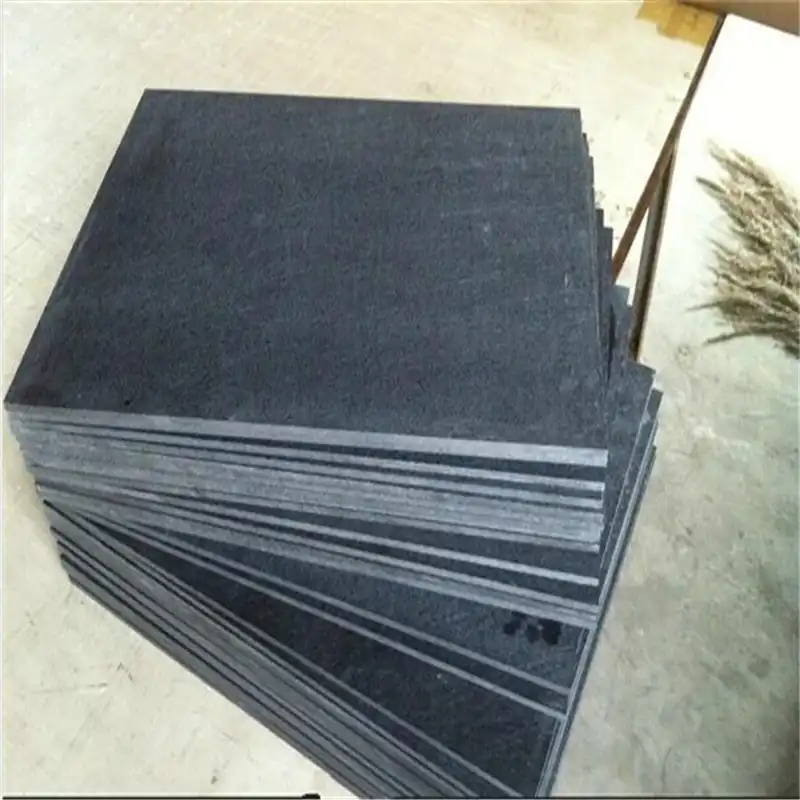
Synthetic stone slabs often exhibit distinctive thermal conductivity and heat tolerance characteristics when compared to genuine stones like granite, marble, and quartz. Withstanding temperatures as high as 1000°F (538°C) in some situations, natural granite usually withstands direct heat exposure better than many constructed equivalents. However, because of differences in internal structure and mineral content, natural materials often display uneven thermal characteristics.
Performance Advantages of Synthetic Materials
For high-temperature settings where consistent performance is crucial, synthetic alternatives are often preferred because to their improved consistency and resilience to cracking or discolouration under heat stress. In contrast to natural stone, engineered surfaces eliminate weak places that may collapse under heat stress by maintaining consistent thermal characteristics across installations.
Manufacturers of synthetic stone are able to tailor thermal characteristics for particular uses via manufacturing controls. This focused method produces materials that perform well in certain temperature ranges while preserving other desirable properties like durability and stain resistance. As a consequence, performance is predictable, something that natural materials can't always provide.
Comparative Analysis of Thermal Performance
This section discusses the relative benefits of synthetic slabs over natural stones, including structural stability, hardness levels, and resilience to heat shock. The ability of materials to withstand abrupt temperature changes is measured by thermal shock resistance, which is important in industrial and commercial environments where fast heating happens often.
High-quality synthetic surfaces, such as a synthetic stone slab, can withstand more than 500 heat cycles between room temperature and 250°F (121°C), according to laboratory tests. Similar testing often results in the development of microcracks in natural materials, which may cause discoloration and bacterial growth in food service applications. These performance differences guide material selection in accordance with the thermal requirements of certain applications.
Practical Applications and Maintenance for Optimal Temperature Resistance
Synthetic stone slabs are often utilized for outside façades, industrial worktops, kitchen countertops, and HVAC components in environments subjected to large temperature fluctuations. One of the most demanding settings is a commercial kitchen, where surfaces are subjected to steam, hot cookware, and abrupt temperature changes during regular operations.
Real-World Performance Examples
The adaptability of engineered stone surfaces under heat stress is shown by industrial applications. These materials are used in manufacturing facilities for work surfaces and machine bases where reliable dimensional stability is essential. Synthetic stone is used in testing facilities by the automobile industry to generate long-lasting working surfaces by combining temperature resistance and chemical resistance.
Their endurance under heat loads is shown by real-world case studies, which supports their use in a variety of industries. In their testing labs, a prominent appliance manufacturer found that using artificial alternatives instead of genuine stone resulted in a 15% longer service life. Premature failures that had dogged earlier installations were removed by the constant thermal characteristics.
Maintenance Guidelines for Thermal Performance
Routine maintenance includes reducing exposure to abrupt heat shocks, using the right cleaning solutions, and promptly repairing surface damage in order to maintain excellent temperature resistance. Frequent inspection plans assist in spotting any heat damage before it compromises overall functionality or aesthetics.
In order to ensure that synthetic stone slabs maintain their integrity and visual appeal over time without requiring expensive repairs or premature replacements, this section provides facility managers and end users with helpful maintenance advice. Using trivets for very hot objects, preventing thermal shock from ice contact on heated surfaces, and adhering to manufacturer-recommended cleaning protocols that maintain surface qualities are all examples of effective maintenance.
Procurement Insights: Selecting, Purchasing, and Installing Synthetic Stone Slabs for Heat Resistance
Understanding temperature resistance-related fundamental performance criteria and matching them to operational needs is the first step in choosing the best synthetic stone slab. Beyond the initial cost, procurement teams must consider installation requirements, maintenance requirements, and estimated service life under certain heat conditions.
Critical Selection Factors
The variety of slab types that are available, related expenses for materials, installation, and transportation, and supply chain dependability are important procurement considerations. Because different synthetic stone formulations have different thermal qualities, purchasers may manage their budgets and maximize performance for certain applications.
Manufacturers' temperature ratings vary greatly; premium grades can withstand intermittent contact with surfaces up to 350°F (177°C), while other materials are certified for continuous exposure up to 200°F (93°C). Instead of over-specifying for applications that don't need premium thermal performance, procurement teams may better match materials to real operating circumstances by being aware of these ratings.
Supply Chain and Installation Considerations
For international B2B customers managing project timetables, this section also offers guidance on the advantages of bulk purchase and anticipated shipping dates. Customization options that maximize thermal characteristics for particular applications are often available for large-volume purchases. Depending on the size of the order and the need for customisation, lead times usually fall between two and six weeks.
Proper substrate preparation and seaming procedures for a synthetic stone slab ensure that heat-resistance qualities are preserved throughout professional installation. Thermal expansion-trained installation crews guarantee that surfaces can withstand temperature-related movement without experiencing stress fractures. Procurement specialists may reduce risks and guarantee long-term investment value by taking these factors into account.
Understanding Thermal Testing Standards and Certifications
Benchmarks for assessing the thermal performance of various synthetic stone materials are provided by industry standards. Thermal expansion, heat deflection, and thermal shock resistance are measured under controlled settings using testing techniques published by ASTM International. Reliable data for procurement choices is produced by these standardized assessments.
Key Performance Metrics
The amount that materials expand or contract in response to temperature variations is indicated by thermal expansion coefficients. In contrast to natural granite, which has coefficients of 8–12 x 10^-6 per degree Celsius, high-quality manufactured stones usually have coefficients of 10–30 x 10^-6. When placed correctly, this expansion is well below acceptable levels for the majority of applications, although being somewhat higher than natural materials.
Under continuous thermal stresses, dimensional stability is measured by heat deflection testing. High-quality synthetic surfaces that are exposed to 200°F (93°C) for 24 hours maintain their flatness within 0.02 inches across 10-foot spans. Because of this stability, installations are guaranteed to be both visually beautiful and operationally sound for the duration of their service life.
Conclusion
One essential characteristic that affects how well synthetic stone slab installations perform in hot and humid conditions is temperature resistance. Procurement experts are better equipped to make choices that strike a balance between performance needs and financial restrictions when they have a thorough understanding of how these designed materials react to heat exposure. In situations where predictable performance is required, the constant thermal characteristics of high-quality synthetic stones can provide benefits over natural alternatives. Throughout the material's service life, excellent thermal performance is ensured by careful material selection, expert installation, and maintenance procedures.
FAQ
Synthetic stone slabs can they survive high temperatures?
The majority of high-quality synthetic stone slabs can withstand short contact with surfaces up to 300–350°F (149–177°C) and continuous exposure to temperatures up to 200°F (93°C) without experiencing any problems. It is crucial to confirm standards for crucial applications since these ratings vary depending on the manufacturer and particular product composition.
What is the difference in heat resistance between real granite and synthetic stones?
In general, natural granite can tolerate temperatures beyond 1000°F (538°C), which is greater than that of manufactured equivalents. However, for applications requiring abrupt temperature fluctuations, synthetic stones are preferred because to their more constant thermal characteristics and superior resilience to thermal shock.
Which maintenance procedures maintain resistance to temperature changes?
Thermal performance may be maintained by using protected trivets for very hot things, avoiding rapid thermal shock, and routinely cleaning with the right chemicals. Surface damage must be addressed right once to avoid heat cycling causing more serious issues that might jeopardize the integrity of the installation.
Partner with J&Q for Superior Synthetic Stone Solutions
With more than 20 years of manufacturing quality and more than 10 years of experience in international trading, J&Q is your go-to source for synthetic stone slabs. Our knowledge of thermally resistant materials aids procurement teams in choosing the best options for applications requiring high temperatures. We provide personalized goods that satisfy certain temperature needs while guaranteeing constant batch quality, and we maintain extensive quality processes.
Our integrated logistics network streamlines your procurement process and shortens project schedules by offering one-stop service from material selection to delivery. To explore your needs for temperature-resistant materials and learn how our solutions might improve performance in your next high-thermal application, get in touch with our technical team at info@jhd-material.com.
References
American Society for Testing and Materials. "Standard Test Methods for Thermal Properties of Composite Materials." ASTM D7984-16. West Conshohocken: ASTM International, 2016.
Building Stone Institute. "Technical Guidelines for Engineered Stone Installation in High-Temperature Environments." BSI Technical Bulletin 2019-03. New York: Building Stone Institute, 2019.
International Association of Certified Home Inspectors. "Comparative Analysis of Countertop Materials: Thermal Performance Study." InterNACHI Research Division Report. Boulder: InterNACHI, 2020.
Natural Stone Institute. "Thermal Properties of Natural and Engineered Stone: A Comprehensive Comparison." NSI Technical Manual Section 4.2. Oberlin: Natural Stone Institute, 2021.
Quartz Surface Manufacturers Association. "Industry Standards for Thermal Testing of Engineered Stone Products." QSMA Standard 2022-T1. Washington DC: QSMA, 2022.
Society of Plastics Engineers. "Thermal Behavior of Polymer-Based Composite Materials in Construction Applications." SPE Conference Proceedings Volume 78. Bethel: Society of Plastics Engineers, 2020.