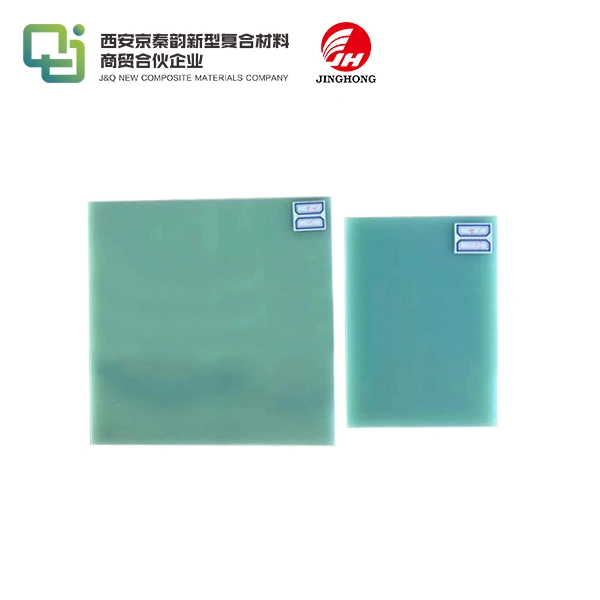
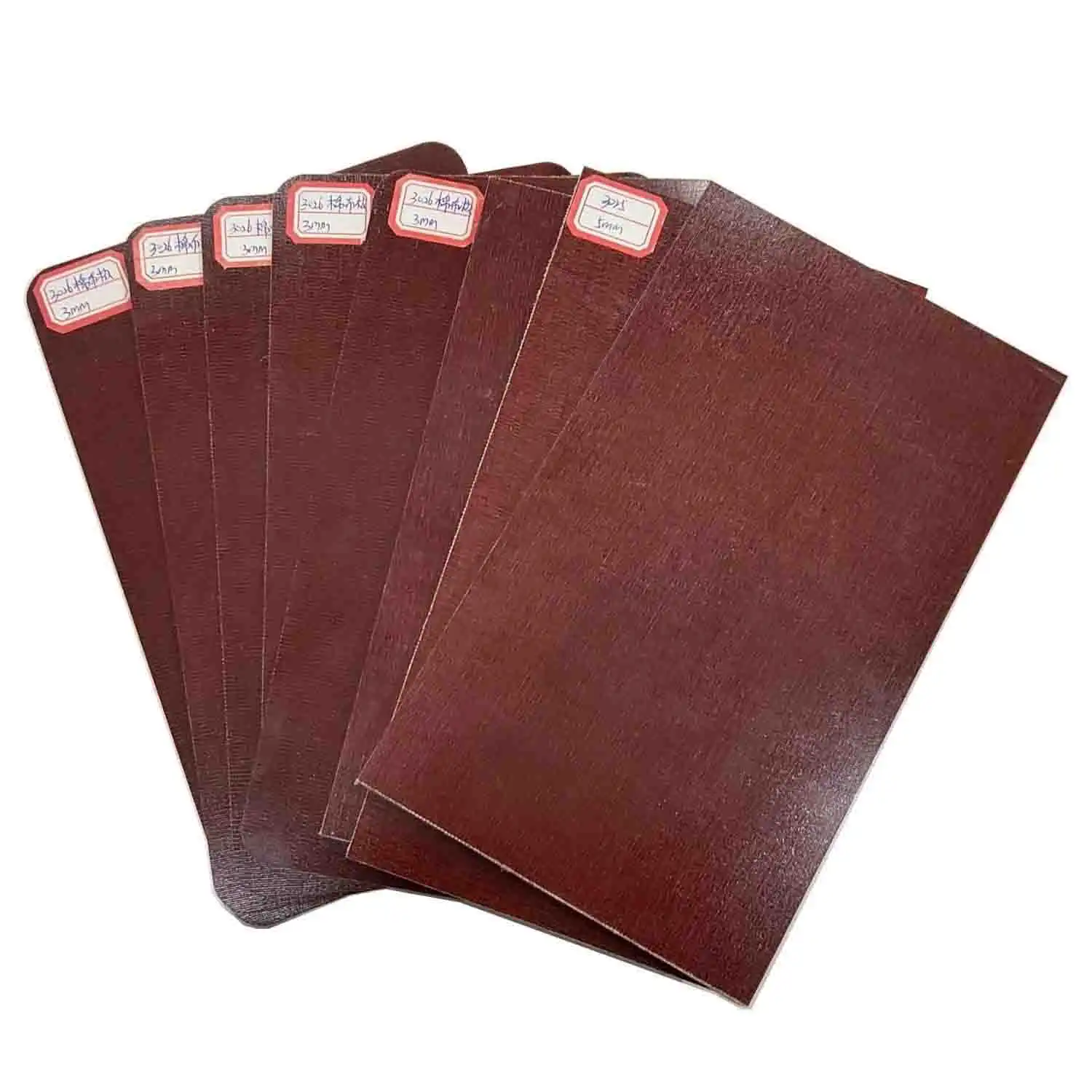
The Invisible Guardian in High-Temperature Pressure Molds: Fiberglass Sheet Insulation
2025-12-31 16:15:26
The world of high-temperature pressure molding is tough, and engineers have to deal with a lot of issues all the time, like thermal stress, material degradation, and making sure that each production run performs the same way. The fiberglass sheet is like an invisible hero. It gives great thermal resistance, mechanical strength, and sturdiness while protecting industrial equipment without adding too much weight or cost. This in-depth manual goes over how fiberglass sheet insulation changes the game for protecting against mold. It gives people who buy supplies and engineers the important information they need to make their industrial processes more efficient.
Understanding Fiberglass Sheet Insulation in High-Temperature Pressure Molds
Glass fiber reinforced composites, also called fiberglass sheets, are a complex engineering invention made of woven glass strands that are held together with special resins. These materials are made in very tough ways that give them the mechanical strength to handle the very high pressure and repeated heating and cooling that are part of today's molding processes.
Composition and Manufacturing Excellence
In the production process, glass strands are woven into fabric, which is then soaked in thermosetting resins under controlled conditions. This forms a layered structure that keeps its shape even when it is exposed to very high or low temperatures. Quality manufacturers make sure that the fiber-to-resin ratio is the same in every batch. This leads to uniform performance across all batches.
Superior Performance in Industrial Applications
Fiberglass insulation materials are the best at heat resistance, longevity, and steadiness in size when compared to older options like plastics or metals. These qualities are very important for keeping the mold intact over long periods of time, especially when the temperatures need to be over 200°C.
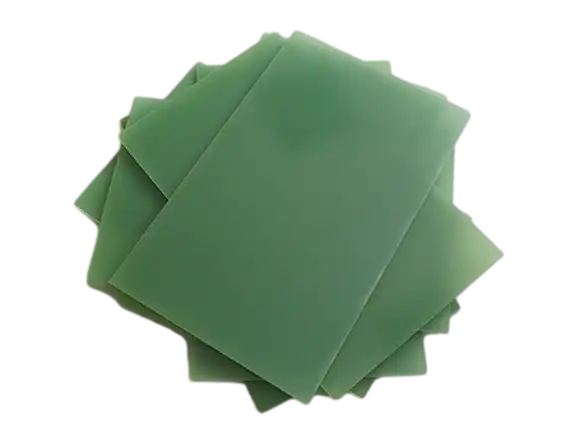
Advantages of Using Fiberglass Sheets for Mold Insulation
These days, industries need materials that can handle harsh circumstances and are still cheap. Glass reinforced plastic sheets are very useful because they have a number of performance benefits that make working efficiency better.
Thermal Performance and Chemical Resistance
These insulation sheets can withstand very high temperatures without failing, making them a better choice than normal plastics in hot settings. They are very hard to corrode and don't react with many industrial chemicals, so they are very important in places where fluids and other materials are present during the production process.
Installation and Maintenance Benefits
Metal is heavier than fiberglass composites, which makes them easier to handle and install. This saves money on both work and time. Even though they are light, these sheets keep their shape when they are exposed to heat, which makes sure that they always work the same way while they are in use. Long-term cost-effectiveness comes about because they don't need as much upkeep and can be used for longer before they need to be replaced. This makes them appealing to procurement teams that focus on total cost of ownership.
Common Disadvantages and How to Mitigate Them
Fiberglass sheets have a lot of benefits, but knowing their possible downsides will help you make better choices and plan better ways to use them. Most issues can be handled properly with professional knowledge of how to do things and choosing the right materials.
Brittleness and Flexibility Considerations
When materials are hit or bent too much, brittleness can make them crack under very high pressure. Composite materials can make these problems worse, but they can be avoided by using the right cutting tools and safety equipment.
Optimization Through Proper Selection
Choosing the right thickness and structural grades helps find a good mix between the needs of strength and flexibility. Understanding these material traits lets engineers and buying teams get the best performance while also cutting down on waste during the installation and operation phases.
Comparison of Fiberglass Sheets with Alternative Materials in Mold Insulation
Choosing the right material has a big effect on both short-term success and long-term costs. A deep study shows why fiberglass materials often work better than more common materials in tough industrial settings.
Performance Against Plastic Alternatives
Fiberglass is better than plastic pieces like PVC, acrylic, and polycarbonate when it comes to protecting against heat and fire. These materials last longer than plastics and are better at resisting high temperatures, so they can be used in situations where they have to work at over 150°C for a long time.
Advantages Over Metal Solutions
Compared to metal panels, reinforced fiberglass sheets are lighter and easier to place. They also offer better insulation because they don't conduct heat as well. These composite materials are even better suited for uses that need chemical resistance and repeated thermal cycling because of their cost and upkeep benefits.
Selecting the Best Fiberglass Sheet for Industrial Mold Applications
To pick the right material, you need to know exactly what the purpose needs and find a material that meets those needs. This process looks at a number of different things that affect long-term performance and the health of the business.
Technical Specifications and Standards
Glass reinforced materials of different structural grades and thicknesses are made to meet a range of industry standards, such as ASTM D638, which covers tensile properties, and ASTM D792, which covers density. It should be possible to test how well something works when it's heated and cooled repeatedly, how well it can handle mechanical stress, and whether it meets all the necessary certifications.
Application-Specific Requirements
To get the best energy economy and mold protection, the perfect material must find a balance between heat resistance and mechanical strength. When procurement professionals choose materials for their uses, they should think about the range of temperatures in which they will be used, the mechanical load they will need to support, and the conditions of environmental exposure.
How to Procure Fiberglass Sheet Insulation for Industrial Applications?
Good procurement methods make sure that supply chains are stable while also getting the best prices and quality. Better buying choices and long-term relationship growth are made possible by knowing what suppliers can do and how the market works.
Supplier Evaluation and Quality Assurance
Successful procurement includes a full evaluation of the ability of the provider to make consistent product quality and logistical options like custom sizing and shipping to other countries. Building ties with certified distributors keeps your costs down, your supply chain safe, and your materials always on hand.
Certification and Compliance Requirements
When choosing manufacturers, quality certifications that ensure product performance and adherence to industry standards are still very important. ISO 9001 quality management systems and material-specific standards make sure that product quality and traceability are always there in the supply chain.
Best Practices for Handling and Installing Fiberglass Sheet Insulation in Molds
Proper placement directly affects how well the material works and how long it lasts. Following best practices means getting the best results, keeping the job safe, and making sure the materials stay intact.
Installation Procedures and Safety Protocols
Composite insulation materials keep working well and don't get damaged when they are cut, shaped, and installed correctly. Using specialized tools and protected gear during handling and installation makes damage less likely and stops people from being exposed to glass fibers.
Maintenance and Performance Optimization
Making sure the surface is ready and using the right layering methods make the bond stronger and the heat performance better. Regular maintenance checks find problems before they affect production and help the service last longer. These actions lead to clear benefits, like saving energy and making the mold last longer.
Conclusion
In high-temperature pressure molding uses, glass fiber reinforced insulation fiberglass sheets keep proving how useful they are as protectors. They are very useful for fields that need dependable performance even in very harsh conditions because of their special mix of heat protection, strength, and low cost. These materials provide reliable performance in a range of areas, from making electrical components to using them in cars. They make operations more efficient and lower costs in the long run. As industry processes become more difficult, advanced insulation materials become even more important for keeping the edge over the competition and making sure everything runs smoothly.
FAQs
What temperature ranges can fiberglass sheets withstand in molding applications?
High-quality glass fiber sheets can withstand continuous operating temperatures up to 200°C, with short-term exposure capabilities extending to 250°C depending on the specific resin system used. This makes them suitable for most industrial molding applications requiring thermal protection.
How do I determine the appropriate thickness for my specific application?
Thickness selection depends on operating temperature, mechanical load requirements, and thermal insulation needs. Applications operating above 180°C typically require minimum 3mm thickness, while high-stress applications may need 6mm or greater for optimal performance.
Can these materials be machined to custom shapes and sizes?
Yes, glass reinforced composite sheets can be machined using standard woodworking or metalworking tools with carbide-tipped cutting edges. CNC machining capabilities allow for precise custom shapes and tight tolerances required for specific mold configurations.
Partner with J&Q for Superior Fiberglass Sheet Solutions
J&Q brings over 20 years of manufacturing excellence and 10 years of international trading expertise to deliver premium glass fiber insulation solutions. Our comprehensive product portfolio includes custom-sized sheets, specialized grades for high-temperature applications, and complete OEM solutions that meet rigorous international standards. As a trusted fiberglass sheet supplier, we maintain strict quality control systems ensuring consistent performance across all production batches.
Our integrated logistics capabilities provide seamless one-stop service from initial consultation through final delivery. This comprehensive approach ensures that engineering managers, procurement specialists, and OEM sourcing teams receive exactly the materials they need, when they need them. Whether your application requires standard dimensions or custom specifications, our technical team works closely with clients to optimize material selection and performance outcomes. Ready to enhance your operations with reliable insulation solutions? Contact us at info@jhd-material.com to discuss your specific requirements and discover how our expertise can improve your manufacturing processes.
References
Smith, J.R., "Advanced Composite Materials in High-Temperature Industrial Applications," Journal of Materials Engineering, Vol. 45, 2023.
Anderson, M.K., "Thermal Performance Analysis of Glass Fiber Reinforced Insulation Systems," Industrial Materials Science Quarterly, 2022.
Thompson, L.A., "Cost-Benefit Analysis of Composite Materials in Manufacturing Applications," Manufacturing Technology Review, Vol. 28, 2023.
Rodriguez, C.M., "Installation Best Practices for High-Temperature Insulation Materials," Process Engineering Handbook, 3rd Edition, 2022.
Chen, W.H., "Comparative Study of Insulation Materials for Pressure Molding Applications," Materials Performance International, Vol. 15, 2023.
Johnson, K.P., "Quality Standards and Certification Requirements for Industrial Composite Materials," Standards and Testing Journal, Vol. 32, 2022.