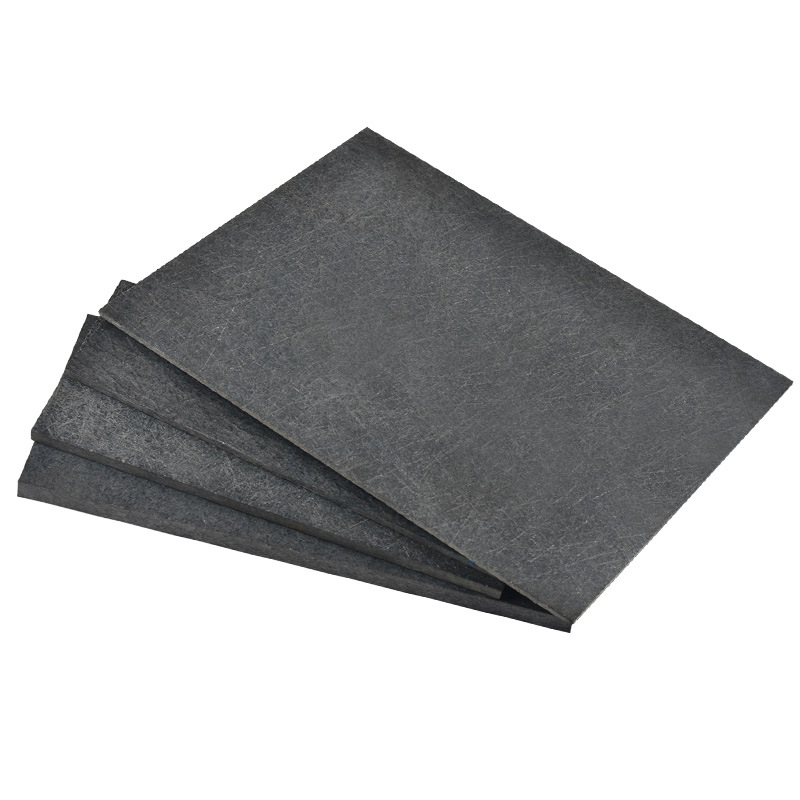
Insulation Sheet Selection Guide: In-depth Exploration of the Characteristics and Applications of Common Insulation Boards
2025-12-31 16:15:27
Choosing the best insulation sheet for your job needs a deep knowledge of the material's features, how it performs, and the needs of the job. In the electrical, industrial, and business sectors, modern insulation boards are very important because they keep heat in, protect against electricity, and add strength to structures. Modern insulation sheet options offer improved fire resistance, superior dielectric strength, and improved machinability thanks to developing technology and changing industry standards. This guide goes over the basic features of popular insulation boards. It is meant to help engineering managers and procurement teams make smart choices that keep costs down, performance up, and boards compliant with the law.
Understanding Insulation Sheets: Types, Functions, and Key Benefits
Core Functions and Material Categories
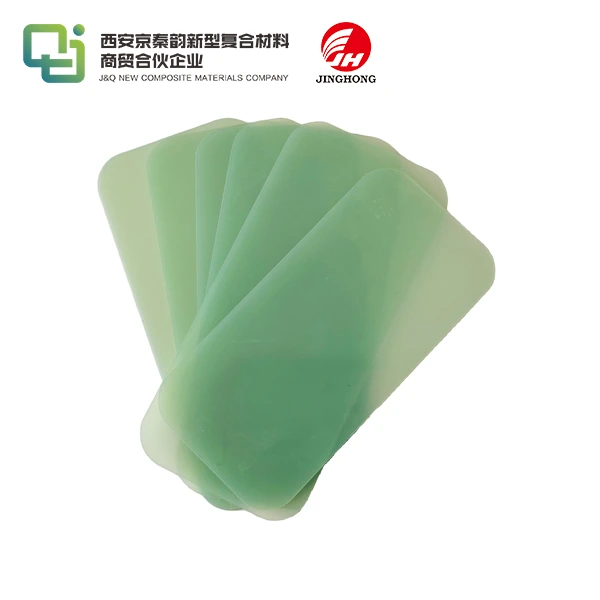
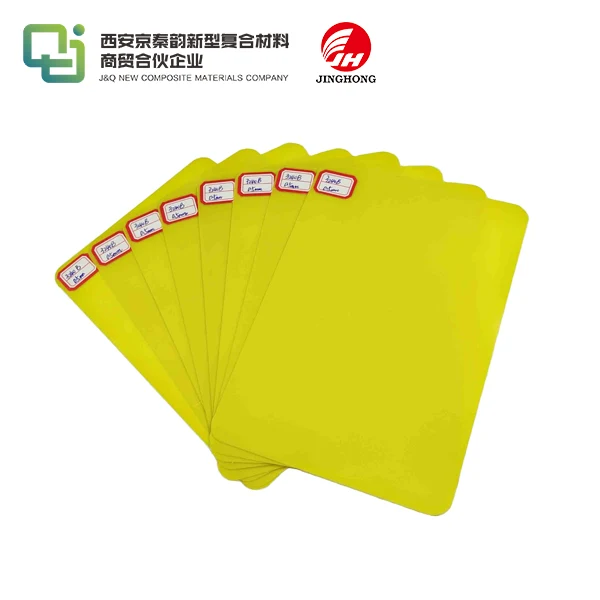
The main job of insulation boards in a range of industries is to keep heat in or out, protect against electrical currents, and provide support. These specialized materials keep heat from moving, protect electricity safety, and keep structures strong in tough conditions. Phenolic cotton sheets, epoxy glass laminates (FR4), Bakelite phenolic boards, and 3240 epoxy boards made for high-temperature use are the most popular types.
Each group of materials has its own unique benefits that are best suited for certain tasks. Phenolic cotton sheets are great for mechanical uses that need to keep their shape and don't need a lot of electrical protection. Epoxy glass laminates are great for PCB support and precision electrical parts because they are easy to work with and have great electrical qualities. If you don't need to meet high performance standards, Bakelite phenolic materials are a cheap and useful option for general shielding.
Technical Parameters and Performance Standards
A good way to choose the right material for a job is to know about the important scientific details. Dielectric strength is usually measured in kilovolts per millimeter. It shows how well a material can keep from breaking down when there is a lot of electricity. The temperature number shows the highest temperature at which it can keep working. This is important for situations where it will be used with parts that generate heat or in generally hot settings.
The material's mechanical properties, such as its flexural strength, compressive strength, and dimensional stability, have a direct effect on how well it works for structural uses. UL94 flammability ratings make sure that fire safety rules are followed, and RoHS approval makes sure that the product is okay for the environment. These standards show the range where each type of insulation sheet works well.
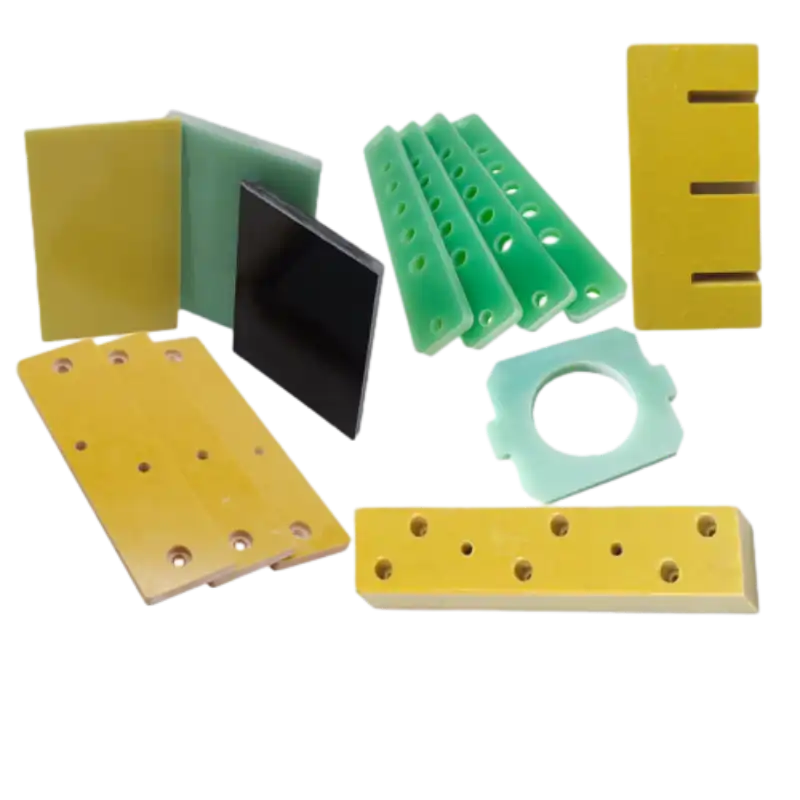
Comparing Insulation Sheets: Material Performance and Application Suitability
FR4 vs. Phenolic Materials: Performance Analysis
FR4 epoxy glass laminates are the best choice for electrical uses that need dielectric properties and flame resistance. These materials keep their electrical properties over a wide range of temperatures and also keep their shape very well when being machined. The glass fiber reinforcement makes it stronger than most phenolic options, especially when used in situations with high mechanical stress or thermal cycles.
Phenolic cotton laminates are very useful in mechanical uses with moderate electrical performance needs. These materials are great for gear uses, bearing supports, and structural parts where resistance to wear and accuracy in dimensions are more important than electrical properties. Phenolic materials are good for applications with big volumes where they don't need to work well with electricity because they are cheaper than other options.
Specialized Applications and Material Selection
The power business needs materials that can withstand high temperatures and flames. Arc-resistant phenolic boards that are specially designed for switchgear uses work well even when there are fault conditions. These materials are tested a lot to make sure they stay strong when they come into contact with electrical sparks. This protects the people and the equipment around them.
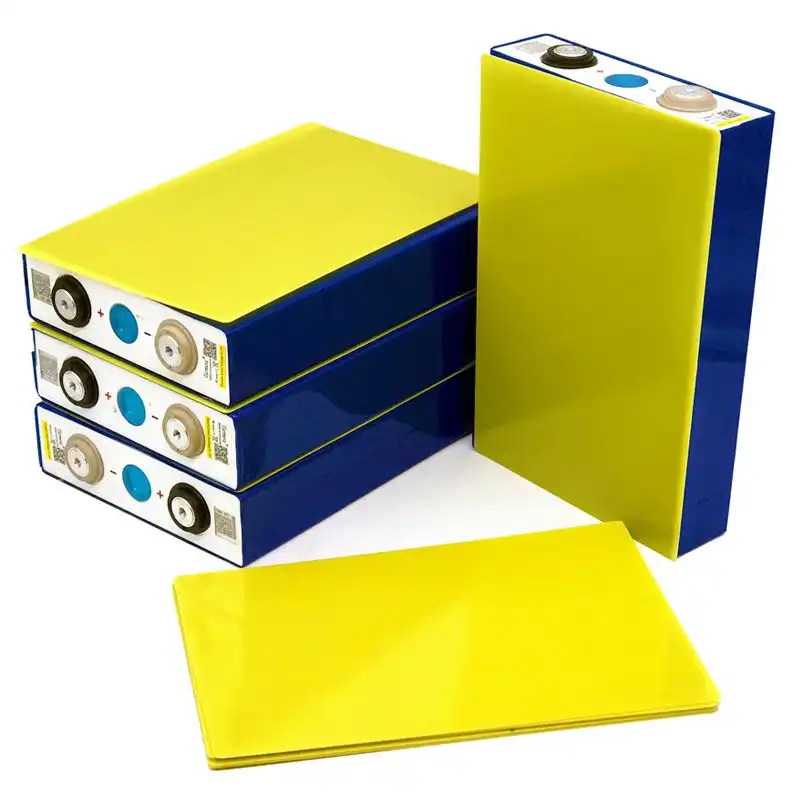
More and more automotive uses need materials that can both insulate electricity and control heat. Battery packs need materials that can keep electricity from flowing through them while also protecting delicate parts by moving heat away from them. This two-fold need leads to the choice of epoxy laminates with better heat conductivity.
Practical Installation and Thickness Guidelines for Optimal Insulation
Thickness Selection and Application Requirements
Choosing the right thickness balances the needs of efficiency, cost, and space. When room is limited and electrical performance is critical, electrical applications usually need thinner materials (0.5mm to 6mm). In mechanical settings, it is common to use bigger (6mm to 25mm) materials when structural strength and dimensional stability are important.
Environmental factors have a big impact on how thick something needs to be. In places with a lot of humidity, it may be necessary to use thicker materials to keep moisture out and maintain electrical qualities over time. No matter how thick they are, materials with consistent thermal expansion properties are useful for temperature cycling uses.
Machining Considerations and Quality Assurance
The CNC machinability of insulation sheet materials is very different from one to the next, which affects how quickly and how well parts are made. When the right cutting settings are used, FR4 materials usually don't damage the tools or get messy during machining. Phenolic materials can make dust when they are machined. To keep the dimensional accuracy, they require proper air and the right tools.
Quality control during fabrication makes sure the finished parts meet the standard needs. The way that parts fit together, the smoothness of the surface, and the quality of the edges have a direct effect on both the assembly and the long-term performance. Setting clear quality standards and inspection methods keeps products reliable and avoids expensive fails in the field.
Procurement Insights: How to Source and Buy Insulation Sheets Efficiently
Supplier Evaluation and Partnership Development
Successful procurement starts with a thorough evaluation of the suppliers with a focus on delivery performance, quality systems, and manufacturing skills. Established sellers usually keep a lot of different materials on hand so they can quickly meet urgent needs and offer good prices on planned purchases. When apps have special needs or difficult operating conditions, technical help becomes very important.
Engineers and material development plans are available to companies that work with qualified suppliers for a long time. These relationships make it possible to get better materials early and lower costs through joint research efforts. Supplier consolidation often leads to lower costs for high-volume purchases and easier transportation. This can be done safely by setting up alternative sourcing plans.
Cost Optimization Strategies
The cost of materials is a big part of the overall cost of a project, so to get an edge over the competition, cost efficiency is necessary. Agreements for volume purchases make sure that the price is stable and that materials are available during times of high demand. Standard thickness and grade specifications usually come at a better price than custom materials. However, the needs of the product will decide which materials are used.
Total cost analysis figures out the best value by looking at the price of the material, the cost of cutting, and the performance features. Better materials might make higher upfront costs worth it by making the machine easier to use, lasting longer, or improving performance. This all-encompassing method makes sure that buying choices back the main goals of the project instead of just lowering the costs of materials.
Trusted Brands and Supplier Selection: Ensuring Quality and Reliability
J&Q: Your Reliable Insulation Sheet Partner
J&Q is a top maker that makes high-quality electrical insulation materials designed for difficult industrial uses. We have over twenty years of experience in production and manufacturing, which has made us a trusted partner for global makers of electronics and electrical parts, builders of industrial machinery, and suppliers of automotive parts.
International standards for quality are very high, and all of our many different products meet them. They include FR4 epoxy glass laminates, 3240 epoxy boards, phenolic cotton sheets, and Bakelite materials. Advanced quality control methods make sure that materials always have the same properties and that they always work well in a wide range of situations. Our in-house logistics make shipping quicker and easier for customers around the world. This helps the supply chain run more smoothly.
Quality Assurance and Certification Standards
Material approval gives you peace of mind that goods meet certain rules and performance standards. In global markets, UL approval makes sure that flame resistance compliance is followed, and the RoHS certification makes sure that environmental acceptability is followed. ISO quality system approval shows that you are dedicated to always using the same methods for making things and always looking for ways to make things better.
Traceability systems make it possible to quickly find out about a material's features and how it was made. This is very important for uses that need to have all the information written down. Compliance statements, test results, and material property data are all things that are usually found in certificate packages. These help to make sure that quality standards are met. This paperwork is very important for businesses that have strict rules or are worried about liability.
Conclusion
Selecting optimal insulation sheets requires careful consideration of application requirements, material properties, and supplier capabilities. Understanding the distinct characteristics of FR4, phenolic, and epoxy materials enables informed decisions that balance performance with cost-effectiveness. Technical parameters including dielectric strength, temperature rating, and mechanical properties guide material selection for specific applications.
Successful procurement strategies emphasize supplier partnerships, quality assurance, and total cost optimization rather than simply minimizing initial material costs. Working with established manufacturers like J&Q ensures access to technical expertise, consistent quality, and reliable delivery performance essential for project success.
FAQs
How do I determine the appropriate thickness for my insulation sheet application?
Thickness selection depends on your specific requirements including electrical voltage levels, mechanical loads, and space constraints. Electrical applications typically use 0.5-6mm thickness for adequate dielectric strength, while mechanical applications may require 6-25mm for structural integrity. Consider environmental factors like temperature and humidity when making your selection.
What's the difference between FR4 and phenolic insulation materials?
FR4 epoxy glass laminates offer superior electrical properties, flame resistance, and dimensional stability, making them ideal for electronic applications. Phenolic materials provide excellent mechanical properties at lower cost, suitable for structural applications where moderate electrical performance is acceptable. Your choice depends on balancing performance requirements with budget considerations.
Which certifications should I look for when selecting insulation sheets?
Essential certifications include UL94 flammability ratings for fire safety, RoHS compliance for environmental regulations, and relevant electrical safety standards like IEC or ASTM specifications. Industrial applications may require additional certifications specific to your industry or geographic market.
Partner with J&Q for Superior Insulation Solutions
J&Q delivers exceptional value through our comprehensive insulation sheet solutions, combining over 20 years of manufacturing expertise with dedicated customer support. Our advanced manufacturing capabilities ensure consistent quality and reliable delivery for your critical applications. As an experienced insulation sheet supplier, we provide technical guidance, custom solutions, and competitive pricing that supports your project success. Our integrated logistics services streamline the procurement process while maintaining the highest quality standards. Ready to optimize your insulation requirements? Contact us at info@jhd-material.com to discuss your specific needs and discover how our expertise can enhance your project outcomes.
References
Smith, Robert J. "Electrical Insulation Materials: Properties and Applications in Industrial Equipment." Journal of Electrical Engineering Materials, Vol. 45, 2023.
Chen, Lisa M. "Comparative Analysis of Phenolic and Epoxy Laminates for High-Temperature Applications." International Materials Science Review, Issue 12, 2023.
Johnson, Michael K. "Quality Standards and Certification Requirements for Industrial Insulation Materials." Manufacturing Quality Quarterly, Spring 2023.
Williams, Sarah P. "Cost-Effective Procurement Strategies for Electrical Insulation Components." Industrial Purchasing Management, Vol. 28, 2023.
Anderson, David R. "Fire Resistance and Safety Performance of Modern Insulation Boards." Safety Engineering Today, Issue 8, 2023.
Taylor, Jennifer L. "Machining Considerations for Precision Insulation Component Manufacturing." Precision Manufacturing Technology, Vol. 15, 2023.