What Factors Affect the Service Life of Epoxy Sheets?
2026-01-04 16:46:53
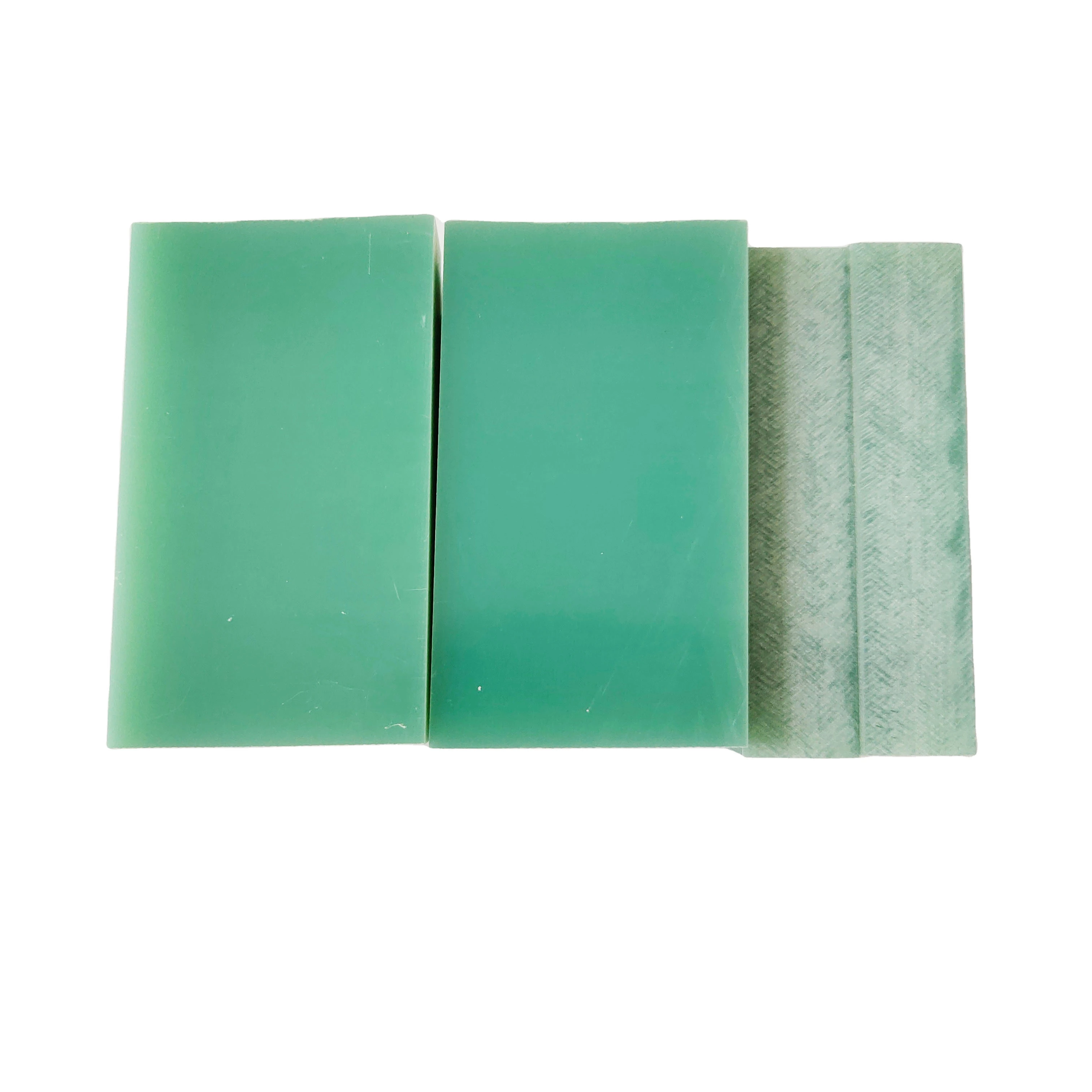
Epoxy sheets can last a long time or a short time depending on what they are made of, where they are used, how much they are used, and how well they are installed. If you use the right epoxy glue and glass fiber support, you can make something last a lot longer. But high heat and cold, UV rays, chemical solvents, and mechanical wear will make it break down faster. Understanding these important details helps procurement managers and engineers choose the best epoxy sheet standards. The right choices will make sure that the sheets work well in the long term, even in tough industry conditions.
Introduction
Epoxy sheets are very important because they have great mechanical, thermal, and chemical qualities, and they are used in many different fields, including electronics, shielding, and industry. It is important for buying managers, engineers, and wholesalers who work in global B2B markets to know what affects the service life of epoxy sheets so they can make good choices about when to buy and use them.
Today's factories need materials that can handle tough situations and keep working well over long periods of time. Epoxy-based laminates are now the most popular choice for projects that need excellent physical stability, electrical protection, and resistance to damage from the environment. This deep study looks into the features, environmental factors, and common sense issues that affect longevity. It gives useful advice on how to best procurement methods and make sure long-term performance.
As industrial uses become more complicated, we need to better understand how different factors work together to determine how long materials last. Epoxy sheets must always work well in a range of settings, from PCB boards in electronics manufacturing to parts of power generation equipment.
Understanding Epoxy Sheets: Properties and Applications
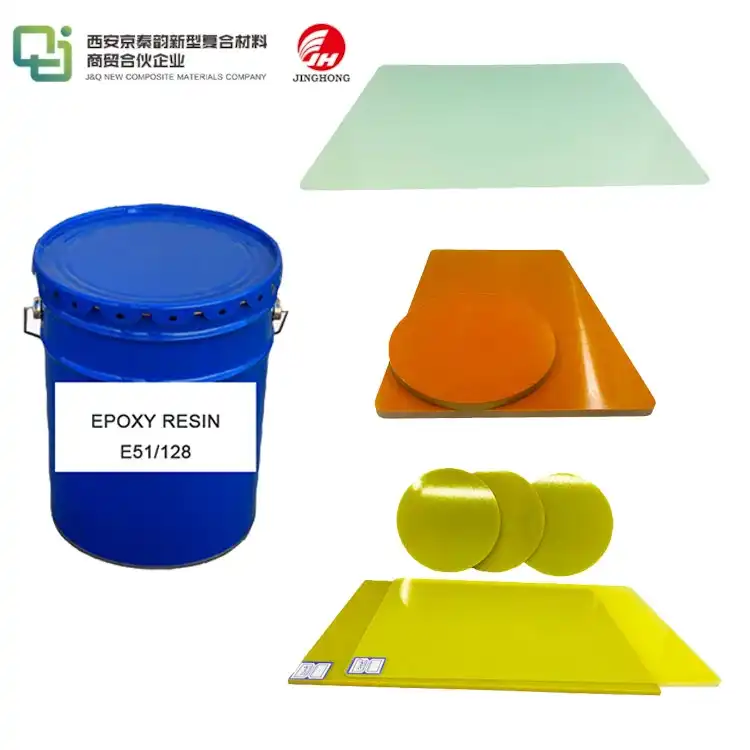
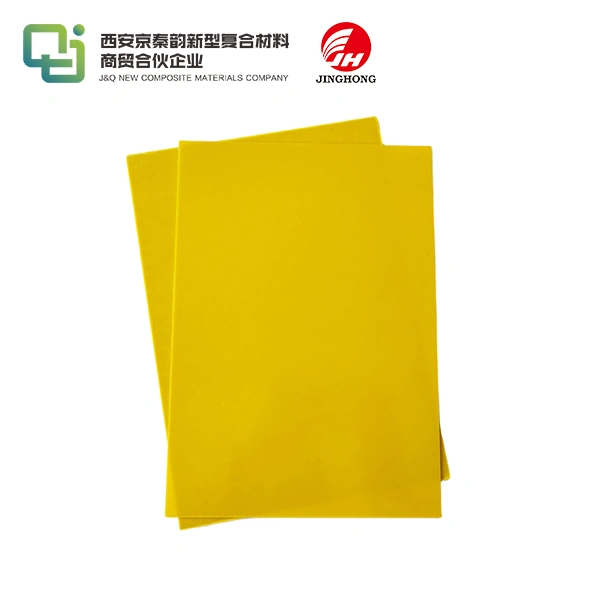
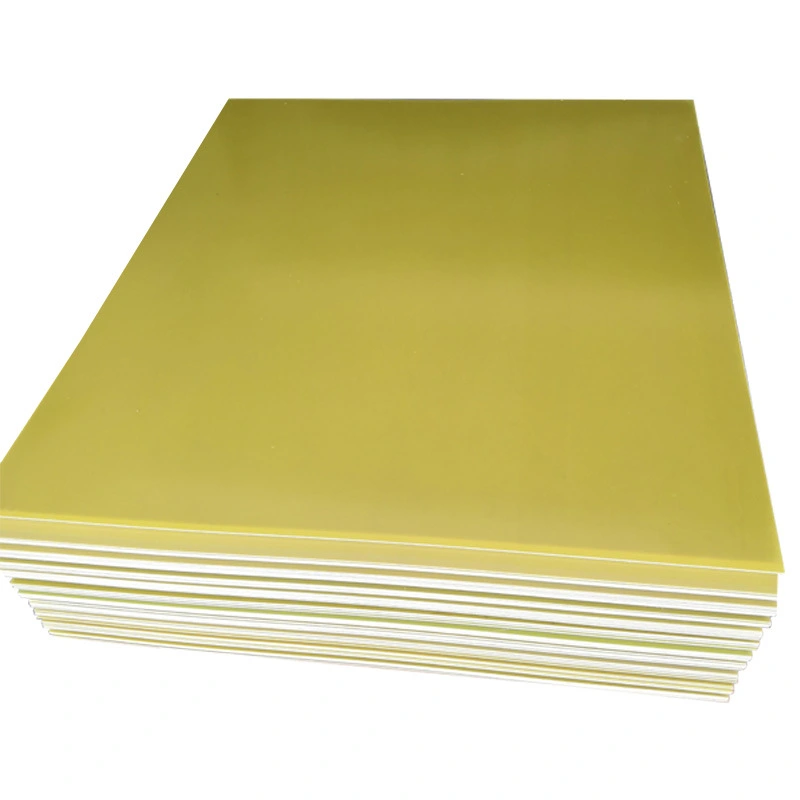
Epoxy sheets are prized because they are very strong, can fight chemicals, insulate electricity, and keep moisture out. These inherent qualities determine how long they can be used in different situations and how well they can withstand damage. The basic structure uses epoxy resin matrices and reinforcing materials, which are usually cloth made of glass fiber. This makes composites that work better than plastics that aren't strengthened.
Key Material Properties
The way epoxy laminates work mechanically is based on the combined effects of the glue chemistry and the fiber support. The usual range for flexural strength is 300–500 MPa. In high-quality materials, the tensile strength may go above 400 MPa. These numbers mean that when these materials are used in machines and electrical tools, they can better withstand the stress of being used.
Another important feature that affects the service life is thermal stability. Epoxy sheets of good quality keep the structure intact at temperatures up to 130°C. Some specialized types work well at 180°C or higher. This thermal resistance stops early wear and tear in situations where parts that generate heat are present or where the temperature of the air is high.
Common Applications and Performance Requirements
Some common areas where this is used are electrical insulation, parts that give structure to industrial machines, and protection layers that work better than regular fiberglass and other materials in certain situations. In making electronics, epoxy sheets are used as PCB bases because they keep the shape of the board and don't absorb a lot of water, which keeps the circuits from failing. In power generation facilities, these materials are used for arc barriers and generator insulation in places where it's very important that they can fight flames and hold electric charge.
Procurement experts can find the best epoxy sheet type for specific operating needs by pointing out important differences like thermal stability and dielectric strength. Understanding these application-specific needs makes it easier to choose the right materials and get better long-term results.
Primary Factors Affecting the Service Life of Epoxy Sheets
Epoxy sheets can last for different amounts of time depending on the materials used to make them, how carefully they are made, where they are used, how they are used, and how often they are taken care of. Each one adds in its own way to the total durability, and how they work together often decides the actual operational lifespan in real-world uses.
Material Composition and Manufacturing Quality
The way resins are made and the methods used to cure them have a direct impact on how long they last. Advanced epoxy systems include UV stabilizers, impact modifiers, and flame retardant ingredients that make the epoxy more resistant to certain ways that it can break down. Making sure that precision is used in lamination keeps the fiber-to-resin ratio the same and gets rid of empty spaces that could cause early failure.
The profile for curing has a big effect on the cross-link density and leftover stress levels in the final laminate. Items that are properly cured will have better chemical protection and physical stability. If something is not cured enough, though, it might lose these properties as time goes on. Quality makers use strict process controls to make sure that all parts of the material cure in the same way.
Environmental Exposure Factors
Environmental factors for epoxy sheet like UV exposure, changes in temperature, and chemical contact speed up degradation in different ways. Ultraviolet radiation breaks down polymer chains at the top layers, which makes the surface look like chalk and lowers the material's tensile qualities. Thermal stress from temperature cycling can spread micro-cracks, especially where different materials meet.
Chemical exposure is a complicated way of breaking down materials, in which certain solvents, acids, or bases damage the epoxy matrix or fiber size. It is very important to know about chemical compatibility when using cleaning agents, hydraulic fluids, or other chemicals in an industry setting.
Mechanical Stress and Loading Conditions
Mechanical wear from shaking and loads, as well as correct fitting and upkeep, have a big effect on how long it lasts. Fatigue loading at stress levels much lower than the part's ultimate strength can cause cracks to spread, which will finally break the part. If you don't know exactly how they work, vibration settings can create complicated forms of stress that are stronger than what the design was based on.
Procurement teams can choose and oversee epoxy sheets that meet strict industry standards and long operating lifecycles when they understand how these factors work together. Individual performance measures shouldn't be the focus when specifying materials. Instead, the whole working environment should be carefully analyzed.
Comparing Epoxy Sheets with Other Materials: Service Life Insights
When you compare epoxy sheets to fiberglass, acrylic, plastic, phenolic, and glass epoxy sheets, you see big differences in how long they last and how they work under stress, heat, and when they are exposed to chemicals. These comparisons of materials give useful information for buying decisions where long-term stability and cost-effectiveness guide how choices are made.
Performance Comparison Across Material Types
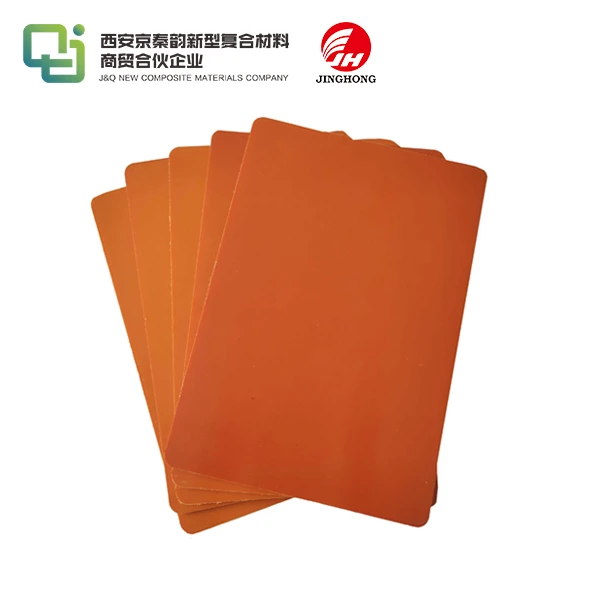
Epoxy sheets usually have better heat protection and mechanical strength than acrylic or other common plastics. In some industrial settings, they work much better than phenolic sheets. Standard phenolic laminates get weak in the cold and aren't as good at resisting chemicals as newer epoxy versions. Acrylic materials have great visual clarity, but they aren't strong enough to be used in structure uses.
The most exact match to normal epoxy laminates are glass epoxy sheets, especially those of the FR4 grade. The glue chemistry and flame suppressant systems are not the same in these materials, even though they are made in similar ways. FR4 materials usually have a little higher glass transition temperature and better protection to fire. This makes them the material of choice for electronics that need to be recognized by UL.
Service Life Implications
These similarities help make smart choices about which materials to use based on the need for longevity in each individual case and cost-effectiveness. This is important for making strategic procurement choices. Knowing the pros and cons of the upfront cost of materials and the estimated length of time they will last helps people make better total cost of ownership calculations. Sometimes, buying better materials that cost more at first is smarter in the long run because they need less care and don't have to be replaced as often.
Practical Guidelines: How to Maximize the Service Life of Epoxy Sheets
Choosing the right thickness and resin grades for the epoxy sheet based on the temperature and chemical conditions it will face will help it last as long as possible. Choosing the right materials is the most important step in getting the best service life, but proper handling, installation, and upkeep are also very important for getting the best performance.
Material Selection and Specification
A proper material design starts with a close look at the working conditions, such as temperature ranges, chemical exposure, mechanical loads, and environmental factors. Choosing plastic systems with the right glass transition temperatures stops them from getting softer at high temperatures. Choosing the right width keeps mechanical loads in mind and keeps material costs down.
In electrical uses, flame retardant standards often decide what materials to use. Knowing how halogenated and halogen-free flame retardant systems are different helps you find a balance between long-term stability, environmental concerns, and fire safety.
Storage and Installation Best Practices
To avoid damage before installation for epoxy sheet, especially with sensitive electronics and in industrial settings, proper keeping and handling are very important. It is best to store materials in places where the weather and humidity don't change. Even if no damage can be seen, internal stresses caused by high conditions before installation can shorten the service life.
Installation best practices, along with regular inspections and upkeep, help find early wear and stop failures before they happen. Making sure the area is ready correctly will help glue bond the best way possible. Following the suggested torque specs for mechanical screws stops stress from building up in places that could start to propagate crack.
Maintenance and Monitoring
This part gives you useful advice that will make things last longer and help them always work well. This will help you get more value from your purchases. Regular inspections should focus on places that are under a lot of stress or are exposed to the environment. Finding surface wear, color change, or mechanical damage early on makes it possible to fix the problem before a total failure happens.
Keeping records of inspection results gives you useful information for making repair plans more efficient and choosing materials more wisely in the future. Keeping track of how different suppliers and material types work gives you information that helps you make better procurement decisions.
Procurement Considerations: Ensuring Long-Term Performance Through Smart Buying
To get high-quality epoxy sheets, procurement managers need to focus on product approvals, direct buying relationships, and source dependability. If you pay close attention to a supplier's abilities, quality systems, and expert help, you can greatly affect how well materials work and how much it costs to run your business in the long term.
Supplier Evaluation and Quality Assurance
Planning to buy a lot of something while keeping in mind customizable choices, minimum order amounts, and wait times makes sure that buying processes match project needs. Suppliers with established relationships usually provide more regular quality and dependable technical help than transactional relationships. Looking at seller credentials like ISO 9001, UL recognition, and standards that are only used in certain industries gives people faith in quality management systems.
A full list of properties, testing procedures, and quality control details should be found in every technical data sheet. Suppliers who give thorough paperwork show that they are committed to quality and openness, which is usually linked to better product performance.
Cost Optimization Strategies
Weighing cost against the expected service life lowers the total cost of ownership and lowers the risks that come with using materials of lower quality. An study of life cycle costs should look at how much the materials and tools needed to make the part cost, as well as the cost of installing it, how often it needs to be fixed, and how often it needs to be replaced. High-quality materials often provide better value by needing less care and lasting longer.
Good buying methods lead to long-term efficiency in business operations and a better position in global B2B markets. Building long-term relationships with suppliers makes it easier to get technical help, customizations, and priority during times when there aren't enough supplies.
Conclusion
Knowing what affects the lifespan of epoxy sheets helps people make smart purchasing choices that benefit long-term performance and cost-effectiveness. The working lifespan is determined by the material makeup, exposure to the climate, mechanical stresses, and upkeep practices. At the same time, quality assurance programs and key supplier relationships make sure the material always works the same way. Epoxy sheets offer the best value for tough industrial uses when they are chosen and handled correctly. When procurement managers take these factors into account when choosing materials, they get better overall stability and a lower total cost of ownership in a wide range of situations.
FAQs
How does thickness affect the service life of epoxy sheets?
Thicker epoxy sheets generally enhance durability by providing greater mechanical strength and resistance to wear, though increased thickness may reduce flexibility and raise material costs. Optimal thickness depends on application requirements balancing longevity, mechanical performance, and economic considerations. Thicker materials also offer better resistance to puncture and impact damage.
Can epoxy sheets withstand high thermal environments effectively?
Epoxy sheets exhibit excellent thermal resistance, making them suitable for high-temperature environments such as electrical insulation and industrial machinery components, provided appropriate resin grades are selected to match thermal demands. Continuous operating temperatures up to 130°C are typical for standard grades, while specialized formulations can handle significantly higher temperatures.
What are the main signs that indicate epoxy sheet replacement is needed?
Signs indicating replacement include visible cracking, discoloration, surface degradation, and loss of mechanical integrity. Additional indicators include delamination, edge chipping, and dimensional changes. Regular inspections help detect these conditions early, preventing operational failures and costly downtime while maintaining safety standards.
J&Q: Your Trusted Partner for High-Performance Epoxy Sheets
At J&Q, we specialize in manufacturing and supplying premium epoxy sheets tailored for electronics, insulation, and industrial applications worldwide. Our extensive experience spanning over 20 years in producing and selling insulating materials, combined with more than 10 years in international trade, positions us as a reliable epoxy sheet supplier for demanding applications.
We offer extensive customization options and maintain stringent quality control procedures to meet diverse client requirements. Our manufacturing capabilities include precision cutting, CNC machining, and custom laminating services that ensure materials meet exact specifications. The integration of our own logistics company enables us to provide comprehensive one-stop service from initial consultation through final delivery.
Our commitment to quality extends beyond manufacturing to encompass technical support and application guidance. Our experienced engineering team works closely with customers to optimize material selection for specific applications, ensuring maximum service life and performance. Ready to enhance your projects with superior epoxy sheet solutions? Contact us at info@jhd-material.com to discuss your requirements and discover how our expertise can optimize your procurement strategy.
References
Harper, Charles A. "Modern Plastics Handbook: Modern Plastics and Elastomers on CD." McGraw-Hill Professional, 2000.
Lubin, George. "Handbook of Composites." Van Nostrand Reinhold Company, 1982.
Ellis, Bryan. "Chemistry and Technology of Epoxy Resins." Blackie Academic & Professional, 1993.
May, Clayton A. "Epoxy Resins: Chemistry and Technology, Second Edition." CRC Press, 1988.
Pascault, Jean-Pierre. "Epoxy Polymers: New Materials and Innovations." Wiley-VCH, 2010.
Ratna, Debdatta. "Handbook of Thermoset Resins." Smithers Rapra Technology, 2009.