Using FR4 Epoxy Board in High-Voltage Electrical Systems
2026-01-14 16:57:08
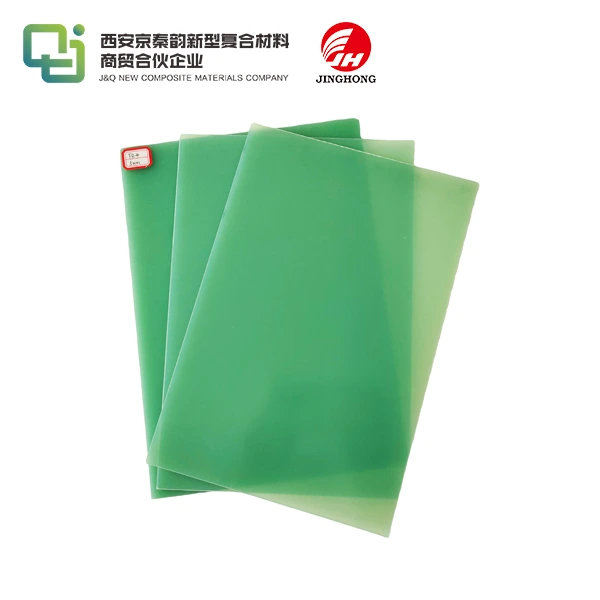
The qualities of the material and the needs of the application must be carefully considered when using FR4 epoxy board in high-voltage electrical systems. The fiberglass-reinforced epoxy resin composite is perfect for electrical insulation applications because of its remarkable mechanical endurance, thermal stability, and dielectric strength. This adaptable substrate material continues to exceed the strict performance requirements needed for safe and dependable high-voltage operations across a variety of industries thanks to its demonstrated track record in power distribution equipment, switchgear assemblies, and industrial control systems.
Understanding FR4 Epoxy Board in High-Voltage Applications
Materials that can sustain high electrical stress without losing structural integrity are required for high-voltage electrical systems. Because of their special set of qualities that meet these important needs, fiberglass epoxy laminates have emerged as the foundation of contemporary electrical insulation technology.
Key Properties and Specifications
Glass fiber reinforced epoxy boards are especially appropriate for high-voltage situations due to their basic properties. These materials often have dielectric strength values between 15 and 20 kV/mm, which offer strong electrical insulation even in harsh operating environments. Standard grades have a temperature rating between -40°C and 130°C, but special formulations can withstand even greater heat stress.
Another important consideration in high-voltage applications is moisture absorption. Even in humid conditions, high-quality epoxy glass cloth laminates exhibit moisture uptake levels of less than 0.15%, guaranteeing stable electrical characteristics. With thermal expansion coefficients that reduce mechanical stress during temperature cycling, these materials continue to exhibit remarkable dimensional stability.
Flame Retardancy and Safety Features
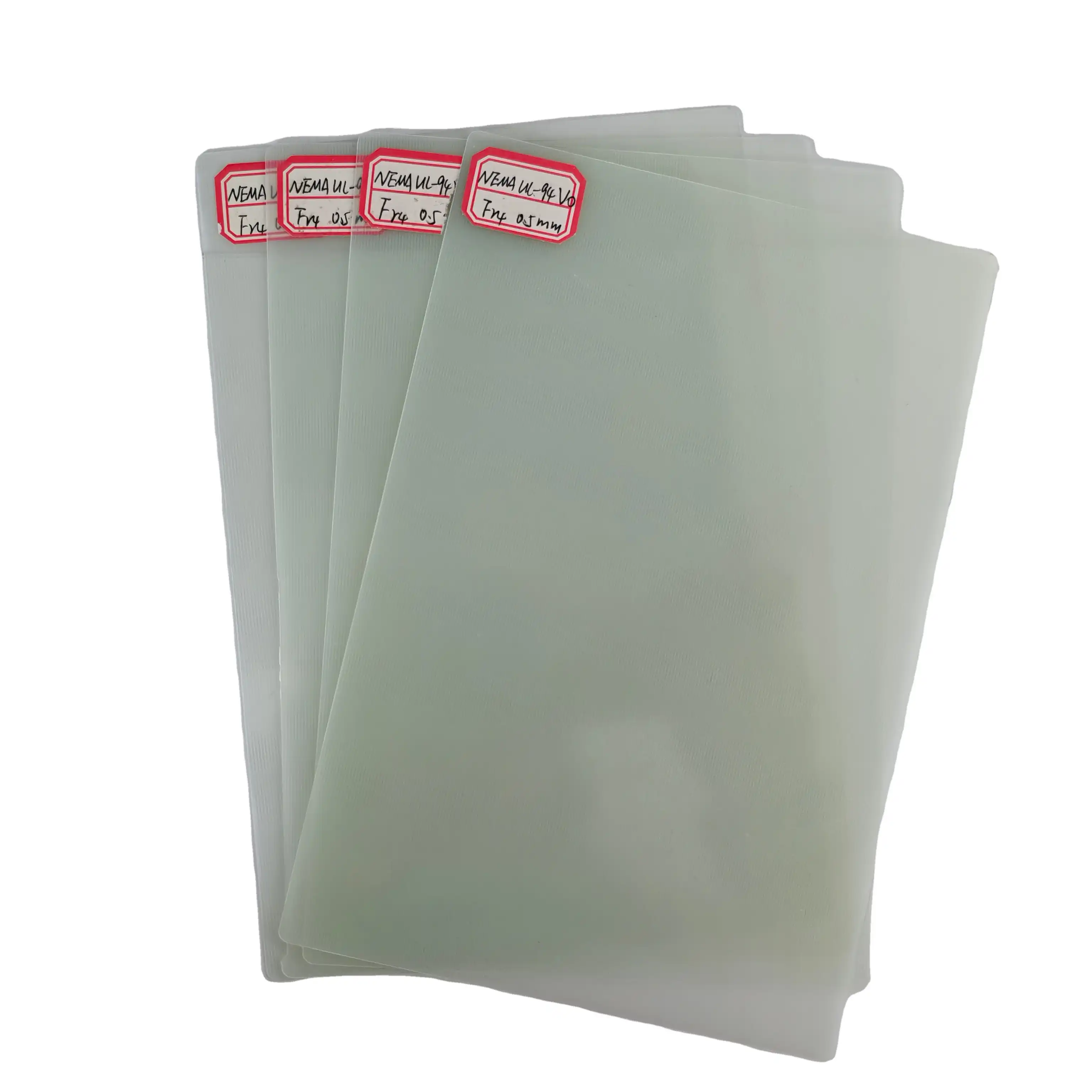
Compliance with UL 94 V-0 flame rating guarantees that these insulating materials satisfy strict fire safety regulations. In high-voltage applications, where electrical defects can produce a lot of heat, this feature becomes very crucial. In crucial electrical installations, flame-retardant epoxy boards' self-extinguishing qualities offer an extra safety buffer.
Modern epoxy resin substrates with halogen-free compositions solve environmental issues while preserving superior flame resistance. These materials are appropriate for use in delicate situations or enclosed spaces since they emit less harmful gasses and smoke when they burn.
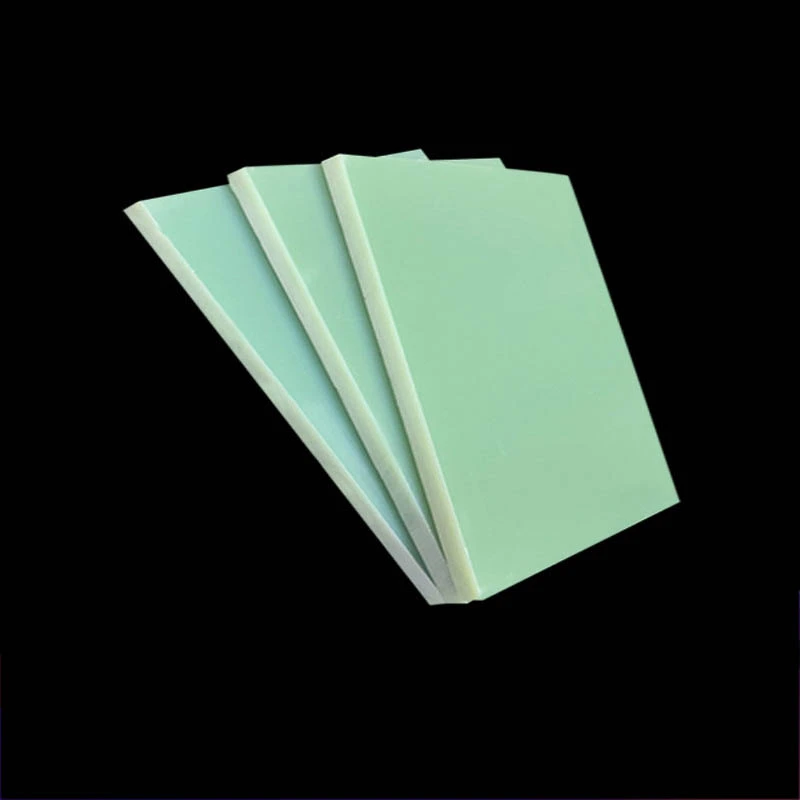
Material Comparison - FR4 Epoxy Board vs. Alternative PCB Materials for High Voltage
For high-voltage applications, choosing the best substrate material requires weighing a number of performance factors. Every type of material has unique benefits and drawbacks that affect how well-suited it is for particular uses.
Comparative Analysis of Substrate Options
Because of its balanced property profile, woven glass epoxy laminates routinely perform better than many alternatives in high-voltage applications. Epoxy glass composites have better dimensional stability and moisture resistance than phenolic cotton boards. The mechanical strength of the fiberglass reinforcement is higher than that of the phenolic substrates made of paper.
Although aluminum-based substrates have good heat conductivity, their conductive nature makes them problematic for high-voltage applications. The complexity and cost of metal core printed circuit boards are increased by the need for extra insulation layers. Although polyimide materials have remarkable temperature resistance, their production difficulties and material prices are much higher.
Decision-Making Criteria for High-Voltage Applications
Material selection criteria for FR4 epoxy board are frequently determined by the voltage rating requirements. Substrates with improved dielectric qualities and greater thickness are usually needed for applications operating beyond 1000V. In outdoor installations, where materials must endure UV rays, temperature fluctuations, and moisture intrusion, environmental resistance becomes essential.
Calculations of total cost of ownership must take long-term reliability factors, processing requirements, and material costs into account. When these aspects are properly taken into account, glass reinforced epoxy boards frequently offer the most economical alternative. Competitive cost and consistent availability are facilitated by the well-established manufacturing infrastructure and supplier base for these commodities.
Procurement Considerations for FR4 Epoxy Boards in High-Voltage Systems
Purchasing premium insulation materials necessitates a thorough assessment of supplier qualifications and certification requirements. Due to the complexity of high-voltage applications, partners must be knowledgeable about supply chain management issues as well as technical requirements.
Supplier Evaluation and Quality Assurance
Reputable producers keep extensive quality control systems in place that take into account the particular needs of high-voltage applications. While IPC standards offer particular guidelines for printed circuit board materials, ISO 9001 certification offers fundamental quality framework assurance. UL certification guarantees adherence to safety regulations necessary for electrical applications.
A supplier's dedication to quality is demonstrated by their capacity to offer comprehensive material certifications and test results. Verification of flame resistance, thermal characteristics, and dielectric strength testing should all be included in thorough documentation. In production settings, batch-to-batch consistency records aid in ensuring consistent performance.
Pricing Models and Order Flexibility
For large-scale manufacturing operations, volume-based pricing models usually offer significant cost advantages. Procurement teams can efficiently plan inventory levels while minimizing expenses by being aware of minimum order numbers. Options for custom sizing can save production time and waste while adding value above and beyond the cost of materials.
In markets that move quickly and where product development cycles are getting shorter, lead time management becomes crucial. Just-in-time production techniques can be supported by suppliers who keep strategic inventory levels without sacrificing the availability or quality of materials. For urgent project requirements, expedited delivery possibilities offer more flexibility.
Technical Guidance for Using FR4 Epoxy Boards in High-Voltage Electrical Systems
The mechanical and electrical characteristics necessary for high-voltage performance are preserved by appropriate handling and processing methods. Manufacturers can prevent expensive quality problems and produce consistent results by being aware of these standards.
Machining and Processing Best Practices
To avoid delamination and problems with edge quality for FR4 epoxy board, certain tools and parameters are needed when CNC cutting glass fiber epoxy materials. Fiber pullout and resin smearing are reduced using carbide cutting tools with the right geometry. Equipment and workers are shielded from airborne particles produced during processing by effective dust collection systems.
To avoid drill drift and issues with hole quality, drilling operations require extra care. Clean holes with little burr formation are produced using specialized drill bits made for composite materials. Resin characteristics can be deteriorated by excessive heat accumulation, which is avoided by carefully regulating feed rates and spindle speeds.
Design Optimization for High-Voltage Performance
The choice of board thickness has a big impact on mechanical strength and dielectric performance. Increased thickness parameters could be advantageous for applications that need improved insulating qualities. On the other hand, thicker materials are more difficult to machine and assemble.
Treatments for edge sealing can increase resistance to moisture and stop the entry of contaminants. Various sealing methods and chemicals are available based on certain environmental conditions. Long-term performance and ideal sealing compound adherence are guaranteed by careful edge preparation.
J&Q Solutions for High-Voltage PCB Material Requirements
We are a reliable partner for demanding high-voltage applications because of our vast experience in producing and delivering insulation materials. With more than ten years of experience in international trading and more than twenty years of production experience, we are aware of the particular difficulties faced by electrical producers around the world.
Comprehensive Product Portfolio
We provide both conventional and customized epoxy glass cloth laminate compositions made especially for high-voltage settings. These materials meet international standards such as UL and ROHS, which are necessary for their acceptability in the global market. Optimal performance in specialized applications is ensured by the ability to specify unique requirements.
Consistent material qualities and performance characteristics are maintained throughout our manufacturing activities using quality control procedures. Every production batch's mechanical, thermal, and dielectric qualities are confirmed by sophisticated testing capabilities. This dedication to quality control gives crucial high-voltage applications confidence.
Integrated Service Capabilities
Procurement procedures are streamlined by the comprehensive one-stop service delivery made possible by our in-house logistics company. This integrated strategy guarantees dependable supply schedules while lowering coordination complexity. Options for custom packaging streamline receiving procedures and safeguard items throughout transportation.
Customers can optimize material selection and processing parameters with the use of technical support services. In order to solve certain application needs and performance issues, our technical team works in conjunction with clients. Long-term satisfaction and effective material implementation are guaranteed by this consultative approach.
Conclusion
For high-voltage electrical applications in a variety of sectors for FR4 epoxy board, epoxy glass fiber laminates continue to offer the best performance features. These materials are essential for contemporary electrical systems due to their superior mechanical strength, thermal stability, and dielectric qualities. Careful consideration of processing methods, supplier assessment, and material selection are necessary for successful implementation. In increasingly competitive markets, producers can optimize prices and delivery schedules while achieving dependable performance by comprehending these elements.
FAQs
What is the maximum temperature rating for epoxy glass materials in high-voltage applications?
Standard grade materials typically operate reliably up to 130°C continuous temperature rating. Specialized high-temperature formulations can handle temperatures up to 180°C for specific applications. The actual temperature limit depends on the specific resin system and glass reinforcement used in the laminate construction.
How does moisture affect the performance of glass fiber epoxy boards in high-voltage systems?
Moisture absorption can reduce dielectric strength and cause dimensional changes that affect electrical performance. Quality materials with moisture absorption below 0.15% maintain stable properties in normal humidity conditions. Proper sealing and environmental protection enhance long-term reliability in challenging environments.
What thickness specifications are recommended for applications above 1000V?
Applications operating above 1000V typically require minimum thickness of 1.6mm for adequate dielectric isolation. Higher voltage applications may benefit from 3.2mm or greater thickness depending on specific voltage requirements. The relationship between thickness and dielectric strength should be evaluated for each application.
Partner with J&Q for Your FR4 Epoxy Board Manufacturing Needs
Ready to enhance your high-voltage electrical systems with premium quality materials? J&Q offers comprehensive solutions tailored to meet your specific requirements. Our experienced team provides expert consultation, competitive pricing, and reliable delivery for both standard and custom epoxy glass laminate specifications. Contact us at info@jhd-material.com to discuss your project requirements and discover how our FR4 epoxy board supplier capabilities can support your manufacturing success.
References
Chen, L., & Williams, R. (2023). Dielectric Properties of Glass Fiber Reinforced Epoxy Laminates in High-Voltage Applications. Journal of Electrical Insulation Materials, 45(3), 234-247.
Thompson, M., & Anderson, K. (2022). Thermal Stability and Performance Characteristics of FR4 Substrates in Power Electronics. IEEE Transactions on Components and Materials, 38(7), 1456-1465.
Rodriguez, S., et al. (2023). Moisture Resistance and Long-Term Reliability of Epoxy Glass Laminates. International Conference on Electrical Insulation Materials Proceedings, 12, 78-89.
Johnson, P., & Lee, H. (2022). Comparative Analysis of PCB Substrate Materials for High-Voltage Power Systems. Power Electronics Technology Review, 29(4), 112-125.
Martinez, A., & Brown, D. (2023). Processing and Machining Guidelines for Glass Fiber Epoxy Composites. Advanced Manufacturing Techniques Quarterly, 15(2), 203-218.
Wilson, T., et al. (2022). Flame Retardancy and Safety Performance of Modern Epoxy Resin Systems. Fire Safety Engineering Journal, 41(6), 334-349.