Vetronite Material Purchasing: Check Thickness, Tolerances and Finish
2026-11-09 17:00:30
Before you sign off on a quote for Vetronite material, you should check three things: the sheet's nominal thickness and the range of tolerances for it; its surface finish and how flat it is; and the grade documents. It's not clear what grade it is because "Vetronite" is a name that's often used for glass-fiber epoxy veneer. Make a list of the sizes your system can take and agree on how the surface should look. Then get a blueprint. People who work in the manufacturing of electronics, machinery, power, cars, and appliances go through this short screening process. Here are the steps broken down.
What Vetronite Material Is and How to Match It to Your Application?
What Vetronite Material Means in Practice?
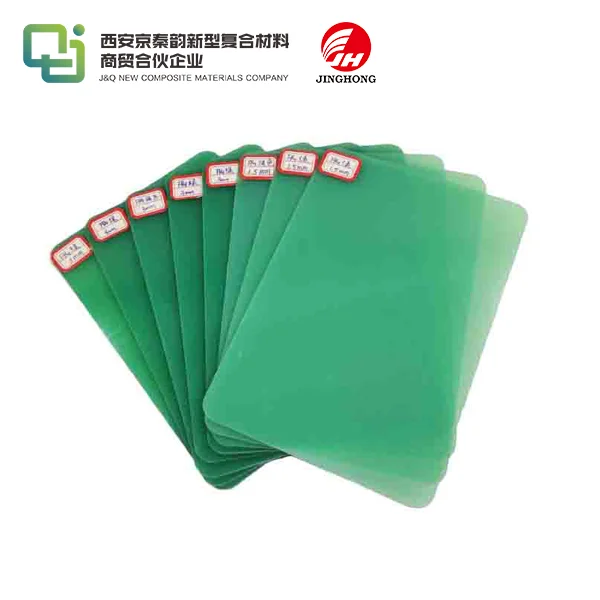
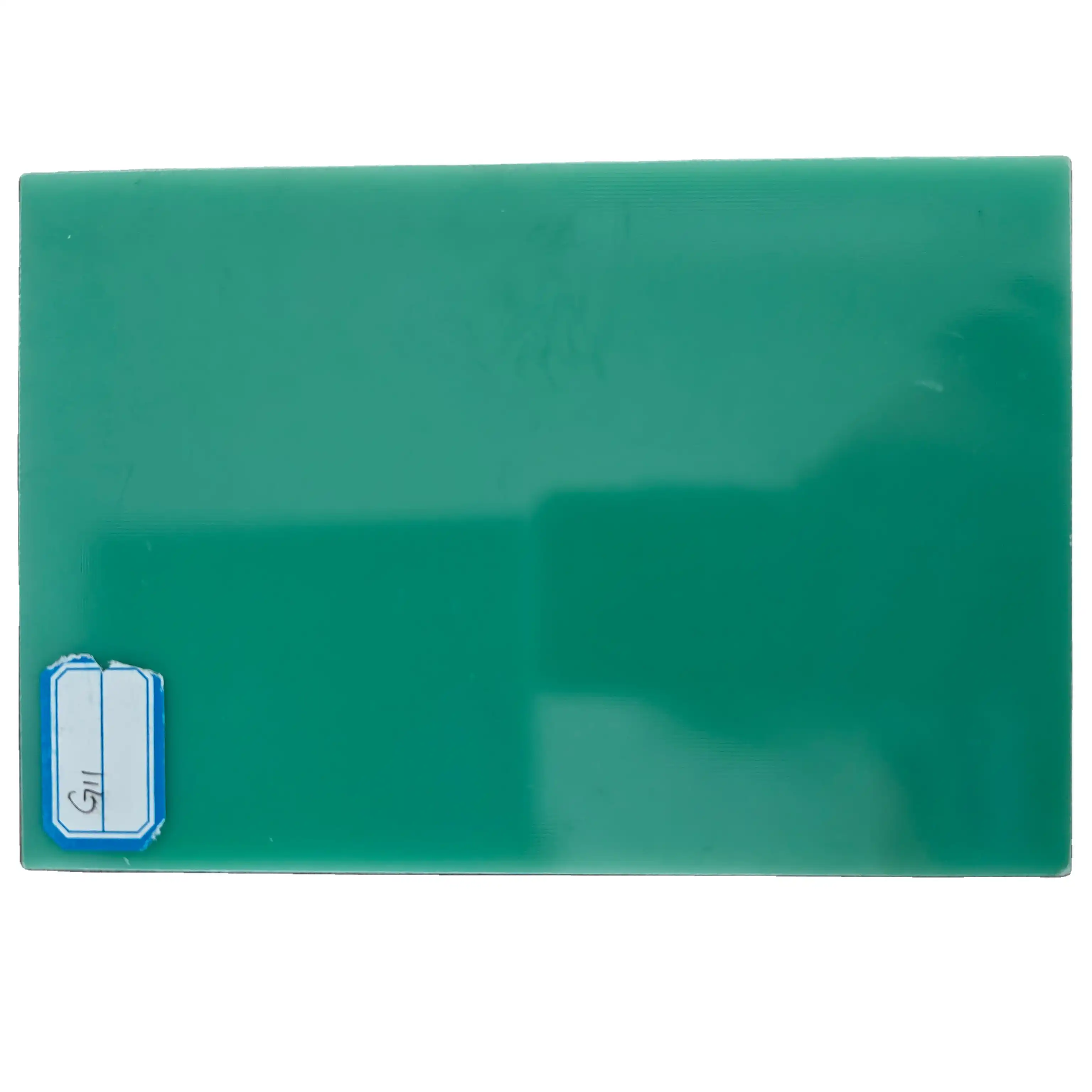
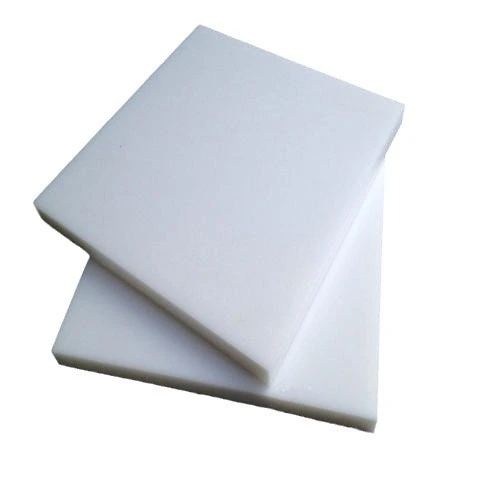
The tough epoxy laminate with glass fibres that a lot of people buy is known as "Vetronite material." People in the US usually buy this kind of product that meets the NEMA LI 1 standard for industrial laminated thermosetting goods. They have G-10 or FR4 written on them. FR4 burns, but G-10 doesn't. Pieces of glass cloth are mixed with epoxy glue to make things. After that, the layers are made stronger with heat and pressure. It makes a stiff sheet that stays the same size and doesn't let electricity flow through it. It's not enough to just look at the name or colour of something to decide to buy it. Sellers use those words in different ways. They should instead ask for the exact grade and details. Most people couldn't make it work without that one step.
Matching Grade to Your Industry
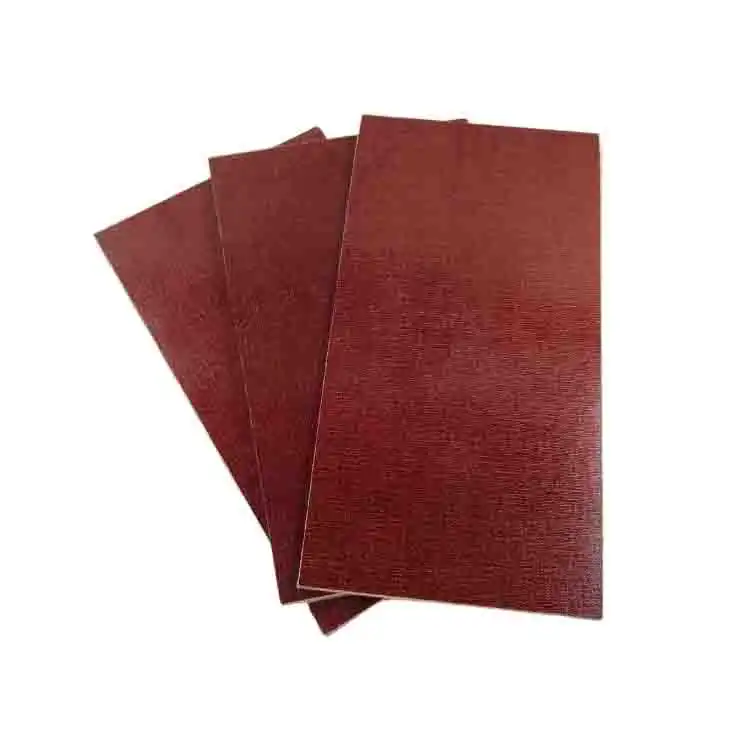
There are places where some traits are more useful than others. People who work with electricity and electronics make motor parts, PCB supports, and switches out of FR4 sheets and 3240 epoxy boards. Being safe, meeting the UL and RoHS standards for dielectric strength, and being able to handle heat are very important to them. Plinyinic cotton sheet is strong in both bending and compression and stays the same thickness over time. This is why machine builders use it for wear parts, spacers, and gears. People who buy power and transformers look for spark barriers and coil insulation that won't catch fire and won't change temperature very much. It's important for parts suppliers to have stable batch quality for battery pack dividers and heat-resistant fittings. Most of the time, appliance brands need to keep an eye on Bakelite or epoxy sheet for the insulation frames and motor bolts. Ask the service about the working weather, power, and load. This will help them help you choose a grade.
Technical Properties to Compare
Different places may offer better deals if you know how to measure the prices. Most of the time, ASTM D790 is used to test for dielectric strength, and ASTM D149 is used to test for flexural strength. When people buy electrical parts, they usually look for FR4 scores of V-0. UL 94 lets you know if something is dangerous. It's the same with heat limits. High Tg grades are above 170°C, while standard Tg FR4 is between 130°C and 140°C. This helps with parts that move slowly or are already warm, or that are linked without a lead. What kind of water and heat does the gear hold? If you plan to use it in hot or sweaty places, find out. Ask the seller what conditions were used, how each number was found, and what units are being used. To begin, you can use a paper to check your answers. After that, a group test will help you understand what's important.

Thickness, Tolerances, and Surface Finish
Thickness and Sheet Size
How well the parts fit together, how stiff they are, how heavy they are, and how well they stop heat flow are all affected by the thickness. Write down the sheet's length, width, and nominal thickness, as well as the range of errors that are okay. Not all sheets have to be as thin as NEMA LI 1 says they can be. A thin sheet is better at keeping its shape than a thick plate. If your plan has a tight stack-up, don't wait to tell the seller. Do not settle for rough numbers; instead, ask for exact ones right away. Plain sheets can be used for everyday chores and research. It takes less time and less waste to make the same thing over and over again when the blanks are cut to size. For each order, the tolerances for raw sheets and finished parts should be kept separate.
Tolerances, Flatness, and Squareness
It doesn't matter how thick Vetronite material is; it can only be so flat and square around the edges. If there is warpage, a wall or gap could move out of place. You may need to trim the sides more if they aren't even. Ask the service provider if they also do it. If so, they should first agree on how to measure it. Check the thickness of the sheet all the way through, not just in one spot. I think a micrometre that has been checked should be used for this. This is because the edges of pressed laminate can be different thicknesses. Write down the amounts and keep them with the lot number. Things get really cool when you use milling bits. The force inside glass-fiber laminate drops when you cut it, which lets it move a little. You need a fair cutting edge and binding that is the same on both sides to keep things flat. Draw and circle the measurements you need to check.
Surface Finish and Edge Quality
How something looks, how well it sticks together, how well it keeps heat in, or how easy it is to machine can all be affected by its surface. On the surface, there shouldn't be any places with a lot of glue, threads that can be seen, bubbles, cracks, delamination, weird things, or deep cuts. You can pick a sheet that has been cut to size, pressed, or finished. If you want to better control how thick a surface is, sand it. Along with that, it helps parts that are covered or glued together stick better. If you're going to paint or fix your part, talk about how you'll clean the surface ahead of time. Also, keep an eye on the edges because chips and fibre pull-out can make cracks start near holes. When you have photos, an approved sample, or a short written visual standard, you don't have to guess. If you want to buy something but can't go to the store, this is very important.
Machining, Documents, and Incoming Inspection
CNC Machining Requirements
You can cut, drill, mill, turn, and CNC machine a sheet of Vetronite material, but the glass fibres quickly wear down tools and produce rough dust. To keep everyone and everything safe, use tools that have a carbide or diamond coating. Make sure the spindle speed is high and the feed rate is low. Also, let the dust air out. You should think about things like hole release, chipping, delamination, and burrs when you make parts. Also, make sure the holes aren't too close to the edges for them to be useful. When the item is sold again, write down the important measurements, hole locations, flatness, chamfers, radii, and surface needs. Before you agree to a full run, this is how you can make sure the process works for you. Make sure the source says they can help you drill and cut.
Datasheets and Certificates
As you can see, the sheet you get is linked to the brief you wrote down. I usually ask for three records:
- The technical datasheet can be found here. It describes the grade, the resin system, the reinforcement, the nominal sizes, the quality standards, the testing methods, and how to use the item. It lets you compare prices from different companies to find the best deal. It's as simple as checking that the numbers on it match the ones on your picture or shopping list. There are no real numbers on a document. They don't mean that those numbers will be in every lot.
- A proof of compliance certificate: You can see what was sent, its batch or lot number, the date it was made (if known), and the level of compliance your project needs, such as RoHS or UL. The sheets that were sent to the same production run are linked together. Next time something goes wrong, you'll be able to find sheets more quickly.
- Size or test report: This shows the measured length, width, and thickness, as well as the electrical or mechanical details for key parts. Agree on the test method and sample size before you start making it. This way, everyone can see the numbers the same way, and it's easy to tell which ones are real and which ones are fake.
Your quality team can easily handle a lot of requests thanks to these records.
Incoming Inspection Plan
How well you check Vetronite material should depend on how dangerous it is and how much you need to buy. Check out the signs that tell you how much is on the box, how thick it is, how long it is, how wide it is, and how the top looks. When you're making exact parts, use tools that have been calibrated to make sure that the important measurements match the good drawing. Safety or high-power tests could use either electricity or a machine. You should agree on how many samples to take and how they will be taken before you start making the things. Keep some samples from each lot, as well as pictures, awards, and inspection reports. Put the things down and write down the number of the failed lot. Ask for a written answer with a plan to fix the problem after that. Only then should you open any more stock. It only takes a minute or two and will keep your file safe.
Comparing Suppliers and Avoiding Costly Mistakes
Common Purchasing Mistakes
Most source problems are caused by requests that are not complete. If you just say "Vetronite material sheet" and do not specify a grade, thickness range, or how it will be used, you will be given a price quote for a different product. It is possible for two materials that look the same to not work as well with heat or electricity, which could cause them to crack or bend while they are being used. It is also a mistake to compare providers based only on price, without checking out things like shipping, inspection, yield, or packaging. Also, buyers do not notice when the nominal and actual dimensions are different, and they do not decide what they will accept until the shipment gets there. Any changes to the key or process must be reported, there must be a controlled design, an accepted sample, and a written inspection plan. These things can fix most of these issues.
How to Compare Suppliers?
Compare suppliers based on how well they communicate, how well they keep an eye on quality, and how much they charge overall. A good supplier will ask about your application and the drawing before giving you a quote. Review the steps for replacing parts, keeping track of batches, checking sizes, wait time, minimum order quantity, packing, and obtaining material certificates. Check the Incoterms, shipping method, customs papers, and payment terms as soon as possible if you want to bring the sheet into the US. For more than 20 years, J&Q has made and sold insulation sheets. For more than 10 years, we have also done business with other countries. We've worked with trade companies from all over the world for a long time. We also send things, so we can help you with everything. A simple scorecard with price, quality, service, and delivery risk makes it easy to compare things fairly.
What to Put in Your RFQ?
If you give a full RFQ, the supplier can give you a correct quote the first time. For me, it is split into three parts:
- Product details: Write down the name of the product, its grade, and whether you need raw sheet or finished parts. You should also list the normal thickness, sheet or part sizes, and the accepted range of errors. To get the right process for a machined part, send a drawing, a 3D model, or a sample with notes on it.
- Application and quality: Write down the running temperature, power, mechanical load, and environment, as well as the certificates and inspection records you wish to see. Before sending you a quote, let the supplier know about any standards you have, such as UL 94 flammability or RoHS compliance. This way, they can make sure the match is right. This will help you stay out of trouble from now on.
- Commercial terms: State the desired lead time, the amount per order, the expected yearly demand, the location of delivery, and the Incoterms. Suppliers can plan for raw materials and packaging based on how much they will need each year, and the logistics team can give accurate quotes for shipping and customs paperwork once they know where the goods are going. Some quotes that are based on facts do not need to be asked for again most of the time.
These three groups cut clarification cycles and keep quotes comparable.
Conclusion
You should know what you want before you check prices if you want to buy Vetronite material wisely. People often use this name for a glass-fiber epoxy laminate that looks like G-10 or FR4. Before you buy it, make sure you know the exact grade, datasheet, and standards that apply. It is easy to compare suppliers when you use properties that can be measured, such as dielectric strength, flexural strength, flammability rating, and thermal limits. Height, tolerance, flatness, and surface finish should all have written limits. It is best to keep specifications for raw sheets and turned parts separate. To machine and use glass fiber abrasion, you need the right tools and to make sure they are up to date. Items can be tracked with the help of datasheets, certificates, and inspection records. A full RFQ and a well-organized source comparison cut down on changes and delays. These steps help buyers and engineers pick the best plastic for the job and make sure that every package meets clear standards.
FAQ
What should I include in my request for Vetronite material?
Tell them the grade, the nominal thickness, the tolerance, the size of the sheet or part, the amount, how it will be used, and if they need a drawing or certificate for the Vetronite material.
How do I find out what size and width a sheet is?
Use a precise micrometer or caliper to measure several places on your buy order, write down each reading, and then compare them. This will tell you the tolerance on your order.
What is the difference between a datasheet and a material certificate?
On a datasheet, there is a list of things that all grades have in common. There is a document of approval that links a certain batch to your order and proves that it meets the standards.
Can finished parts be made from Vetronite using a CNC machine?
Yes, you can use carbide or diamond tools to stick glass and cement together. To make sure, you should ask the service about machining help, tolerances, and an example of a first article.
When should I get a sample?
When you switch grades or suppliers or make parts that need to be exact, ask for one before you make the same thing again.
Request Vetronite Material Samples and Quotes from J&Q
As a company that has been around for more than 20 years and has done business with other countries for more than 10 years, J&Q sells insulating sheets. Because we sell Vetronite materials and also run our own delivery service, you can get everything you need in one place, from the sheet to the delivery. To get our team to look over your drawings, send them to info@jhd-material.com with your grade, thickness, tolerance, and so on. Our Bakelite, FR4, and 3240 epoxy sheets can be seen at jhd-material.com.
References
1. NEMA LI 1: Industrial Laminated Thermosetting Products, 1998
2. ASTM D149: Standard Test Method for Dielectric Breakdown Voltage and Dielectric Strength of Solid Electrical Insulating Materials at Commercial Power Frequencies, 2020
3. ASTM D790: Standard Test Methods for Flexural Properties of Unreinforced and Reinforced Plastics and Electrical Insulating Materials, 2017
4. ASTM D229: Standard Test Methods for Rigid Sheet and Plate Materials Used for Electrical Insulation, 2019
5. UL 94: Tests for Flammability of Plastic Materials for Parts in Devices and Appliances, 2013
6. IPC-4101E: Specification for Base Materials for Rigid and Multilayer Printed Boards, 2017