Vetronite Material Grades: How to Match Sheets to Operating Conditions
2026-11-09 17:00:13
To match Vetronite material grades to operating conditions, I start with the job the sheet must do. I look at the voltage it will insulate, the temperature it will see, the load it will carry, and the moisture or chemicals around it. Then I compare those needs with verified test data, such as dielectric strength, flexural strength, water absorption, and flame rating, instead of relying on thickness or price. Vetronite material is a glass-fiber-reinforced epoxy laminate used for electrical insulation and mechanical support. The right grade protects against breakdown, warping, cracking, and machining problems. This guide shows how I make that match, step by step.
1. Understand Vetronite Material and Its Basic Composition
What Vetronite Laminate Is Made Of?
A combination made of glass and cement is often called "Vetronite material" by buyers. Glass cloth that has been woven is mixed with epoxy resin. The layers are then stacked and cured under heat and pressure to make a stiff sheet. The glass takes on both tensile and flexural loads to help the sheet keep its shape. The epoxy keeps the layers together, keeps many chemicals out, and stops electricity from going through it. There are many types of resin systems, glass contents, and hardening methods used by different manufacturers. This means that even if two sheets are the same thickness, they might not work the same way. That's why I never follow the name of the product. Different kinds of laminates are grouped together by standards like NEMA LI 1 and IEC 60893-1. Before I compare sheets, I always ask for the exact name of the type.
How G10, FR4, and 3240 Epoxy Boards Relate?
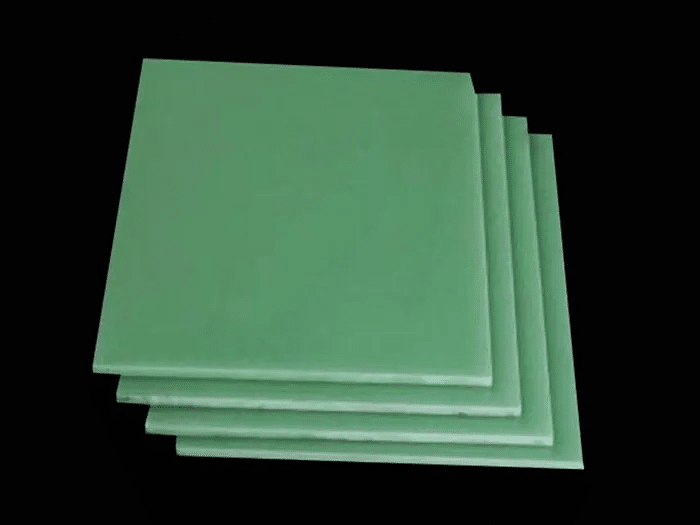
In this case, G10 is what NEMA calls glass-cloth epoxy laminate. The type that doesn't catch fire is called FR4, and it is generally tested to UL 94 to see how it burns. The grade name 3240 epoxy glass cloth board is often seen on plans for electrical protection. In the market, these names are all used for the same thing, so I make sure that the test data, flame rating, and thermal class are correct for the sheet. FR4 for PCBs displays how much a sticker can hide. Types with low Tg are around 130–140°C, and types with high Tg are above 170°C. This is why the same-named substance can behave in various ways when heated.
Sheets, Rods, Tubes, or Finished Parts
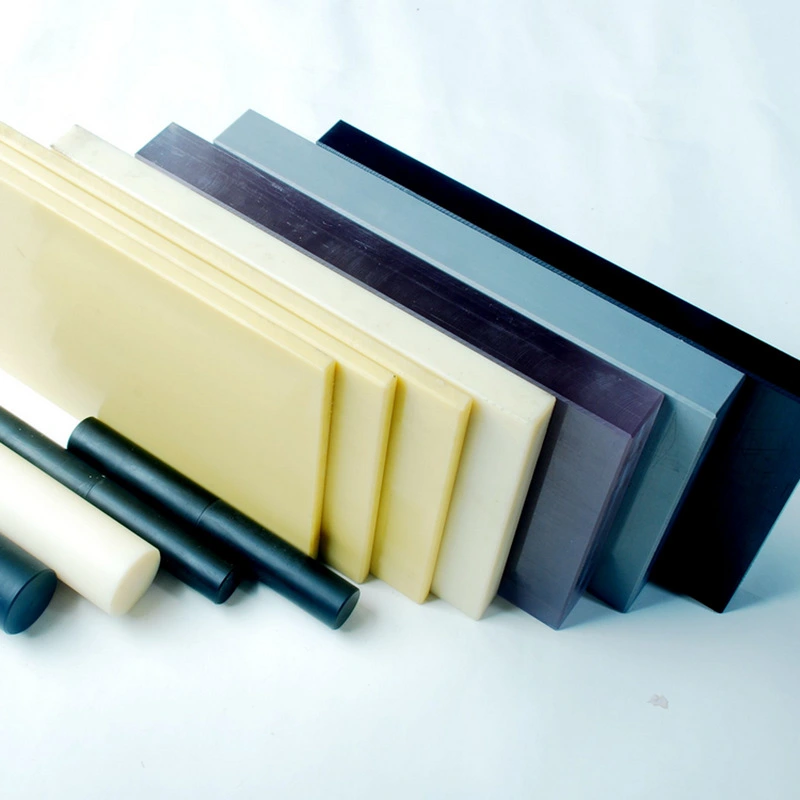
The Vetronite material can be made into sheets, rods, tubes, blanks that are cut to order, and CNC-machined parts. People who machine their own goods and change the designs all the time should use sheet stock. Finished parts are good for OEM lines that need the same sizes over and over because the provider cuts, drills, and checks them before sending them. When I'm making motor parts, switchgear spacers, or battery pack barriers, I look at how much the sheet costs, how long it takes to work with, and how much of it is wasted. If you buy from a company that also makes things, you can start with sheets for prototypes and move on to machined parts as your order volume grows.

2. Evaluate Operating Conditions Before Choosing a Grade
Electrical Requirements: Voltage, Surges, and Tracking
Voltage and frequency are where I begin. There are two tests for dielectric strength: ASTM D149 and IEC 60243. These tests show how strong an electric field a sheet can handle before it breaks. What takes place is determined by the test method and the width. I compare the numbers at the thickness I want to use because a thin sample will usually give me a higher value per millimeter than a thick plate. After that, I check the resistance of the tracking and insulator. In places where dust or moisture can make electrical paths across a surface, the IEC 60112 comparative tracking index is important. I put a safety cushion above the maximum voltage because spikes can damage switchgear, transformers, and arc barriers.
Thermal Requirements: Continuous Heat and Short Peaks
Weather has two sides for Vetronite material: long-term service and short-term peaks. A sheet might lose its strength after months of moderate heat, but it might be able to handle a short period of very high heat. After getting the thermal class and age information, I check to see how well the sheet keeps its electrical and bendable properties after being heated. Besides that, the glass transition point is important since that's when epoxy starts to get soft. When you bolt a sheet to metal, you need to think about how the sheet will expand when it gets hot. Holes can get bigger, or screws can come loose because of different rates of growth. All of these are good things to think about before you buy power tools, motors, or EV battery fixtures. The data sheet should have all the answers.
Mechanical and Environmental Loads
People who build machines need to know how strong the frame, space, and support are when they are strained and stressed. A lot of people use the ASTM D790 flexural test, and I make sure that suppliers tell me how thick the sample is and which way it is going. When there is vibration or fastener pressure, it puts stress on holes and edges. It is important that the sides are good and that the thickness tolerance range is wide. The next thing you should check is the steam. ASTM D570 checks how much water is taken. Insulation can lose its effectiveness when water is consumed. When I test outside, at sea, or in places where chemicals are processed, I use the real chemical, the right amount, the right temperature, and the right amount of time. This is because general charts for resistance don't always show what's going on in the real world.
3. Match Vetronite Grades to Applications and Alternatives
Matching by Industry Use
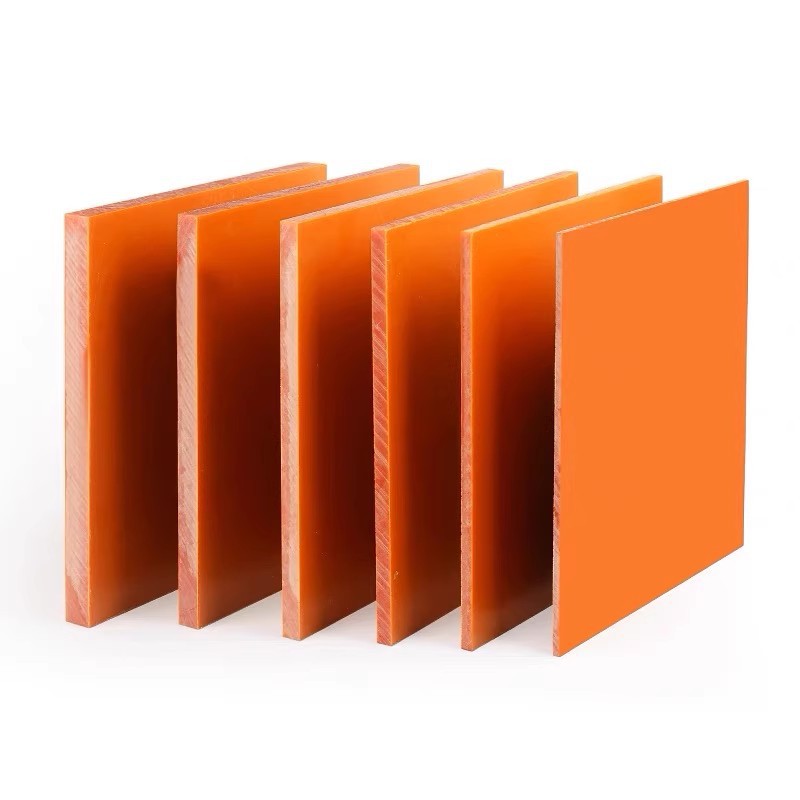
Support PCBs, make switchgear, and make motor parts with FR4, 3240 epoxy boards, and Bakelite. These are used by people who make electrical and computer things. They check the electrical strength, how well it resists heat, how easy it is to machine, and the UL and RoHS paperwork. People who buy power and energy need to make sure they are safe from heat, arcs, and coils, so flame resistance and temperature stability are the most important things to them. Automatic parts suppliers use heat-resistant stands, battery pack barriers, and insulation pads in places where accurate cutting and stable batches are very important. The most important things to appliance makers are insulation frames and motor brackets. Cost and delivery speed aren't far behind. For belts, gears, and wear parts, machine builders can choose between epoxy laminates and phenolic cotton sheets based on the load.
Vetronite Material vs. Phenolic Laminate
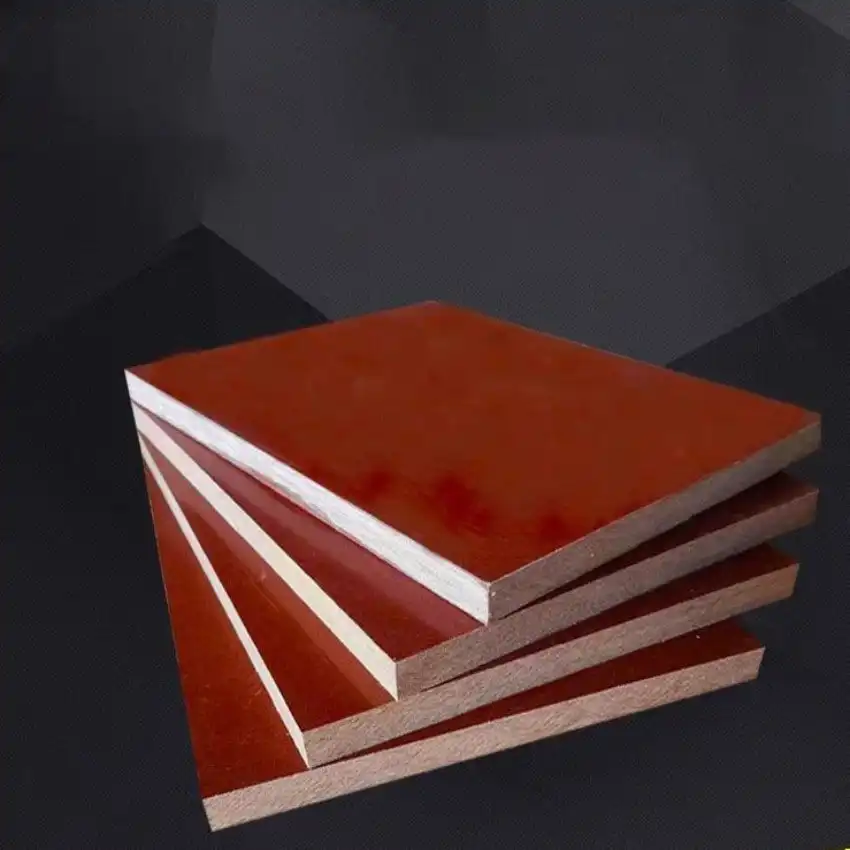
Phenolic pieces, such as Bakelite and phenolic cotton cloth, are often a better deal when you need gears, wear strips, or spacers. While paper-based phenolics are stronger, glass-epoxy laminates don't soak up as much water. But just to be sure, I always check this with the exact grade's datasheet numbers. I use phenolic when I don't have a lot of money, and the parts don't need a lot of power or heat, like in many device parts. If humidity, higher power, or heat start to bother me, I switch to glass-epoxy. Putting both materials together and testing them next to each other makes it easy to choose which one is better.
Vetronite Material vs. Mica and Other Barriers
Mica is often used to make high-temperature electrical shields that are very thin. Building supports, braces, and joints won't be possible with it because it's not stiff enough or easy to work with. Glass-epoxy can be used to make a stiff sheet that CNC tools can cut into weird shapes. Mica or another high-temperature insulator might work better if the heat is too much for epoxy. When I start a new project, I make a comparison table with details about the materials' build, how well they conduct electricity, how strong they are, the temperature range, how easy they are to machine, and how they behave when they get wet. This table doesn't use product names to make its decision; it uses facts instead.
4. Build a Selection Process and Avoid Common Mistakes
A Four-Step Selection Process
For starters, with Vetronite material, I talk about what the part does and the worst ways it could fail, like an electrical short, breaking, bending, or a chemical attack. Second, I set temperature, electrical strength, insulation resistance, mechanical strength, water absorption, tolerance, and flame classification goals that could be evaluated. Third, I allow some error to cover surges, temperature peaks, wear and tear, humidity, installation stress, and differences between batches. Fourth, I look at how the sample was tested, how it was treated, and how thick it is. I also want to know if the numbers given are ok. I finish by testing a prototype in the real world for important systems before I give the go-ahead for production.
Common Purchasing Mistakes
People often buy something without checking the technical grade because they like the name, the color, or the width that it says it is. You can also look at datasheets that show how different test methods, temperatures, humidity levels, or sample orientations were used. They look like the same number, but they're not the same. There are also failures that buyers don't see right away, like those caused by being wet, heat, and installation stress. Price by itself is also not true. Machine time, scrap, tool wear, inspection, fixes, and late supplies are all things that cause costs to go up. By getting the supplies and work from the same company, you can save money on a number of those costs.
Using a Grade-Matching Matrix
There is a link between each operating condition and the data you need and the check that should be there. To do standard insulation, you need to know the insulation resistance and the dielectric resistance. High-voltage systems can have tracking and tests at the application level added to them. For heat that doesn't stop, you need information on thermal aging and strength retention. On mechanical supports, tests for load, vibration, and thickness must be done. On damp sites that have been cleaned up, insulation tests must be done. The real temperature, concentration, and length of time need to be used to test chemical exposure. CNC-machined parts need to be checked as prototypes to make sure they are accurate, have good edges, are stable, and fit together properly. I use this grid as a one-page checklist every time I get a new request.
5. Procurement Guide for OEMs, Distributors, and Industrial Buyers
What to Include in Your RFQ?
You will need less email if you ask for quotes in a strong way. A grade or performance class, the sheet size, thickness, amount, and the yearly prediction are all on the list. I add the tolerances, surface finish, needs for machining, voltage, temperature, and time spent in the environment. When the things need to be shipped and where they are going are also written down. This includes papers like UL or RoHS certificates. It's possible that I'll add drawings or 3D files. This helps the supplier give you the right grade the first time and a correct price for blanks, sheets, rods, tubes, or finished parts.
How to Evaluate a Supplier?
How consistent are the sellers' grades? How fast do they respond? How much can they make? How much experience do they have with exporting? How well do they package their goods? How well do they keep track of quality? For uses with a lot of power or heat, I need test results that are specific to thickness, as well as inspection records and compliance papers. Also, I'd like to know if the values given are normal or certain. I can learn a lot about how regular the batches are and how well they are packed from a small test order. When getting quotes, suppliers who give clear answers to technical questions often give a good idea of how they will handle problems after delivery.
Custom Fabrication and One-Stop Service from J&Q
For more than 20 years, J&Q has made and sold insulation sheets. For more than 10 years, they have also done business with other countries. We have done business with trade firms in the US and other places for a long time. We also have our own logistics company, so you can talk to us about materials, shipping, and putting things together all in one place. We have Bakelite sheets, phenolic cotton sheets, FR4 sheets, 3240 epoxy boards, and epoxy laminates. We can also talk about making parts for your plans and cutting them to the right size. You can find out more at jhd-material.com.
Conclusion
Your choice of Vetronite material grade will be best if you let things other than the name or price of the product guide you. Glass-epoxy laminates can have different qualities depending on the resin, the amount of glass used, and the time it takes to cure. So, test data must be used to make sure that the G10, FR4, and 3240 labels are correct. Voltage, temperature, muscular load, moisture, and chemical contact can all be tracked to show certain qualities and standards. By putting the material next to phenolic laminate and mica, you can better see where each one fits. There is less risk when you use a grade-matching matrix, a four-step method, and test prototypes. A detailed RFQ and careful checks with the seller make sure that there is a steady supply. In real life, this means fewer mess-ups, less work that needs to be redone, and a lower overall cost.
FAQ
Is Vetronite the same as G10 or FR4?
Three of them talk about laminates made of glass and epoxy. The flame protection number FR4 is added to the NEMA number G10. On the datasheet, you can see the exact grade and flame rating.
Which grade suits high-temperature insulation?
There isn't just one grade that works for everything. Check the thermal class, the age data, and the strength retention at the temperature that doesn't change.
Can the sheets be cut and machined?
Yes. A CNC machine can be used to make glass-epoxy sheets that are the right size. A sample is used to check the tolerances and sharpness of the edges.
What documents should I request?
Ask for test results that are specific to the thickness, proof that they follow the rules, records of inspections, and an explanation of what the normal or guaranteed values are.
Request a Vetronite Material Recommendation from J&Q
A company that sells Vetronite material products can help you find the right type for your needs. Tell J&Q about your sheets' size, thickness, voltage, temperature, load, environment, drawings, number, and shipping address. We have been working with insulating sheets for more than 20 years and have our own logistics company. We can help you choose sheets or machined parts and package them for export. Write your question in an email to info@jhd-material.com or visit jhd-material.com to begin.
References
1. ASTM International, Standard Test Method for Dielectric Breakdown Voltage and Dielectric Strength of Solid Electrical Insulating Materials at Commercial Power Frequencies (ASTM D149), 2020.
2. ASTM International, Standard Test Methods for Flexural Properties of Unreinforced and Reinforced Plastics and Electrical Insulating Materials (ASTM D790), 2017.
3. ASTM International, Standard Test Method for Water Absorption of Plastics (ASTM D570), 2018.
4. International Electrotechnical Commission, Method for the Determination of the Proof and the Comparative Tracking Indices of Solid Insulating Materials (IEC 60112), 2020.
5. UL Standards & Engagement, Standard for Safety of Flammability of Plastic Materials for Parts in Devices and Appliances Testing (UL 94), 2023.
6. International Electrotechnical Commission, Insulating Materials – Industrial Rigid Laminated Sheets Based on Thermosetting Resins for Electrical Purposes – Part 1: Definitions, Designations and General Requirements (IEC 60893-1), 2004.