Vetronite Material for CNC-Machined Electrical Insulation Parts
2026-11-09 17:00:09
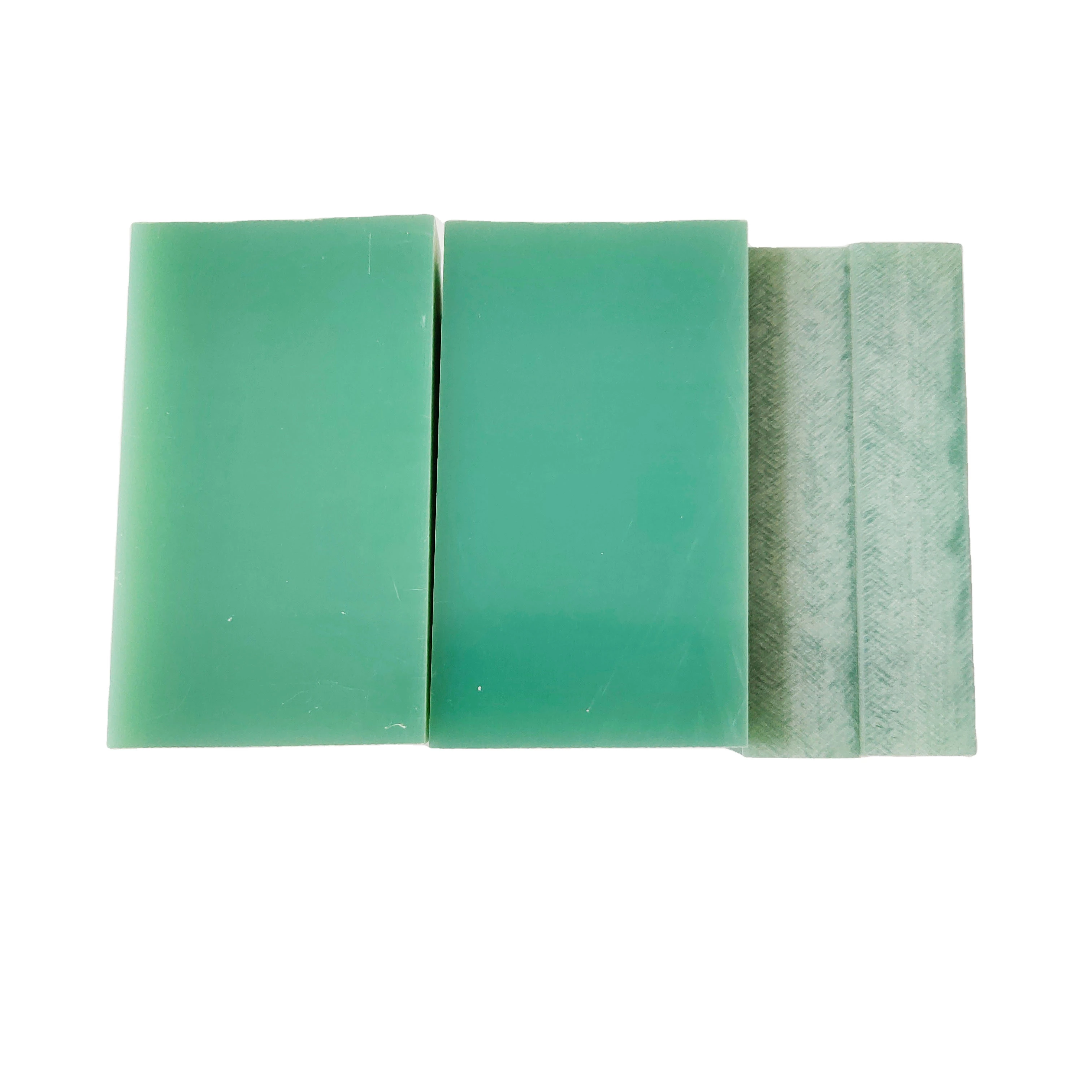
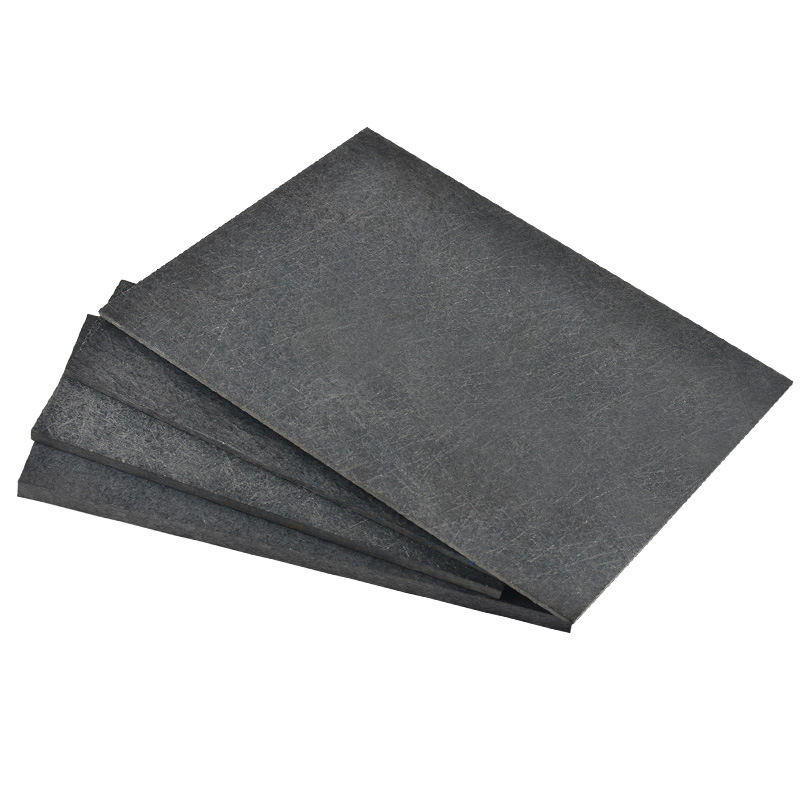
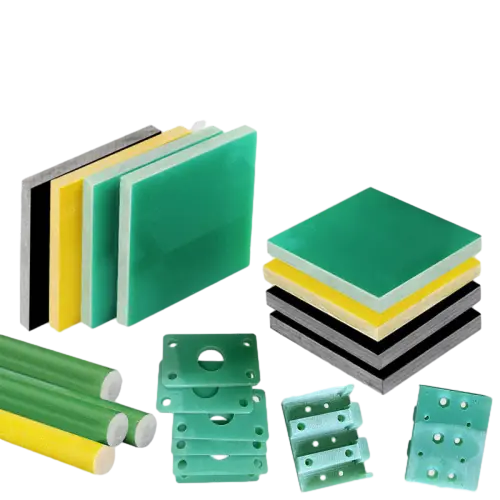
Vetronite material is a glass-reinforced epoxy laminate that engineers use for CNC-machined electrical insulation parts such as washers, spacers, terminal barriers, coil supports, and busbar supports. Depending on the supplier, the name usually points to a G10-type or FR4-type sheet, so the exact grade and datasheet matter. The woven glass adds strength and stiffness, and the epoxy resin adds electrical insulation and moisture resistance. Together, they machine into precise shapes with carbide or diamond tooling. I wrote this guide to help engineers and buyers in the United States compare properties, choose a grade, and order parts with fewer surprises.
What Vetronite Material Is and Where It Fits?
Vetronite as a Glass Epoxy Laminate
Vetronite material is just a brand name; it doesn't have a full formal name. It's usually used for woven glass cloth that has been soaked in epoxy glue, heated, and pressed into hard sheets. Machine wear and stress don't break the glass. The epoxy matrix keeps water and heat inside. For each example I look at, I always ask for the resin system, thickness range, color, and datasheet because the name can be different from one maker to the next. Flat stock, thin insulation sheet, blanks that have already been cut, or whole parts that have been machined are all types of sheets. It's easy to get a price and plan for the wait time once you know what form you need.
How G10 and FR4 Relate to Vetronite?
When people look at items for sale, they usually see the numbers G10 and FR4. They both meet the requirements of NEMA LI 1, which is a standard for industrial thermosetting laminated goods. G10 is an epoxy laminate made of glass cloth that can be used for many mechanical and electrical tasks. FR4 is made of the same glass-epoxy base as FR3, but it doesn't catch fire. A UL 94 V-0 rating is usually used to test it. A lot of decisions are changed by that difference. Choose FR4 if your part needs to meet a fire safety rule or is close to something that could catch fire. If you don't need a flame grade, G10 might work. Don't guess; always look at the rating on the papers from the seller.
Where Vetronite Parts Are Used?
These are the most important uses I see in the areas we work in:
- Electronics and power equipment: Glass epoxy sheets are used to make PCB support plates, arc barriers, motor insulation, coil supports, and switchgear barriers by people who work with electricity and transformers. These teams care about things like how strong the dielectric is, how well it handles heat, and how smooth and clean the edges are. A lot of them also want paperwork from UL and RoHS with every package. Fire safety gear should also be close to arc and heat sources.
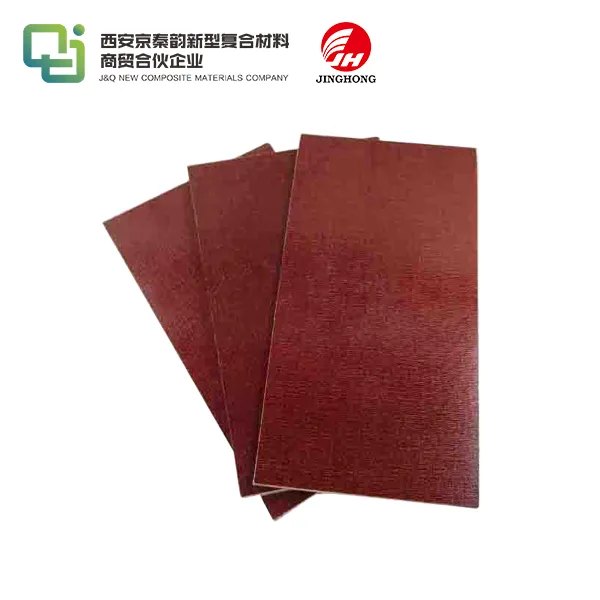
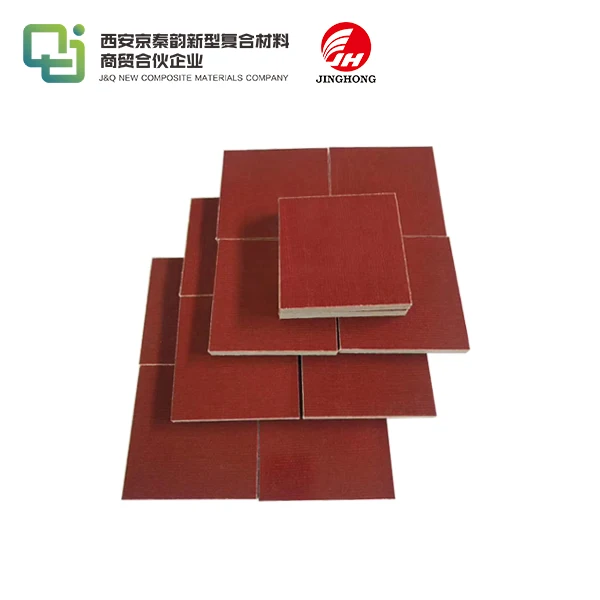
- Machinery and automotive: Machine builders use epoxy laminates and phenolic cotton sheets for wear parts, spacers, and structural insulation. How well these materials can handle weight and thickness determines how well they will work. FR4 and phenolic materials are used by auto suppliers to make heat-resistant parts, battery pack barriers, and insulation pads. They want the quality of each batch to stay the same and for large runs to have the same level of machining.
- Home appliances: Some home appliances have parts that keep heat away from the motor, motor brackets, and insulation frames. These parts are made from Bakelite and fiberglass sheets. When it comes to mass production, keeping costs low and making sure there is a steady supply are just as important as the grade of the material. This is why buyers compare grades very carefully. It's a good idea to do a small first-article run before placing bigger orders. Getting things to factories quickly also helps keep the lines running.
These examples show that as long as the grade is right, you can use different kinds of plastic for the same task.
Vetronite Material Properties for Electrical Insulation
Dielectric Strength and Electrical Behavior
In labs, ASTM D149 is often used to find out the dielectric strength of Vetronite material. This value tells you how much energy the material can hold before it breaks. There is no way that a single number on a datasheet can fully describe what is going on. It depends on how thick it is, which way the test is going, the temperature, the humidity, and the state of the surface. A thin sheet usually has a higher kV/mm value than a thick one. When making real plans, you should also look at the lengths of gap and creepage. This is because surface dirt and wetness can lead to tracking before the mass breaks down. To make sure grades are fair, ask providers how and where the tests were done.
Heat, Flame, and Moisture Performance
The plastic system tells us how heat-resistant it is. The temperature at which normal FR4 turns into glass (Tg) is between 130°C and 140°C. Not so with high-Tg grades, which are above 170°C. Tg is the temperature at which the resin starts to get soft. The number for continuous service temperature is different from this one. This number helps you compare grades. Also, the way flames act changes with grade. UL 94 V-0 standards are met by FR4, but plain G10 is not sold as flame-resistant. Glass cement doesn't soak up a lot of water, according to ASTM D570 tests. This means that damp rooms don't change the value of soundproofing. But switchgear that is outside might need extra protection, so let the company know about the weather when you ask for a quote.
Mechanical Strength and Dimensional Stability
Power is not as important to machine builders and car experts as strength. The phenolic grades made from paper are not as strong as the glass epoxy because they are not made from glass cloth. The glass epoxy also stays in shape when clamped around bolts and other fasteners. To find out how the seller got their data, look at ASTM D790, which talks about flexural testing. Just as important is getting the thickness right. The stack height can be different across an assembly if the gap changes by a few hundredths of a millimeter. When you buy something thick, ask what the acceptable range is, and make sure that big sheets are flat before they are made.
CNC Machining Vetronite Insulation Parts
Tooling and Dust Control
CBN tools wear out quickly, so they can be used as a base for glass fibers. These kinds of tools last longer when used for long runs. Feed rates that aren't too fast or too slow help keep the edges from coming apart. When the tools are too dull, they will move the resin around and tear the fibers. To keep the work stable and stop it from chipping, it's important to have a stable way to hold it. You should also pay attention to the dust. Glass epoxy dust can hurt your eyes, nose, and throat, so protect your lungs with vacuum hold-down tables, local dust extraction, and dust masks. It is important to clean the parts after they have been machined because any dust that is left over can lower the surface insulation resistance of the end assembly.
Design Rules for Machinable Parts
Less waste and money are spent when geometry is good. Don't make the walls too thin; if you press on a thin spot, it will break or chip. Adding internal radii will keep the corners from being too sharp. The tool can then follow the line, and stress doesn't build up at the corner. Make holes that aren't too deep for how wide they are, and don't put them too close to the laminate's edges or it will break. Don't make all of your tolerances too tight; it takes longer to check each feature that is too tight. If you send us your CAD file early, our team can check it for things that might not work right, like deep pockets or tabs that don't work.
Preventing Delamination, Burrs, and Fiber Pullout
Most machine flaws are caused by too much heat, tools that are too dull, or not enough support. Delamination is the process by which layers split around a hole or along an edge. Frayed edges from burrs and clear glass fibers can catch wires or hold dirt. Cracks that are so small you can't see them at first can turn into paths for water or other things to move through over time. Make sure you look at the parts in good light and use a backing plate when you drill. Finish the sides lightly as well. Show your supplier and testers what kind of edge quality is acceptable on the drawing so that everyone can agree on how to rate the parts.
Vetronite vs. G10, FR4, and Phenolic Options
Vetronite, G10, and FR4 Compared
There is a link between the three names, but they are not the same. G10 and FR4 are specific names, while Vetronite material is a brand name. Both G10 and FR4 are made of glass cloth and plastic, but only FR4 is meant to be flame resistant. Along with G11 and FR5, which are related to LI 1, there are also cousins at higher temperatures. Checked data can be used to compare grades based on flame rate, temperature range, dielectric strength, water absorption, and bending strength. If the supplier can't tell you what the Vetronite material sheets are called, ask for a datasheet or test report before you place your order.
Epoxy Glass vs. Phenolic and Bakelite
In order to make phenolic sheets, like Bakelite and phenolic cotton, stronger, paper or cotton is used. It's cheap and easy to make epoxy cotton, which works well for gears and wear parts. Glass resin stays the same size over time, is stronger, and doesn't soak up as much water. Beech or Bakelite may be enough for parts that need to be big and cheap, like motor brackets and device frames. When it comes to parts that will be hot and damp, like switchgear barriers and battery pack protection, glass epoxy is usually the better choice. Instead of just buying what costs the least per unit, think about how it will be used in real life.
Choosing the Right Grade Step by Step
Have a look at the form first. Write down the amount of power that will be used, the temperature range, the humidity, the contamination, the motor load, and how long you think the part will last. Next, decide if you need flame retardancy and pick a plastic like G10, FR4, or something else. Pick the thickness based on the room you have, the electrical spacing, the stiffness, the screw pressure, the creepage, the clearance, and the thickness. Make sure the picture is flat, has holes marked, and has important margins and edge conditions marked. Finally, compare the supplier's datasheet to what you need and give your approval to a sample before the product is made. In this case, the choice will be based on how well it works instead of the name of the product.
Buying Guide for Sheets, Blanks, and Machined Parts
What to Include in Your RFQ?
You'll get a quote faster and more accurately if you fill out the whole form. Write down the name of the material, how thick it is, what size the sheet or part is, how many there are, and how much is needed each year. Please send a 2D or 3D CAD file with the needed sizes, hole information, and surface area. Write down the working conditions, the certifications that are needed, the packaging that is needed, the end location, and the date that you want the goods to arrive. The price depends on the grade, sheet size, difficulty of the work, tolerance, inspection, quantity, paperwork, and freight. Help your source give you an accurate quote by being clear about what you need. Find out the minimum order number, wait time, batch stability, and how to handle changes for apps you use often.
Quality Checks and Documents to Request
Check both the laminate that is coming in and the part that is done. The grade, width, surface, and batch number should all match up with the accepted sample. Check the finished pieces for important measurements, holes, burrs, cracks, delamination, and fibers that can be seen. People in the U.S. will often ask for a material license, an inspection report, RoHS paperwork, and proof of flame-rating if they are asked. Many people make the mistake of thinking that Vetronite material, G10, and FR4 are all the same. They choose based only on dielectric strength, don't think about damage from cutting, and agree to material changes they weren't told about. Talk about how to inspect and what kinds of flaws are okay before production starts.
How J&Q Supports Your Order?
For more than 20 years, J&Q has made and sold insulation sheets. For more than 10 years, we have also done business with other countries. Since we've been in business for a long time, we've worked with trade groups from all over the world. We also have our own shipping company, so we can take care of sheets, custom-cut blanks, and shipping plans all in one service. We sell phenolic cotton sheets, FR4 sheets, 3240 epoxy boards, and Bakelite sheets. We'll make sure you know what grade, thickness, and paperwork your project needs before we give you a price. Send us a picture. There are many items to choose from at jhd-material.com.
Conclusion
That's what Vetronite material is, and the grade that makes it different is what makes it unique. For general insulation work, G10 sheets work well. FR4 sheets are better because they don't catch fire. Phenolic sheets are cheaper but less strong and don't protect against wetness. You should read the datasheets instead of the names if you want to know about things like Tg, water absorption, mechanical data, and more. CNC cutting works well when teams use diamond or carbide tools, keep the dust down, and make parts with thick walls and lots of curves. It works better when the edges are clean. A full RFQ, clear limits, and agreed-upon inspection and record requirements make it less likely that there will be delays, rework, and substitution risks in prototype and repeat production.
FAQ
Is Vetronite the same as G10 or FR4?
Not all the time. Some sellers sell epoxy laminate with glass fibers mixed in under the name Vetronite material. Grades like G10 and FR4 are set. Check the datasheet to see what grade you are getting before you buy FR4.
Can Vetronite sheets be CNC machined?
Yes. Certain tools, like those covered in diamond or carbide, can help limit burrs, delamination, and fibers that show. Other tools that get rid of dust are also helpful. A lot of screws, spacers, barriers, and mounting plates are made this way. Set standards for how good the edges of your picture should be.
What affects Vetronite dielectric strength?
Temperature, wetness, surface state, and the way the test was done are just some of the things that can change the result. Look at data that was collected in conditions that are similar to the ones you will be using and compare values that come from the same standard, such as ASTM D149.
Can I order small quantities?
Most of the time, yes, especially for drafts and test versions of the main output. Make sure you know the minimum order quantity, lead time, and documents that are available before you place the order.
Which documents should I request?
If your project needs them, you should ask for the material certificate, technical data sheet, inspection report, RoHS paperwork, and proof of flame rating. They should be kept with the sample you gave your OK for use in future orders.
Request a Vetronite Material Quote from J&Q
Finding a Vetronite material source that can make sheets, blanks that are cut to order, and finished parts all at the same time? For all your needs, J&Q can meet them all. It has been in business for over 10 years and has its own logistics company. Send an email to info@jhd-material.com with your drawing, grade, thickness, quantity, and shipping address. jhd-material.com is another place where you can learn more about the item. Our team will look over your application and give you some good ideas.
References
1. ANSI/NEMA LI 1, Industrial Laminated Thermosetting Products, National Electrical Manufacturers Association, 1998
2. ASTM D149, Standard Test Method for Dielectric Breakdown Voltage and Dielectric Strength of Solid Electrical Insulating Materials at Commercial Power Frequencies, ASTM International, 2020
3. ASTM D790, Standard Test Methods for Flexural Properties of Unreinforced and Reinforced Plastics and Electrical Insulating Materials, ASTM International, 2017
4. ASTM D570, Standard Test Method for Water Absorption of Plastics, ASTM International, 2018
5. UL 94, Standard for Tests for Flammability of Plastic Materials for Parts in Devices and Appliances, Underwriters Laboratories, 2013
6. Directive 2011/65/EU on the Restriction of the Use of Certain Hazardous Substances in Electrical and Electronic Equipment, European Parliament and Council of the European Union, 2011
_1732777843529.webp)