What to Check Before Buying 3641 Epoxy Glass Fiber Laminated Tubes
2026-10-29 17:16:59
Check the following six items before purchasing a 3641 Epoxy Glass Fiber Cloth Laminated Tube. Check the name of the material against the standard or the supplier's needs. See what the power test showed and how it was done. Check out the material's temperature class and how strong it is. Set accurate numbers and acceptable amounts. Ask for proof that the work is good. Find out what the seller can really do. I look at not only the price per unit but also how the tube compares to PTFE, silicone fibreglass, and phenolic options. Each check is broken down into easy-to-understand parts by these parts. This way, you can write a clear specification and avoid having to pay a lot of money to replace.
Know the Product and Its Electrical Performance
What a 3641 Epoxy Glass Fiber Cloth Laminated Tube Is?
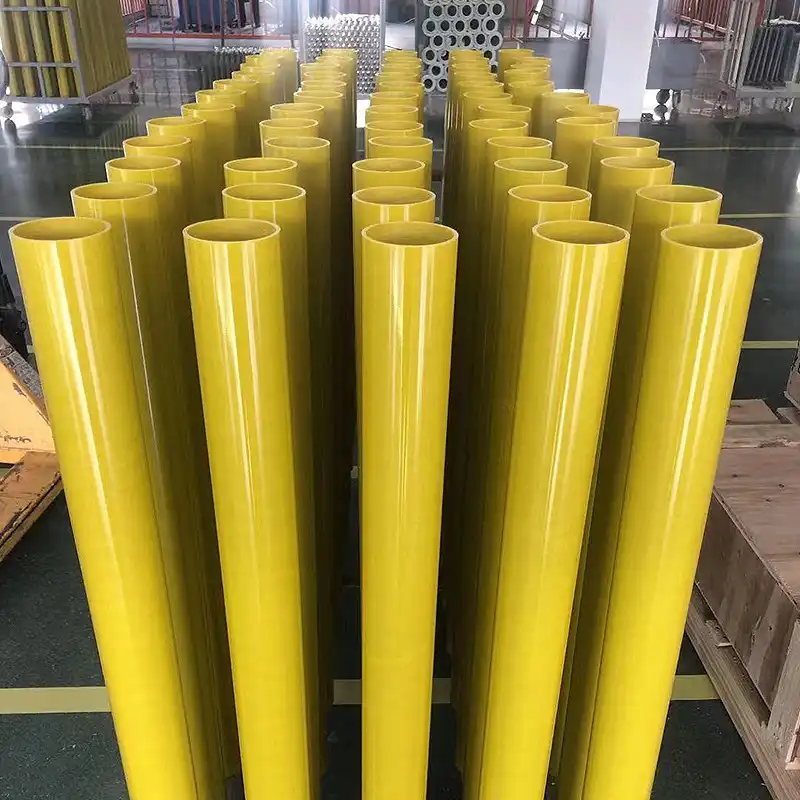
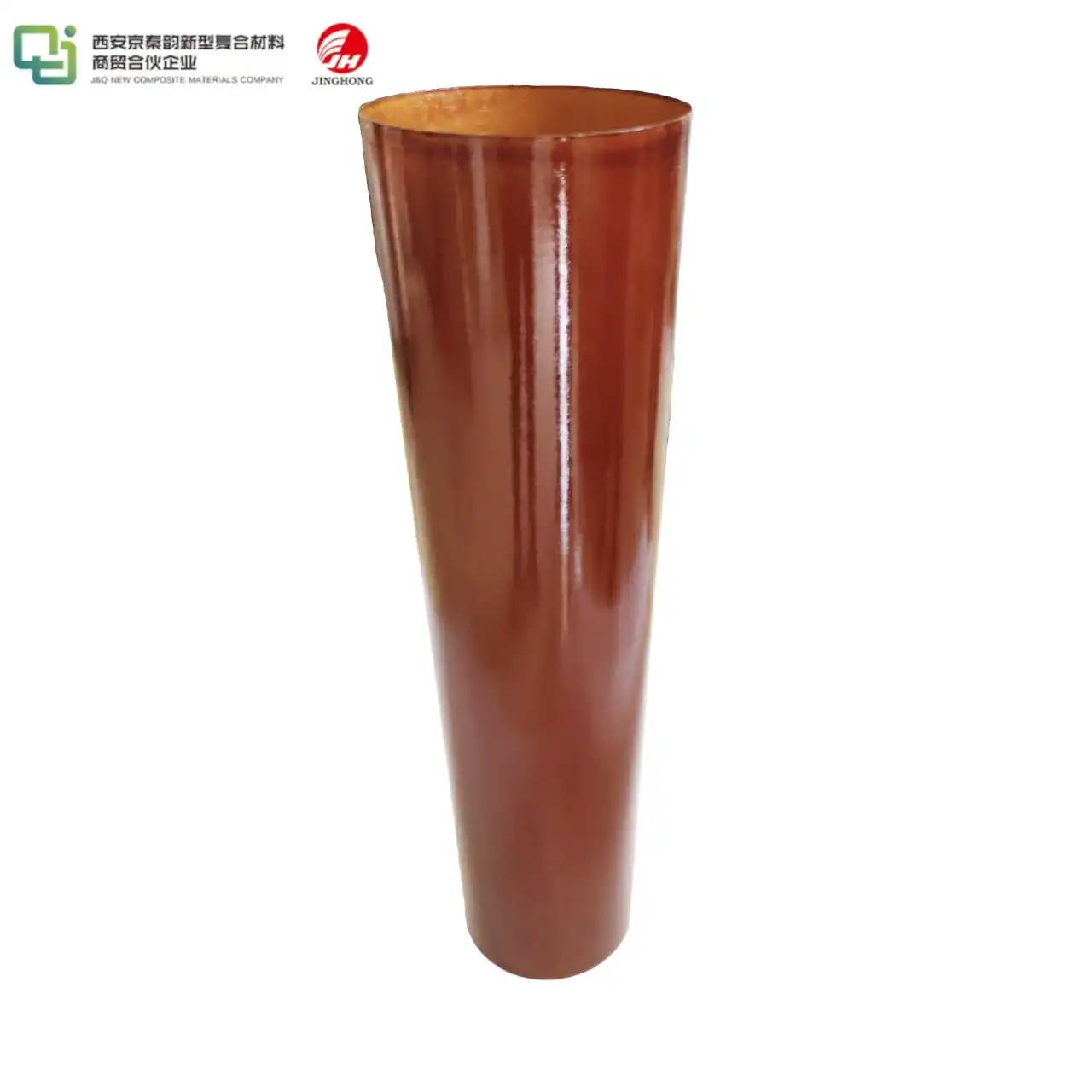
The 3641 Epoxy Glass Fibre Cloth Laminated Tube is a rigid and round barrier. It is rolled out layer by layer after a changed epoxy phenolic glue is mixed with alkali-free glass fibre cloth. After that, it is cooked to harden and baked. Insulation material Class F (155°C) makes up the whole tube. It's strong and doesn't let electricity pass through it. Because different sellers use names in different ways, I always tell buyers to make sure that the "3641" number fits the written or standard specifications for the job. To keep things from touching, it's often used as a gap, a nut, a shaft, or a support for motors, switches, or transformers.
How It Differs From Other Insulating Tubes?
Every type of tube is good for a specific job. When fibreglass is pressed into a mould, it makes parts that are shaped like fibreglass. The silicone fibreglass sleeving has a layer that protects the wires. The thread can be bent. PTFE tubes are made with a fluoropolymer, and phenolic tubes are made with a phenolic glue method. Paper or cotton is often used to make the tubes stronger. There's a 3641 tube somewhere else. With epoxy glue and glass cloth, the wall is stiff and stays that way even when it's full of things. Not like other phenolic paper tubes, its structure stays strong even when it's spinning very fast, and it can be used in oil and wet places.
Electrical Insulation Data to Request
The way an electrical product works is usually what makes a company that makes gadgets and electrical goods, as well as transformers, decide to buy it. Find out how much water the material can hold, its breakdown voltage, its dielectric strength, its insulation resistance, and how it tracks. It is not very helpful to only have a number. Make sure you know how to test, the diameter of the material, how to condition it, the voltage, the frequency, and the direction of the test. ASTM D149 is a way to break down dielectrics that can be used by both sides. This is the reason you should ask for data on samples from tubes. The information from the raw laminating might not match the information from the tube that is all done. Ask for conditioned test results if you need to do work in a place that is dirty, wet, or has a lot of voltage. To keep surfaces dry after they have been made, our product notes say that protective paint should be used. This is because the paint can soak up water.
Evaluate Heat, Strength, and Alternative Materials
Temperature Resistance and Thermal Class
There are more than one peaks when it comes to temperature. IEC sorts temperatures into groups, and a 3641 tube is a material in Class F. This means it can stand up to 155°C and stay that way. Find out from the supplier what the product's long-term and short-term temperatures are, as well as any data on thermal ageing. A company that makes transformers and sends power to people in need needs to know this about heat safety, spark barriers, and coil protection. The people who make appliances need it for motor brackets and parts that keep heat from moving around. Also, check to see how well the tube works when it is heated and iced many times. This can put stress on joints and parts that are joined together. It's easier to read the test conditions when they are written down on the datasheet.
Mechanical Strength and Environmental Exposure
There are more than one peaks when it comes to temperature for a 3641 Epoxy Glass Fiber Cloth Laminated Tube. IEC sorts temperatures into groups, and a 3641 tube is a material in Class F. This means it can stand up to 155°C and stay that way. Find out from the supplier what the product's long-term and short-term temperatures are, as well as any data on thermal ageing. A company that makes transformers and sends power to people in need needs to know this about heat safety, spark barriers, and coil protection. The people who make appliances need it for motor brackets and parts that keep heat from moving around. Also, check to see how well the tube works when it is heated and iced many times. This can put stress on joints and parts that are joined together. It's easier to read the test conditions when they are written down on the datasheet.
Comparing With Phenolic, Silicone Fiberglass, and PTFE
When you consider things that count, you don't have to buy based on price or just one house. Phenoclayne tubes might be a better choice if the sealing job isn't too hard or if the part needs to be cheap. Silica fibre tubes can't be kept safe in places where a solid wall would work, but stretchy wires can. If you need to keep chemicals out or friction low, PTFE tubes are a good choice. Parts of hard structural insulation that the 3641 tube can fit are threaded insulating covers, pull rods that insulate, and shafts that change taps. Think about the load, temperature, electricity, weather, and expected service life. Then, look at how hard it is, how it reacts to dielectrics, how it handles temperature, how well it works with chemicals, how well it handles moisture, how much it costs, and how easy it is to machine. That's why what's best is more than just one line of a manual.
Verify Dimensions, Tolerances, and Customization
Specify the Critical Dimensions
Because a tube needs to fit around a wire, clamp, rod, or precision assembly, it's important to know both of its length and width. Write down the tube's circumference, length, width, and thickness. When the process calls for it, add standards for surface, form, concentricity, and straightness. For example, engineers who work on machines and cars need plates, spacers, and fittings that fit together well. If the wall width stays the same, they can guess how the weight will be spread out. It has a smooth look, a uniform colour, neat cutting ends, and a tight limit, if that makes sense. Still, don't trust broad claims. Instead, ask the provider to write down the exact size ranges they can offer.
Machining and Custom Processing
Because a tube needs to fit around a wire, clamp, rod, or precision assembly, it's important to know both of its length and width. Write down the tube's circumference, length, width, and thickness. When the process calls for it, add standards for surface, form, concentricity, and straightness. For example, engineers who work on machines and cars need plates, spacers, and fittings that fit together well. If the wall width stays the same, they can guess how the weight will be spread out. It has a smooth look, a uniform colour, neat cutting ends, and a tight limit, if that makes sense. Still, don't trust broad claims. Instead, ask the provider to write down the exact size ranges they can offer.
Drawings and Acceptance Criteria
Send a controlled drawing with critical tolerances marked, and state whether the tube works as a sleeve, spacer, support, or machined component. That detail changes which dimensions matter most. Agree on acceptance criteria before production, including the inspection method, sampling plan, measurement conditions, and the appearance standard for surfaces and cut ends. Then approve a sample against those criteria. A short review at this stage prevents disputes later, because both sides measure the same way. For repeat orders, keep the approved sample as the reference for appearance and fit, and give your quality team a record to compare against every later batch.
Assess Manufacturing Quality and Supplier Capability
Production Controls That Affect Consistency
What kind of 3641 Epoxy Glass Fiber Cloth Laminated Tube do you have? Is it a cover, a filler, a support, or a final part? Then show us a model that has been checked and has all the important information written on it. The most important things change because of that little thing. Before the work starts, you should agree on the accept standards. These should include how to check, an example plan, how to measure, and a standard for how the edges and areas should look. After that, follow those rules and accept a sample. Things will be fine after a quick look as long as both sides measure the same way. You can use the approved sample to help you figure out how the clothes should look and fit when they go on sale. Also, make a copy of the sample so that the people who are in charge of quality can use it to compare each new batch to.
Documents That Prove Quality
Paper records can help you tell the difference between a good and a bad maker. Each batch should have its own technical data sheet, certificate of conformity, dielectric test report, and dimensional report given to you. You should be able to keep track of them all. In case your market or customer needs them, get papers about RoHS or UL early. Make sure they cover the product. Red flags include incomplete specifications, samples that don't look the same, and records that the supplier can't make. Also, make sure you package things well. Once you get our products, the information says to keep the boxes in a cool, dry, well-ventilated room for a year. Find out how the seller labels and packs each item.
Manufacturer, Factory, Exporter, or Distributor
They don't all mean the same thing. A company usually has more control over production and more room for making changes. If you need something quickly, someone who sells things might have it in stock and be able to give you smaller amounts. Someone who exports takes care of the ships and paperwork. J&Q has made and sold insulation sheets for over 20 years. It's been more than 10 years since they did business in another country. We also have our own logistics company, so the same people work on production, paperwork, and delivery. Find out about a supplier's minimum order quantity (MOQ), sample and production lead times, testing, repeat orders, engineering changes, and whether they can ship goods anywhere in the world before you choose one.
Compare Cost, Build a Checklist, and Avoid Mistakes
Price, MOQ, Lead Time, and Total Cost
It's only helpful if a quote says everything that needs to be said. The last number is based on the item's width, length, wall thickness, material grade, cutting, testing, certification, packing, shipping terms, and where it's going. Send a request for quotation (RFQ) that includes the Incoterms you want, the measures you need, the yearly demand, working conditions, plans, testing needs, and the address where the goods will be sent. When it comes to one-of-a-kind tubes, remember to keep the wait times for stock, tests, and mass production separate. Also, think about how much it will cost you to own it all, including shipping, import fees, inspection, scrap, failed assembly, replacement, and the chance that you won't be able to get supplies when you need them. You won't save much if parts break while you're putting them together.
A Practical Checklist for Final Selection
This three-part list will help you compare the suppliers you've chosen.
- Technical checks: Double-check the agreed-upon test methods, the temperatures, the mechanical loads, the environment, the measurements, and the name of the material. You should list each item in the buy specification so that the seller and your engineers can use it as a guide when they look at samples and batch results. Any part of the app that it can't handle should be forced to work.
- To make sure the quality is good, look over samples, batch records, traceability, defect control, inspection reports, and any other paperwork your market needs. Compare the piece to the picture and figure out how big it is. Also, make sure that the seller can get the same result with all of the samples, not just the one that was chosen by hand. Keep these records in a safe place.
- If you want to place another order, make sure you look at the MOQ, wait time, payment terms, Incoterms, production, testing, packing, and customer service for the first time. In the middle of a project, why would you change your mind? When a lot of requests are turned down, what does the service company do? If you answer "yes" or "no," you'll know how the company will work with you after the first shipment. Write them down.
Finally, give each supplier a score based on how well they do their job, how reliable they are, how good their service is, and how much the whole shipment cost.
Common Buying Mistakes to Avoid
The specs of most things aren't checked to see if they are the same before you buy them. Another mistake people make is putting in an order without full drawings, clear tolerances, or clear acceptance criteria, or they don't think about voltage, temperature, moisture, chemicals, vibration, or mechanical loading. For unique parts and important safety systems, not confirming samples can cost a lot, so it's not a good idea to skip it. Before they are made, test representative samples to find problems with size, shape, surface finish, or electricity. This way, the problems can be fixed faster. In our product notes, we also tell people that the values on the datasheet aren't always correct and that they need to be used with care.
Conclusion
The specs of most things, including a 3641 Epoxy Glass Fiber Cloth Laminated Tube, aren't checked to see if they are the same before you buy them. Another mistake people make is putting in an order without full drawings, clear tolerances, or clear acceptance criteria, or they don't think about voltage, temperature, moisture, chemicals, vibration, or mechanical loading. For unique parts and important safety systems, not confirming samples can cost a lot, so it's not a good idea to skip it. Before they are made, test representative samples to find problems with size, shape, surface finish, or electricity. This way, the problems can be fixed faster. In our product notes, we also tell people that the values on the datasheet aren't always correct and that they need to be used with care.
FAQ
What are common uses for this tube?
A lot of people use it to protect against electricity in pull rods, coil supports, threaded insulation covers, motor and test tool parts, and parts that change the shafts of tools. Not only that, but the tube also works in oily and wet places.
What temperature class does it have?
This is Class F (155°C) stuff. What makes it work depends on the glue, how thick the wall is, and how long it takes to dry. Ask the company for the exact details on the product's steady temperature and thermal ageing. The long-term ranking and the short-term score might not be the same.
Does machining affect moisture resistance?
Yes. Before the tubes are used, impregnating insulation paint should be used to keep them dry because they are more likely to soak up water. Keep the original boxes somewhere cool, dry, and with good air flow.
What should an RFQ include?
Please describe the size (or models of the size), the number, the yearly demand, the power, the temperature, the climate, any certificates that are needed, the end destination, and the shipping plan. A full study is done to make sure the job can be done and the price is right before it is given.
Should I buy from a manufacturer or a distributor?
The person who makes something usually has more say over the process and can make changes to fit your needs. A distributor, on the other hand, might have stock in your area but not sell as much of it. If you need a certain amount, wait time, or specs, you can pick.
Contact J&Q for a 3641 Epoxy Glass Fiber Cloth Laminated Tube Quote
Send your drawings, quantities, voltage, temperature, and destination to J&Q at info@jhd-material.com, and our team will review feasibility before quoting. As a 3641 Epoxy Glass Fiber Cloth Laminated Tube manufacturer with more than 20 years in insulating materials, over 10 years in foreign trade, and our own logistics company, we offer one-stop support from samples to repeat orders. Visit jhd-material.com for product details.
References
1. NEMA, LI 1 Industrial Laminated Thermosetting Products, 1998
2. IEC, IEC 60085 Electrical Insulation – Thermal Evaluation and Designation, 2007
3. ASTM International, ASTM D149 Standard Test Method for Dielectric Breakdown Voltage and Dielectric Strength of Solid Electrical Insulating Materials at Commercial Power Frequencies, 2020
4. ASTM International, ASTM D570 Standard Test Method for Water Absorption of Plastics, 2018
5. ASTM International, ASTM D790 Standard Test Methods for Flexural Properties of Unreinforced and Reinforced Plastics and Electrical Insulating Materials, 2017
6. ASTM International, ASTM D229 Standard Test Methods for Rigid Sheet and Plate Materials Used for Electrical Insulation, 2019
_1754967691873.webp)