How to Choose Commercial Phenolic Laminates Without Overpaying
2026-10-29 17:16:55
Before you look at prices, make sure that the Commercial Phenolic Laminates you want will do the job. First, write down what you need in terms of weather, electricity, and mechanics. Get quotes for sheets that are the same size, thickness, specs, and delivery terms. Then, look for the grade that meets all of your needs at the lowest price. Figure out how much it costs to ship trash, make a part that doesn't work, and machine waste. Finally, get a datasheet and a sample before you give the go-ahead for a big order. Check the source and make sure the products are right. This guide tells you what to do at every step.
What Are Commercial Phenolic Laminates and Which Types Should You Know?
How Phenolic Laminate Sheets Are Made?
Sheets of paper or woven cotton that have been saturated in phenolic resin are known as Commercial Phenolic Laminates. Builders stack the sheets and then heat and press them to make the board thick and stiff. Three things determine what happens: the support, the glue mix, and how well it dries. They decide how strong it is, how much insulation it has, how stable the sizes are, and how well it keeps heat out. A lot of people in the US buy them. They are based on ASTM D709 and NEMA LI-1. You can read and understand any paper if you follow these steps. The grade name doesn't tell you anything about the item, so check the papers first.
Paper Phenolic Versus Cotton Fabric Phenolic
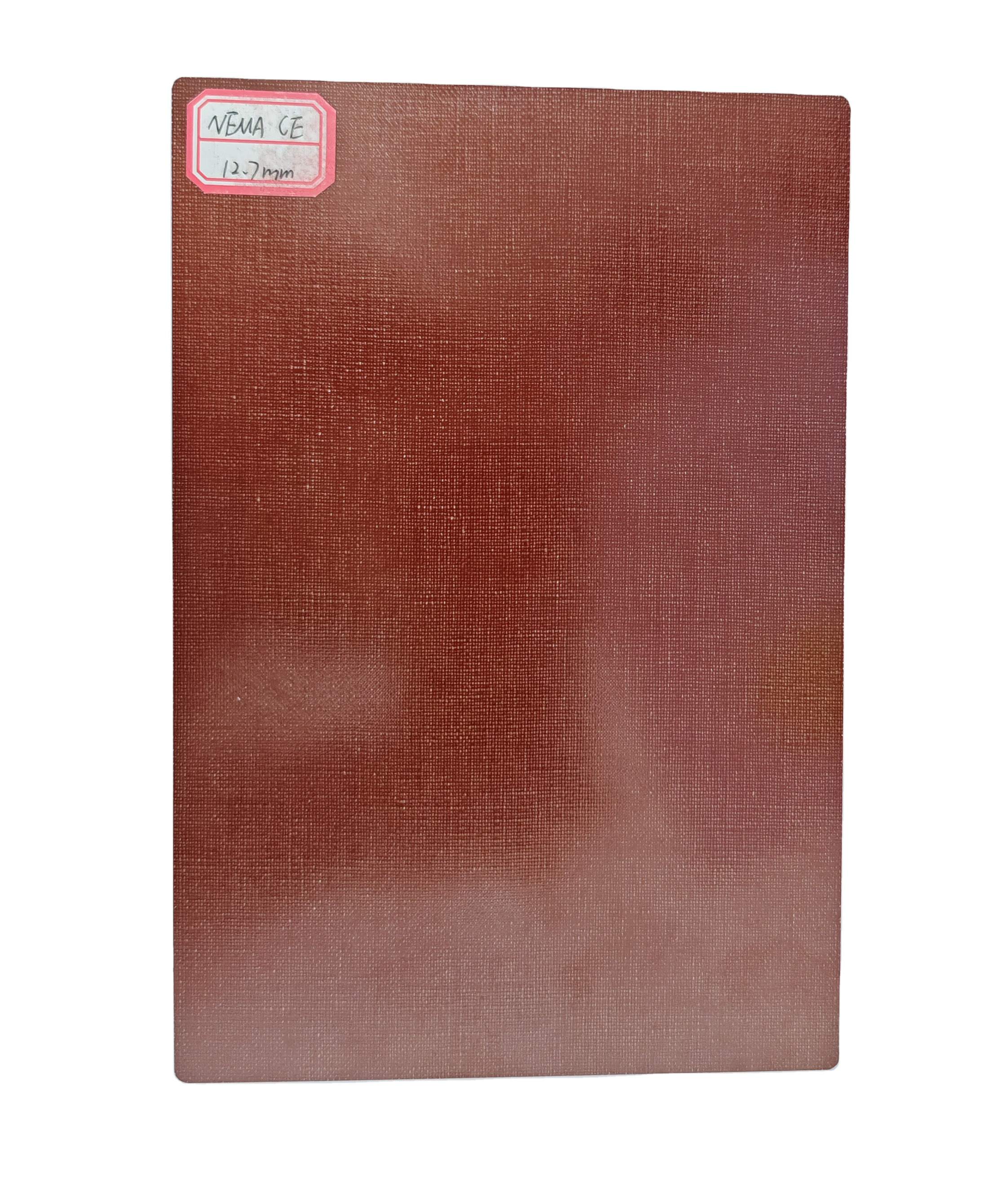
Grades of paper like NEMA XX and XXX should have a smooth surface so that electricity can't pass through them. They work with control boards, washers, and parts of circuitry. Fabric grades like NEMA C and CE are used by machine builders to make gears, bushings, and wear parts because they make things stronger and better able to handle force. The grade of canvas that can be used with electricity is CE. The mark on the paper might break if it's in a gear. It might cost more than it's worth if it's just in a gap. First, make sure the load is right on top of the support. Click on the link to read the information. Last, put the numbers next to each other.
JingHong Cotton Fabric Phenolic Sheets at a Glance
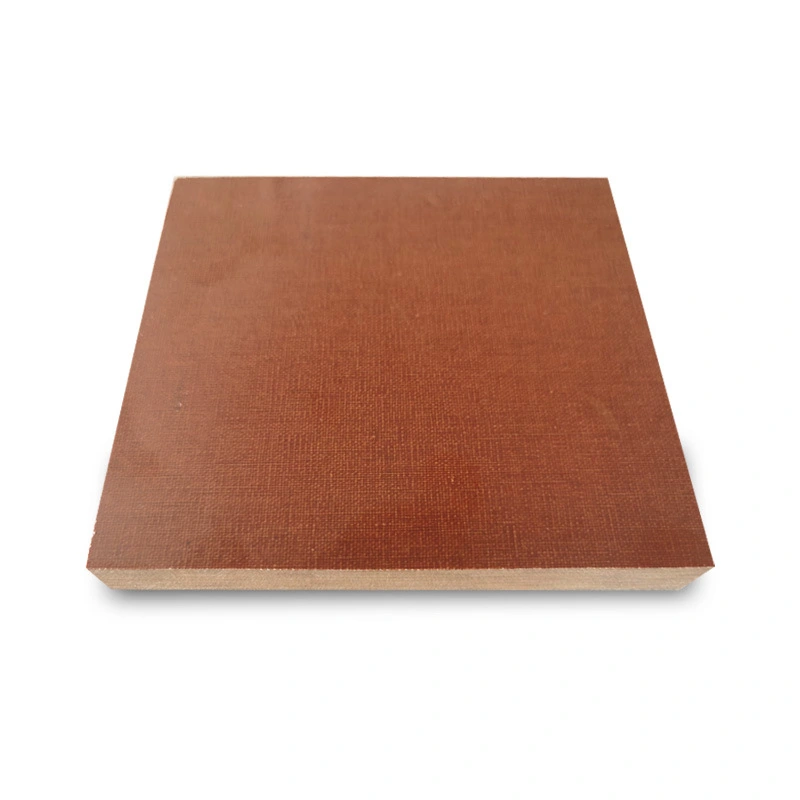
Our JingHong sheets pair cotton fabric with phenolic resin. This table lists the core specifications.
| Attribute | Details |
|---|---|
| Brand | JingHong |
| Grades | 3025, 3026, CE |
| Colors | Brown, Black |
| Thickness | 2 mm to 100 mm |
| Standard sizes | 1020 × 2020 mm, 1220 × 2440 mm |
| Packaging | Regular packing, protected by pallet |
| Annual capacity | 30,000 tons |
| Minimum order | 500 KG |
| Payment | T/T |
| Transport | Ocean, land, air |
Standard sheets usually ship quickly, and custom sizes or thicknesses can be arranged within standard lead times. Knowing these limits early helps you plan part layouts before you request a quote.
Match the Application and Performance Needs Before You Compare Prices
Electrical Uses: Switchgear, Transformers, and Insulation Panels
There are a lot of things made from Commercial Phenolic Laminates that need to have good dielectric strength and insulation resistance, especially when they are dirty or wet. These things include switchgear parts, transformer parts, circuit breaker elements, and insulation panels. The JingHong datasheet says that the parallel-layer breakdown voltage must be at least 10 kV and must be tested in transformer oil at 90 ± 2°C, which is what GB/T 5130 says. It also tells you how strong the electricity is for each weight. Ask the supplier what the tests were done on and what the thickness and direction were. The results might have been different if the tests were done a certain way. When US teams test for dielectric breakdown, they often use ASTM D149 as a guide. This makes it easy to look at different quotes.
Mechanical Uses: Gears, Bearings, and Wear Parts
Jigs, clamps, machine tool parts, and gear parts all need to be strong enough to hold loads over and over. Grade 3025 can be bent with 100 MPa, and grade 3026 can be bent with 140 MPa. The most it can stretch is 80 MPa, and for grade 3026, it has to be 98 MPa. If you need to bend your part a lot, 3026 might be a good minimum. 3025 might work well for parts that aren't too heavy. Also, canvas plastic gears are quiet and absorb shocks, which keeps the metal parts that fit together safe.
Thickness, Water Absorption, and Sheet Size
When something is thick, it takes in more water. At 2 mm, 319 mg, and 450 mg, the datasheet says that the most that can be absorbed is 229 mg. When there is water around, it changes the size of things and makes insulation less useful. This changes the safety and longevity. The rule in the US for how much water something can hold is ASTM D570. If you want to know, ask the provider what method they used. It's true that bigger sheets are harder, but they cost more, weigh more, and take longer to make. So that all of your suppliers can give you the same thing, make a table with the sheet size, range, and width.
Compare Commercial Phenolic Laminates With Other Materials and Total Cost
Phenolic, Epoxy, Fiberglass, and FR4
Most of the time, epoxy glass laminates and FR4 handle heat, water, and acids better because they contain more glass. They cost more, though, and cutting tools break down more quickly. Don't move on to something else until you know how to stay safe on FR4. That's why it's often used for PCBs and other high-performance electrical work. You can use phenolic for light building work and general safety. Standard grades should be used all the time at temperatures between 115°C and 125°C most of the time. If your part needs a certain UL 94 flame rating or gets hotter, please write it down before you buy.
Sort Requirements Into Must-Have, Preferred, and Optional
To begin, make a list of the things you need, such as electrical ratings, measurements, tolerances, temperature limits, and proof that the product meets the needs. Next, make a list of the things you need, such as fast delivery or service that cuts to size. In the last step, cross off any things that aren't important to your application. This could mean more licenses or unique finishes. The fastest way to spend too much money is to buy things you don't need. Pick either dark or black based on the picture or what the customer wants. Also, make sure that the grade meets the technical and electrical needs, not the colour. They can also see what they need to do with this short list.
Calculate Total Cost, Not Unit Price
It includes the cost of the material, the time it takes to cut and machine it, the wear and tear on the tools, the packing, the freight, the customs fees, the inspection, the inventory, the discards, and the estimated cost of failure. A sheet that is 1220 mm x 2440 mm is 2.98 square meters, and a sheet that is 1020 mm x 2020 mm is 2.06 square meters. Check to see which plan takes up less room by putting your parts on both of them. Plain sheets work well for jobs that are short or easy. With pieces that are cut just for you, you can make more of the same thing and throw away less. It helps you save time and money. Find out how much each option costs from the service providers using the same grades and limits.
Evaluate Suppliers and Follow a Practical Selection Process
Check Capacity, Documents, and Export Experience
You should find out if the company makes Commercial Phenolic Laminates or just sells them. Then look at its range of grades, cutting services, sizes, and quality systems. Get records of inspections, data sheets, certificates, and ways to tell each batch apart. Every year, JingHong can hold 30,000 tonnes. Over the past 20 years, J&Q has sold insulation sheets. For the past 10 years, we've also done business with other countries. We also run our own shipping company that sends things by land, sea, and air. More than just the sheet price should be taken into account when you compare local and foreign options. Also, think about how much it will cost, how long you'll have to wait, and the technical risk.
Inspect Samples Before Bulk Approval
A sample is better than a data sheet because it can show more. There shouldn't be any bubbles, cracks, gaps, or signs of delamination on the surface. Also, make sure the width is even. Then make some parts with a machine. The best ways to cut phenolic are with cutting speeds that are fast, feed rates that are slow, and clamps that are tight. This is because vibration can split layers along their edges. Do a soak test according to ASTM D570 to make sure your plan will work. That way, everyone can agree on the same level of quality. The results should be written down and shown to the quality, buying, and building teams.
Compare Quotes in a Simple Matrix
It is simple to compare things truthfully with a grid. For each supplier, write down the price, grade, thickness, sheet size, tolerance, quantity, lead time, delivery terms, documents, packaging, support, and how to handle claims. When JingHong sheets are shipped, they come in normal boxes and on safe trucks. They will take T/T as payment for your first order of at least 500 kg. You can enter those terms right away. Each person must get the same number. If the grid shows that papers are missing, the lead time is long, or the claim terms are not clear, you might not care as much about a low unit rate.
Avoid Common Buying Mistakes and Use a Final Checklist
Mistakes That Raise Costs
People don't want to buy something because of its vague design, not because it's expensive. Pick the cheapest quote and don't worry about the grade. You might end up with bad insulation, problems with moisture, bad cutting, wear and tear too soon, or delamination. When it's hot, standard phenolic doesn't always work well, and strong acids or bases can damage it. People who buy things also lose money when they don't pay attention to things like packaging, sheet yield, tolerances, and inspection criteria. Having too much in stock costs money and takes up room. If you don't order enough, you can't make anything. You can avoid most of these costs if you have clear standards and planned demand that makes sense.
Final Checklist Before You Order
Before you send out an order, make sure you know the grade, the thickness, the sheet size, the weight, the temperature range, the chemical and water exposure, the way the material is cut, and the standards that must be met. Then, make sure you agree on the business details, such as the price, the currency, the minimum order quantity, the lead time, the packaging, the terms of the goods, the Incoterms, the payment terms, and what to do if there is a problem with the quality. When engineering, purchasing, and quality all sign off on the same document, it's easy to know what to expect when the sheets come in. Being able to give you a price faster, having a full list will also help.
When Phenolic Is the Right Choice?
It's cheap, it protects well, and it can handle light mechanical work, mild weather, and being cut. Also, cutting fluids, grease, and oils won't hurt it. For safety, JingHong sheets are used to make jigs, electrical parts, transformer parts, and gear parts. You can also use our OEM service to change the product's properties, add your own colours, or make it a different size. They will also help you learn how to use them. You might need cement, fibreglass, or FR4 for tougher work. You can save money and get good results if you choose the right subject class at the start.
Conclusion
Choosing Commercial Phenolic Laminates without overpaying depends on matching the material to the job instead of buying on unit price. Paper grades favor electrical insulation, while cotton fabric grades add toughness for gears and wear parts. Datasheet values such as breakdown voltage, bending strength, tensile strength, and water absorption compare fairly only when thickness and test method match. Phenolic fits general insulation and moderate mechanical service, but heat, flame, and chemical demands can point to epoxy, fiberglass, or FR4. Total cost includes sheet yield, machining, freight, inspection, and failure risk. Samples, a quote matrix, and a final checklist keep engineering, purchasing, and quality teams aligned.
FAQ
What is the difference between paper and cotton fabric phenolic sheets?
Rough surfaces are good for paper grades because electricity doesn't like them. These types of cotton fabrics make gears, bushings, and wear parts stronger and better able to take being hit. The grade of canvas that can be used with electricity is CE. Get a copy of the directions before you look at the prices.
What are the order terms for JingHong sheets?
You need to buy at least 500 KG. The sheets are either 1020 mm x 2020 mm or 1220 mm x 2440 mm and are brown or black. They are 2 mm to 100 mm thick. We accept T/T as payment, and we can ship by sea, land, or air. You can pick from a lot of different sheet sizes, and they ship quickly.
How do I compare quotes from different suppliers?
Check to see if the sizes, thicknesses, grades, delivery terms, and tolerances are all the same. Next, get datasheets and samples from each supplier. To get the real price, add up the costs of the machine's waste, shipping, and inspection. Also, make sure you know which test method each number came from.
Request a Quote for Commercial Phenolic Laminates From J&Q
Send your drawings, grade, thickness, and quantity to J&Q, and our team will recommend the right material before you commit. As a Commercial Phenolic Laminates supplier with over 20 years of insulating sheet experience, more than 10 years in foreign trade, and our own logistics company, we offer one-stop service. Email info@jhd-material.com or visit jhd-material.com today.
References
1. ASTM International, ASTM D709 Standard Specification for Laminated Thermosetting Materials, 2017
2. ASTM International, ASTM D570 Standard Test Method for Water Absorption of Plastics, 2018
3. ASTM International, ASTM D149 Standard Test Method for Dielectric Breakdown Voltage and Dielectric Strength of Solid Electrical Insulating Materials at Commercial Power Frequencies, 2020
4. ASTM International, ASTM D229 Standard Test Methods for Rigid Sheet and Plate Materials Used for Electrical Insulation, 2019
5. Underwriters Laboratories, UL 94 Standard for Tests for Flammability of Plastic Materials for Parts in Devices and Appliances, 2023
6. Pilato, L., Phenolic Resins: A Century of Progress, Springer, 2010

_1753952475136.jpg)