How to Avoid Common Sourcing Mistakes When Buying FR4 Epoxy Sheets
2026-10-29 17:16:51
You should think about what you want to do with FR4 epoxy sheets before you buy them. Don't make the same mistake twice; look at the material instead of the sign. The flame rating of a Nema Grade Fr4 Epoxy Sheet should be UL 94 V-0 and meet NEMA LI 1. Get datasheets and results from batch tests for the thickness you want to buy. You can look at quotes that are the same length, width, and height. Make sure they can machine before you place your order. There are more things than just price that should be used to judge suppliers. Also, keeping records and keeping an eye on output should be thought about. These steps help you stick to your plan, make sure your product is safe, and get a lot done. I'll explain each step below.
Manufacturers of toys, gear, cars, appliances, and power tools used this book to make decisions about what to buy. Each box will have a mistake we'll talk about and then show you how to fix it.
Mistakes One and Two: Misreading the Material and the Price
Mistake One: Treating Every FR4 Sheet as the Same Material
When glass cloth is joined with epoxy glue that doesn't catch fire, the NEMA LI 1 grade for that is FR4. That being said, sheets with that name might have different test records, types of glass cloth, and amounts of resin. Glue and the type of cloth used change how the sheet is cut and how thick it stays. Like, our JingHong sheet is made of 7628 E-glass fabric and epoxy resin. This will help you figure out the exact amount you need. The norm could be ASTM, NEMA LI-1, or UL 94. Next, use paper to compare how well each one resists fire, how well it holds electricity, how well it folds, and how much water it absorbs before you place your order. The name doesn't say anything about how well it works.
Comparing FR4 With G10, G11, FR5, and Phenolic Sheets
Buyers often mix up grades that are pretty much the same. Grade FR4 is flammable, but grade G10 is a glass-epoxy base. What kind of G11 doesn't burn? This kind, FR5, keeps more of its strength when it gets hot. Paper or cotton cloth types of phenolic sheets work well for many parts that don't need to be strong. Not as well as glass-epoxy, though, when it comes to water or power. If you need to make sure that a piece of equipment won't catch fire, a regular G10 sheet might not pass your safety check. FR4 might not be enough for a part that gets hot for a long time. Not habits, but what needs to be done should determine the score.
Mistake Two: Choosing on the Lowest Price
A low price could hide a problem with the width, the surface, the fact that it hasn't been tested, or the amount of resin that isn't even. When these kinds of problems happen, the lot is either turned down, scrapped or fails in the field. Instead, look at how much landing costs all together. You should add up how much it costs to cut, machine, inspect, package, ship, pay duties, and lose yield. Next, look at each seller to see if they all offer the same grade, thickness, size, number, Incoterms, and shipping date. Also, make sure that each price includes finished items, standard sheets, and panels that are cut to order. It's not fair to compare those three because the costs and lead times change when they are mixed.
Mistakes Three and Four: Application Fit, Thickness, and Size
Mistake Three: Skipping the Operating Conditions
Before you pick a grade, describe the place. Note down the voltage, frequency, shield lengths, lowest and highest temperatures, humidity, chemical exposure, shaking, mechanical load, and chemical exposure. Between 130°C and 140°C is the temperature at which regular FR4 turns into glass. If you don't use lead, high-Tg versions can get as hot as 170°C to 180°C. The temperature rating should say whether it is for short- or long-term use. You should also find out what tests were used to make it. In addition to the dielectric strength, you should also look at the moisture, creepage, and clearance. How well the insulation works is harmed if the surface is dirty or wet. If you want to be sure that something will burn well, you should look at UL 94 proof instead of a claim.
Mistake Four: Ignoring Thickness and Tolerance
For safety and cost reasons, thickness is important for a Nema Grade Fr4 Epoxy Sheet. JingHong sheets come in sizes ranging from 0.3 mm to 100 mm, so you can get both thin spaces and big building blocks from the same place. Be clear about the thickness you need, the range that's fine, and how the thickness will be measured. Make the part's surface flat or square, or if you need to, get the sides ready. The holes, slots, places, and burrs on the picture should also have edges. Machine builders are the ones who are most bothered by it because the different thicknesses change how the load is spread out and how high the spacers are. When a lot of appliances are made, a small change can be felt in a lot of parts.
Planning Sheet Size to Reduce Waste
You can save money in more ways than one. The best size for us is 1030 mm x 1230 mm. It can be made in four sizes: 1030 × 2030 mm, 1220 × 2440 mm, 1030 × 1030 mm, and 1030 × 2070 mm. First, draw a picture of your parts on paper. Don't forget to think about stacks, CNC tool tracks, edge trim, and saw kerf. You waste less time and money when the style fits your part plan. Figure out how much you want to pay each year and how big the parts are before you place your order. A team with a lot of knowledge is often the best choice for better sheet sizes or blanks that can be cut to fit.
Mistakes Five and Six: Machining and Paperwork
Mistake Five: Not Confirming Machining Performance
Because it is made of glass threads and hardened cement, FR4 breaks down tools more quickly than most plastics. Damage from too much heat, chipping, delamination, dust, and wrong sizes are all signs of poor control. As an OEM, you should find out about a supplier's checking steps, tools, and how they keep the dust down before you place an order. Also, go over your plan one more time. Stay away from walls that are too thin, inside edges that are too sharp, and holes that are too close to the edge. When the parts are finished, check for flaws like cracks, holes that don't line up, delamination, and burrs. If you're going to make something more than once, you should check the first one first. Before the number starts, this step makes sure the process is stable.
Mistake Six: Accepting Certificates Without Checking Them
For the certificate to be useful, the material, structure, width, and number must all match. You should ask for the technical datasheet, the compatibility certificate, the inspection report, and the ability to keep track of each batch. For the US market, make sure it has RoHS on the UL paperwork. You should also ask about REACH if the customer asks for it. Also, read the sample's name, the dates, and the names of the labs that did the tests. We used NEMA LI-1, UL 94 V-0, and ASTM D638 as standards to find out how strong our Nema Grade Fr4 Epoxy Sheet line is. Our business has been passed by ISO 9001, ISO 14001, and ISO 45001. Every time you get a group, make sure that every paper fits in with them.
Setting Up Sample and Lot Checks
There should be the right amount of checking for each stage of the order. Take a look at the samples and rate how big and thick they are. You should try how well it fits and cuts, as well as any electrical or heat checks your design needs, as part of proof orders. Before you place a big order, you should talk about how to check it all and what to do with items that don't look good enough. These projects must have the best plans to keep people safe. The reason for this is that spark shields and coil shielding are used. Putting the plan in order will help everyone understand it.
Mistake Seven: Choosing a Supplier Without Checking Capability
Judging a Supplier Only by the Quote
A good first batch of work for a Nema Grade Fr4 Epoxy Sheet is just as important as work that stays stable. When you buy something, ask the seller how they keep track of batches, handle raw materials, and make sure that every order is the same. You should be able to get custom thicknesses, cut sheets, use CNC machines, drill, inspect, pack for export, and help people with technical issues. J&Q has made and sold insulation sheet for over 20 years. Our group has worked with international trade for over ten years. We've worked with trade firms in the US and other places for a long time. Folks who buy something from us only have to deal with us from the time they place their order until it comes.
Warning Signs to Watch For
There are signs that tell you to move more slowly. Bad control means not giving examples, making claims about certificates that aren't clear, and datasheets that don't match up. You should also be wary of prices that are too low and production plans that aren't clear. What do you need to know about the MOQ, the lead time for samples, the lead time for mass production, batch marks, and claims? Note it down. Make sure the company knows how to use Incoterms, fill out customs forms, and follow the rules in the other country before they sell. You can ship by land, sea, or air. To protect the boxes, we use flat packing sheets. We also accept T/T payments so that customers can talk about the whole order at once.
A Step-by-Step Procurement Process
When there is a written method, there is less risk in work, technology, and business. First, write down all the details you need, like the grade, thickness, size, temperature, power, flame rating, load, environment, and processing. The second step is to choose a few manufacturers or speciality wholesalers. Send them some of your papers to look at and a list of the ones you want to sell. Third, check that the samples fit well, don't let heat or electricity pass through them, and are the right size. Fourth, give each quote a score based on its quality, price, service, customisation, lead time, and minimum order quantity (MOQ). Fifth, add the inspection maps, packing rules, and any certificates you need to the purchase order. Next, pay close attention to the first shipment of goods in bulk. The steps below make sure that the buying and tech teams understand each other.
Choosing the Right Sheet and Using a Final Checklist
Matching the Sheet to the Application
For general insulation that needs to be strong, not catch fire, and work well with electricity, FR4 is a good choice. The dielectric constant should be between 4.2 and 4.8, and the strength at the length should be more than 415 MPa. It holds up PCBs and control boards for people who work in the electronics industry. It keeps busbars in place and protects power lines. Companies that work with cars cut it up into insulating pads and barriers for battery packs. It is used to make insulation frames and motor brackets by companies that work with machines. If a part gets too hot for FR4, you might want to look at G11 or FR5 because of the tests. Watch how water moves and soaks up wet things.
A Practical Sourcing Checklist
Before you go buy something, make sure you don't forget anything on this short list.
- You should write down the exact thickness and lot to make sure you have the right grade, thickness, gap, dielectric performance, flame rating, temperature range, mechanical strength, water absorption, surface condition, and cutting needs. Write down which test method gave you each number.
- Source: Look at the supplier's name, qualifications, order minimum (MOQ), wait time, packing, export papers, claims process, and trial approval. Ask each supplier the same things so that the comparison is fair.
- Commercial: Look at the unit price, landing cost, fees for cutting and testing, payment terms, Incoterms, shipment plan, how to place a second order, and how long the quote is good for. Get price quotes from more than one seller based on the same picture and amount. This will make the prices match.
It's easier to compare providers when they all use the same approved plan. This also makes the company's approval process go faster.
What the JingHong Sheet Offers
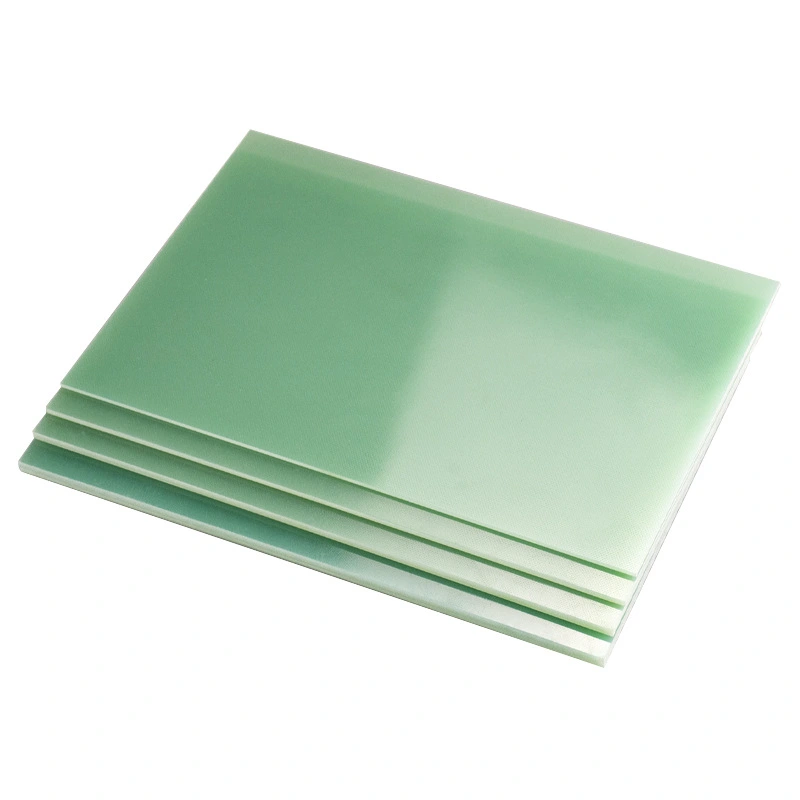
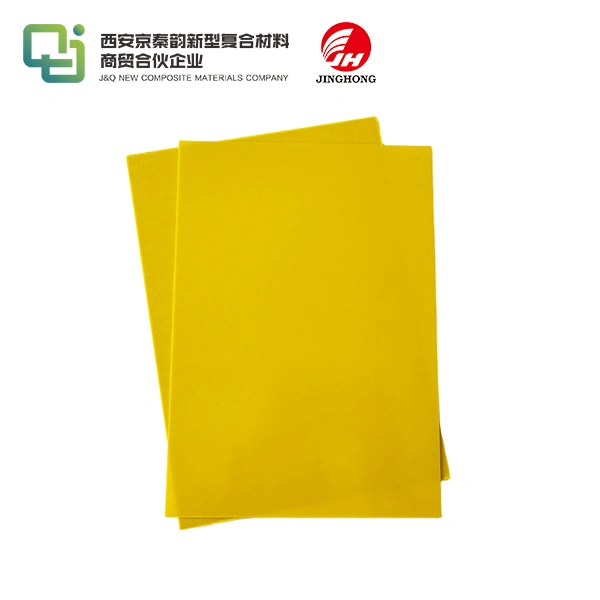
This connects our JingHong sheet to the checks above. It is made from 7628 E-glass fabric and epoxy resin. It's a beautiful light green colour. It can be anywhere from 0.3 mm to 100 mm thick, and you can order as little as 500 kg. Normal packing with security for the pallets is used for packing. You can use a T/T to pay and ship by air, sea, or land. Through our OEM service, you can also tell us about the colours, sizes, and other details. A lot of details about the goods can be found at jhd-material.com.
Conclusion
Sourcing a Nema Grade Fr4 Epoxy Sheet well starts with treating it as an engineered material instead of a commodity label. The grades FR4, G10, G11, and FR5 differ, and the lowest quote can raise total cost. Operating conditions, thickness, tolerance, and sheet size decide both performance and waste. Machining behavior and certificates need verification against the actual lot, and supplier capability matters as much as price. A written specification, sample testing, weighted quote comparison, and a shared checklist reduce technical, commercial, and delivery risk. The practical result is fewer rejected parts, steadier production, and documents that support audits across electronics, machinery, power, automotive, and appliance applications.
FAQ
Is a Nema Grade Fr4 Epoxy Sheet the same as G10?
With FR4, the base grade for glass-epoxy is less likely to catch fire. The base grade is G10. To be sure of the rating, look at the datasheet and the UL 94 paperwork.
Why do temperature ratings differ between suppliers?
There are different ways to try and put things together. The Tg of FR4 is usually around 130°C to 140°C. High-Tg types can get as hot as 180°C to 170°C. Find out where the number came from.
Can FR4 be cut and machined?
Yes. Need the right tools and a way to keep the dust away? You can drill, cut, mill, and CNC make it. Get ready for tools to break very quickly because of the glass strands in it.
What is the MOQ for JingHong sheets?
For the order to go through, we need at least 500 kg. How much you need depends on how big, thick, and what you plan to use it for.
What should I send for a quote?
Tell them what kind of wood it is, how much of it they need, where they are, when it will be delivered, and the Incoterms. Tell them what you need, like plans or certificates.
Request a Quote for Nema Grade Fr4 Epoxy Sheet from J&Q
Looking for a Nema Grade Fr4 Epoxy Sheet supplier that understands US technical and documentation needs? J&Q brings more than 20 years of insulating sheet experience, over 10 years of export work, its own logistics company, and one-stop service. Send your drawings, specifications, and quantities to info@jhd-material.com, or visit jhd-material.com for details. We will recommend a suitable material, arrange samples, and prepare a clear quotation.
References
1. NEMA LI 1, Industrial Laminated Thermosetting Products, 1998
2. UL 94, Tests for Flammability of Plastic Materials for Parts in Devices and Appliances, 2013
3. ASTM D149, Standard Test Method for Dielectric Breakdown Voltage and Dielectric Strength of Solid Electrical Insulating Materials at Commercial Power Frequencies, 2020
4. ASTM D790, Standard Test Methods for Flexural Properties of Unreinforced and Reinforced Plastics and Electrical Insulating Materials, 2017
5. IPC-4101E, Specification for Base Materials for Rigid and Multilayer Printed Boards, 2021
6. ISO 9001, Quality Management Systems: Requirements, 2015
_1753951194967.jpg)