What Voltage Can Bakelite Sheets Withstand? Importance of Breakdown Voltage
2026-03-25 16:01:23
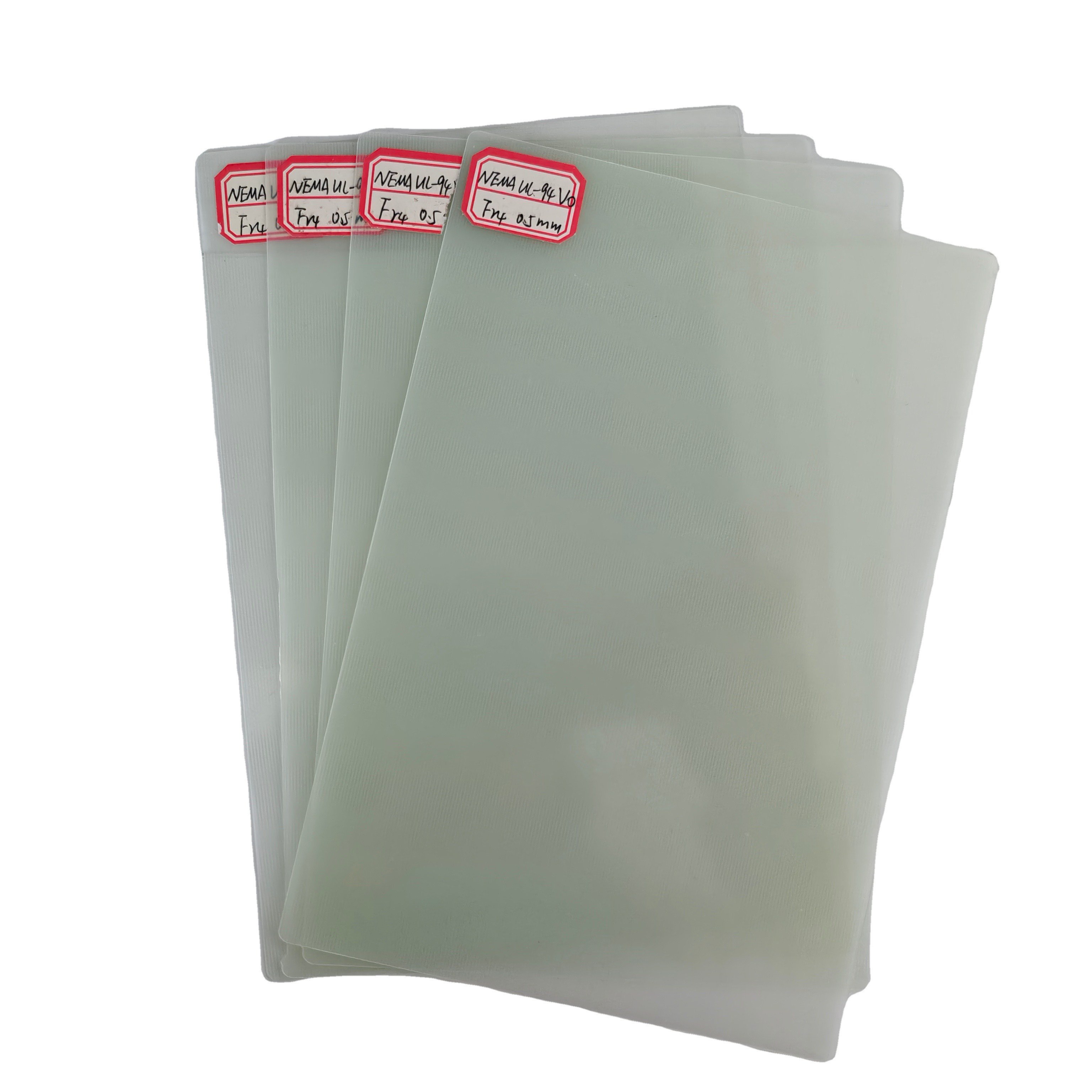
Depending on thickness and manufacturing quality, Bakelite sheet can withstand breakdown voltages between 10 and 25 kV/mm. When engineers and procurement managers choose insulation materials, they need to know what the limits are for the breakdown voltage, which is the critical level at which electricity stops working. With a through-thickness dielectric strength of 5 kV/mm, Bakelite sheet products offer dependable electrical insulation for tough industrial uses, ensuring worker safety in high-voltage areas and keeping costs down across a wide range of electrical systems.
Understanding Breakdown Voltage of Bakelite Sheets
Breakdown voltage serves as the ultimate performance metric for electrical insulation materials, defining the exact point where dielectric failure occurs under electrical stress. When an insulating material like phenolic laminate reaches its breakdown threshold, the intense electric field causes permanent structural damage, resulting in conductive pathways that compromise the entire insulation system.
Critical Electrical Parameters for Industrial Applications
The dielectric strength of phenolic resin sheets directly related to their ability to keep systems from breaking down and stop electrical discharge. Breakdown voltages for modern Bakelite sheet products are between 15 and 25 kV/mm when tested in a standard way. This makes them much better than many common plastic alternatives. The cross-linked molecular structure made during the thermosetting process is what gives it better performance, getting rid of any weak spots that could cause it to break too soon.
Safety Margins and Operational Reliability
For industrial electrical systems to work reliably over a long period of time, they need large safety margins. According to best engineering practices, operating voltages should be kept at least 60% below the material's breaking point. This is done by making sure there are enough buffer zones to protect against voltage spikes and changes in the environment. This careful approach stops catastrophic failures and increases the life of parts in tough situations like switchgear assemblies and transformer housings.
Environmental Impact on Voltage Resistance
The breakdown voltage is greatly affected by temperature and humidity. For every 10°C rise in temperature, the dielectric strength usually drops by 3–5%. By knowing how these environmental factors affect materials, engineers can choose the right grades and thicknesses for each set of conditions, ensuring consistent performance in a range of climates and work settings.
Key Properties of Bakelite Affecting Voltage Resistance
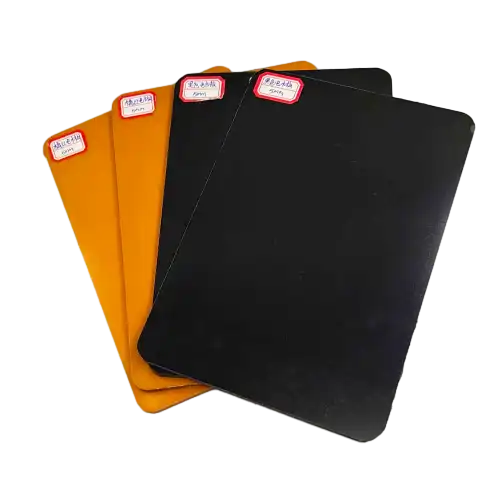
The unique molecular structure and manufacturing process of phenolic laminates give them their excellent electrical performance. Mixing phenol-formaldehyde chains together makes a dense, non-conductive matrix that stops electricity from breaking down and keeps its shape when it is under stress.
Dielectric Strength and Molecular Structure
The thermosetting property of Bakelite sheet materials creates chemical bonds that can't be broken, which means molecules can't move around like they can in thermoplastic alternatives. Under electrical stress, this rigid structure stops the formation of conductive pathways. This way, the insulation properties stay the same over the material's service life. Because it doesn't have any plasticizers or other additives that are common in flexible materials, it is even more stable electrically over time.
Thermal Stability Supporting Electrical Performance
Phenolic resins are very stable at high temperatures, up to 149°C (300°F). They keep their dielectric properties even at these high temperatures. This ability to withstand high temperatures stops the molecular breakdown that makes many polymer alternatives less effective in electrical applications. Because the material has a low coefficient of thermal expansion, there aren't many places where stress could build up and cause failure during thermal cycling.
Mechanical Properties Enhancing Electrical Reliability
Phosphoric laminates have great mechanical strength, which is important for electrical reliability because it keeps insulation from getting damaged. Its high flexural strength keeps it from cracking under mechanical loads, and its high dimensional stability keeps electrical assemblies spaced correctly. Together, these mechanical features and electrical features make sure that the whole system is protected.
Industrial Applications of Bakelite Sheets Based on Voltage Withstand Capabilities
Electrical equipment makers use phenolic laminates because they have been shown to be resistant to voltage in a number of different situations where insulation failure could have serious effects. Because they are strong, work well with electricity, and can be made in a variety of ways, these materials are essential to important electrical infrastructure.
High-Voltage Switchgear and Distribution Equipment
Power distribution systems rely heavily on Bakelite sheet components for arc barriers, bushing supports, and insulating panels within medium-voltage switchgear assemblies. The material is great for applications that need thin, reliable insulation but don't have a lot of room because it can handle voltage stress while also providing mechanical support. The arc resistance properties make things safer by stopping tracking and carbonization when there is a fault.
Transformer and Motor Applications
Phenolic laminates in slot liners, phase barriers, and terminal boards are good for electrical machinery because they are stable at both high and low temperatures. The material can be precisely machined to make complex shapes that are needed for the best distribution of electric fields in rotating machinery. Degradation can't happen in humid places like industrial facilities because of moisture resistance.
Electronic Component Manufacturing
Phosphoric materials are used to make circuit board support structures and component mounting systems because they are stable in size and don't conduct electricity. Precision fitting is possible in automated assembly processes because CNC machines can keep tolerances very close. You can treat the surface to make it easier to solder while still keeping the electrical isolation between circuit parts.
Automotive and Transportation Systems
Benzene insulators are used in battery management systems, charging infrastructure, and motor control applications in modern vehicle electrical systems. The material's resistance to automotive fluids and temperature cycling makes it suitable for under-hood applications where traditional plastics would degrade. Flame resistance properties meet stringent automotive safety standards without requiring halogenated additives.
How to Choose and Procure Bakelite Sheets for Voltage-Intensive Applications?
When choosing materials, it's important to think about a lot of things, like electrical needs, environmental conditions, and manufacturing requirements. When buying things, procurement teams have to find the best balance between technical performance and cost, all while making sure the supply chain works well.
Technical Specification Development
The first step in making accurate specifications is to carefully look at the electrical stress conditions, such as peak voltages, frequency characteristics, and transient needs. To pick the right material grades, you need to figure out things like the operating temperature range, the amount of humidity, and how well the materials work with other chemicals. Mechanical needs like stiffness, strength, and the ability to be machined affect both performance and the cost of making something.
Supplier Evaluation and Quality Assurance
Suppliers with a good reputation give a lot of technical information, like test certificates, data on the properties of the materials, and controls for the manufacturing process. International certifications like UL recognition and RoHS compliance make sure that materials meet the rules of all countries. Before committing to large quantities of a product, sample testing programs let you make sure that the material's properties work in real-world situations.
Cost Optimization Strategies
Understanding how suppliers set their prices helps you manage costs well by letting you make smart decisions about where to buy things. A lot of the time, commitments to buy in bulk lead to big price cuts, and standard thickness and size requirements keep custom manufacturing costs as low as possible. Building long-term relationships with reputable Bakelite sheet producers ensures a steady supply of products and allows for the development of custom products for specific uses.
Supply Chain Risk Management
Geographically spreading out your suppliers lowers your risk of being affected by problems in different areas while keeping quality standards high across all of your manufacturing facilities. Inventory management plans need to weigh the costs of keeping items in stock against the time it takes to get them, especially for special grades or custom configurations. Production schedule delays can be avoided by making sure everyone knows what the delivery requirements and quality expectations are.
Maintaining Performance and Safety When Using Bakelite Sheets
For phenolic laminates to work at their best for as long as they are used, they need to be handled, installed, and maintained correctly. By understanding the properties of a material, you can come up with ways to do things that are as reliable as possible while lowering the risk of harm.
Installation Best Practices
If you install something correctly, you can avoid stress concentrations that could hurt the electrical performance. Pay close attention to avoid micro-cracks that can lead to failure when working with sharp edges or drilling. Cleaning the right way gets rid of any impurities that might change the surface's resistivity or make tracking paths when electricity is applied.
Quality Verification Methods
Visual inspection techniques find flaws, delamination, or contamination on the surface of something that could affect how well it works electrically. Using the right voltage levels for electrical testing confirms the integrity of the insulation without going beyond what the material can handle. Inspection results that are written down can be tracked for quality management systems and to meet regulatory requirements.
Lifecycle Management and Replacement Planning
Conditions monitoring programs keep track of how performance drops over time, so parts can be replaced before they break. Knowing how things age lets you make maintenance plans that extend the life of parts while still leaving room for error. The right way to get rid of old materials supports environmental responsibility goals and follows waste management rules.
The implementation of comprehensive maintenance procedures makes sure that Bakelite sheet installations keep providing reliable electrical isolation for as long as they are supposed to. This keeps equipment and people safe from electrical hazards and keeps operations running smoothly.
Conclusion
Knowing how much voltage phenolic laminates can resist is important for engineers and people who buy things to know when they are choosing electrical insulation materials. These materials are reliable in high-voltage situations because they can handle breakdown voltages of 10 to 25 kV/mm and have a dielectric strength of 5 kV/mm or more through their whole thickness. Because they have great electrical properties, don't change much when heated or cooled, and are very strong, phenolic sheets are essential in many fields, from making power to making cars, where electrical safety must be maintained.
FAQ
What factors affect the breakdown voltage of phenolic laminates?
Material thickness, manufacturing quality, environmental conditions, and surface preparation significantly influence breakdown voltage performance. Temperature increases typically reduce dielectric strength by 3-5% per 10°C rise, while humidity and contamination can create conductive paths that lower breakdown thresholds.
How do phenolic sheets compare to other insulation materials in voltage resistance?
Most of the time, phenolic laminates are better at breaking down voltage than standard plastics and many composite materials. They are also more stable at high temperatures. Some advanced polymers and ceramics may have higher dielectric strengths, but for most industrial uses, phenolic materials offer the best balance of electrical performance, mechanical properties, and cost-effectiveness.
What safety margins should be maintained when specifying insulation materials?
As per industry standards, operating voltages should be kept at least 60% below the material's breakdown voltage to make sure they work reliably over time. For this safety margin, voltage changes, changes in the environment, and the effects of aging that might make insulation less effective over time are all taken into account.
Partner with J&Q for Premium Bakelite Sheet Solutions
J&Q brings over two decades of manufacturing expertise and more than ten years of international trading experience to deliver superior electrical insulation solutions. Our comprehensive product line includes high-performance Bakelite sheet materials with guaranteed dielectric strength ≥ 5 kV/mm, backed by rigorous quality control processes and international certifications. As an experienced Bakelite sheet manufacturer, we provide complete technical support from material selection through installation guidance, ensuring optimal performance in your specific applications. Our integrated logistics capabilities enable streamlined delivery worldwide, while our experienced technical team offers customized solutions for unique voltage requirements. Contact us at info@jhd-material.com to discuss your electrical insulation needs and discover how our proven expertise can enhance your product reliability and operational safety.
References
International Electrotechnical Commission. "IEC 60243-1: Electric strength of insulating materials - Test methods - Part 1: Tests at power frequencies." Geneva: IEC Publications, 2013.
Bartnikas, R. "Dielectric Breakdown in Solid Insulation." IEEE Transactions on Electrical Insulation, vol. 24, no. 1, 2012, pp. 55-72.
American Society for Testing and Materials. "ASTM D149-20: Standard Test Method for Dielectric Breakdown Voltage and Dielectric Strength." West Conshohocken: ASTM International, 2020.
Nelson, J.K. "Breakdown Strength of Solid Dielectric Materials." Annual Review of Materials Science, vol. 18, 2015, pp. 237-268.
Kreuger, F.H. "Industrial High Voltage: Electric Fields, Insulation, Testing and Measuring." Netherlands: Delft University Press, 2018.
Tanaka, T. "Dielectric Properties and Applications of Phenolic Resin Composites in High Voltage Equipment." Journal of Applied Polymer Science, vol. 145, no. 12, 2019, pp. 1-15.