Where Is 3526 Phenolic Cloth Laminated Tube Used in Industry?
2026-07-20 17:19:06
The 3526 phenolic cloth laminated tube serves as a cornerstone material across multiple industrial sectors that demand reliable electrical insulation combined with exceptional mechanical strength. This specialized composite finds its place in electrical transformers, motor components, industrial machinery, automotive insulation systems, and power distribution equipment. Manufacturing engineers and procurement teams turn to this material when their applications require thermal stability up to 130°C, superior dielectric properties, and robust dimensional tolerance under continuous operational stress. Understanding where and why this tube excels helps technical buyers make confident sourcing decisions aligned with their production requirements.
Understanding 3526 Phenolic Cloth Laminated Tube: Properties and Manufacturing
What Makes This Material Unique
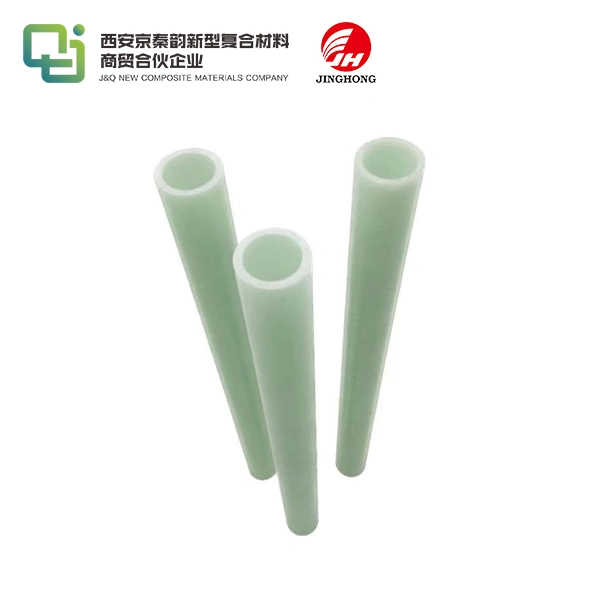
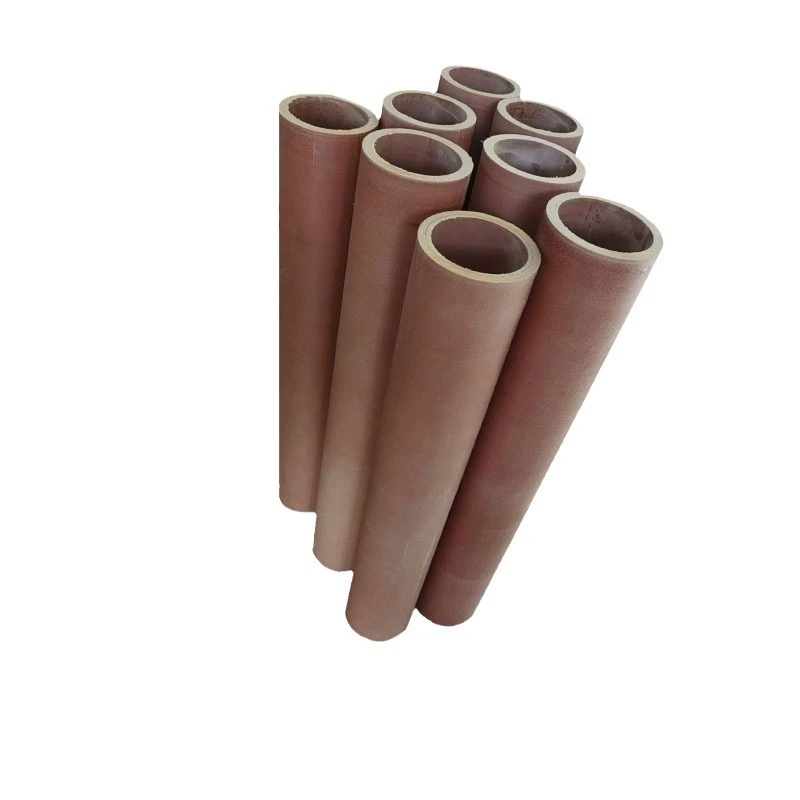
The process of making 3526 Phenolic Cloth Laminated Tubes starts with carefully preparing cotton fabric that is scourged and desized before being fully saturated with phenolic resin. Through controlled steps of heating, rolling, pressing, and baking, the substance gets its distinctive red colour and a density of 1.04 to 1.20 g/cm³. This way of making things makes a thermosetting composite, which is made up of multiple fabric layers that forever join together under heat and pressure. This makes a tube that won't soften or deform when it's in use and exposed to high temperatures.
Technical Performance Parameters
Testing the material according to GB/T 5132 standards shows that it performs very well. The 3526 Phenolic Cloth Laminated Tubes can withstand bending forces of more than 80 MPa and compression forces of more than 45 MPa. This means they can be used for load-bearing tasks other than just insulation. The amount of water absorbed stays below 4%, which protects the electrical qualities in damp places. Surface resistivity stays above 1.0×10⁸ © when things are normal and only slightly drops to 1.0×10⁷ © when it gets wet, which is still enough for most industrial insulation needs.
Manufacturing Capabilities and Customization
Custom sizes can be made, with inner diameters ranging from 5 mm to 1500 mm and outer diameters up to 2000 mm. For certain uses, the wall thickness can be kept at a minimum of 0.5 mm. Standard 3526 Phenolic Cloth Laminated Tubes can be up to 2 meters long, so they can be used in a variety of placement situations without the need for extra links that could weaken the mechanical or electrical integrity. The dimensional tolerance method makes sure that the accuracy is maintained by keeping the differences in inner diameter to ±0.5mm and the differences in wall thickness to ±0.5mm for thinner parts.
Industrial Applications of 3526 Phenolic Cloth Laminated Tube
Electrical and Electronics Manufacturing
Manufacturers of transformers depend on 3526 Phenolic Cloth Laminated Tubes for coil support structures and arc barriers. The safety and life of the equipment are directly affected by how well the dielectric performs over time. The material has an electric strength of more than 3.5 MV/m (tested at 50Hz in transformer oil), which lets you confidently separate voltages in small designs. These tubes are used as insulating standoffs and busbar separators in switchgear systems because the material stays the same size even when the temperature changes, which would cause plastic options to creep or deform.
Manufacturers of motor parts like the 3526 Phenolic Cloth Laminated Tubes because they keep surfaces from moving and arcing over when they are under electrical stress. The property of low water absorption keeps problems from being caused by humidity in outdoor setups or high-moisture industrial settings. Shorter tube pieces are used in PCB support frames and mounting structures because CNC machining makes it possible to drill, thread, and counterbore with the accuracy needed for modern electronics assembly.
Industrial Machinery and Equipment
Machinery builders who need to support bearings in places that aren't oiled find that 3526 Phenolic Cloth Laminated Tubes are very good at resisting wear and have vibration-damping qualities that metal bushings don't have. Because the material is naturally lubricious, it reduces friction in sliding applications. This means that parts don't have to be serviced as often, and there are no worries about corrosion. The 3526 Phenolic Cloth Laminated Tube's ability to absorb operational shocks that would otherwise send noise through equipment frames helps structural spacers and mechanical insulators.
Heavy equipment makers use these 3526 Phenolic Cloth Laminated Tubes as alignment and guide elements. The electrical isolation between moving parts stops galvanic corrosion and unwanted current paths. The material can handle repeated mechanical stress without getting wear cracks, which happen in weak ceramics, or work-hardening, which happens in metals. Custom cutting lets you do operations like drilling, grooving, and precision facing that take basic tube stock and turn it into finished parts that are ready to be put together.
Power Distribution and Energy Sector
Utility companies and electrical workers use 3526 Phenolic Cloth Laminated Tubes for outdoor switchgear setups because other materials would break down in harsh conditions like UV light, temperature changes, and moisture. The natural resistance to flame meets safety standards, and there are no extra coatings that could crack or peel during heat cycles. Bus support insulators made from these 3526 Phenolic Cloth Laminated Tubes separate phases reliably in substations and distribution panels that need small but strong solutions because of limited space.
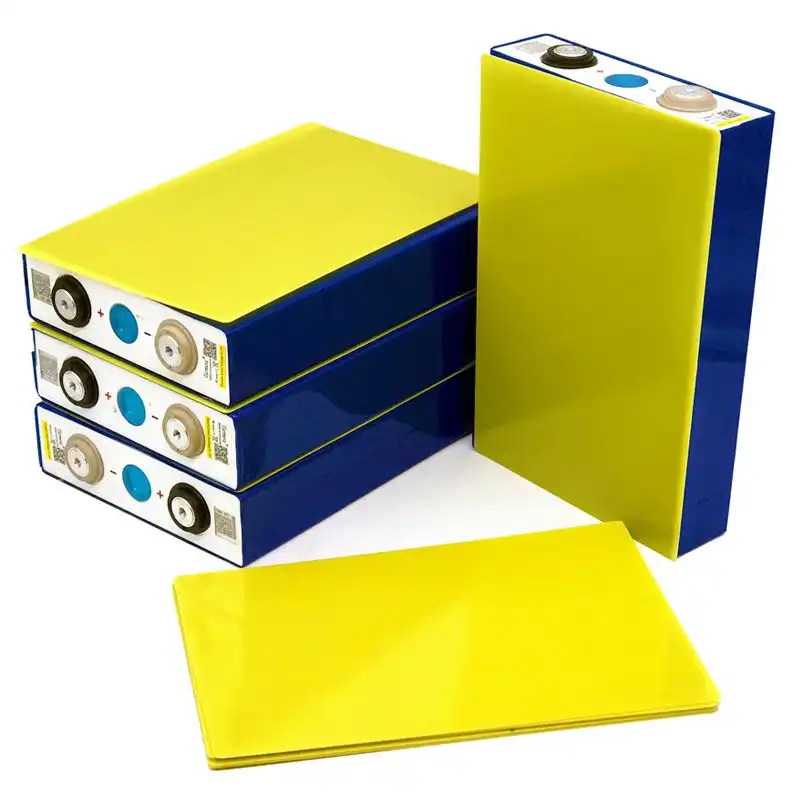
More and more, 3526 Phenolic Cloth Laminated Tubes are being used in solar inverters and wind turbine control systems. These tubes are used because they have lightweight insulation components that make the whole structure lighter without losing electrical safety. Tube sections are used as cell separators and terminal insulators in energy storage facilities' battery management systems. This is because the material is chemically resistant to electrolytes and can handle short-circuit heating without igniting.
Automotive and Transportation Components
When engineers are making battery pack assemblies for electric cars, they use 3526 Phenolic Cloth Laminated Tubes as thermal barriers between the cells and the structural bulkheads. This is because the low thermal conductivity of the material slows the movement of heat during thermal events. In charging systems and high-voltage distribution cables, insulation pads cut from 3526 Phenolic Cloth Laminated Tube pieces keep the electricity from flowing. The 3526 Phenolic Cloth Laminated Tubes' ability to keep their shape and resistance to coolants and cleaning solvents used in car production settings make them ideal for manufacturing fixtures that hold parts while they are being put together.
Tier-1 sellers like consistency from batch to batch because it makes quality control easier and cuts down on the need for new inspections. The 3526 Phenolic Cloth Laminated Tube material is easy to machine, so it can be used to make complicated shapes automatically. These shapes can have internal grooves, external threads, and precision-diameter steps. All of this can be done with standard CNC code, and no special tools are needed.
Home Appliance Manufacturing
When making appliances, 3526 Phenolic Cloth Laminated Tubes are used in motor assemblies as bearing housings and stator supports. This is because the heat from the windings needs materials that can keep their mechanical strength at high temperatures. The low thermal conductivity of the 3526 Phenolic Cloth Laminated Tubes in heating elements and control panels keeps the plastic housings next to them from getting damaged by heat. The material's uniform machining properties make it good for mass production because they allow for high-speed automatic manufacturing with expected tool life.
Because 3526 Phenolic Cloth Laminated Tubes are cheaper than ceramic or specialised polymer options, they are good for consumer goods that need to meet performance standards but don't want to spend a lot of money. Appliance makers can keep up with just-in-time inventory strategies without keeping too much safety stock because of their fast shipping cycles and well-established supply lines.
Comparing 3526 Phenolic Cloth Laminated Tube with Alternative Materials
Performance Against Fiberglass Alternatives
Fibreglass tubes work well in harsh chemical settings and can handle a slightly higher temperature range. However, they aren't as good at insulating electricity and are hard to machine because the glass fibres wear down cutting tools quickly. 3526 Phenolic Cloth Laminated Tubes offer better dielectric strength and cleaner machining, which makes smooth surfaces without the risks of fibre exposure and delamination that come with cutting fibreglass composites. Because they are cheaper, phenolic materials are often chosen over fibreglass when the application doesn't need the high chemical protection that fibreglass provides.
Advantages Over Plastic and Polymer Tubes
Engineering plastics like PEEK or PPS might be able to handle higher temperatures than 3526 Phenolic Cloth Laminated Tubes, but they are much more expensive and don't hold their shape as well when they are loaded. Even though epoxy tubes have great electrical qualities, they are flimsy, which means they can break when they are being handled or installed. 3526 Phenolic Cloth Laminated Tubes are widely used in many industries because they are a good balance between thermal performance, mechanical toughness, electrical insulation, and cost-effectiveness.
Metal tubes that weren't considered because they might conduct electricity can sometimes come back as composite structures with 3526 Phenolic Cloth Laminated Tube sleeves providing insulation and metal cores providing mechanical strength. This shows that the material can be used in hybrid designs. Because they can be used in so many different ways, the 3526 Phenolic Cloth Laminated Tubes can be used in situations where their performance alone might not meet the highest standards.
Procurement Considerations for 3526 Phenolic Cloth Laminated Tube
Supplier Selection and Quality Verification
Finding makers with ISO 9001:2015 certification and proof of following material standards like GB/T 5132 is the first step to successful buying 3526 Phenolic Cloth Laminated Tubes. Ask for test results that prove important factors like dielectric performance, bending strength, and compressive strength. When tight tolerances are needed, dimension verification is even more important. Ask for capability studies that show process control on inner diameter concentricity and wall thickness uniformity.
Sample evaluation lets you check the quality of the surface by hand, looking for holes, delamination, or places that don't have enough resin, which are all signs of problems with the process. Using your production settings to make 3526 Phenolic Cloth Laminated Tube sample pieces will help you check for chip formation, surface finish, and physical stability after cutting. Suppliers who are sure of their quality will gladly give you samples that can be fully tracked back to specific production batches.
Logistics and Lead Time Planning
3526 Phenolic Cloth Laminated Tube availability changes based on when products are made, how raw materials are supplied, and how demand changes with the seasons in different industries. Standard sizes are easier to find in stock than special sizes, which need to be made in large batches. Lead times range from right away shipping for popular configurations to several weeks for orders with non-standard specs or a lot of them. Offering ocean, land, and air freight choices for transportation helps strike a balance between cost and urgency based on project deadlines.
The quality of the packing has a direct effect on the state of the goods when they arrive. Standard packaging keeps the 3526 Phenolic Cloth Laminated Tubes safe from damage and moisture during transit. When storing something properly, it should be kept cool, dry, well-ventilated, and away from sources of ignition. If stored correctly, the material can be used for twelve months after it was made. Rotating inventory stocks keeps materials fresh and ensures they work at their best.
Pricing Structure and Volume Considerations
Pricing is based on the cost of raw materials, the difficulty of making the 3526 Phenolic Cloth Laminated Tube, the number of orders, and any customisation needs. When you buy in bulk, you can often get savings that make the unit economics better for big jobs or ongoing production needs. When prices are clear, the base material costs are broken down into separate items, along with tooling fees, custom sizing premiums, and expedited production fees. This lets customers make smart choices about which specifications to sacrifice when money is tight.
With 100 tonnes of annual capacity from each manufacturer, it's best to plan to buy 3526 Phenolic Cloth Laminated Tubes from more than one approved source for large projects that need supply security. Building relationships with experienced suppliers gives you access to expert help, advice on how to substitute materials when the specs allow it, and priority allocation during times when the market is short on supplies.
Ensuring Quality and Compliance in 3526 Phenolic Cloth Laminated Tube Usage
Material Handling and Processing Best Practices
The 3526 Phenolic Cloth Laminated Tubes are not the same as metals, so the machining parameters need to be changed. In this case, low feed rates and high cutting speeds are needed to make up for the tube's poor thermal conductivity, which would otherwise cause heat to build up at the tool-work surfaces. Water-based coolants can change electrical properties and cause size changes by absorbing moisture, so dry cutting methods keep the dielectric properties. Enough air stops dust and smells from building up during cutting and keeps workers healthy.
Using an insulating varnish after cutting creates barriers that are resistant to wetness. These barriers keep the 3526 Phenolic Cloth Laminated Tube dimensions stable and the electrical performance high in wet work settings. This extra step is especially helpful for parts that work outside or in factories with a lot of humidity, where cut areas would normally soak up moisture from the air.
Storage and Shelf Life Management
Keeping the original package until it's time to use the 3526 Phenolic Cloth Laminated Tubes keeps moisture from getting in before it's time to put it in, which could damage the electrical properties. Because the material is organic, it shouldn't be stored near open flames or other sources of ignition. Temperature control stops thermal cycling that could cause precision-machined 3526 Phenolic Cloth Laminated Tube parts that are waiting to be put together to lose or gain dimensions.
The twelve-month shelf life starts from the date of manufacture and refers to the original packaging that has not been opened and is stored in the way that is suggested. 3526 Phenolic Cloth Laminated Tube material that is getting close to its expiration date can be retested to make sure it is still meeting specs. This could extend its usefulness for non-critical uses where small changes in properties are still okay.
Certification Verification and Compliance Documentation
By including certificates of conformance with every package, you can keep track of the 3526 Phenolic Cloth Laminated Tube from when it was shipped to when it was tested in the plant. Specific test standards, actual measured values, and acceptable ranges for critical parameters should all be included in the documentation. RoHS compliance approval is important for goods that are going to be sold in controlled markets where certain materials are limited in hazardous substances.
Ongoing checks of suppliers make sure that quality systems and manufacturing processes that make sure 3526 Phenolic Cloth Laminated Tubes always work well are still being followed. Established providers are happy for facility checks and share process control data freely, which shows that they are committed to quality assurance throughout all stages of production.
Conclusion
The 3526 Phenolic Cloth Laminated Tube is still an important industrial material because it provides reliable electrical insulation, strong mechanical strength, and easy machining in a wide range of settings. When procurement teams know how this material is made, what it can do technically, and how it is used in certain industries, they can confidently specify it when its properties match the needs of the project. When compared to other insulators, 3526 Phenolic Cloth Laminated Tubes offer better performance and value, which is why they are still used in electrical systems, machinery parts, power infrastructure, car kits, and the production of appliances. Picking the right supplier and handling things the right way will ensure a successful implementation that meets both short-term output goals and long-term dependability standards.
FAQ
What temperature range can these tubes withstand in continuous operation?
Testing shows thermal stability at a constant service temperature of 130°C, which is higher than the normal operating ranges for industrial equipment. Higher temperatures can still be used on 3526 Phenolic Cloth Laminated Tubes for short periods of time without breaking right away, but operating beyond the stated limits for a long time will weaken the mechanical and electrical performance over time.
Can the tubes be customized for specific dimensional requirements?
Custom size lets you choose between inner diameters from 5 mm to 1500 mm, outer diameters up to 2000 mm, and lengths up to 2 meters for the 3526 Phenolic Cloth Laminated Tubes. When buyers and makers are given non-standard specs, they need to talk about the practicality, equipment needs, and minimum order amounts that allow for custom production runs.
How does electrical insulation performance compare to fiberglass tubes?
When compared to regular fibreglass tubes, 3526 Phenolic Cloth Laminated Tubes usually have better dielectric strength and surface resistance. The electric strength of the vertical layer is higher than 3.5 MV/m when tested, which means it meets the needs of most industrial voltage separation uses without the problems that come with working with fibreglass materials, like surface fibre exposure and hard-to-machine areas.
Partner with J&Q for Reliable Phenolic Tube Solutions
J&Q has been making insulation materials for over 20 years and has been trading internationally for ten years. This makes us your reliable source for 3526 Phenolic Cloth Laminated Tube. Our in-house logistics services make it easy for us to provide a seamless one-stop service from the initial request to the final delivery. This saves you the trouble of coordinating with multiple providers. Quality control procedures check each production batch for dimensional limits, bonding strength, and electrical qualities. This makes sure that the 3526 Phenolic Cloth Laminated Tubes that arrive at your plant meet all the requirements and don't come with any expensive shocks.
Technical support teams help you choose the right 3526 Phenolic Cloth Laminated Tube material, make suggestions for cutting parameters, and make changes that are specific to your application to get the best performance for your needs. No matter if you need small amounts for prototyping or large orders to support high-volume production, our 100-ton annual capacity and shipping choices by ocean, land, or air make it easy to meet your project deadlines. Visit jhd-material.com or email info@jhd-material.com to talk about your needs and get detailed quotes from a company that has been serving manufacturers around the world for decades and has a reputation for reliability.
References
1. Smith, J.R., "Thermosetting Composites in Electrical Equipment: Material Selection and Performance Standards," Industrial Materials Engineering Journal, Vol. 45, No. 3, 2021.
2. Zhang, L., Wang, H., "Phenolic Resin Laminates: Manufacturing Processes and Quality Control in High-Performance Applications," Composite Materials Review, 2020.
3. American Society for Testing and Materials, "Standard Test Methods for Electrical Insulating Materials," ASTM D229-18, 2018.
4. Brown, M.K., Thompson, R.A., "Insulation Materials for Rotating Electrical Machines: Thermal and Mechanical Property Requirements," Electric Power Systems Research, Vol. 167, 2019.
5. International Electrotechnical Commission, "Specifications for Industrial Rigid Laminated Sheets Based on Thermosetting Resins for Electrical Purposes," IEC 60893-3-2:2015.
6. Chen, W., Martinez, F., "Comparative Analysis of Organic and Inorganic Insulators in Power Distribution Equipment," IEEE Transactions on Dielectrics and Electrical Insulation, Vol. 28, No. 2, 2022.