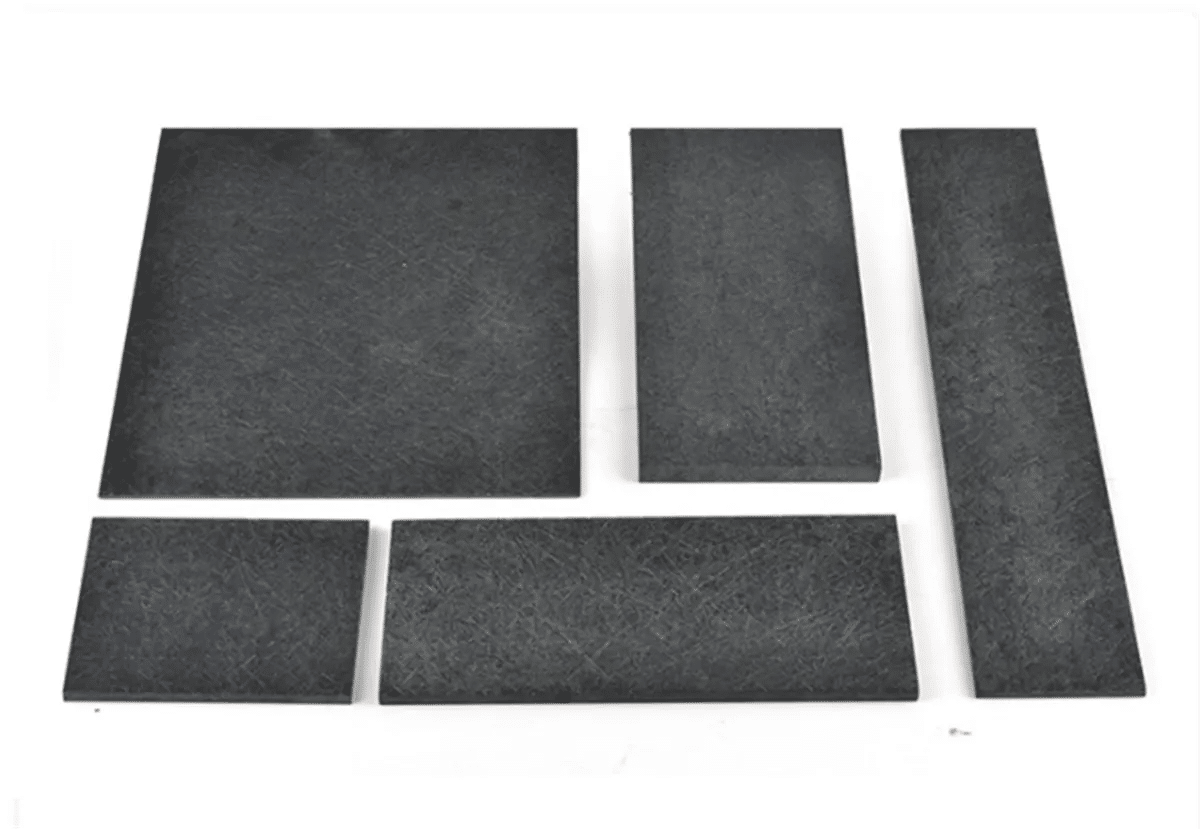
G10 Sheet for PCB Applications: Stability Beyond FR4 Materials
2026-07-20 17:19:04
When engineering managers and procurement specialists evaluate substrates for printed circuit boards, they encounter a persistent challenge: balancing electrical performance with mechanical durability. The G10 sheet emerges as a compelling solution, delivering exceptional dimensional stability and dielectric integrity that often surpasses conventional FR4 materials. This high-pressure thermosetting laminate, composed of continuous filament glass cloth impregnated with epoxy resin, addresses critical pain points in moisture-prone environments and high-voltage applications where material failure carries catastrophic consequences.
Introduction
PCB boards are an important part of modern electronics, but choosing the right material is often not given much thought until there are problems in the field. Paper-based phenolics have changed over the years into glass-reinforced composites. This is because of the lessons learned from years of equipment breakdowns and warranty claims. Stability of materials isn't just a technical word; it has a direct effect on output, dependability, and the total cost of ownership.
Traditional FR4 is the most popular choice because it is easy to find and doesn't catch fire. But buying professionals are starting to wonder if the need for flame resistance is really worth sacrificing mechanical strength and moisture resistance. This new way of thinking has brought back interest in NEMA-grade G10 sheet epoxy laminates, which were around before FR4 but have clear benefits for uses where worries about structural stability and environmental resilience are more important than concerns about fire safety. For companies that make switchgear, power distribution equipment, and car electronics, knowing the difference between G10 sheet and FR4's performance range can mean the difference between regular upkeep and a catastrophic failure.
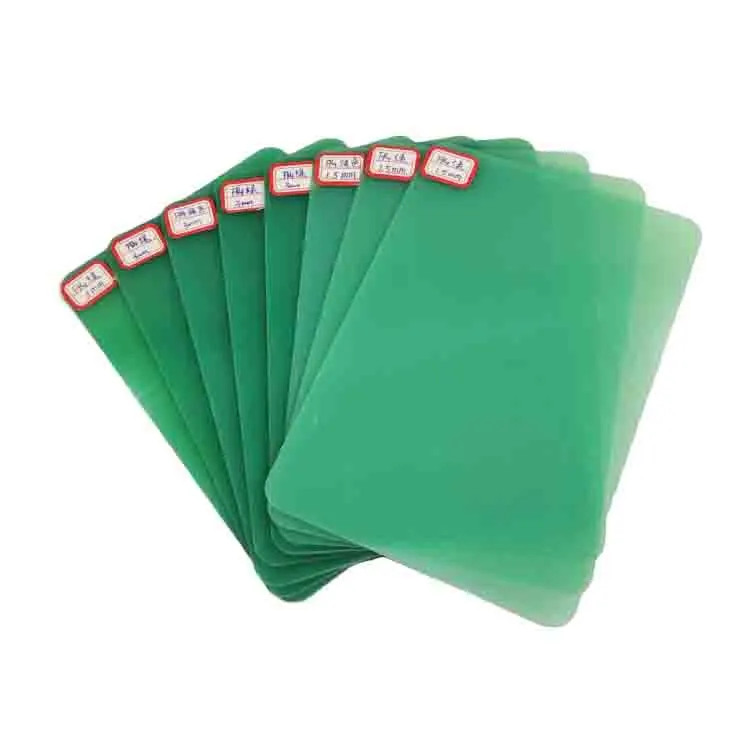
Understanding the G10 Sheet and Its Key Properties
Manufacturing Process and Composition
To make epoxy glass laminates, you have to carefully coordinate the materials and process factors. Manufacturers stack several layers of woven glass cloth, and each layer is filled with a different type of liquid epoxy resin that has been mixed to have a certain viscosity and cure profile. The thermosetting reaction is sped up by putting these parts into hydraulic presses with pressures above 1,000 psi and temperatures around 150°C. The cross-linked epoxy matrix stays hard, locking the glass fibres into a single structure. This is different from thermoplastics, which soften when heated again.
At the molecular level, the G10 sheet is different from FR4 because it doesn't have any brominated flame retardants. This difference in composition leads to slightly higher tensile strengths (often 10-15% higher) and slightly better flexural strengths. The material meets NEMA standards, and types like G10 sheet/FR4 blends are available for uses that need to be both mechanically strong and UL94 V-0 certified.
Physical and Electrical Characteristics
Epoxy glass laminates work well as electrical insulators even when they are wet because they have a volume resistivity greater than 10^14 ohm-cm. As per ASTM D570, water absorption rates usually stay below 0.1% after 24-hour immersion testing. This keeps the dimensions from growing, which is a problem with phenolics made from paper. Because it doesn't like water, it keeps the dielectric strength perpendicular to the laminations at around 20–25 kV/mm, which is an important requirement for high-voltage busbar supports and phase barriers.
The tensile strength of the material is between 310 and 380 MPa, which is good for mechanical engineers because it means that thin cross-sections can hold heavy loads without deflection. The continuous service temperature of 130°C works for most industrial settings, but there are high-temperature versions that can handle higher temperatures. The thermal expansion values of these materials are about 14 to 16 ppm/°C, which is close enough to that of common metals to keep bonded structures from stress cracking when the temperature changes.
Standard Dimensions and Global Compatibility
The sizes of sheets are usually the same as those used around the world. Thicknesses range from 0.5mm to 50mm, and panels can be up to 1220mm × 2440mm. These measures are pretty close to design standards, which makes it easy for fabrication teams that are used to working with plywood or aluminium plate stock to handle materials and program CNC machines. You can buy laminates in different thicknesses, but the wait times are longer than for stock sizes.
Advantages of Using G10 Sheet Over FR4 in PCB Applications
Moisture getting into electronic parts is one of the sneakiest ways for them to break. Unlike FR4, which can change its insulating properties when installed near water or in humid areas, epoxy glass laminates keep their stable electrical properties even when the environment is very wet. For this reason, this G10 sheet material is often specifically called for in submarine cable junction boxes and offshore platform control systems.
Chemical protection makes the material useful for more than just electrical purposes. The laminate stays together even when it's exposed to transformer oils, hydraulic fluids, and mild acids. Paper-based alternatives, on the other hand, tear or lose their mechanical strength. This makes it so that industrial equipment doesn't need to be maintained as often, and power transfer parts last longer.
When buying, teams look at the total cost of ownership. They find a few things that make the G10 sheet competitive in the market, even though unit prices are sometimes higher:
- Reduced Failure Rates: Lowering the amount of water that gets into the system means that electrical tracking and arcing cause fewer problems in the field. This means that there are fewer warranty claims and emergency service calls, which cut into profits.
- Machining Efficiency: The material's physical stability lets CNC routing and drilling work with tighter tolerances. This lowers the amount of scrap during manufacturing and raises the first-pass yield in production settings.
- Bulk Availability: For precision applications, thickness tolerances are usually kept to ±0.005 inches, and established supply chains and multiple qualified manufacturers make sure that prices are competitive for large orders.
- Process Compatibility: The laminate can be used with common PCB fabrication methods, such as photo-etching, solder masking, and through-hole plating. Manufacturers who are switching from FR4 don't need to buy any special equipment.
These benefits are even greater in high-reliability situations, where even small gains in material stability are enough to support higher prices. More and more, automotive battery management systems and aircraft electronics need epoxy glass substrates for important circuit boards that can't be serviced in the field.
Typical Applications of G10 Sheets in PCB and Beyond
Industrial Control and Power Electronics
G10 sheets are now used by manufacturers of electrical switchgear for arc barriers, busbar insulators, and structural supports in medium-voltage equipment. The material doesn't allow arc tracking, which is when carbon paths form across insulator surfaces during an electrical discharge. This stops catastrophic phase-to-phase faults that damage equipment and put people in danger. When the G10 sheet is used instead of phenolic parts in pad-mounted transformers, utilities that work in humid coastal areas report measurable longer service intervals.
Transportation and Automotive Systems
The thermal stability of the laminate is good for variable frequency drives and industrial motor controllers. The heat that is generated during high-current switching goes away without warping the dimensions of the circuit traces or leaving air holes at the thermal surfaces. OEMs that work with industrial robotics often list minimum mechanical strength standards that rule out FR4. This means that epoxy glass is always the best option.
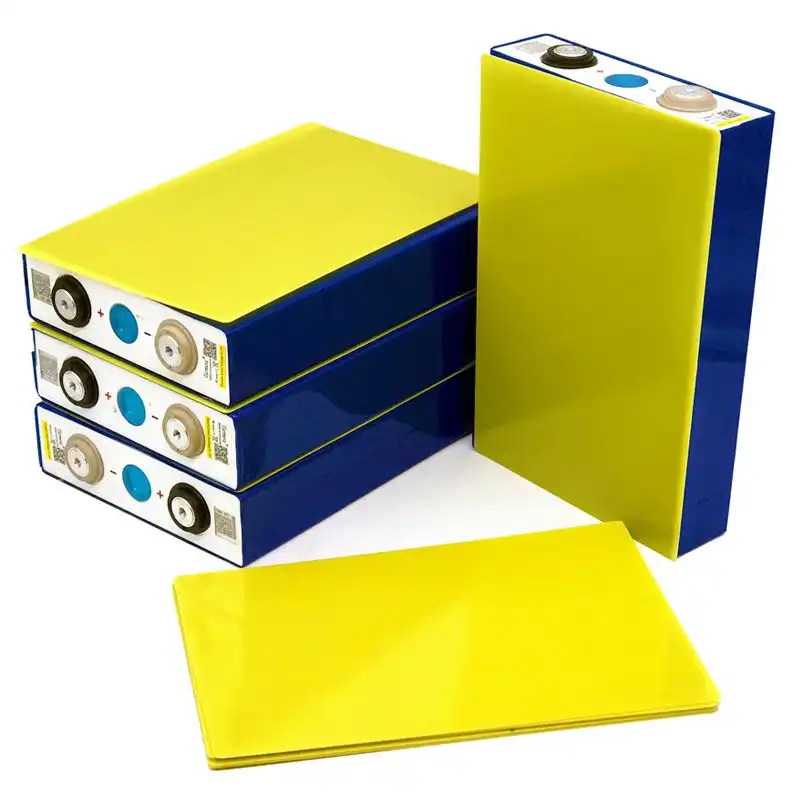
Electric car battery packs have special problems: parts have to be able to handle shaking, keep high-voltage cells electrically separate, and keep electrolyte from leaking out and breaking them down. Automotive providers at the Tier-1 level choose G10 sheet for insulation walls and structural supports inside battery enclosures because it is strong against both electricity and impact. Crash testing proves that the plastic stays intact during collisions, which stops short circuits that could cause the temperature to rise too high.
The material is used in traction power tools and signalling structures for rail transportation systems. The mechanical strength can handle steady shaking and keep the electricity separate in high-voltage distribution panels. Transit authorities like how little maintenance is needed compared to older materials that had to be replaced more often because they broke down when they got wet.
Marine and Underwater Applications
Remotely controlled cars used for underwater inspection have G10 sheet frames that don't rust in saltwater and have places for electronics and sensors to be mounted. The material doesn't absorb much water, so it keeps the vehicle's trim from changing during deep dives when the balance changes. Naval shipbuilders specify the laminate for electrical panel substrates in areas below the waterline where the humidity is constantly close to 100%.
There are trade-offs when you look at the different substrate options. For example, FR4 is better at resisting flames, which is important for consumer electronics, while G10 sheet is better at providing mechanical strength, which is important for structural applications. For low-voltage uses, materials like paper-based phenolics are cheaper, but they are less resistant to the climate. By knowing these differences, procurement workers can match the qualities of materials to the needs of the application instead of just using standard specs.
Procurement and Sourcing Considerations for G10 Sheets
In order to find suitable providers for G10 sheets, you need to look at more than just the unit price. Certifications show that the manufacturing process is consistent. For example, ISO 9001 proves that there are quality management systems in place, and UL recognition for electrical properties backs up claims about the product. Many suppliers to the defence and aerospace industries are registered with ITAR and have AS9100 certification, which means they can meet strict requirements for documentation and traceability.
A brand's reputation is built over time and through customer references. Manufacturers who have been in business for 20 years or more know a lot about how to improve processes and reduce failure modes that younger companies don't. Setting up transportation networks cuts down on wait times and ensures that supplies don't stop when materials are in short supply, which can happen in composite markets from time to time.
How things are ordered depends on the size of the job. Though the costs per unit are still high, prototype numbers let you test the design before committing to production levels. You can get volume discounts when you buy in bulk, usually 20–30% off for orders over 500 kg, but you need space to store the goods and money to pay for them. Just-in-time delivery plans weigh the costs of stocking items against the risks in the supply chain. This estimate changed a lot during the recent global transportation problems.
You can customise more than just the width and size of the panels. For some uses, the surface needs to be treated in a certain way, like sanded to a certain level of roughness for glue bonding or pre-drilled with hole shapes based on CAD files provided by the customer. Value-added suppliers usually charge more than others because they make production more efficient. To find the net benefit, procurement professionals have to weigh the savings in labour against the higher costs of materials.
Prices are affected by more than just the cost of raw materials. The price of epoxy resin changes with the price of oil, and the availability of glass fibre depends on how much capacity is being used in the fibreglass insulation industry. By keeping an eye on these trends, procurement teams can time their purchases so that prices don't go up too much. Sustainability is becoming a bigger factor in choosing suppliers. Some buyers prefer makers that use salvaged glass or bio-based epoxy resins, even if they cost a little more.
Best Practices and Technical Support for Working with G10 Sheets
Storage and Handling Protocols
Proper storage and handling of G10 sheets keep their shape and quality on the surface. Before they are machined, sheets should stay in climate-controlled rooms that are between 15°C and 25°C and have a relative humidity below 60% to keep them from absorbing water. If you store panels flat instead of on their edges, they won't bend, especially if they are less than 3mm thick. Using interleaf paper to protect surfaces lowers the number of scratches that cause stress to build up during later cutting operations.
More than most people think, handling processes are important. Because glass fibres are rough, they quickly dull blades and drill bits. This is why carbide or polycrystalline diamond cutting is necessary in industrial settings. Putting glass dust on work surfaces can be bad for your health, so you need dust disposal systems and safety gear like respirators that are rated for fibreglass particles.
Machining and Fabrication Guidelines
To stop delamination and edge fraying, CNC routing parameters need to be optimised. When you mix high spindle speeds (between 18,000 and 24,000 RPM) with modest feed rates, you get clean edges with little fibre pullout. Edge chipping is less likely to happen when you use climb milling instead of regular milling, especially when making complex shapes. Inspection of tools on a regular basis finds wear before it affects the quality of holes or the accuracy of measurements.
To keep burrs from forming on the exit sides of through-hole drills, certain methods must be used. Peck drilling processes that return often to clear chips keep epoxy from getting too hot, which can soften it and make it smear. Backing boards hold up the laminate during breakout, which stops parts from exploding during delamination. The shape of the drill bit is important. Standard twist drills don't make holes as well or last as long as stub-length bits with 118-degree points.
Troubleshooting Common Issues
When machining, delamination usually means that the resin wasn't saturated enough during production or that the tool was moving too slowly. Cross-sectional imaging shows gaps between layers of glass cloth, which means the material must be thrown away before it can be processed further. Recurrence can be avoided by switching sources or asking for material certificates that show the results of water absorption tests.
Warping after cutting is a sign of leftover stresses from taking away too much material unevenly. Less warping is caused by symmetrical part shape and letting panels rest for 24 hours after rough machining. In serious situations, annealing cycles at 100°C can help relieve internal stresses, but this adds steps to the process and time to the cycle.
Conclusion
When choosing materials for PCB boards and electrical insulation, you have to balance a lot of different needs, such as dielectric strength, mechanical stability, resistance to the environment, and cost-effectiveness. G10 sheet epoxy glass laminates have been used for a long time and are a proven answer for situations where FR4 doesn't work well due to moisture or mechanical stress. The material has a history of reliability in marine, automotive, and industrial power applications, which means less maintenance costs and a longer service life. If a procurement worker knows about manufacturing processes, application needs, and sourcing strategies, they can safely define these materials, matching technical needs to supplier capabilities while minimising the total cost of ownership.
FAQ
What thickness range works best for PCB support structures?
Most PCB support uses thicknesses between 1.5 mm and 6 mm, which balances mechanical strength with cost and weight concerns. Thinner parts work best in places where room is limited, while thicker plates keep vibrations down in harsh conditions. Talking to application engineers can help you match the thickness of the G10 sheet to the load needs.
Can these laminates be recycled at the end of life?
When compared to thermoplastics, thermosetting epoxy resins are harder to recycle. At the moment, trash is usually thrown away in landfills or burned, with energy recovered. Some studies look into turning scrap into filler for composite materials by grinding it up, but there isn't yet a lot of infrastructure in place for recycling on a large scale. If there are seller take-back programs, procurement teams should ask about them.
Do standard industrial printers accommodate these materials?
After the surface is prepared, large-format UV printers and screen printing tools can easily print on epoxy glass laminates. Ink sticks better after light sanding or corona treatment. Instead of photolithography, prototype shops often use CNC engraving to make circuit patterns. This lets them make changes quickly without having to pay for photomasks. Talking to providers about specific printer compatibility saves a lot of money on trial-and-error during production setup.
Partner with J&Q for Reliable G10 Sheet Solutions
At J&Q, we've been making insulation materials for 20 years, which makes us the best company to buy G10 sheet from for tough electrical and industrial uses. We know that procurement workers need more than just low prices. They also need quality that doesn't change, quick technical help, and reliable logistics that keep production lines running.
Our logistics services are part of our fully integrated processes, so you only have to go to one place to place an order and get it delivered. Our engineering team works together to make sure that the right materials are chosen for your purpose, whether you need stock thicknesses that can be shipped right away or unique specs that are machined from your plans. We keep up with UL and ISO certifications that pass even the strictest quality checks. These are backed up by detailed test records that show the electrical and mechanical features of our products.
Email our expert sales team at info@jhd-material.com to talk about the needs of your project. We'll help you make the switch to high-performance epoxy laminates by giving you advice on materials, cheap quotes for large orders, and samples for testing to make sure the switch goes smoothly.
References
1. National Electrical Manufacturers Association (NEMA). "Industrial Laminating Thermosetting Products: NEMA LI 1-1998 Standards Publication." National Electrical Manufacturers Association, 1998.
2. Bhattacharya, S. K. "Metal-Filled Polymers: Properties and Applications." Marcel Dekker, Inc., New York, 1986.
3. Harper, Charles A. "Electronic Materials and Processes Handbook, Third Edition." McGraw-Hill Professional, 2004.
4. Lubin, George. "Handbook of Composites." Van Nostrand Reinhold Company, New York, 1982.
5. Coombs, Clyde F. "Printed Circuits Handbook, Sixth Edition." McGraw-Hill Professional, 2008.
6. Lee, Henry, and Kris Neville. "Handbook of Epoxy Resins." McGraw-Hill Book Company, New York, 1967.