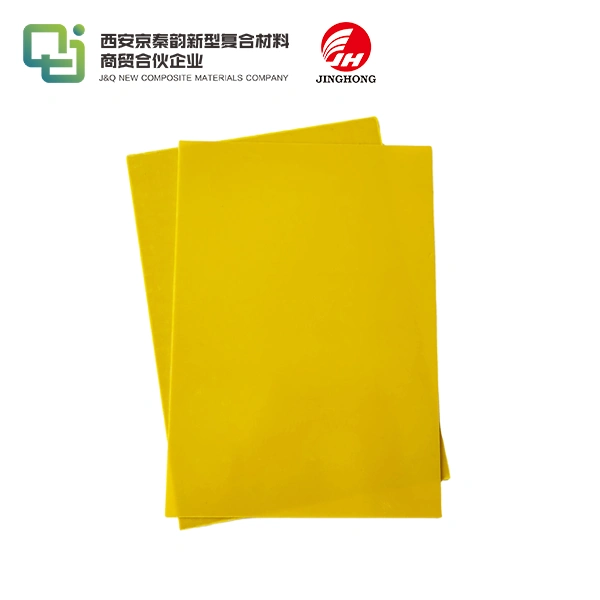
Why Does 3240 Epoxy Sheet Crack During Drilling Processes?
2026-07-20 17:19:02
Cracking during the drilling of the 3240 epoxy sheet predominantly occurs due to internal stress accumulation within the laminated structure, combined with improper machining parameters. The material's thermosetting resin matrix becomes rigid after curing, creating a brittle network sensitive to mechanical impact and rapid temperature changes. When drilling forces exceed the material's localized tensile strength—particularly at entry and exit points—micro-fractures propagate through the glass fiber reinforcement layers. This challenge affects production efficiency across electrical insulation applications, making it critical for procurement teams and manufacturing engineers to understand the underlying mechanisms and implement proven mitigation strategies.
Understanding the 3240 Epoxy Sheet and Its Properties
If you want to solve drilling problems, you need to know everything about what makes this insulation material special for use in industry.
Composition and Manufacturing Process
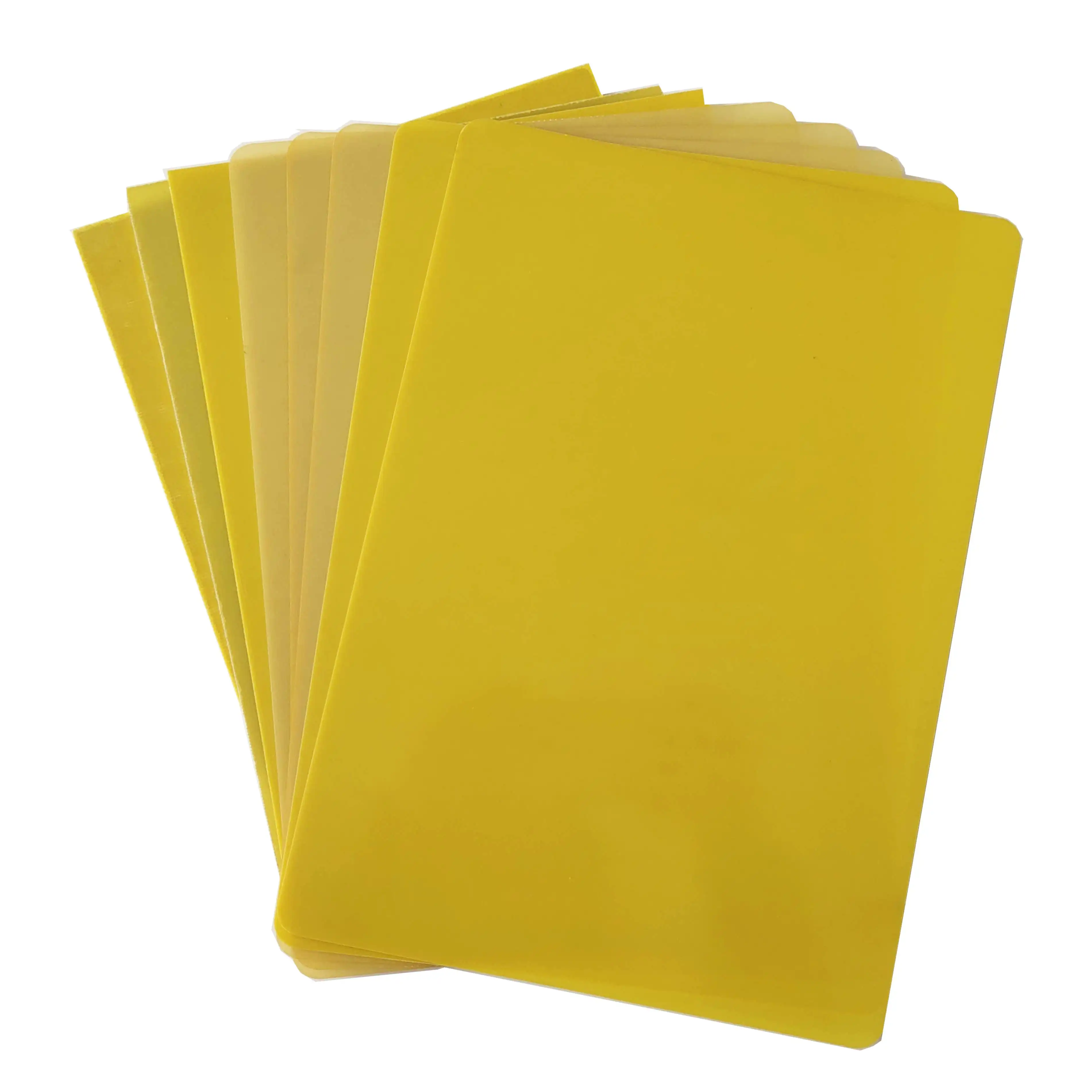
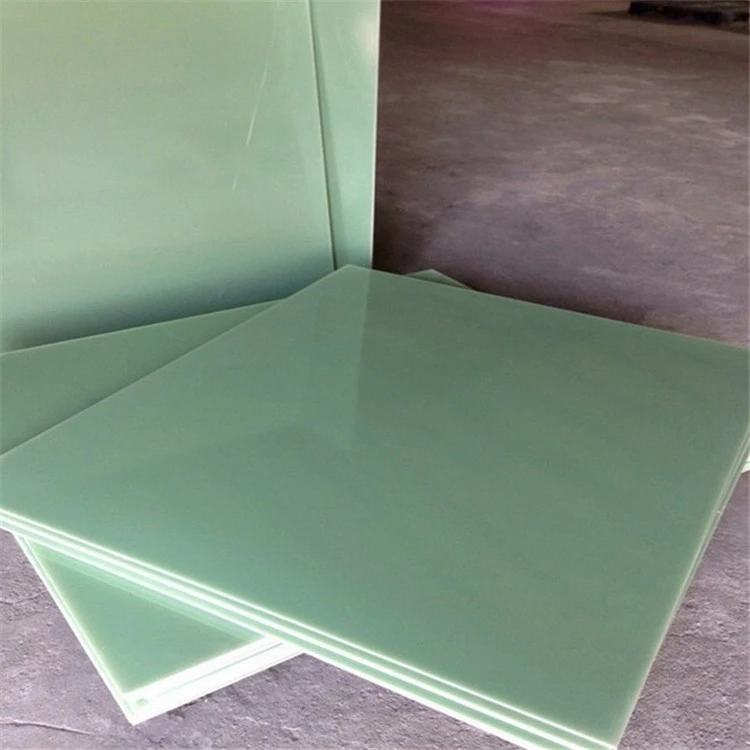
The 3240 epoxy sheet is made of electrical-grade fibreglass cloth that has been woven together and mixed with epoxy resin. It is then heated and cured under controlled pressure. The lamination process makes a dense composite structure that weighs between 1.90 and 2.0 g/cm³ on average. The way the product is made affects the distribution of internal stress because uneven resin distribution or incomplete drying can leave weak spots that can be damaged during later cutting steps. The normal output follows the rules in GB/T1303.1-1998, which makes sure that the quality standards are the same from batch to batch. Figuring out this basic structure helps us understand why drilling stresses can spread along fibre boundaries when the geometry of the tool or the feed rate doesn't work with the way the material is built.
Critical Performance Parameters
Several technical factors have a direct effect on how drilling works and how likely it is to crack. The material has a tensile strength of over 300 MPa and a flexural strength of over 340 MPa, which means it has strong mechanical qualities under standing loads. However, its volume resistance and breakdown voltage of ≥30kV in transformer oil show that it was mainly designed for electrical protection rather than dynamic machining resilience. The Class B temperature grade lets it work continuously at up to 130°C, but when cutting, sudden changes in temperature can cause thermal gradients that cause cracks. Water absorption stays incredibly low at less than 0.1%, which keeps the shape stable but makes the material more brittle than options that take water. Together, these parameters set processing windows that must be followed during fabrication.
Application-Specific Considerations
Different types of industries use this material in ways that make drilling more difficult. When making transformers, thick sheets (10 mm to 50 mm) need to be drilled deeply for mounting hardware. This means that tools have to be used for longer periods of time, which builds up heat. For switchgear applications, mounting holes must be precisely drilled and have tight positional tolerances. This leaves very little room for crack-induced dimensional errors. When making motor parts, it is common to drill near the edges of sheets, which is where stress naturally builds up. When sourcing experts know about these application-specific needs, they can choose the right sheet grades and work with providers to pre-qualify drilling parameters before committing to full-scale production.
Common Causes of Cracking During Drilling of 3240 Epoxy Sheets
Finding the root causes lets production teams use focused solutions instead of methods that waste time and materials, like trial-and-error.
Material-Related Factors
The built-in properties of epoxy laminates make it very easy for cracks to form during machining. As the resin shrinks while connecting to dimensionally stable glass fibres, internal stresses form. These create leftover tension that stays in the finished sheet. The way a material is stored also affects how it behaves. Sheets that are exposed to changes in humidity or bad temperature control have microscopic changes in their dimensions that make them more brittle. The 3240 epoxy sheet version of FR4 sheets is a little harder than other variants made with different resin formulations, but it is also less resistant to impact, which means it is more likely to break when drilling through it. Changes in the amounts of resin to fibre from batch to batch can lead to inconsistent machining reactions. This shows how important source quality control systems are.
Equipment and Tooling Issues
The design of the drilling tools is very important for stopping or spreading cracks. When cutting edges on worn-out drill bits wear down, they cause too much friction instead of clean slicing action. This turns mechanical energy into localised heat that weakens the resin matrix. When the geometry of a drill bit is wrong, especially when the point angles are too small or the flute designs are wrong, the cutting forces are not balanced, which causes lateral stresses that are not in the direction of the drilling. When spindle runout is more than 0.02 mm, eccentric tool tracks make holes bigger in an uneven way and stress the material in an uneven way. When a machine isn't stiff enough, cutting loads can cause tools to bend, especially when sawing near the edges of sheets where support is weak. These mechanical factors make material weaknesses worse, turning normal drilling operations into ones with a lot of mistakes.
Process Parameter Deficiencies
The conditions of operation during drilling directly affect whether the material can handle the stresses of machining or cracks. Too fast of feed rates push the drill bit through the material faster than the glass fibres can be cleanly separated. This causes fibre pullout and interlaminar delamination, which shows up as edge cracks. Instead, if the feed rates are too low at high spindle speeds, frictional heating happens without any useful material removal. This breaks down the resin thermally and creates heat-affected zones that are likely to break. When there aren't any cooling systems in place, chip-generated heat builds up at the cutting contact. At these temperatures, the material may reach its heat-bending point, which can cause thermal shock when it cools down. When you drill through stacked sheets without properly supporting the layer below, the material can bend and be stressed beyond its elastic limit, especially when the drill breaks through the sheet.
Best Practices to Prevent Cracking When Drilling 3240 Epoxy Sheets
Using tried-and-true methods turns drilling from a difficult task into a managed, regular process that protects the purity of the 3240 epoxy sheet.
Optimal Tool Selection and Configuration
Picking the right drill bits is the most important thing you can do to avoid cracks. Carbide-tipped tools always have clean slicing action that reduces mechanical stress, and their cutting edges stay sharp even during long production runs. Diamond-coated bits work even better for large-scale tasks because they are resistant to wear and tear and keep their shape across thousands of holes. Point angles between 118° and 130° are good because they balance edge support with entry efficiency. This keeps the grabbing action that happens at too-acute angles from happening. Spiral flute designs effectively remove chips from the cutting zone, stopping the buildup of debris that leads to binding and stress concentration. Bit diameter should be chosen based on the needs of the application without being too big, since bigger tools put more cutting force on the bit, which raises the risk of cracking.
Precision Parameter Control
By setting and keeping the right drilling parameters, you can make sure that the material stays within its tolerance range during the whole machining process. Spindle speeds of 1,500 to 3,000 RPM work well with most sheet thicknesses when paired with feed rates of 50 to 150 mm/min. This makes for smooth cutting conditions that produce chip loads that are easy to handle. During deep-hole operations, chip clearing and heat dissipation are made possible by peck drilling techniques that move the tool forward slowly and backwards every so often. Entry and exit speeds should be slowed down by about 30% compared to mid-thickness cutting to allow for more stress to build up in these key areas. Spindle load indicators let you keep an eye on cutting forces all the time. This lets you change parameters right away if changes in the material or tool wear affect how the drilling works.
Cooling and Support Strategies
Thermal management during drilling stops the failure modes that are caused by temperature and are responsible for a lot of cracking. Air-blast cooling systems send streams of compressed air to the cutting zone. This cools the material and removes heat at the same time, without adding wetness that could change its properties. Mist cooling systems give tiny lubricant drops that lower friction and keep chip transport working well in high-production settings. Supporting the sheet with stiff backing boards stops it from bending when it breaks through. This spreads the exit forces over a bigger area and gets rid of the cantilever effect that stresses material that isn't supported. When drilling near edges, placing the sheet so that it has the most material support on all sides of the hole lowers stress buildup, which makes it more likely for cracks to start.
Pre-Machining Inspection and Material Preparation
Quality drilling results start before the first chip is cut by checking the state and preparation of the material in a planned way. Visual inspection confirms that the surface is smooth and doesn't have any bubbles, pits, or wrinkles that could become crack starters when drilling stresses are applied. Verifying the dimensions with calibrated measuring tools ensures that the thickness is regular within certain limits, which are usually ±0.1mm to ±0.4mm based on the standard thickness. This stops tool engagement changes that were not expected. Giving sheets 24 hours to get used to the temperature and humidity of the shop floor before they are machined gets rid of thermal differences and structural instability that make the sheets more brittle. Ordering custom-cut sheets in sizes that make subsequent machining easier lowers the material stress that builds up from multiple cutting operations, protecting the structure for important drilling processes.
Comparing 3240 Epoxy Sheet with Other Epoxy and Fiberglass Sheets in Drilling Context
When you know how different insulating laminates work, you can make purchases that meet both useful needs and manufacturing capabilities for the 3240 epoxy sheet.
Mechanical Toughness Variations
The choice of material has a big effect on the success rates of drilling in production settings. When compared to standard 3240 formulations, FR4 sheets that are made with different epoxy resin systems and often contain flame-retardant additives tend to be a little less hard but more resistant to impact. Because of this, FR4 can handle less-than-ideal cutting conditions better, which makes it better for mixed-production settings where grinding conditions change. G10 laminates have a similar glass-epoxy structure but different curing plans. They have traits that are in the middle of electrical performance and machinability. The 3240 epoxy sheet is very good at withstanding high temperatures and insulating strength, which is why it is chosen for tough electrical uses, even though it needs more careful drilling methods. When selecting materials, procurement teams have to weigh how well the materials will work in the application against how hard they will be to make.
Cost-Performance Analysis
There are more economic factors to think about than just the unit price of a material. These include the total cost of production, which includes return rates and the speed of machining. The 3240 epoxy sheet is more expensive because it has better thermal and electrical properties, but if the cutting settings aren't optimised, drilling can cause scrap that can cancel out the cost savings. By buying the right tools and setting up controlled drilling routines, defect rates can be lowered to below 2%. This turns the cost of materials into value through dependable performance. Other materials that are easier to work with might have lower piece costs, but they might not work as well in high-temperature or high-voltage situations. To find the true economic value across the procurement decision timeline, a full cost analysis should include the prices of materials, the time it takes to machine them, the amount of scrap that is made, and how well they work over their whole life.
Supplier Capabilities and Customization
Leading material providers offer services that directly deal with problems that come up during drilling and improve the results of production. Custom thickness making gets rid of the need for extra thickness reduction steps that add to internal pressures. This means that sheets are ready to be drilled with little strain already there. Precision cutting service providers can send parts that are either the exact size needed or with very little room for error during the manufacturing process. This lowers the stress that builds up over many steps of the process. You can be sure that the drilling results will be the same from batch to batch, with quality certifications like ISO 9001 systems and material test reports that list the electrical and mechanical properties of the material. Technical support services, such as suggestions for cutting parameters based on the materials being bought, speed up the setup of production and lower the cost of making mistakes when starting a new project.
How to Source Quality 3240 Epoxy Sheets and Secure Reliable Supply Chains
Strategic relationships with suppliers guarantee stable 3240 epoxy sheet quality and quick support, which has a direct effect on the dependability of production and the management of costs.
Supplier Qualification Criteria
To choose reliable material suppliers, you need to look at many aspects of their organization's skills and dedication. Years of experience in manufacturing mean that you know more about the process, which leads to better quality control and fewer material flaws. Quality management systems that are written down and certified to international standards give you a structural guarantee that the specifications will be met regularly across orders. Environmental compliance, such as RoHS certification, ensures that materials don't contain any restricted chemicals. This keeps buying teams safe from legal risks in markets for finished goods. It's possible to change procurement strategies as project needs change if the production capacity can handle both bulk orders and custom specifications. Before committing to long-term supply relationships, visiting supplier facilities or reading third-party audit reports gives you confidence in what they say they can do.
Logistics and Lead Time Management
In competitive manufacturing environments, the efficiency of the supply chain has a direct effect on when to make things and how much it costs to keep inventory on hand. Knowing how long it really takes to make something to standard specs versus custom specifications helps you plan your project correctly and avoid costly production delays. Suppliers who specialise in logistics can offer consolidated shipping, which lowers freight costs and makes sure that materials are handled properly so they don't get damaged during transport. To find the best balance between inventory costs and buying efficiency, minimum order sizes should match up with usage rates. This way, you can avoid both too much stockpiling and too many small-batch orders. Clear communication protocols for updating the status of an order and alerting people ahead of time to possible delays allow for planning for what might go wrong before supply problems affect production schedules.
Technical Support and After-Sales Service
In complicated material uses, value-added services set key supplier partners apart from transactional providers. If a supplier offers machine advice, they can suggest drilling parameters that are best for each batch of material by using production data from past customers to speed up parameter development. Warranty clauses that cover material flaws protect buyers financially against problems with a batch's quality and encourage suppliers to keep quality control strict. When unexpected drilling problems come up during production, quick problem-solving is made possible by responsive technical support that can be reached through multiple communication channels. When sample materials are available, they can be tested, and parameters can be confirmed before full-scale orders are placed. This lowers the risks that come with material substitutions or getting to know a new supplier. These supporting factors add value to the relationship that goes beyond the cost of the materials.
Conclusion
Cracking during the drilling of the 3240 epoxy sheet needs to be fixed by paying attention to the features of the material, the choice of tools, the process factors, and the supplier's abilities. The material's great electrical and thermal performance makes it necessary for hard insulation tasks, but its brittleness means that it needs to be handled carefully when it is being machined. If procurement professionals understand these dynamics, they can choose the right materials, make sure that suppliers are qualified, and work with manufacturing teams to set up drilling protocols that always produce results without cracks. Investing in the right tools, developing the right parameters, and building partnerships with suppliers pays off in the form of lower scrap rates, higher production efficiency, and reliable part performance in the electrical, industrial machinery, power distribution, automotive, and appliance manufacturing sectors.
FAQ
Why do 3240 epoxy sheets crack more easily than FR4 during drilling?
The main change is in how the plastic is made and how it cures. Both materials are reinforced with glass fibre, but 3240 epoxy sheet formulations are designed to be more resistant to heat and better at conducting electricity. This makes the matrix more rigid and brittle after curing. FR4 standards put a lot of weight on flame resistance, and they often include plasticisers that keep a little flexibility while still making the material more resistant to pressure during cutting. There are also differences in how the sheets are made. For example, 3240 sheets are usually heated to higher temperatures, which creates more stress inside the sheet. Procurement teams should choose materials based on what they will be used for, keeping in mind that better electrical performance comes with cutting issues that can be solved with the right skills.
What drill bits work best for machining 3240 epoxy sheet?
Carbide-tipped drill bits are the best choice for most production settings because they are hard enough to keep their sharp cutting edges after a lot of use and are also cheap. Diamond-coated tools work best for high-volume tasks where the extra cost is worth it because they last longer. With smooth flute surfaces and point angles between 118° and 130°, cutting resistance and heat buildup are kept to a minimum. When cutting rough glass fibres, high-speed steel bits quickly become less useful, which causes more friction and cracking. Specialised shapes made for composite materials have optimal rake angles that shear fibres neatly instead of tearing them. This makes cracks much less likely during both the entry and exit phases of the drilling cycle.
Can ordering custom-thickness sheets reduce drilling problems?
When you buy something in a custom thickness, you don't have to go through any extra steps to reduce the thickness of the material, which can cause internal stresses. Instead, you get sheets that are already in the best shape for cutting. This method works especially well when standard thickness steps need a lot of material to be removed in order to hit the design dimensions. When sheets are carefully cut to the right size for the job, they reduce the stress that builds up from multiple machining steps and lose as little material as possible. Custom cutting services that deliver parts that are almost in their original shape reduce the need to drill even more holes for mounting purposes, which lowers the chance of cracks showing up. Custom specs may mean a little longer wait times, but the lower cost of machining errors and scrap usually makes it worth it for medium to high volume production tasks where material uniformity has a direct effect on quality measures and yield rates.
Partner with J&Q for Reliable 3240 Epoxy Sheet Supply
J&Q has been in business for over twenty years and has a decade of experience in foreign trade. They help electrical and industrial manufacturers with drilling problems by providing high-quality materials and full professional support. As a well-known provider of 3240 epoxy sheets, we have strict quality control systems that make sure every sheet meets the strict requirements for dielectric strength, mechanical properties, and dimensional tolerances, which enable drilling without cracks. Because we offer combined transportation, we can make sure that deliveries happen on time and on schedule, so your production lines don't have to stop for expensive materials. We work closely with procurement teams and manufacturing engineers to help you find the best sheet specifications and drilling parameters for your needs. Get in touch with our expert team at info@jhd-material.com to talk about your insulation material needs and find out how our flexible customisation options and quick service can improve the efficiency of your production while lowering the cost of machining.
References
1. Zhang, L., & Chen, W. (2021). Machining Characteristics of Glass Fiber Reinforced Epoxy Composites: A Comprehensive Review. Journal of Manufacturing Processes, 68, 1242-1265.
2. Thompson, R. J. (2019). Electrical Insulation Materials: Properties, Testing, and Applications in Power Systems. McGraw-Hill Professional Engineering Series.
3. Kumar, S., Singh, P., & Verma, A. (2020). Drilling-Induced Damage in Fiber Reinforced Polymer Composites: Mechanisms and Mitigation Strategies. Composite Structures, 253, 112789.
4. IEC 60893-3-2:2018. Insulating materials - Industrial rigid laminated sheets based on thermosetting resins for electrical purposes - Part 3-2: Specifications for individual materials - Requirements for EPGC and EPCC sheets.
5. Davidson, M. L., & Roberts, T. A. (2018). Thermal Management in Composite Material Machining: Effects on Tool Life and Part Quality. International Journal of Machine Tools and Manufacture, 134, 72-89.
6. NEMA LI 1-1998 (R2019). Industrial Laminated Thermosetting Products - Technical Standard for Glass-Cloth-Base and Mat-Base Laminates.
 拷贝.webp)