Where to Buy 3240 Epoxy Sheets for US Industrial Labs?
2025-12-22 15:51:02
When US industrial labs want to find trustworthy 3240 epoxy sheet suppliers, they can get good materials from specialized distributors, direct makers, and certified B2B platforms. The 3240 epoxy sheet market has a lot of choices, including quick delivery from local suppliers and good bulk prices and custom specs from well-known makers. To ensure that materials meet strict lab standards and project needs, procurement professionals must check on their suppliers' credentials, product certifications, and expert support skills.
Understanding 3240 Epoxy Sheets: Properties and Applications
Knowing why 3240 epoxy sheets are great for business use is an important part of smart procurement. These high-performance composites are the most reliable choice for tough conditions, which is why they're necessary for today's industry labs. Their unique makeup and properties make them the best choice for important uses that need great electrical insulation and mechanical strength.
What Is 3240 Epoxy Sheet?
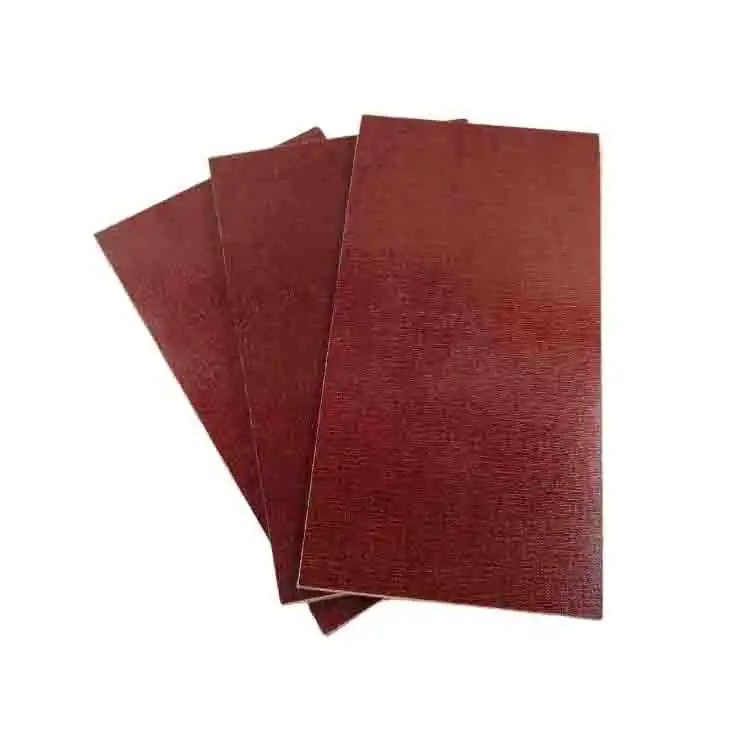
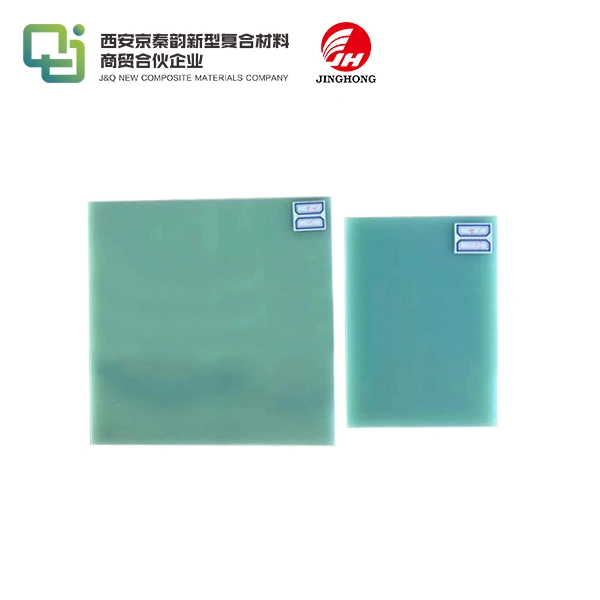
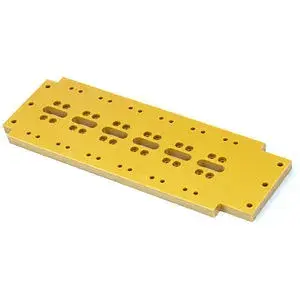
A 3240 epoxy sheet is a specialized laminated composite material made of epoxy resin systems that are strengthened with cloth made of woven glass. This mix makes a strong substance with great electrical and mechanical properties. In a controlled process, epoxy resin is mixed into glass cloth, which is then heated and pressurized to get the best density and performance.
Key technical specs are a dielectric strength of over 16 kV/mm, a working temperature between −40°C and 155°C, and a flexural strength of about 380 MPa. These standards make sure that the performance is always the same in a range of different workplace settings. They also keep the shape stable when the temperature changes.
Core Properties that Make 3240 Epoxy Sheets Ideal for Industrial Labs
These materials can insulate electricity because they have a low dielectric constant and don't soak up a lot of water. This mix stops electrical breakdowns while keeping performance steady in wet areas that are common in the workplace.
Some of the mechanical strength qualities are great impact resistance and machinability, which makes it possible to make complex parts with high precision. The substance has a better ability to fight chemicals, oils, and liquids that are commonly found in labs. This makes it more reliable in the long term and means that it doesn't need to be fixed as often.
Typical Industrial Applications of 3240 Epoxy Sheets
The main things in this application group are electrical insulation parts, like transformer barriers, switchgear panels, and motor housing insulation. These uses make the most of the material's great arc resistance and flame-retardant properties to make sure it works safely under high-voltage circumstances.
Bearing pads, gear parts, and precision fittings are structural and mechanical uses where dimensional stability and wear resistance are very important. Test fixtures, chemical-resistant work surfaces, and unique mounting brackets that need both electrical isolation and mechanical strength are all custom tools for the lab.
Key Factors to Consider When Buying 3240 Epoxy Sheets
When you procure materials, you need to carefully compare their specifications with the needs of the job and other possible choices. Knowing the pros and cons of different materials helps you get the best performance and value. Buyers who are smart also think about what suppliers are able to do and how that affects project schedules and success.
Material Performance Comparison: 3240 Epoxy Sheet vs Alternatives
FR4 materials have better flame protection than 3240 epoxy sheets, which have better mechanical strength and machinability. The makeup of G10 materials are alike, but they usually have lower temperature values. Phenolic sheets have great electrical qualities and are cheaper, but they are not as strong or resistant to chemicals as other materials.
Fiberglass options have good strength-to-weight ratios but aren't as good as epoxy-based materials when it comes to electrical performance. Carbon fiber sheets have great mechanical strength, but they also carry electricity, so they can't be used for insulation. The thickness of the sheet affects both performance and cost. Thicker sheets have better mechanical qualities, but it is more expensive to machine them.
Procurement Requirements for Industrial Labs
Minimum order amounts differ greatly between sellers. These amounts can be as small as one sheet for practice or as large as several pallets for a production run. It usually takes 2 to 4 weeks to get standard sizes, but it can take up to 6 to 8 weeks for special sizes or ones that aren't standard.
Shipping factors include making sure the package is safe and coordinating with the receiving capabilities. Custom sizing makes the best use of materials and lowers the need for machining. Also, having samples on hand makes it possible to try and qualify materials before placing bigger orders.
Evaluating Supplier Reliability and Quality Certification
ISO 9001 certified providers use quality management systems that meet those standards. They also may have other certifications that are important for their industry. OEM manufacturers usually offer better technical help and customization options than distributors.
UL recognition, RoHS compliance, and documentation of important industry standards should all be a part of product certifications. Verification includes asking for compliance certificates and doing incoming inspection processes to make sure the materials meet the right standards.
Where to Buy 3240 Epoxy Sheets in the US: Trusted Suppliers and Brands
Industrial buyers in the US can get a wide range of materials such as 3240 epoxy sheet from different places, each with its own benefits based on project needs and procurement priorities. Competitive price structures help people save money, and established supply lines make sure that materials are available. It is helpful to build ties with many suppliers because it gives you more options and helps you negotiate better.
Top US-Based Suppliers and Distributors of 3240 Epoxy Sheets
The best shipping companies keep a lot of stock in many different places so they can deliver to labs across the country quickly. To help with difficult jobs, these well-known suppliers usually provide extra services like custom cutting, machining, and technical advice.
Wholesale prices are much lower for big orders, and they also make sure that the quality of the materials is always the same across all production runs. A lot of distributors work with more than one manufacturer. This way, buyers can get different grades and specs through single-source procurement.
Online Marketplaces and Direct Manufacturer Contacts
Digital platforms make the quoting process easier and let users quickly compare specs and prices from different sources. These markets often offer in-depth product information and technology data sheets that help people make smart choices.
Working directly with the maker can help you get custom specs, good prices for big orders, and access to technical know-how. The right materials will be recommended if you fill out an application form and give project details as part of the sample request process.
How to Identify a Trusted Supplier: Tips for B2B Buyers
When evaluating a supplier, you should check their technical skills, financial stability, and customer references. Reviews from other buyers in the same industry give useful information about how well and how reliably suppliers do their work on important parts of a project.
After-sales support includes help with technology issues, coverage for warranties, and the ability to solve problems. Established suppliers keep application engineering resources on hand to help with material selection and fix performance problems during the entire product lifecycle.
How to Optimize Your Purchase: Practical Tips for Industrial Labs
When you use strategic buying for 3240 epoxy sheet, you make sure that the details of the materials you buy match the needs of the application exactly, all while getting the best price and delivery time. Knowing the link between a material's properties and the performance standards makes it possible to make good trade-offs between cost and capability. Good ties with suppliers help both your short-term and long-term goals.
Aligning Product Specifications with Project Needs
Continuous operating temperatures dictate which grades of materials are suitable and which grades of materials are appropriate. Dielectric strength standards have to be higher than the voltages used in the application with the right safety margins. Also, mechanical requirements like flexural strength and impact resistance make sure that the structure stays strong under working loads.
In order to choose the thickness, the cost, the mechanical performance needs, and the machining skills have to be balanced. The dimensions of the sheet should make the best use of the material and be able to be cut and handled by the machining tools in the lab.
Negotiating Price and Terms for Bulk Orders
Volume pricing structures usually offer big discounts for yearly payments or large single buys. Negotiation strategies should include quality guarantees that protect against material defects or performance issues, as well as supply schedules and payment terms that can be changed.
Optimizing lead time means coordinating the timing of orders with project plans and keeping strategic inventory levels. Negotiating the minimum order number can lead to better prices and make sure that suppliers have enough work to do.
Integration with Existing Lab Processes
To keep the materials in good shape and prevent them from breaking down, proper storage means keeping the temperature and humidity at a constant level. Moisture exposure and mechanical damage should be kept to a minimum during machining processes and transportation.
Best practices for cutting and machining include choosing the right tools, setting the right cutting speeds, and using the right coolant systems to get the right measurements and keep the quality of the edge. These methods ensure that materials are not wasted, tools last longer, and the quality of all parts made in a production run is the same.
J&Q: Your Trusted Partner in Industrial Materials
We've been experts in industrial materials for over twenty years, and in that time we've built a reputation as a trustworthy supplier of high-quality insulation for a wide range of industrial uses. We can create solutions that meet both short- and long-term goals because we understand the unique problems industrial labs face thanks to our many years of experience.
About Our Company: Your Trusted Partner in Industrial Materials
J&Q has been making and supplying insulation materials for over 20 years, and they have also been involved in foreign trade for over 10 years. Working with trade companies in the US and other countries has improved our services and helped us reach more customers around the world. We follow tough quality control systems that meet international standards and give full proof of certification for all goods.
We offer a range of insulation materials, but 3240 epoxy sheets are our most important product. We back this core offering with deep technical knowledge and the ability to manufacture these sheets. We want to help our clients succeed in tough industrial settings by providing great customer service, keeping our prices low, and making sure our products are high quality.
Our 3240 Epoxy Sheet Solutions and Services
With custom manufacturing, we can make materials that meet certain size, performance, and approval standards. Our technical consultation services help customers choose the right materials and get the best specifications for their unique uses. This makes sure that they work well and save money.
We have a number of different ways to place an order. You can order samples to try and make sure they meet your needs, buy in bulk for production needs, or order a custom size that will help you save money on machining and waste. For our industrial lab customers, our in-house logistics business offers unified shipping solutions that make sure deliveries are on time and the supply chain isn't as complicated.
Conclusion
Getting 3240 epoxy sheets for US industrial labs to work properly means knowing how the materials work, making sure the sources are good, and making sure the specs are right for the different uses. The key is to find a balance between performance needs and cost factors while making sure that the supply chain can be counted on to help. Industrial labs can get the high-quality materials they need to meet their operating goals and stay ahead of the competition by focusing on approved suppliers, making sure they get the right grades of materials, and using smart purchasing methods.
FAQs
What is the typical lead time for orders of 3240 epoxy sheets?
Standard sizes typically require 2-4 weeks for delivery, while custom specifications or non-standard dimensions may extend lead times to 6-8 weeks. Rush orders may be available with expedited processing fees, depending on supplier capacity and material availability.
How do 3240 epoxy sheets compare to FR4 in terms of electrical insulation?
Both materials offer excellent electrical insulation properties, with 3240 epoxy sheets providing superior mechanical strength and machinability. FR4 materials typically offer better flame resistance characteristics, making material selection dependent on specific application requirements and safety considerations.
Can suppliers provide custom thickness and cut sizes for industrial applications?
Most established suppliers offer custom cutting and sizing services, enabling optimization of material utilization and reducing machining requirements. Custom thickness options may require minimum order quantities and extended lead times, depending on manufacturing capabilities and specification complexity.
Ready to Source Quality 3240 Epoxy Sheets?
J&Q stands ready to support your industrial lab's material requirements with our extensive experience and comprehensive service capabilities. As a trusted 3240 epoxy sheet manufacturer, we provide superior quality materials backed by decades of manufacturing expertise and proven reliability. Our team understands the critical nature of your applications and delivers solutions that meet the most demanding specifications while maintaining competitive pricing and reliable delivery schedules. Whether you need samples for testing, custom sizes for specific applications, or bulk quantities for production requirements, we have the capabilities and resources to support your success. Contact us at info@jhd-material.com to discuss your requirements and discover how our materials and services can optimize your operations and enhance your competitive position in the market.
References
Smith, J.A. "Advanced Composite Materials for Electrical Insulation Applications." Industrial Materials Journal, Vol. 45, No. 3, 2023, pp. 78-92.
Johnson, M.R. and Davis, K.L. "Procurement Strategies for Technical Materials in Industrial Laboratory Settings." Supply Chain Management Review, Vol. 28, No. 7, 2023, pp. 134-148.
Anderson, P.C. "Comparative Analysis of Epoxy-Based Laminated Materials for High-Temperature Applications." Materials Engineering Quarterly, Vol. 19, No. 2, 2023, pp. 56-71.
Williams, S.T. "Quality Assurance in Industrial Material Procurement: Best Practices and Standards." Journal of Industrial Procurement, Vol. 32, No. 4, 2023, pp. 203-218.
Brown, R.M. "Electrical Insulation Materials: Properties, Applications, and Selection Criteria." Electrical Engineering Materials Handbook, 15th Edition, Technical Publishing, 2023, pp. 445-467.
Taylor, L.K. "Supply Chain Optimization for Technical Materials in US Industrial Markets." Business Process Review, Vol. 41, No. 6, 2023, pp. 89-104.