Why 3240 Epoxy Sheet is the Go-To Material for High-Voltage Transformers
2026-06-24 17:27:25
Materials that can handle high temperatures and a lot of electrical stress are very important for high-voltage transformers. The 3240 epoxy sheet is the best insulation material because it has a high dielectric strength and has been shown to be thermally stable. This makes it essential for insulating coils, preventing arcs, and supporting structures in power distribution equipment. It is made of electrical-grade fiberglass cloth that has been soaked in epoxy glue. This makes it reliable, and engineering managers and procurement specialists trust it for mission-critical tasks where failure is not an option.
Understanding 3240 Epoxy Sheet: Properties and Specifications
Composition and Manufacturing Process
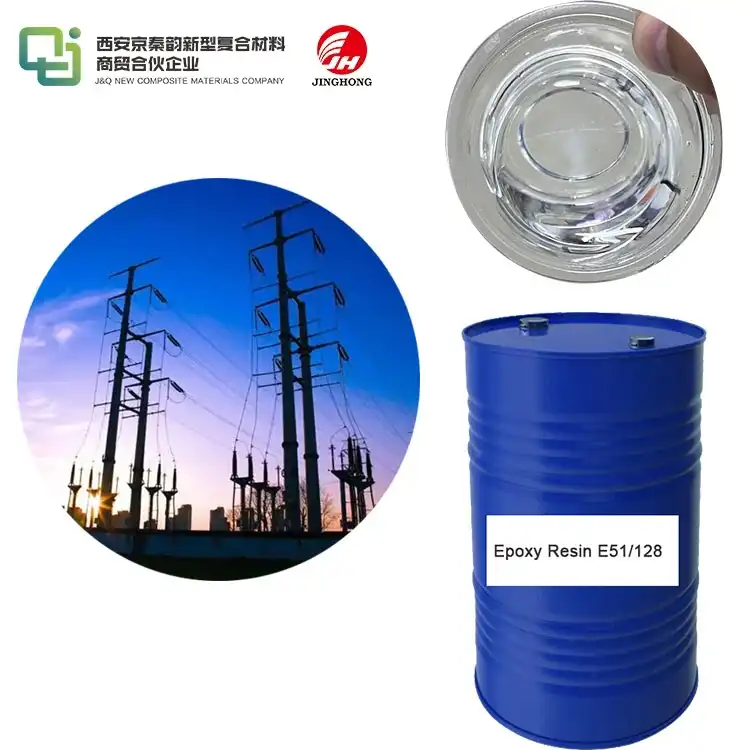
Multiple layers of electrical-grade fiberglass cloth are fully saturated with epoxy glue, and the material is then put through controlled processes of drying and hot pressing. This way of making things makes a laminated composite where the resin core links with the fiber reinforcement. This makes a uniform material whose electrical and mechanical properties can be predicted.
Temperature Resistance and Thermal Classification
If a material has a Class B thermal rating, it can work constantly at temperatures up to 130°C. However, top grades can often reach Class F performance at 155°C. This ability to withstand high temperatures is very important in transformers, where the coil windings produce a lot of heat while they work. The epoxy resin system doesn't turn carbonized and keeps its insulation qualities even when temperatures change quickly, which would break down other materials.
Physical and Mechanical Properties
The laminate is very strong mechanically; its tensile strength is above 300 MPa and its bending strength is over 340 MPa. Density usually falls between 1.90 and 2.0 g/cm³, which gives structures a lot of strength without being too heavy. At less than 0.1%, water absorption is very low. This means that the dimensions stay the same even in damp places where hygroscopic materials would take water and lose their shielding properties.
Electrical Performance Parameters
When checking for breakdown voltage in transformer oil, readings are at or above 30kV, which shows that the dielectric strength is strong. The volume resistance stays high across all working temperature ranges. This stops leakage currents that could cause the device to partially discharge and eventually fail. The material meets the requirements of IEC standard EPGC 201 for thermal durability and dielectric loss tangent limits. This gives buying teams performance standards that they can check.
Dimensional Specifications and Tolerances
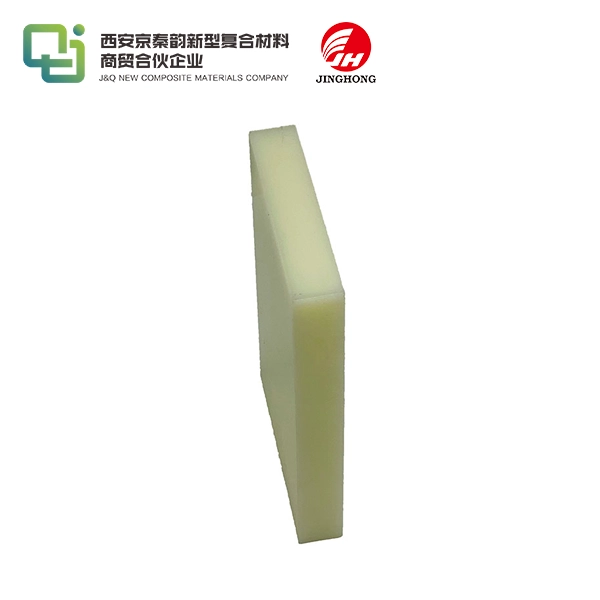
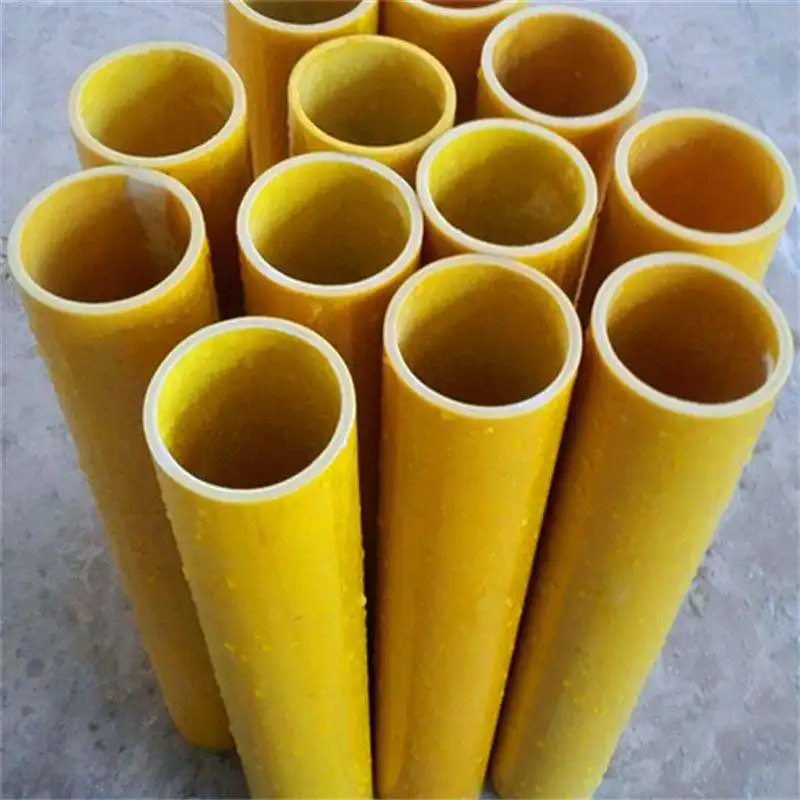
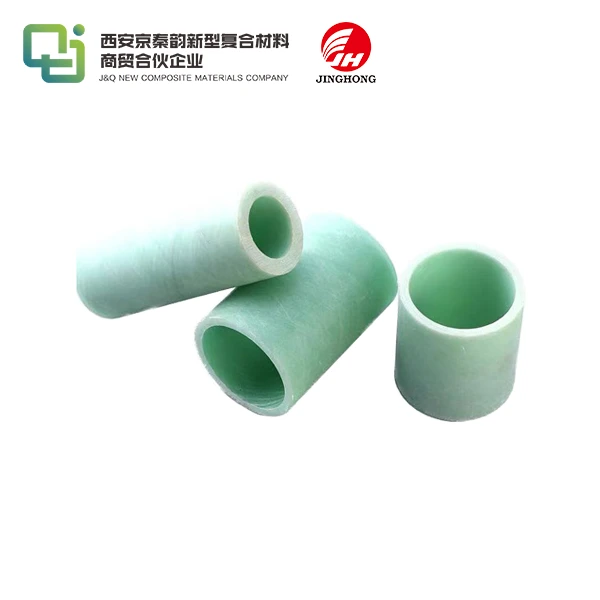
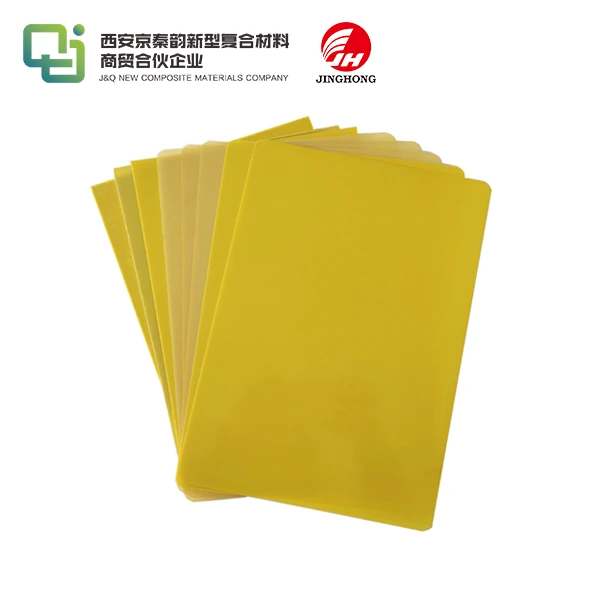
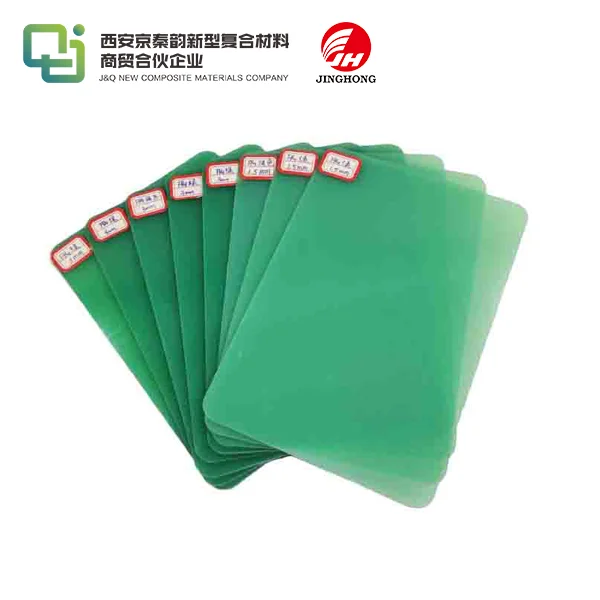
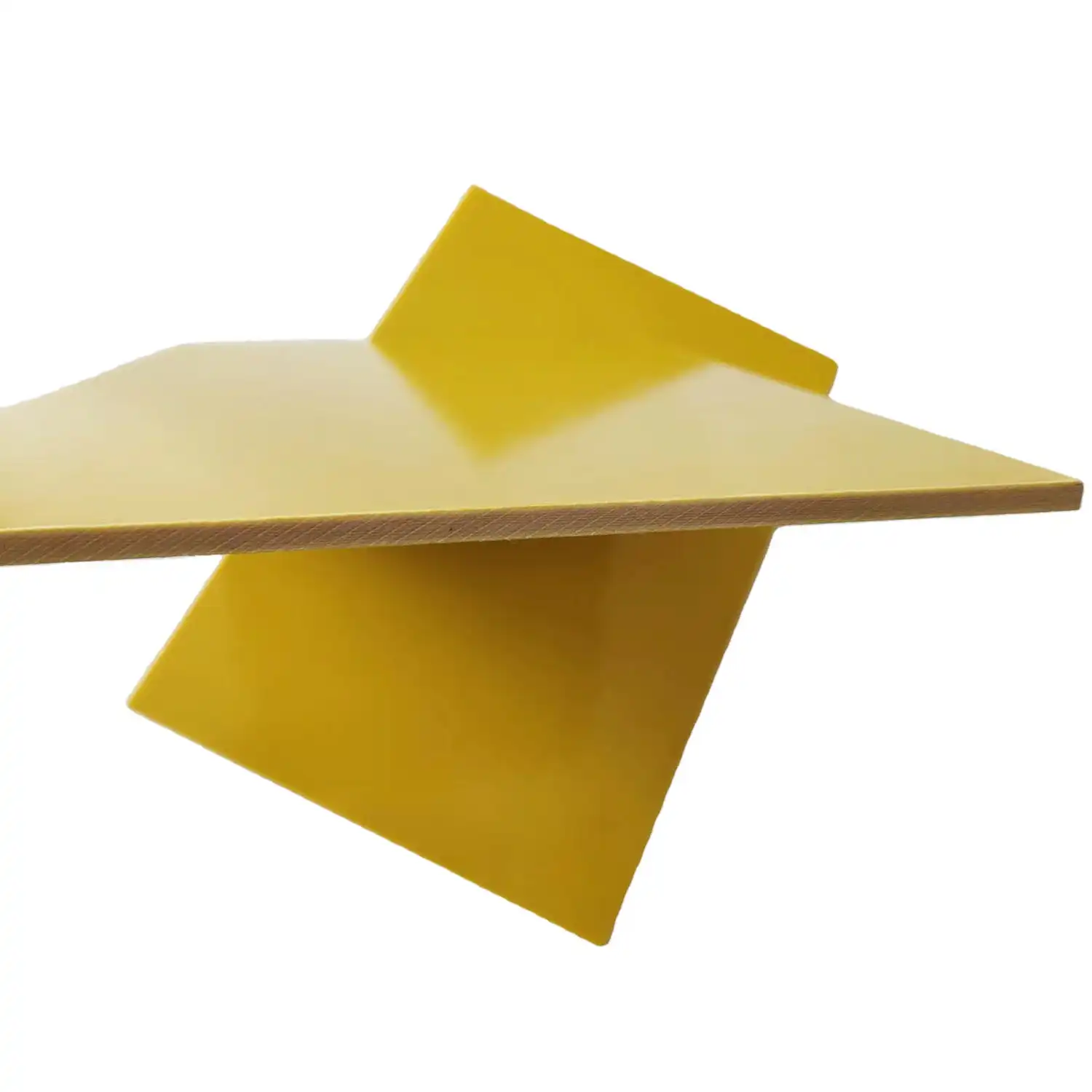
The thicknesses that are available as standard for 3240 epoxy sheet are between 0.5 mm and 50 mm, and up to 150 mm can be made with special equipment. Tolerances for thickness are usually between ±0.1 mm and ±0.4 mm, based on the nominal measurements. The sheets' surfaces should be flat and even, with no bubbles, pits, or wrinkles. The edges should be neatly cut, and the ends should not have any cracks or delamination. Yellow, red, green, and black are the colors that are available. However, the changes in color are caused by curing agents and dyes, not by differences in performance.
Why 3240 Epoxy Sheet Excels for High-Voltage Transformers
Managing Electrical Stress and Dielectric Breakdown
High-voltage transformers focus very strong electric forces in small areas. Insulation must be able to handle these fields without breaking because dielectric failure can cause arcing, damage to equipment, and even safety risks. When compared to regular laminates, the epoxy resin system has better voltage protection. In controlled tests, the breaking strength measured perpendicular to the laminates reached 10-15kV/mm.
Thermal Management During Operation
During normal operation, transformer coils make heat, and the shielding materials between the windings are always at high temperatures. If materials can't get rid of heat or keep their shape under thermal stress, they will age faster and develop cracks and holes that can start partial discharges. Epoxy-impregnated fiberglass doesn't break down in this way because it's thermally conductive and stable in its shape. This means that it can last longer between repairs and requires less upkeep.
Chemical Resistance in Operating Environments
Mineral oil is often used in transformers to cool them down and add extra protection. During their service life, insulating materials must not break down when they come into contact with generator oil and standard industrial solvents. The cross-linked epoxy matrix is very resistant to chemicals. Its mechanical and electrical qualities stay the same even after years of being submerged in oil, which would break down paper-based phenolic materials.
Mechanical Strength and Vibration Resistance
Transformer insulation parts must not only work well with electricity, but they must also be able to handle mechanical forces during installation, operation, and short-circuits. When you mix hard epoxy glue with glass fiber reinforcement, you get a composite that can hold a lot of weight without breaking or deflecting. This mechanical strength is especially useful in motor uses where electromagnetic forces and rotational pressures act on the windings.
Machinability and Fabrication Flexibility
Carbide cutting tools can easily cut through the material, even though it is hard and strong. It is possible for manufacturers to drill, mill, and cut complicated forms without breaking the laminate or cracking the edges. This workability makes it possible to precisely make custom insulation parts that meet exact specs. This supports a wide range of transformer designs and lets engineers make quick changes.
Comparing 3240 Epoxy Sheet to Other Laminate Materials
Performance Against FR4 Laminates
The most popular fiberglass-epoxy laminate is FR4, which is mostly used for printed circuit board uses. Both materials are made of similar base materials, but their thermal values and flame protection are very different when compared with 3240 epoxy sheet. UL94 V-0 approval means that FR4 is flame retardant and can put out fires on its own. Standard epoxy boards, on the other hand, usually rate as HB, which means they are not flame resistant. The trade-off is between low cost and high mechanical strength in situations where fire ratings aren't necessary. FR4 is usually used for putting together electronics, but epoxy laminates work better for insulating transformers because they can handle continuous high temperatures and heavy loads.
Comparison with G10 Fiberglass Sheets
G10 is also made of fiberglass and epoxy, but its temperature powers and mechanical qualities are usually a little lower. The choice of material between these types is often based on the voltage needs and working temperatures. Both types of insulation do a great job of keeping electricity safe, but the epoxy resin mix is better at withstanding heat, which is important in places where transformers are used and are exposed to heat for a long time.
Alternative Epoxy Grades and Specifications
There are different kinds of epoxy laminate, such as 3K and 3263 versions, and each one is best for a certain type of purpose. There are differences in the chemistry of the resin, the way it cures, and the designs of the fibers that are woven in. These all affect the finished properties. Epoxy boards are designed to be strong and resistant to heat in a way that works well for industrial insulation. This makes them perfect for uses like coil insulation and building barriers where both electrical and mechanical performance are important.
Cost-Performance Analysis and Lifecycle Considerations
When buying something, the total cost of ownership, not just the price of each unit, needs to be taken into account. Even though superior insulation materials cost more up front, they often save you a lot of money in the long run through longer service life, lower failure rates, and less upkeep. When transformers work effectively for decades without insulation problems, the original investment in materials is a small part of the costs of replacement and downtime that could happen. Understanding these lifetime economics helps you make the case for material choices that maximize worth over the long term.
Procurement Guide: How to Buy 3240 Epoxy Sheet for Your High-Voltage Transformer Projects
Identifying Qualified Manufacturers and Suppliers
To get insulation products, you need to work with well-known companies that have complete quality control systems and the right certifications. Look for providers who can show that they follow IEC standards and provide full paperwork for material traceability. Established makers with a lot of production experience know how to use key process controls to make sure that all batches of materials have the same qualities.
Evaluating Material Certifications and Quality Documentation
For natural-colored options, ask for proof papers that show the thermal class scores, dielectric strength test results, and that they meet industry standards such as GB/T1303.1-1998. Suppliers you can trust give you full technical datasheets that list all the important electrical, mechanical, and thermal qualities. These papers help engineering teams make sure that materials are suitable and help with the design validation steps that are needed to make transformers.
Inspection Protocols and Quality Control Measures
Having strict inspection processes for new materials such as 3240 epoxy sheet keeps bad materials from getting into production. Visual inspection should confirm that the surfaces are smooth and free of any bubbles, impurities, deep scratches, or edge delamination that could serve as starting places for partial discharge. Verification of dimensions using precise measuring tools makes sure that the width and flatness are consistent within certain limits. You might want to require testing of the breakdown voltage perpendicular to the laminations in transformer oil, because sheets that aren't up to par will fail below acceptable levels. Thermal stress testing at high temperatures looks for cracks or blisters to prove that the cement has fully hardened.
Customization Options and Order Considerations
There are many uses for sheets that need special sizes, thicknesses, or surface treatments that aren't available in the store. Capable sources can handle custom sizes and large orders with reasonable wait times that help keep projects on schedule. During the supplier review process, talk about minimum order quantities, work schedules, and shipping times. Understanding how big discounts work and making basic agreements for ongoing needs can help you get the best deals on materials and make sure they are always available.
Logistics and Supply Chain Reliability
The availability of materials has a big effect on work plans and project timelines. When suppliers have combined logistics skills, they can speed up delivery and make the supply chain less complicated. Our company runs its own logistics network, which lets us organize shipping in a way that cuts down on travel times and handling risks. This unified method helps customers a lot, especially those who are in charge of complicated projects with tight deadlines and material delays that cause schedule effects that spread outward.
Conclusion
Epoxy laminate materials, including 3240 epoxy sheet, are widely used in making high-voltage transformers because they have been shown to work well in harsh electrical settings. For transformer uses, these materials have the right mix of dielectric strength, thermal stability, mechanical longevity, and chemical protection. When you know about the properties, performance, and procurement of a material, you can make an educated choice that matches scientific needs with cost goals. When purchasing insulation materials, procurement teams should give more weight to sellers who can show they know how to make the materials, have quality standards, and provide good customer service. Choosing the right materials during the design phase affects the reliability and running costs of transformers for decades to come. This is why careful review and supplier approval are important factors for the long-term success of a project.
FAQ
What makes epoxy laminates suitable for high-voltage transformer insulation?
The material has a very high dielectric strength—usually more than 30kV in oil tests—and it doesn't absorb much water—less than 0.1%—so it stays insulating even when it's wet. Premium types have thermal values up to 155°C, so they will work reliably even if they are placed near heat-generating coils. They also have mechanical strengths above 340 MPa flexural, which keeps the structure from breaking down during installation and use.
Can these sheets be used instead of FR4 in transformers?
Even though the basic structure of both materials is similar, the choice of which one to use depends on the individual needs. With UL94 V-0 approval, FR4 is better at blocking flames, but normal epoxy laminates are better for mechanical properties and cost-effectiveness when fire ratings aren't needed. Epoxy board specs that are designed for industrial insulation work better for applications that care more about thermal endurance and mechanical loading than PCB substrates.
How should materials be stored to prevent quality degradation?
Keep sheets stored horizontally on flat boxes in climate-controlled areas where the temperature stays below 25°C and the relative humidity stays below 75%. If you store something vertically or expose it to changes in humidity, it can twist, which makes it harder to machine later on and may make it impossible to meet the tight standards needed for precise transformer assembly.
Partner with J&Q for Premium 3240 Epoxy Sheet Solutions
J&Q has been making high-quality products and trading with other countries for more than twenty years. They can help you with your transformer insulation projects. Manufacturers of electrical goods, companies that distribute electricity, and makers of industrial equipment trust our high-quality materials and quick service. Our own production sites make sure that quality is always being checked, and our integrated operations make sure that your projects get delivered on time and where they need to go. As a producer with a lot of experience, we can make 3240 epoxy sheet in any size you need. We also offer flexible order numbers and full technical help throughout the whole process of buying from us. Email our team at info@jhd-material.com to talk about your particular needs, ask for samples of the material, or get full technical specs. Visit jhd-material.com to see all of our products and learn how our decades of experience in the field can help you make successful transformers.
References
International Electrotechnical Commission. "Specification for Industrial Rigid Laminated Sheets Based on Thermosetting Resins for Electrical Purposes." IEC 60893 Series Standards, 2019.
Anderson, P.M. "Power System Protection." IEEE Press Series on Power Engineering, Chapter 8: Insulation Coordination in Power Transformers, 2018.
Heathcote, Martin J. "J & P Transformer Book: A Practical Technology of the Power Transformer." 13th Edition, Newnes Publishing, 2017.
National Electrical Manufacturers Association. "Standards Publication for Laminated Thermosetting Materials." NEMA LI 1-1998, Revision 2020.
Zhang, Y., et al. "Comparative Study of Dielectric Properties in High-Voltage Insulation Materials." IEEE Transactions on Dielectrics and Electrical Insulation, Vol. 27, No. 4, 2020.
Kulkarni, S.V. and Khaparde, S.A. "Transformer Engineering: Design, Technology, and Diagnostics." 2nd Edition, CRC Press, Chapter 5: Insulation Systems, 2021.