Why 3240 Epoxy Sheet Is Used in Power Equipment
2026-05-12 15:55:06
Picking the right shielding material is the first step in making sure that power equipment works well. The 3240 epoxy sheet is now the standard for transformers, switches, and high-voltage uses because it is so good at keeping electricity from flowing, resisting heat, and being strong. This material is made of alkali-free woven glass fabric that has been mixed with epoxy phenolic resin and then cured under controlled heat and pressure. It stops electrical breakdowns, can handle temperatures up to 155°C, and keeps its shape in tough industrial settings where equipment failures cost a lot in terms of both safety and productivity.
Understanding 3240 Epoxy Sheet: Key Properties and Manufacturing Process
What Makes 3240 Epoxy Sheet Different
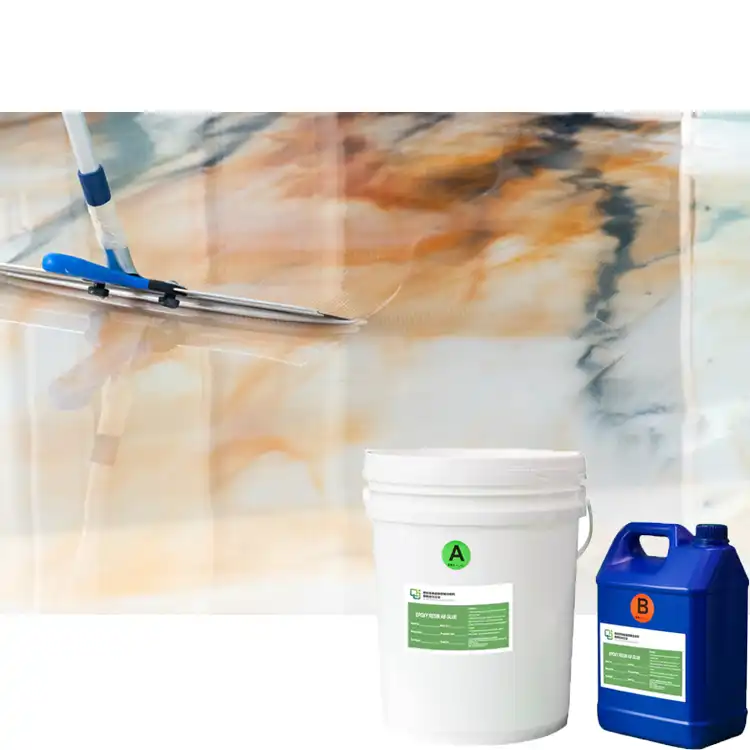
Careful lamination methods set this insulation material apart from regular epoxy goods during the manufacturing process. Woven glass cloth is fully saturated with a specially made epoxy glue. This is followed by a controlled curing cycle at high temperatures and pressures. This method makes sure that all the polymers are fully incorporated, which results in a hard laminate structure that is more stable and cohesive mechanically and electrically than phenolic paper laminates or basic fiberglass sheets.
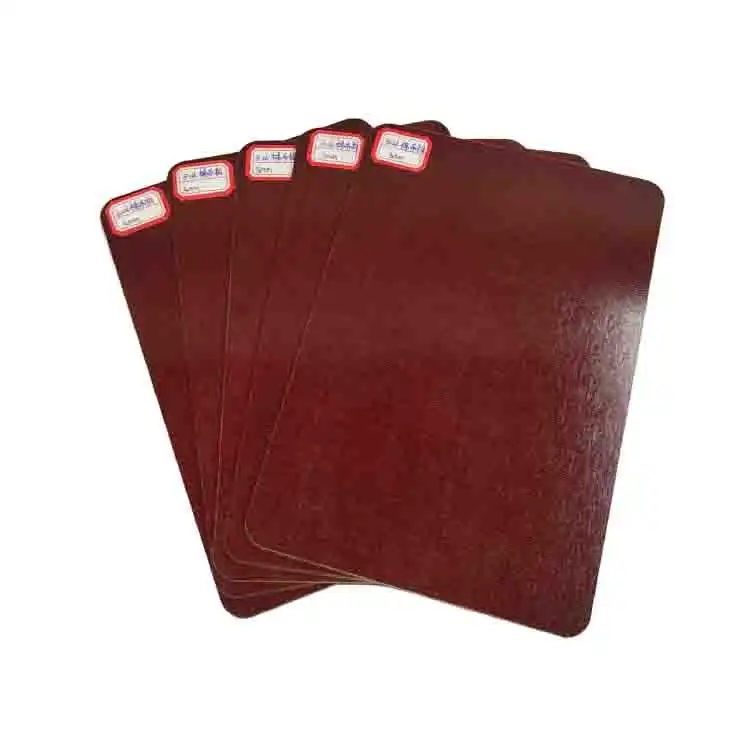
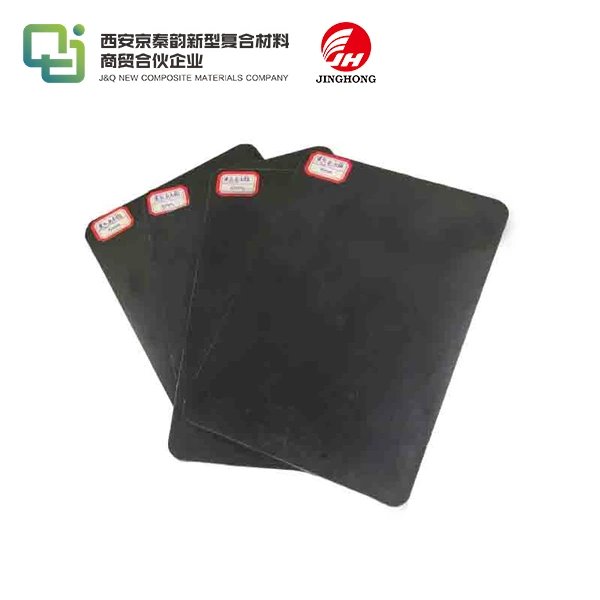
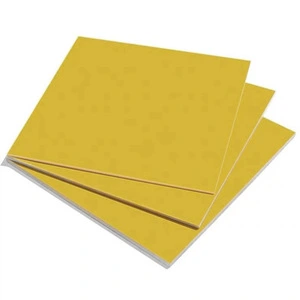
According to GB/T 1303.1-1998 standards, which are the same as IEC 60893-3-2 standards, the material is a shielding material in the Class B to Class F range. Thicknesses range from 0.5mm to 150mm to meet the needs of a wide range of applications. Colors like yellow, red, green, and black make it easier to find parts during upkeep and assembly tasks.
Technical Specifications That Matter
Engineering managers judge insulation materials by how well they work in ways that can be measured. The dielectric strength is higher than the industry minimum, so the voltage doesn't drop even in wet places like outdoor substations and sites near the coast. Volume resistance stays the same even when temperatures change, so electrical performance stays the same over the life of an item.
Its mechanical qualities include a high tensile strength that keeps it from stretching or tearing when put under mechanical stress, as well as a torsional strength that keeps it from breaking when bent. Dimensional stability is important for uses that need to be very precise, because the sheets keep their shape even when they are exposed to changes in temperature and moisture. Chemical resistance to transformer oils, solvents, and industrial fluids makes things last longer in tough settings and oil-soaked transformers.
The surface quality meets strict manufacturing standards; it has a smooth finish that is free of bubbles, pits, and wrinkles, and the edges are cut neatly. There are also no cracks or delamination on the end faces. These quality controls make sure that parts can be machined on a CNC and are made precisely for unique component needs.
Why 3240 Epoxy Sheet Is Ideal for Power Equipment Applications
Electrical Insulation That Prevents Failures
One of the most expensive ways for power tools to break down is for the electricity to stop working. When the dielectric strength is high, it protects sensitive parts in transformers, circuit breakers, and motor units from voltage spikes and electrical arcing. The low dielectric constant reduces energy waste, making the system more efficient overall. This has an effect on the cost of running the system over thousands of hours.
Even when equipment gets hot during normal use, the resistivity numbers of 3240 epoxy sheet stay the same. This stability stops the slow breakdown that happens with less durable insulation materials, where thermal cycling can make tiny cracks and water routes that finally cause the material to fail completely. Power distribution companies value this dependability a lot because unplanned outages cost them more than just the money to fix. They also suffer from penalties and damage to their image.
Thermal Performance Under Real Conditions
Power equipment makes a lot of heat when it's working. Standard versions have a Class B temperature rating, which means they can work continuously at temperatures up to 130°C. Higher grades have a rating that goes up to 155°C. This thermal capacity works well in places like transformer windings, motor housings, and switchgear boxes where normal room temperatures and the heat from current flow mix.
Thermal conductivity helps move heat away from important parts, avoiding hot spots that speed up the aging of insulation. Unlike some plastics that soften or break at very high or very low temperatures, this material keeps its mechanical qualities throughout its stated temperature range. This consistency makes sure that parts that were made to exact measurements keep fitting and working even when the equipment is serviced.
Chemical and Environmental Durability
Transformer oils, hydraulic fluids, cleaning solvents, and airborne particles can get into insulating materials in industrial settings. In the presence of chemicals, the epoxy resin structure resists them very well, keeping the material from growing, softening, or breaking down. In oil-filled transformers, where the insulation stays underwater for decades, and in outdoor sites, where rain, humidity, and industrial pollutants make conditions harsh, this resistance is very important.
Moisture resistance deals with another common reason why things break. Even though no insulation material is fully waterproof, the structure of the glass-epoxy combination makes it less likely for water to get through than paper-based laminates or porous phenolic materials. Less moisture absorption keeps the dielectric strength and stops the corrosion of metal parts next to it, which can be a problem in seaside sites and humid areas.
Comparing 3240 Epoxy Sheet with Alternative Materials
Performance Against G10 and FR4 Laminates
In electrical uses, G10 and FR4 types do similar things but are made to meet different needs. FR4 has flame retardants based on bromine that make it more resistant to fire. This makes it the best choice for printed circuit boards where a failed component could start a fire. But compared to regular glass-epoxy laminates, the flame retardant chemicals make the tensile strength a little lower.
G10 has similar electrical qualities to FR4, but it usually costs less because it is made in an easier way. For low to medium voltage uses and electrical systems, both materials work well. When it comes to high-voltage power equipment, epoxy phenolic formulas are better because they have higher dielectric strength and thermal stability, which means they offer more safety gaps. Transformer and switchgear makers always use this material for parts with a rating above 1kV, because the problems that could happen if the insulation fails are bad enough to support the extra performance.
How It Stacks Up Against Phenolic and Mica
In low-stress situations, phenolic cotton fabric laminates are a cheap way to insulate that has good electrical qualities. They are easy to work with and cost a lot less than glass-epoxy alloys. The trade-off is less mechanical strength, lower temperature values, and less ability to fight water. When it's hot, phenolic materials soak up water more easily, which changes their size and makes them less electrically efficient.
Mica goods have great thermal protection and can work at temperatures higher than 3240 epoxy sheet materials. Because of this benefit, mica is very important in high-temperature uses like parts for industrial furnaces. However, mica sheets are flimsy, which makes them harder to machine and more likely to break when being handled or installed. Because mica is more expensive, it can only be used in situations where the ability to withstand high temperatures is worth the extra cost and difficulty of handling.
Because their qualities are balanced, epoxy glass laminates are the most common type of material used in medium to high voltage power tools. They can withstand enough heat for most power system uses and are stronger, easier to work with, and less likely to absorb water than phenolic options. Plus, they are cheaper than special high-temperature materials like mica or Kevlar composites.
Procurement Guide for 3240 Epoxy Sheet: What B2B Buyers Need to Know
Selecting Qualified Suppliers
Reliability in the supply chain starts with checking out possible providers against clear criteria. Experience in manufacturing is important. Suppliers that have been in business for at least 20 years usually have stable quality systems and know how to meet the specific needs of power equipment uses. Certifications are concrete proof of quality management. For example, ISO 9001 certification shows that the process is controlled in a planned way, and UL recognition shows that the product meets electrical safety standards.
Lead times and market freedom are affected by how much a company can make. Distributors who rely on third-party production are less able to handle special sizes and urgent orders than suppliers who have their own lamination presses and can do their own machining. Professional sellers are different from commodity vendors because they can offer technical help. When engineering teams know what an application needs, they can suggest the right grades, make design improvements, and fix installation problems, which adds value that goes beyond the sale of the material.
Understanding Pricing and Order Parameters
Material prices depend on the quality of the raw materials, how hard the production is, and the specifics of the order. Standard sheet sizes and thicknesses tend to be cheaper because they are easier to make. Custom measurements, on the other hand, need to be made in smaller batches, which raises the cost per unit. Volume discounts are given for bigger sales, but the minimum order amounts depend on the seller and the product.
Lead times depend on how quickly materials can be sourced and how production is planned. Standard items can usually be shipped within days from a warehouse, but special fabrications may need a few weeks to be made and tested for quality. These dates should be included in project schedules by procurement managers, especially when working with targets for putting together tools.
Total landing costs are affected by how payments are made and how the goods are shipped. Suppliers who already have foreign shipping networks set up can combine orders and find the best routes for freight, which lowers the cost of shipping. Those who handle their own transportation can track shipments more efficiently and quickly fix problems that come up when packages need special attention or are held up at customs.
Advantages of Choosing 3240 Epoxy Sheet for Power Equipment
Equipment Reliability and Maintenance Reduction
Experience from power distribution networks in the field shows that equipment is more reliable when it uses good shielding materials. Utilities say that transformers and switches with glass-epoxy insulation parts last longer between repair visits and fail less often. These improvements in reliability lead to real practical benefits, such as fewer calls for emergency repairs, less need for spare parts, and higher customer happiness scores.
This edge in dependability comes from the long mechanical life of 3240 epoxy sheet. Even though there is vibration, thermal cycles, mechanical stress from busbar movements, and electromagnetic forces during fault situations, the structural stability of the components stays the same. Dimensional stability makes sure that precisely made parts stay in the right place and with the right gaps throughout their entire service life. This keeps them from breaking down slowly like softer materials do over time.
Lifecycle Cost Efficiency
The initial cost of materials is only one part of the total costs of ownership. Failures of equipment have costs that are much higher than the cost of replacement parts. These costs include labor for emergency fixes, lost income during downtime, fines for service interruptions, and the possibility of being sued for safety issues. Even though they cost more per unit, materials that stop these problems give a big return on investment.
Longer work lives mean that things don't need to be replaced as often, which saves money on materials and labor costs in the long run. Because properly defined parts are durable in terms of electrical, thermal, and mechanical wear, they often last longer than the equipment they protect. This means that insulation doesn't have to be replaced in the middle of its useful life, which would interrupt operations and cause long power outages.
Compliance and Quality Assurance
International safety standards guide how power equipment is designed and made. Before equipment can be approved by regulators to be installed, its parts must meet certain electrical, temperature, and fire safety standards. Materials that are recognized by UL and compliant with ROHS make the approval process easier. This speeds up the time it takes for new equipment designs to reach the market and makes sure they are accepted by utilities and industrial facilities that have strict buying requirements.
Quality marks give people in charge of buying things faith that the materials they buy will do what they're supposed to do. Certified quality management systems that suppliers use include inbound checking, process controls, and final testing, all of which find problems before they are shipped. This source quality assurance lowers the number of rejects, keeps production from being interrupted by bad materials, and protects the image of equipment makers' brands.
Conclusion
Picking the right insulation material has a direct effect on how reliable power equipment is, how much it costs to maintain, and how safe it is to use. The 3240 epoxy sheet has the right electrical, thermal, and mechanical qualities for use in power systems. It also performs better than other materials in terms of performance, longevity, and cost-effectiveness. It has a history of reliable performance in transformers, switchgear, and high-voltage systems, and it is easy to get from reputable sources. This makes it the best choice for engineering managers and buying teams that want to make sure their equipment works well for a long time. The fact that the material meets worldwide standards and can be used with current manufacturing methods makes it even more of the standard insulation option in the industry.
FAQ
What are the primary applications of 3240 epoxy sheet in power systems?
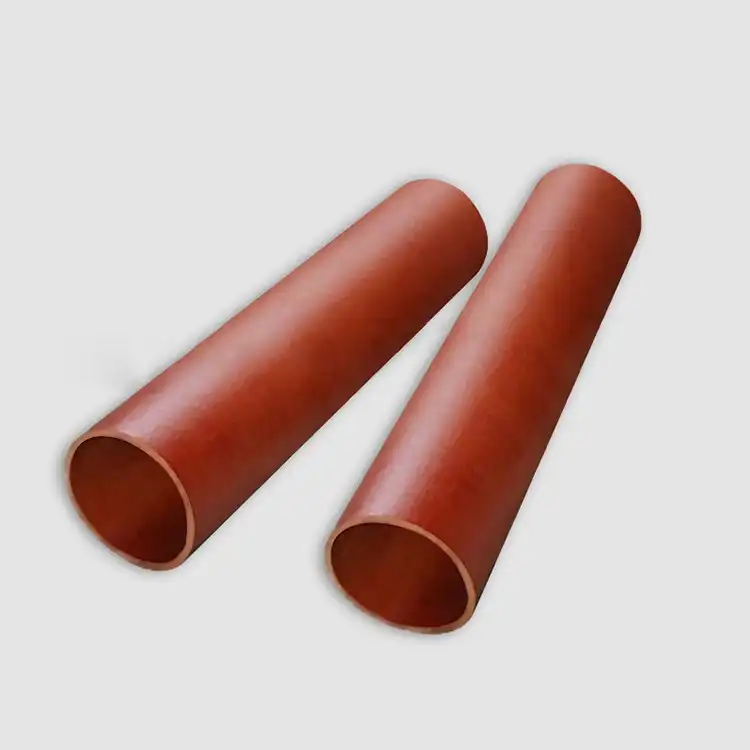
This stuff is used in transformers to separate layers, insulate coils, and make arc shields that keep windings safe from electrical problems. It is used in bus supports, phase barriers, and mounting panels in switchgear systems where both electrical separation and mechanical strength are needed. It is required by motor makers for slot wedges, phase insulation, and structural parts that are subject to electromagnetic forces. It is used in circuit breaker designs for arc chutes and contact supports that need to be able to handle both electrical stress and mechanical pressure. The material's balanced property structure makes it useful in a wide range of situations.
Can 3240 epoxy sheet be customized to specific dimensions?
Reliable providers keep the ability to machine parts into any form, size, or pattern of holes that matches customer drawings and technical requirements. CNC machines make parts with very tight specs that can be used in precise structures. Custom fabrication usually has longer lead times than normal sheet delivery, but they are still manageable for most projects as long as orders are made with enough time to plan.
Partner with J&Q for Reliable 3240 Epoxy Sheet Supply
J&Q helps companies that make electrical equipment, power services, and industrial tools because they have more than twenty years of experience making things and ten years of experience trading with other countries. We can make sure that the quality of our work is always the same and that we always meet our release dates, which keeps your projects on track. We have been making 3240 epoxy sheet for a long time and keep a large stock of standard sizes and thicknesses. We also offer custom manufacturing services for unique needs.
Together with your expert staff, our engineering support team suggests the best material grades and sizes for each application, backed up by full datasheets and sample availability. You can email us at info@jhd-material.com to talk about your insulation needs, get detailed specs, or get a quote that is based on your volume and shipping needs. We take care of everything, from choosing the materials to delivering them. Our own transport network makes sure that your materials get to you on time and ready to be used.
References
International Electrotechnical Commission, "Specification for Industrial Rigid Laminated Sheets Based on Thermosetting Resins for Electrical Purposes," IEC 60893-3-2, 2003.
Zhang, M. and Liu, H., "Performance Evaluation of Epoxy-Glass Laminates in High-Voltage Transformer Applications," Journal of Electrical Insulation Engineering, vol. 34, no. 2, 2019, pp. 145-158.
National Electrical Manufacturers Association, "Industrial Laminated Thermosetting Products," NEMA LI 1-1998 Standard, Rosslyn, 1998.
Chen, W., "Comparative Analysis of Insulation Materials for Power Distribution Equipment," IEEE Transactions on Dielectrics and Electrical Insulation, vol. 26, no. 4, 2019, pp. 1205-1213.
Thompson, R.J., "Material Selection for Electrical Insulation: Engineering Properties and Application Guidelines," McGraw-Hill Professional Engineering Series, New York, 2017.
Anderson, P.K. and Wilson, D.S., "Thermal Aging Effects on Glass-Reinforced Epoxy Laminates in Transformer Service," IEEE Electrical Insulation Magazine, vol. 35, no. 3, 2019, pp. 22-31.