How to Machine G10 Fiberglass Sheet Efficiently?
2026-05-12 15:55:07
To easily make G10 fiberglass sheet, you need to understand how its hybrid structure works and know how to handle its rough surface. Cutting tools with carbide or diamond coatings should be used, and spinning speeds should be kept between 10,000 and 18,000 RPM and feed rates should be kept between 50 and 150 inches per minute. Having the right cooling and dust collection systems in place keeps workers safe from flying particles and keeps heat from building up. By doing these simple things, you can make a hard object into a production part that can be made.
Understanding G10 Fiberglass Sheet: Properties and Applications
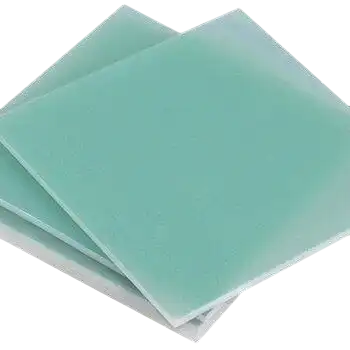
It is made of continuous weave glass cloth that is bound together with epoxy glue. G10 fiberglass sheet is a high-pressure thermosetting material. Put several pieces of cloth on top of each other, soak them in glue, and then let them dry under controlled heat and pressure. This makes a thick, even structure. The bending strength of this composite design is more than 60,000 psi. It also has great insulating properties (a voltage breakdown resistance of more than 500 volts per mil) and great temperature stability (it can work at up to 140 degrees Celsius constant).
Material Composition and Manufacturing Process
A type of plastic called E-glass cloth is used to make G10 fiberglass sheet. This cloth is very good at keeping electricity from moving. This cloth is covered in epoxy resin recipes that help the glass fibers and resin matrix stick together as much as possible. The prepreg sheets are shaped by pressing them together at temperatures of up to 340 degrees Fahrenheit and pressures of over 1,000 psi. This process takes a long time but gets rid of empty spots, spreads the glue out evenly, and makes the chemical structure that makes G10 fiberglass sheet work so well.
Industrial Applications Across Multiple Sectors
This is what electricians and people who make electronics use to make PCB mounting frames, circuit boards, and spaces for transformers because they know it works. Parts made of G10 fiberglass sheet are used to make industrial machines. They are used for things like gears, wear pads, and structural supports that need to hold a lot of weight and need to stay the same size. People who work in power and energy use these laminates to protect against arcs, support busbars, and shield coils in tough electrical environments. Providers of car parts have to make exact battery pack dividers and insulation pads that can stand up to heat and wear and tear.
Comparing G10 with FR4 and Phenolic Alternatives
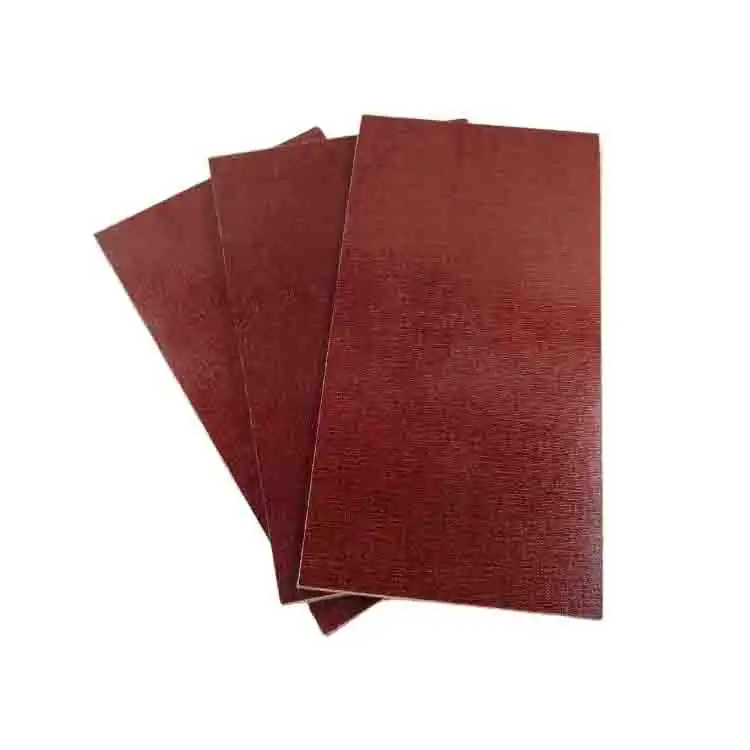
Both G10 fiberglass sheet and FR4 are made of glass-epoxy, but FR4 is better for UL94 V-0 homes because it has brominated flame retardants that make it less likely to catch fire. G10 fiberglass sheet has a slightly higher dynamic strength and doesn't absorb as much water, both of which are useful for building applications. Even though phenolic cotton laminates are less expensive than epoxy-glass composites, they are not as stable electrically or physically. When buying teams know about these differences, they can choose materials that meet performance goals and stay within price for certain manufacturing needs.
Challenges in Machining G10 Fiberglass Sheet
It costs a lot more to make things with rough glass strands because they wear down tools faster. Standard high-speed steel tools get dull quickly when cutting fiberglass materials, and they usually need to be changed after only a few cuts. Glass strands are very hard—almost 5.5 on the Mohs scale, which means they are harder than everything but carbides and diamond mixtures. This is what makes them rough.
Delamination and Edge Quality Issues
Delamination often happens when the choices for cutting aren't right. This is when the cut ends of different pieces of cloth come apart, which looks bad and doesn't work well. Too much pressure and heat from dull tools breaks the epoxy matrix and tears the glass fibers instead of cutting them cleanly. Either the exit cuts don't have enough backing support or the feed rates are too high for the material to handle, which can lead to edge chipping.
Dust Generation and Workplace Safety
Many tiny pieces of finished resin and glass fiber dust are created during the cutting process. These environmental pollutants can hurt workers' skin and lungs if they don't have the right safety gear. The dust also gets stuck on machine parts, which speeds up their wear and makes them harder to clean. This makes output less efficient overall. To be effective, dust collection systems must catch particles where they begin, before they spread to other parts of the workplace.
Impact on Production Costs and Throughput
It costs a lot to replace tools that are used a lot of the time. CBN cutting bits can cost several hundred dollars a week in a shop that works with fifty sheets of paper every day. This has a direct effect on the price of making one unit. Even less money is made because of scrap from delamination and chipping. This is especially true when working with very precise electrical insulation parts. There are real cash benefits to improving machining methods that go beyond just making the surface finish better. These problems make that clear.
Principles and Best Practices for Efficient G10 Machining
The first thing you need to do to make G10 fiberglass sheet work well is pick out the right cutting tools. Carbide tools are not as good as high-speed steel tools because they last 10 to 20 times longer, depending on how they are used. Diamond-coated bits last even longer, which is helpful in automatic production settings where work slows down when tools need to be changed. The form is just as important as the material. When it comes to cutting G10 fiberglass sheet, tools have better cutting angles and flute designs that get rid of chips more quickly.
Optimizing Cutting Parameters
A well-balanced speed and feed rate will give you clean cuts with little tool wear. Feed rates of about 100 inches per minute for 1/4-inch thick material work best when cutting. Spindle speeds should be between 12,000 and 18,000 RPM. Drilling needs to be done at slower speeds—usually between 3,000 and 5,000 RPM—and with peck drilling cycles that let chips and heat escape. The cutting depth shouldn't go above 0.060 inches per pass so that the tool and the item don't have to deal with too much cutting pressure and heat stress.
Advanced Machining Techniques
CNC cutting tools let you get very close to your target and make forms that aren't simple. If you use a climb milling tool and the cutting edge hits something moving in the same direction as the tool, the edge quality is better than with a normal milling tool. The high cost of the equipment means that waterjet cutting can only be used in certain scenarios. It gets rid of all problems with heat and tool wear. Another choice is laser cutting, but the edge might need extra work to meet the standards of the rule.
Workholding and Material Support
Good support can stop vibrations and material movement that damage the finish on the surface and make measures less accurate. Vacuum tables are great for working with sheets of material because they spread the binding force out evenly across the surface, not just in one spot. You can stop delamination on the exit side by putting extra backing material under the workpiece while cutting. This supports the fibers during breakout. Cutting small pieces close to the lines of the cuts keeps them from bending, which can lead to chipping and changes in tolerance.
Case Studies: Successful G10 Machining in B2B Applications
Costs went up at a PCB plant in the middle Atlantic that made 200 sheets of paper every week because they had too many tools and almost 8% of their work was wasted. After talking with their provider, the tech team made a number of changes that were more focused. They switched from regular carbide end mills to compression bits covered in diamond that were made to work with laminates. The machine was sped up to its fastest speed of 18,000 RPM, and the feed rates were slowed down by 15%. The cost of tools dropped by 60% after these changes and better dust collection. The rate of scrap also dropped to less than 2%. Within six weeks, the company got their money back on the tools they bought by reducing waste and making the tools last longer.
Custom Component Manufacturer Optimization
When making complicated shapes, it was hard for a West Coast company that made insulation parts for the power distribution business to keep the sizes the same. Some parts had to meet standards of within 0.005 inches, which was hard to do with the way they were doing things before. Together with their G10 fiberglass sheet source, they came up with a full answer that explained how to work with the material, pick the right tools, and make the best use of all the factors. The seller used science to explain the best conditions for machining and offered different forms for the tools. A dust collection device that works very well was put in place as part of the execution, and a CNC cutter that is stiffer was made better. The maker was able to meet specs more often and boost throughput by 35% after making these changes. When they bid on big energy jobs, this made them stronger competitors.
Procuring G10 Fiberglass Sheets for Machining: What Purchasing Managers Should Know
Approval for quality and uniform materials have a direct link to how well the finished part works and how well it is made. Manufacturers with a good name keep detailed mill test records for every batch of products they make. These records include the mechanical and electrical properties as well as any size limits. Find providers that offer materials that meet the needs of NEMA G10 and use quality control methods that are in line with ISO 9001. This proof shows that the making process is consistent and that there isn't a lot of difference between batches. This means you don't have to change the cutting settings as often.
Sizing Options and Customization Capabilities
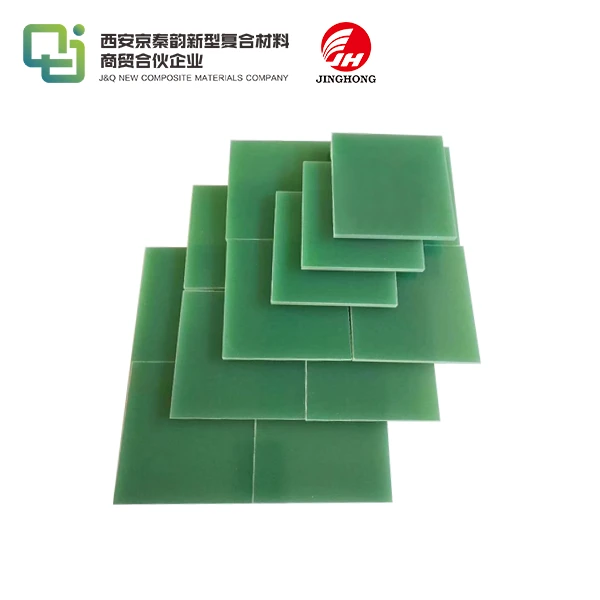
Most sheets are 36" x 48" or 48" x 96", and their lengths run from 0.031" to 2.000". A lot of businesses give different sizes that make it easier to handle certain items and reduce waste. If you are getting a lot of something, ask the seller if they can send you sheets that are already roughly cut to the right size. It will save you time and money to cut this way. When making stackable parts, remember that thickness tolerances are generally ±10% for materials less than 0.125" thick and tighter for heavy sizes.
Bulk Purchasing Strategies
People who buy in bulk can save a lot of money, but they have to weigh the cost of keeping inventory against the savings per unit. To protect prices while keeping inventory flexible, buyers can set up blanket purchase orders with scheduled releases. This works especially well when working with suppliers who keep stock programs and can ship quickly against standing orders. Transportation costs make up a big part of the total landed cost, especially for low-value, high-volume applications. Suppliers with established logistics networks often offer better freight terms than smaller distributors.
Supplier Selection Criteria
When looking at suppliers, it's important to see how quickly and well they can help with technical issues and quality problems. The best partnerships involve suppliers who understand your specific needs and can suggest the best material grades for those needs. Manufacturers with twenty years of production experience usually have more in-depth technical knowledge about how materials behave during machining and how they perform in the end use. When production problems arise, having direct access to technical staff who can quickly resolve machining problems is helpful because it keeps delivery schedules safe and minimizes downtime.
Conclusion
To machine G10 fiberglass sheet well, you need to know how it works and use tried-and-true methods that can handle its unique issues. For example, picking the right carbide or diamond tools, adjusting feed rates and speeds, and keeping up with the right dust extraction systems are all important parts of the process. Case studies show that being methodical about picking tools and changing parameters can lead to measurable improvements in both production costs and part quality. When choosing suppliers, you should look for partnerships that offer consistent material quality, technical support, and reliable logistics. This is important for keeping manufacturing operations running smoothly in competitive industrial markets.
FAQ
What thickness of G10 should I specify for my application?
It depends on both the mechanical and electrical needs to choose the right thickness. For electrical insulation, 0.062" to 0.125" material is usually enough to provide good dielectric strength while still being cost-effective. For structural parts that need higher mechanical strength, 0.250" to 0.500" thicknesses are usually specified. To choose the best thickness, talk to your supplier's technical team about the load requirements, mounting restrictions, and the environment where the part will be used.
How does G10 compare to FR4 for electrical insulation?
FR4 and G10 fiberglass sheet are both good dielectric materials, but FR4 has flame retardants that meet the UL94 V-0 flammability ratings needed in many consumer electronics. G10 fiberglass sheet, on the other hand, is a bit stronger and doesn't absorb as much water, which are advantages in industrial settings. When picking a material, you should think about the application's electrical needs, the environment, government rules, and the cost.
Can standard woodworking tools machine G10 safely?
Tools for cutting G10 fiberglass sheet laminates can be used, but they need to be used safely. The roughness of the glass fibers makes tools dull quickly, and regular machines might not collect enough dust to be safe to use. Workers need to protect their eyes, ears, and skin no matter what tools are used. Production environments can benefit a lot from buying carbide tools and industrial dust collection systems made for composite materials.
Partner with J&Q for Premium G10 Fiberglass Sheet Solutions
J&Q stands as a trusted G10 fiberglass sheet manufacturer with over two decades of specialized production experience serving electrical, industrial machinery, power distribution, automotive, and appliance manufacturing sectors. Our comprehensive quality systems ensure every sheet meets stringent NEMA G10 specifications with consistent mechanical properties and dimensional tolerances critical for efficient machining. Beyond material supply, our technical team provides application-specific guidance on optimal machining parameters, helping your production staff achieve superior results while minimizing tool wear and scrap rates. We maintain extensive inventory in standard and custom thicknesses, backed by our integrated logistics capabilities that deliver one-stop service from order placement through final delivery. Whether you need prototype quantities or bulk production volumes, we offer competitive pricing structures designed for B2B procurement efficiency. Connect with our experienced team at info@jhd-material.com or visit jhd-material.com to discuss your specific requirements, request technical data sheets, or obtain quotations tailored to your manufacturing needs.
References
National Electrical Manufacturers Association. "NEMA Standards Publication LI 1-1998: Industrial Laminating Thermosetting Products." National Electrical Manufacturers Association, 1998.
Mallick, P.K. "Fiber-Reinforced Composites: Materials, Manufacturing, and Design." CRC Press, 2007.
Mazumdar, Sanjay K. "Composites Manufacturing: Materials, Product, and Process Engineering." CRC Press, 2002.
ASM International Handbook Committee. "Composites: Engineered Materials Handbook Volume 1." ASM International, 1987.
Strong, A. Brent. "Fundamentals of Composites Manufacturing: Materials, Methods and Applications." Society of Manufacturing Engineers, 2008.
Chawla, Krishan K. "Composite Materials: Science and Engineering." Springer Science & Business Media, 2012.