Why Certificates of Conformance (CoC) are Crucial for Aerospace FR4 Sheet
2026-06-29 17:24:59
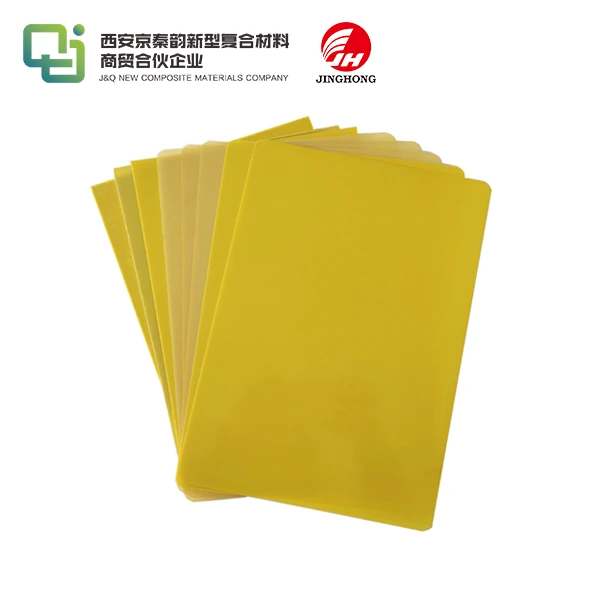
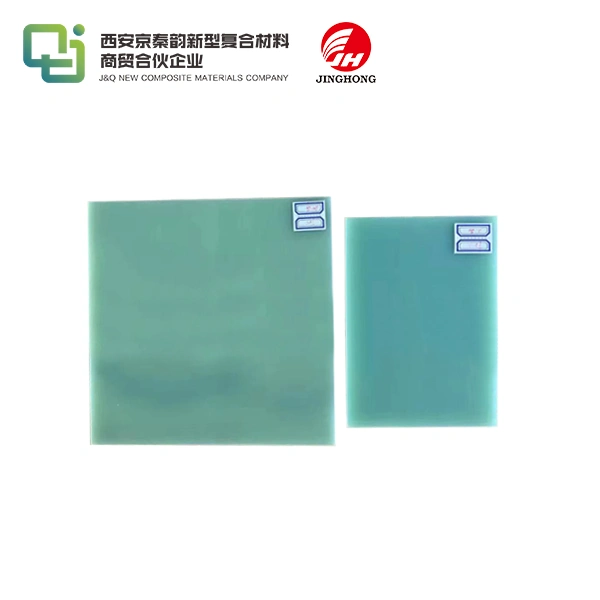
One question that always comes up when buying teams look for FR4 sheet materials for aircraft uses is how they can be sure that every batch meets the strict safety and performance standards? That important guarantee is given by Certificates of Conformity. These papers show that epoxy glass laminates meet aerospace-grade standards and can be tracked from the makeup of the raw materials to the final tests. Without the right CoC paperwork, procurement managers run a higher risk of materials failing, projects taking longer than planned, and not following the rules, all of which can hurt safety and profits in aircraft manufacturing settings.
Understanding Certificates of Conformance (CoC) for Aerospace FR4 Sheets
What CoCs Actually Certify
A Certificate of Conformance is an important document for manufacturing because it proves that a product meets certain standards and technical requirements. With these papers, you can be sure that every batch of glass-epoxy laminate material has been through strict tests and meets performance standards. CoCs are more than just shipping papers; they have thorough technical information that procurement teams can use to compare with project requirements.
Critical Information Contained in Aerospace-Grade CoCs
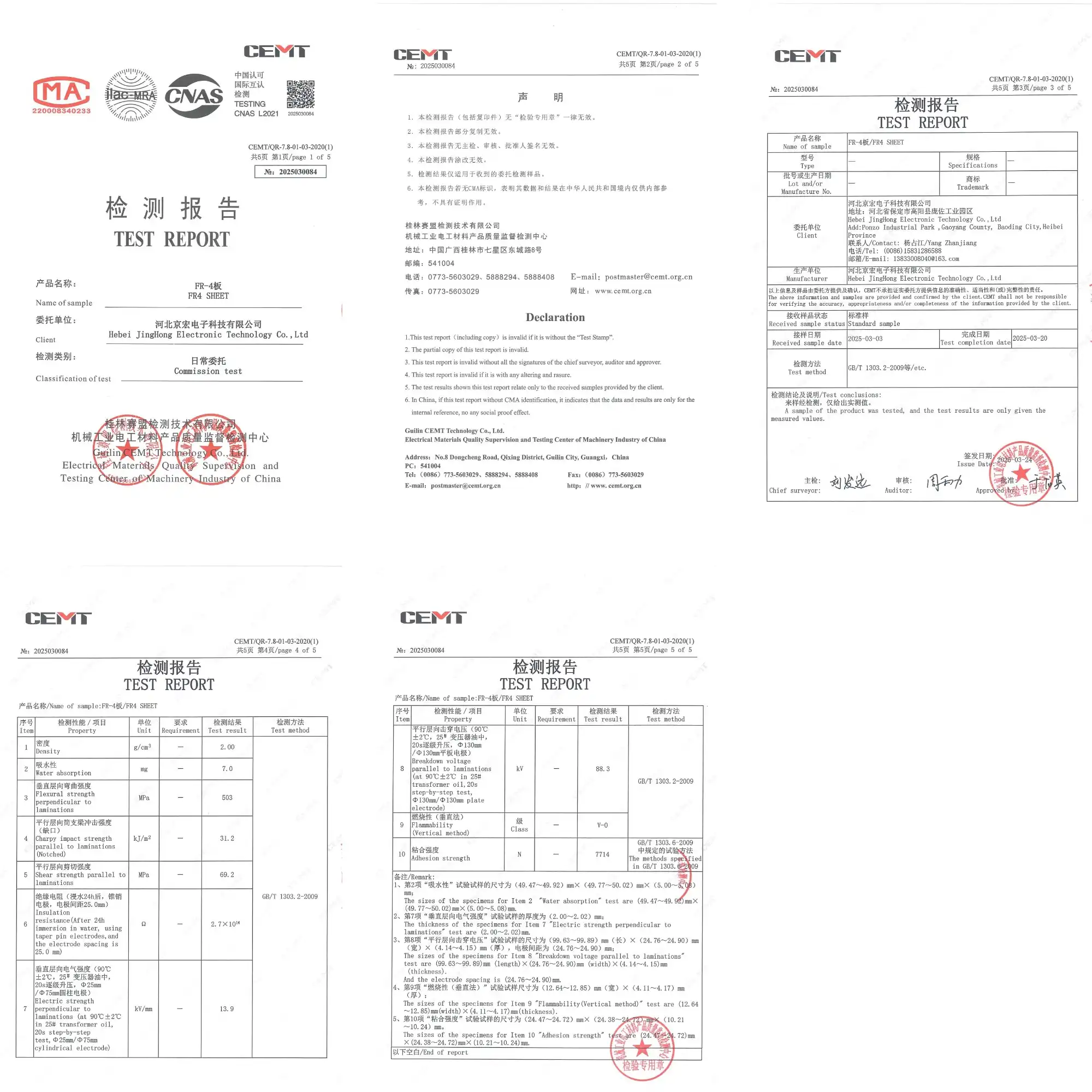
CoCs make sure that strict material rules like IPC-4101 specifications and ASTM D709 standards are followed when they check the electrical and mechanical qualities of aircraft FR4 sheets. The paperwork has a lot of information in it, like the amounts of different materials, the numbers that can be used to track batches, the results of mechanical strength tests, data on thermal performance, scores for flame resistance, and the state of the certification. With this knowledge, engineering teams can make sure that the dielectric constant values, glass transition temperatures, and physical tolerances are exactly what the design calls for. We make sure that every package comes with full CoC paperwork that shows where the materials came from, from the resin formulation to the final lamination processes. This gives aircraft projects the openness they need.
How CoCs Function as Quality Control Tools
In the aircraft supply chain, these badges help with quality control and following the rules by being clear and visible. They make written lines of proof that auditors and quality assurance teams can look over during the certification process. Comprehensive CoC paperwork shows that aerospace makers did their research when they were sourcing materials during AS9100 audits or customer quality reviews. Because these documents make it possible to track materials, problems with them can be quickly found in the field. This means that problems can be fixed specifically instead of having to be recalled all at once.
Why CoCs Are Essential for FR4 Sheets in Aerospace Applications
Verifying Critical Performance Parameters
CoCs for FR4 sheet are essential for making sure that glass-epoxy laminates always meet important criteria like stable dielectric constants, thermal conductivity ranges, and mechanical toughness under vibration—all of which are important for safety and performance in flight. Even when they are wet, standard epoxy sheets keep their dielectric strength above 500 M©, but only approved materials can prove these qualities in writing. CoCs make sure that the performance of materials stays stable over a wide temperature range, from -55°C to +130°C, where aerospace parts are used. If procurement teams don't have approval, they can't safely choose materials for places where electrical breakdown or delamination would cause catastrophic system failures.
Mitigating Supply Chain Risks
The certificates reduce the risks that come with fake or low-quality materials by giving genuine source approval and proof that the documents can be tracked. Fake laminates that don't have the right flame-retardant chemicals may look exactly like real UL94 V-0 materials, but they will fail when exposed to heat. CoCs prove that flame retardants based on bromine meet the required concentration levels and that materials self-extinguish within ten seconds of being exposed to a vertical burn. This verification is especially important when getting materials through marketing methods, where the origin of the materials might not be clear otherwise. Our combined supply chain management and specialized logistics services make sure that certification paperwork travels with materials during delivery, protecting the integrity of the chain of custody.
Building Supplier Accountability
CoCs do more than just check for technical errors. They also build trust and responsibility between suppliers and buyers, which are very important in business-to-business aerospace buying, where a failed material can have very bad results. When sellers give full approval, it means they are legally responsible for the quality of the materials. This sense of responsibility drives uniform manufacturing practices and upkeep of the quality system. Procurement experts can use CoC requirements to help them find qualified suppliers. They can use certifications to set possible partners apart when they are evaluating them. Suppliers with strong quality management systems and clear certificates of conformity (CoC) show that their businesses are mature, which is linked to stable long-term performance.
The Procurement Manager's Checklist: How to Evaluate CoCs for Aerospace FR4 Sheets
Verifying Technical Specification Alignment
To make sure that products meet flight standards, procurement managers must carefully check that certificates of conformity are real and complete. The first step in the evaluation process is to make sure that the approval matches scientific requirements like thickness tolerances, heat protection ratings, and dielectric properties. Make sure that the stated glass transition temperatures meet or go beyond the project's needs. For normal grades, these temperatures should be 130°C or 170°C. Make sure that the mechanical strength numbers for both the warp and fill lines are at least as high as what is needed for the stress conditions in your application.
Assessing Supplier Credentials
Another important step is looking at the supplier's reputation and licenses. Check to see if production facilities have at least ISO 9001 quality control certification. For aerospace uses, AS9100 certification is even better. Check to see if providers do regular internal audits and take part in audit programs for customers. Check to see if the stated test methods are in line with industry standards like IPC-TM-650 test procedures. This will make sure that the measurement methods used are accurate and in line with best practices. Our factories have strict quality control systems that have helped us build relationships with foreign trading companies over the years. These systems give us the institutional knowledge that aerospace procurement needs.
Implementing Documentation Management Practices
Best practices for keeping track of FR4 sheet paperwork through digital records and batches allow for long-term quality control and clear communication in the supply chain. You should set up digital libraries where CoCs can access buy orders, inspection reports, and project files. Install batch tracking systems that link material lot numbers to specific parts. This will make it easy to find the source of a problem with quality. Make sure that quality system registrations are always up to date by reviewing seller certifications on a regular basis. With these writing practices, CoCs go from being static pieces of paper to being dynamic quality control tools that help with efforts to keep getting better.
Comparison of FR4 Sheet Procurement with and without CoCs in Aerospace Projects
Success Through Certification
Aerospace projects that use glass-epoxy laminates with confirmed COCs have very different results than those that don't have the right approval. Take the example of an avionics company that put in place strict CoC standards after circuit board panels started to delaminate due to heat. Through recorded thermal stress testing, the approved materials kept projects on schedule and avoided failures that would have cost a lot of money. Each batch had solder float test results that showed the laminates could withstand being exposed to 288°C for ten seconds without burning or coming apart. This check got rid of field failures that used to lead to warranty claims and damage to the company's image. Certified procurement gave the maker the confidence to stretch product warranties, which gave them an edge in their market area.
Risks of Uncertified Material Sourcing
On the other hand, aircraft projects that buy FR4 sheet without the right certifications face big problems like not getting the right materials, safety issues, and breaking the rules. One military contractor bought cheaper laminates that didn't have full CoCs, but when they got them, they found that the dielectric strength values weren't high enough to meet the requirements. The whole package had to be rejected, which slowed down production for three weeks and cost five times as much to speed up than the initial saves on materials. In addition to the immediate costs, the event led to quality alerts from customers and temporary removal of the provider, which hurt long-term business ties. These examples show that the cost savings that seem to come from using materials that aren't approved aren't really that low when the total risk exposure is properly calculated.
Economic Value Analysis
Even though certified products may cost more at first, they are worth it in the long run because they lower risk, are reliable, and require less work. According to economic research, approval costs are usually less than 2% of the value of the material. However, failure costs can be fifty times the value of the material investment. When you buy something certified, you don't have to go through as many inspections, production processes go faster, and engineers spend less time fixing quality problems. Over the course of a project's lifetime, these operating efficiencies add up to a return on investment that goes far beyond the cost of materials. Quality system upkeep and documentation management cost money, but they set providers who consistently offer value apart from those who only compete on price.
How Leading FR4 Suppliers Support Aerospace Procurement with Certified CoCs
Well-known companies are very important to the aircraft supply chain because they provide approved materials that meet strict quality and environmental standards. These providers use high-tech quality control systems that include statistical process control, automated testing tools, and full tracking systems. In line with the aircraft industry's goals for environmental duty, they put money into programs that reduce waste and make manufacturing more energy-efficient. In addition to basic compliance, top providers offer services that focus on the customer and make the buying process easier while also speeding up project timelines.
Custom-cut options get rid of the need for extra processing, which cuts down on wait times and waste. Sample order plans let engineering teams check how well a material works before committing to large amounts of production. Shipments come with all the necessary CoC paperwork, so there are no delays caused by missing papers. Our integrated logistics and one-stop service model make sure that supplies come exactly when production plans call for them. This teamwork works especially well for space projects with limited launch windows, where shortening the schedule is very useful. When suppliers know how aircraft contracts work and can offer flexible support services, they stop being transactional sellers and become strategic partners.
Conclusion
Certifications of Conformance for FR4 sheet are more than just paperwork; they are important tools for making sure the quality of aircraft projects and keeping them safe from material-related risks. These papers show that glass-epoxy laminates meet strict performance standards, which gives buying teams peace of mind when they're shopping. Comprehensive COCs are very helpful in aerospace supply lines where dependability is life-critical because they allow for tracking, responsibility, and openness. Material approval standards will only get stricter as aircraft uses continue to grow into new technologies like electric propulsion and self-driving systems. When procurement professionals set up strong CoC review processes today, they set up their companies for long-term success in aircraft markets that are becoming more demanding.
FAQ
What specific information should appear on aerospace-grade CoCs?
Full certificates have information about the materials used, the batch numbers that they came from, test results for mechanical properties like flexural strength, thermal performance data like glass transition temperature, electrical characteristics like dielectric constant, flame resistance ratings with test method references, and approvals from the certification body. In the paperwork, you should also list the testing lab and any relevant standards, like IPC-4101 specs.
What risks emerge when procuring uncertified materials?
Uncertified glass-epoxy laminates might have different glue formulations, flame retardants that don't work well, or differences in size that make it impossible to put the layers together. Without proof paperwork, materials might not be able to handle thermal cycling, their electrical properties might change without warning, or they might fail regulatory compliance checks. These flaws lead to legal risks, production delays, and possible safety issues, all of which have effects that are much worse than differences in material costs.
How should long-term contracts address certification requirements?
Set up wording in the contract that says every package must include a CoC and lists the minimum content of the certification and the accepted testing standards. Include rules for regular tests and checks of suppliers and materials. Set up ways to handle updates to certifications when manufacturing methods change or material formulas are changed. These contractual rights make sure that quality standards stay the same across flight projects that last more than one year.
Partner with J&Q for Certified FR4 Sheet Solutions
Every time J&Q buys something for the aerospace industry, they bring more than twenty years of experience in production and ten years of experience in foreign trade. Our strict quality control systems make sure that every package of glass-epoxy laminate comes with full CoC paperwork that can be used to track down the sources of the raw materials. As a well-known provider of FR4 sheets, we keep our certifications up to date to meet the needs of the aerospace industry. We can also make changes to meet the special needs of each project. Our combined transportation company offers a one-stop service that speeds up delivery times and makes the buying process easier.
We want military procurement managers to see what a difference approved materials and quick service can make. Email our technical team at info@jhd-material.com to talk about your particular needs, get samples of the material, or get full CoC documents for review. Our engineering support team can help you choose the right materials, make sure they work, and make sure that your quality system is integrated. You can look at our full selection of insulating materials at jhd-material.com and learn how smart supplier relationships can change the way you buy things.
References
National Electrical Manufacturers Association, "NEMA Standards Publication LI 1-1998: Industrial Laminating Thermosetting Products," National Electrical Manufacturers Association, Rosslyn, Virginia, 1998.
Institute for Interconnecting and Packaging Electronic Circuits, "IPC-4101E: Specification for Base Materials for Rigid and Multilayer Printed Boards," IPC, Bannockburn, Illinois, 2021.
ASTM International, "ASTM D709-17: Standard Specification for Laminated Thermosetting Materials," ASTM International, West Conshohocken, Pennsylvania, 2017.
Underwriters Laboratories, "UL 94: Standard for Safety of Flammability of Plastic Materials for Parts in Devices and Appliances," Underwriters Laboratories, Northbrook, Illinois, 2013.
SAE International, "AS9100D: Quality Management Systems - Requirements for Aviation, Space, and Defense Organizations," SAE International, Warrendale, Pennsylvania, 2016.
Coombs, Clyde F., "Printed Circuits Handbook," Seventh Edition, McGraw-Hill Education, New York, 2016, Chapter 8: Base Materials for High-Performance Printed Circuit Boards.