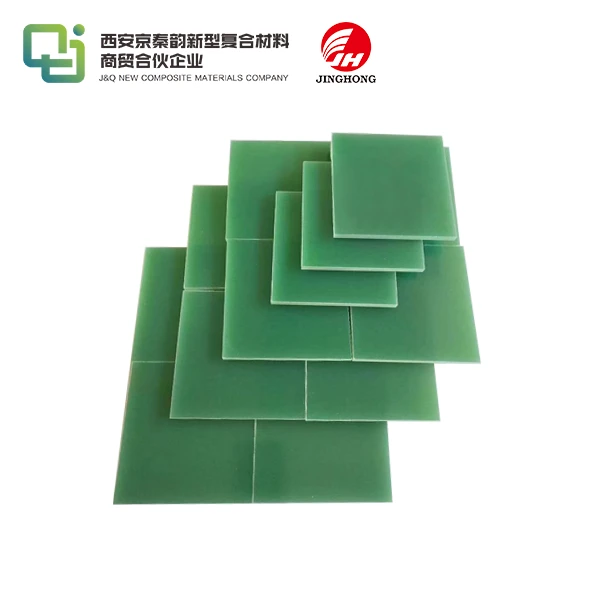
What Causes Carbon Tracking in Phenolic Paper Boards?
2026-06-29 17:23:34
Carbon tracking in phenolic paper board happens when conductive carbon paths form across the surface of the material, leaving behind dark lines that make the insulation less effective. Several linked factors cause this degradation: not enough resin was used during manufacturing, the material was exposed to high voltage and wetness, the curing process wasn't finished, and the surface was contaminated. When electrical stress and weather factors break down phenolic resin, carbonized paths appear. These let current leak and could cause catastrophic equipment failure. Knowing about these processes helps people who work in buying choose good products and put safety measures in place all along the supply chain.
Understanding Carbon Tracking in Phenolic Paper Boards
What Carbon Tracking Really Means
Carbon tracking is a way that layered insulation materials break down over time. The dark, twisting patterns on failed boards show us that the electricity is getting worse when we look at them in our lab. When the organic paper substrate carbonizes under long-term electrical stress, it makes this conductive route. This makes a lasting link between charged parts. This is a very important flaw that engineering managers at electrical manufacturing plants know about because it turns an insulator into a partial conductor.
Why Procurement Teams Should Care
The effects on companies that make gadgets and electrical goods go beyond just parts breaking down. A tracking event in the insulation of equipment or a transformer can lead to production delays, warranty claims, and safety reviews. We've worked with power distribution companies for 20 years and have seen that stopping carbon tracking saves a lot more money than fixing problems after they happen. When mechanical engineers look at materials for motor parts, they know that when shielding fails, the whole piece of equipment needs to be replaced instead of just being fixed.
Visual Indicators and Detection
Tracking on the surface starts out softly with some darkening and then moves on to clear carbonized lines. Technical buying teams should keep an eye out for brown or black tree-like patterns coming from high-voltage points when they do regular checks of factories. Carbon layers that are raised and rough on advanced levels feel different from the smooth laminate surface around them. According to ASTM D2303 and IEC 60112 guidelines, testing labs measure surface resistance and run high-voltage stress tests to figure out how much tracking resistance there is.
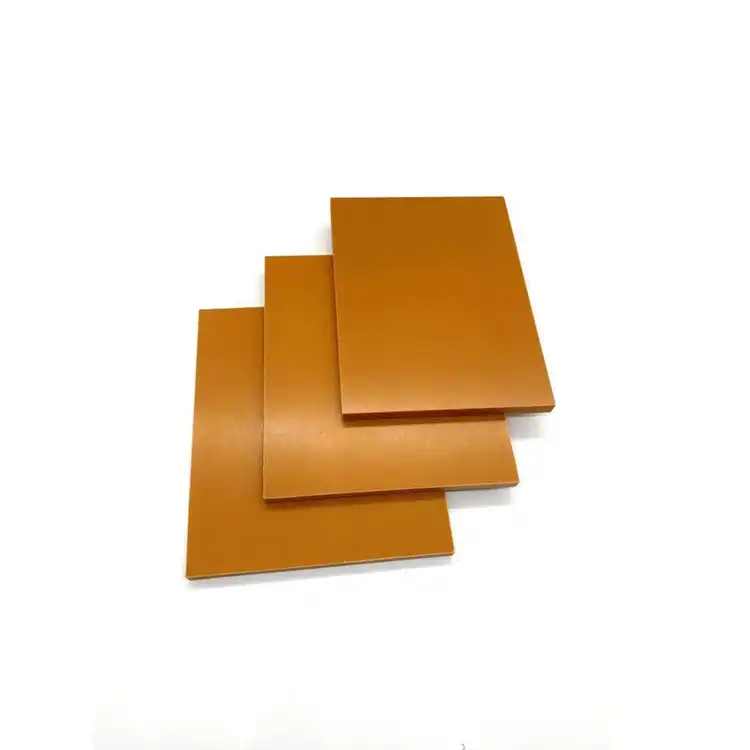
Root Causes of Carbon Tracking in Phenolic Paper Boards
Material Composition Factors
The amount of phenolic resin to paper is what makes tracking resistance work. Because they have less glue, NEMA Grade X boards are easier to work with but don't fight water as well as Grade XXX boards. When kraft paper layers aren't impregnated with enough glue during production, tiny holes remain where water can gather. Our quality control methods use gravimetric analysis to check the amount of glue in each batch, making sure that the quality is the same every time. Because of its chemical structure, phenolic resin has better tracking resistance than some thermoplastics. However, performance can vary from one manufacturer's version to the next.
Manufacturing Process Variables
Curing temperature and pressing pressure have a direct effect on the density of the board and the strength of the glue inside. If the glue isn't cured enough, it leaves behind parts that haven't react yet and break down more easily when electrical stress is applied. Our production center keeps temperatures under control and pressing pressures around 1000 psi. This is proven by constant monitoring. Thermal scanning makes sure that all of the polymers are fully incorporated into each layer. When several sheets of kraft paper stick together, even pressure stops delamination at the points where tracking starts most often. Statistical process control is used by good producers to keep dimensional errors within ±0.05mm for precise uses.
Environmental Accelerators
The main external factor that leads to carbon tracking is absorbing moisture. If you don't keep phenolic paper boards properly, they will take moisture from the air, which greatly lowers their dielectric strength. When choosing board grades, electrical engineers who are making generator barriers take the humidity levels in the room into account. This problem is made worse by thermal cycling, which causes changes in temperature that push moisture deeper into the plastic structure. Metal dust, carbon particles, or chemical residues that are present in industrial settings act as conductive bridges that start tracking tracks when voltage stress is applied.
Comparing Phenolic Paper Board with Other Materials Regarding Carbon Tracking
Performance Against Traditional Materials
The difference in electrical performance is clear when procurement experts compare phenolic laminates to wood-based options. Plywood and MDF aren't good for electrical uses because they soak up water more easily and don't have controlled insulating qualities. Melamine boards have smooth surfaces, but they don't hold up as well against long-term voltage stress. When our customers switch from generic materials to certain phenolic types, they say that the insulation is much more reliable. The mixture of paper and phenolic gives the material balanced qualities, such as good mechanical strength and better electrical properties than materials that are only made of organic compounds.
Alternatives in Modern Applications
Fiberglass-reinforced epoxy laminates (FR-4) have better dynamic qualities and can withstand higher temperatures (Class F/H vs. Class E for phenolic). But companies that make parts for cars often choose phenolic paper boards for low-cost uses where the constant working temperature stays below 120°C. The advantage of being easy to work with becomes clear: phenolic paper boards punch smoothly without the edge delamination that happens a lot with glass-epoxy materials. This workability means that battery pack walls that need precise shapes can be made more quickly. Builders of industrial machines like how naturally lubricious phenolic paper board is in places where glass fibers would be rough.
Cost-Performance Balance
Ultimately, choices about procurement have to balance the need for success with the limitations of the budget. For many electrical uses, phenolic paper boards are the best option because they are much cheaper than FR-4 insulating materials but work better. Companies that distribute electricity look at the lifetime costs of arc barriers because they know that using high-quality materials lowers the number of times they need to be replaced. From working with transformer makers, we know that choosing the right materials can save you a lot of money in the long run by avoiding expensive repairs, lost production, and damage to your image.
Mitigating Carbon Tracking: Best Practices and Solutions
Manufacturing Quality Controls
Stopping carbon tracking starts with production. Our plant uses several steps to make sure the quality of its products: it checks the raw materials to make sure the kraft paper has a moisture content of less than 8%, tests each batch of glue to see how viscous and reactive it is, and keeps an eye on the process while it's laminating. Before boards go into inventory, automated visual screening finds surface flaws like pits, blisters, or resin hunger. Electrical tests on sample pieces from every production lot show that the dielectric breakdown voltage is higher than the minimum requirements. These settings make sure that the performance is always the same, which is what R&D engineers at car makers need for approval testing.
Application-Specific Selection
Many tracking problems can be avoided by matching the board grade to the working conditions. Places with a lot of humidity need NEMA XXX types that have the most resin and can withstand wetness. Manufacturers of switchgear that work near the coast mention these high-quality types to fight the salty air. Choosing the right thickness affects both mechanical strength and the length of an electrical path. In general, bigger boards are less likely to track, but in small areas, thermal dissipation becomes an issue. Customizing the size gets rid of the need for changes in the field that leave edges that haven't been covered open to contamination. Our tech support helps customers find their way around these standards by drawing on decades of experience with similar tasks.
Installation and Maintenance Protocols
Even good products fail if they are not put together correctly. Electrical engineers should make sure that boards stay clean while they are being put together, since handling oils can damage the insulation on the surface. When mounting something, it's important to avoid creating moisture traps where condensation can build up. When there is enough air, localized warmth that speeds up aging doesn't happen. Early danger signs are found through routine inspection processes. These include discoloration near high-voltage terminals, roughening of the surface, or strange smells that indicate thermal degradation. Replacing boards that show initial tracking stops the failure from getting worse. When home device makers use these procedures, the parts last a lot longer, which cuts down on warranty claims.
Procurement Considerations for Phenolic Paper Boards
Evaluating Supplier Capabilities
To choose a phenolic paper board provider, you need to look at more than just price lists. Getting certified by quality management systems like ISO 9001 shows that the process is mature. When a product goes into a controlled market, it needs to be UL recognized and ROHS compliant. Technical buying teams should ask for process capability data that shows electrical qualities and thickness limits that are always the same. Our company's production certifications cover a wide range of foreign standards, and they are backed up by ISO/IEC 17025-certified testing labs. When you visit a production site, you can see how it's run. Clean facilities with controlled humidity show that basic quality standards are being followed, which stops tracking-related errors.
Balancing Cost and Quality
Price changes between sellers are usually not due to random markups, but to differences in the quality of the resin, the grade of the paper, and the controls used in the process. The cheapest boards might be made with recyclable paper or less glue, which makes them less resistant to tracking. OEM sourcing managers at machine makers figure out the total cost of ownership, which includes the price of the machine plus the chance of failure and the cost of repairs. Spending less on standard grades for non-electrical parts and more on special grades for important uses saves money. Agreements to buy in bulk make sure that prices stay the same and that production spots are given first during times of high demand.
Custom Specifications and Lead Times
Sizes or qualities that aren't normal are often needed in industrial settings. With CNC cutting, we can turn stock sheets into precise parts like gear blanks, test fittings, or complicated insulation profiles. Custom width choices can be made to fit specific engineering needs. For large orders, specialized production runs make sure that each batch is the same, which is very important for automatic assembly processes. Lead times depend on how customized the product is. Standard sizes ship within days, but unique recipes need weeks for the plastic to be prepared and cured. Because we handle our own logistics, we can make sure that shipping times work with our customers' production plans, which lowers the cost of keeping goods on hand.
Conclusion
Carbon tracking in phenolic paper boards happens because of complicated relationships between the type of material used, how precisely it is made, and the setting in which it is used. This risk is reduced by procurement workers who choose suppliers wisely, specify the right grade, and follow handling procedures. Comparing materials shows that phenolic paper boards are best used in places where electrical performance and cost-effectiveness are most important in electrical, industrial, and automobile settings. Understanding the causes—such as moisture absorption, thermal stress, and variations in manufacturing—allows for proactive protection instead of reactive repair. When quality suppliers use tried-and-true manufacturing methods and offer technical support, engineering teams can be sure that the insulation materials they select will work successfully for long periods of time.
FAQ
How Can We Test Carbon Tracking Resistance Before Large Orders?
Ask for sample boards that are exactly what you need and put them through tests that speed up the aging process. The ASTM D2303 laboratory test uses controlled power and contaminants to simulate years of work in a short amount of time. A lot of sellers, including ours, offer free samples to customers to make sure they're happy with the product. Before committing to production amounts, you should test samples in your real working conditions, such as changing temperatures, being exposed to humidity, and being under a lot of voltage stress. Write down the testing procedures and acceptable criteria to set standards for suppliers.
Does Thicker Board Guarantee Better Tracking Resistance?
Tracking resistance is affected by thickness, but thickness alone doesn't mean it's better. It's true that bigger laminates give carbon more physical paths to form, but the quality of the glue and the amount of moisture in it are more important. In damp places, a thin NEMA XXX board usually works better than a thick Grade X version. Choosing the right thickness should be based on the application. Mechanical loads, mounting limitations, and heat loss are all things that should be taken into account when making the best standard. Talk to providers with a lot of experience. They will be able to tell you what width is best for your application based on the voltage levels, weather conditions, and mechanical needs.
Can Carbon Tracking Damage Be Repaired?
Carbon tracking means that a material is breaking down permanently and can't be fixed by cleaning or repairing it. As soon as conductive carbon tracks appear inside the laminate structure, the board is no longer insulated. If you try to keep using tracked boards, you could damage your tools and put yourself in danger. Replacing it right away with high-quality material and looking into what went wrong are the right things to do. Was the board not stated enough for the job, or did environmental factors go beyond what was expected during the planning process? Preventive maintenance that finds early discoloration lets you change the track before it completely fails.
Partner with J&Q for Reliable Phenolic Paper Board Supply
With more than twenty years of experience in production and a lot of experience in international trade, J&Q can offer phenolic paper board options that get rid of carbon tracking worries. From choosing the raw materials to the final review, our factory has strict quality controls that make sure every sheet meets the highest electrical and mechanical standards. We work with businesses in the power sector, industrial machinery makers, and companies that make electronics and need certified materials that will work as expected. As a well-known provider of phenolic paper board, we can make boards in any size, accept large orders, and provide expert support to help you with the specification process. Our integrated transportation company makes delivery easier and more in line with your production plans. You can talk about your insulation needs, get free samples, or get in touch with our tech support team at info@jhd-material.com. Visit jhd-material.com to see our full line of products and learn how our one-stop service makes buying easier while improving the stability of parts used in your most important uses.
References
Harper, C.A. (2000). Modern Plastics Handbook: Advanced Materials and Processes for Industrial Applications. McGraw-Hill Professional.
Shugg, W.T. (1995). Handbook of Electrical and Electronic Insulating Materials (2nd ed.). IEEE Press.
National Electrical Manufacturers Association. (2018). NEMA LI 1-1998: Industrial Laminated Thermosetting Products. NEMA Standards Publication.
Tanaka, T. & Imai, T. (2013). "Advances in Nanodielectric Materials over the Past 50 Years." IEEE Electrical Insulation Magazine, 29(1), 10-23.
Bartnikas, R. & Srivastava, K.D. (Eds.). (1983). Power and Communication Cables: Theory and Applications. IEEE Press & Wiley-Interscience.
ASTM International. (2019). ASTM D2303-19: Standard Test Methods for Liquid-Contaminant, Inclined-Plane Tracking and Erosion of Insulating Materials. ASTM Standards.