How Epoxy Resin Sheets Are Revolutionizing Cryogenic Storage Systems
2026-06-26 18:08:42
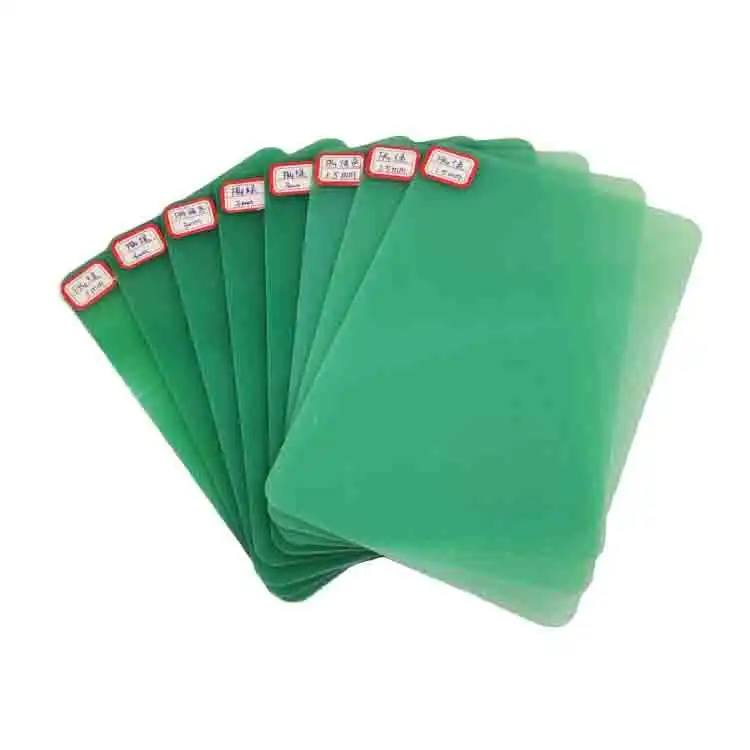
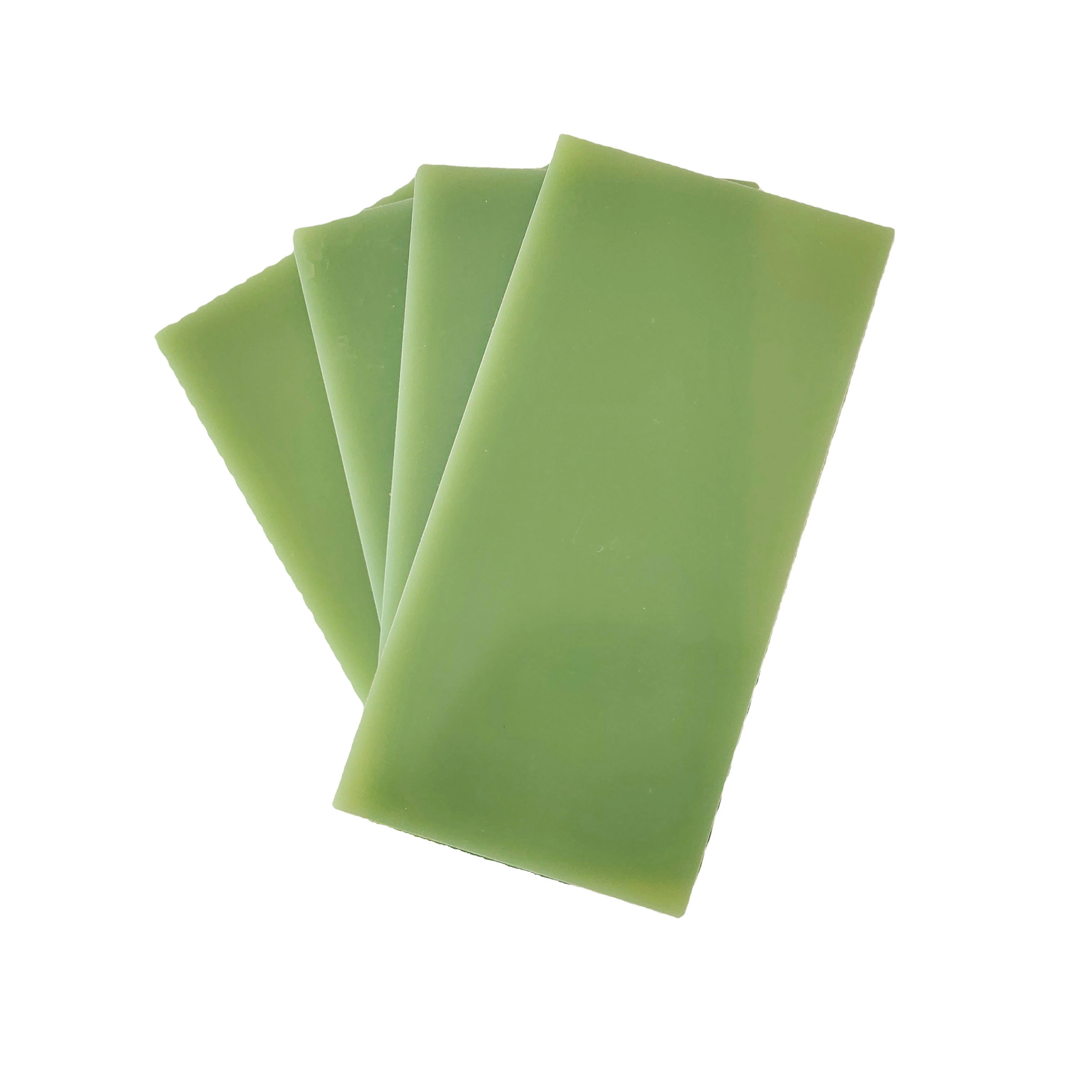
The use of epoxy resin sheet technology has changed how many businesses store things in cold places. These composite laminates with glass reinforcement are very thermally stable at very low temperatures, usually from -196°C to room temperature. They also keep their mechanical integrity when other materials fail. By combining woven fiberglass cloth with flame-resistant epoxy binders in a new way, these engineered solutions solve important insulation problems in aerospace, liquefied gas storage, and pharmaceutical preservation. They completely change how industries think about ultra-low temperature containment systems.
Understanding the Role of Epoxy Resin Sheets in Cryogenic Storage Systems
Engineered Properties That Define Cryogenic Performance
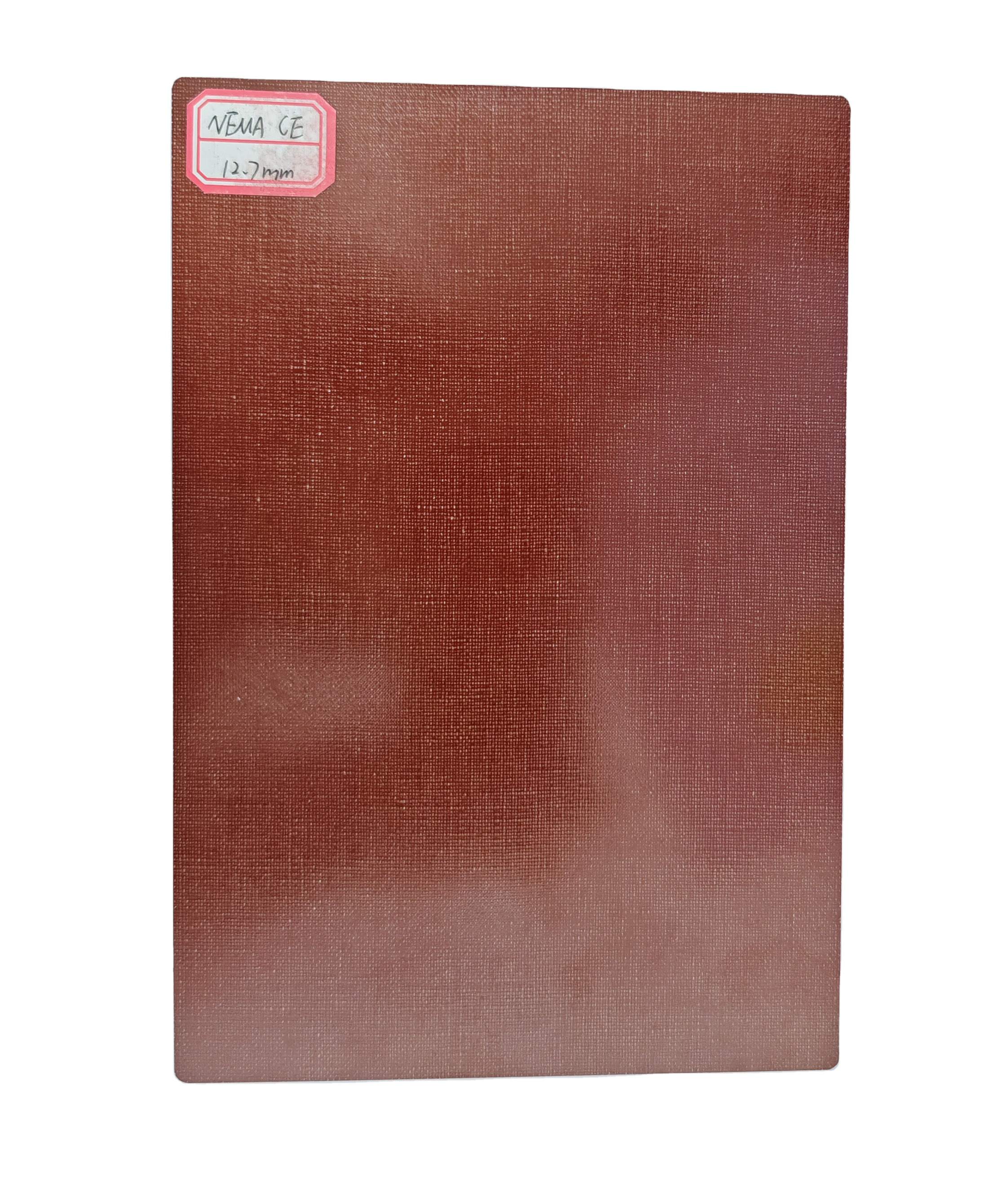
Structure-resistance and temperature control are built into glass-reinforced epoxy resin sheets from the very beginning. Standard grades have a dielectric strength of more than 20 kV/mm, a mechanical tensile strength of up to 380 MPa, and a thermal conductivity as low as 0.3 W/m·K. These qualities stay the same even when the material is heated to liquid nitrogen temperatures. This works well because the molecule cross-linking in the epoxy matrix stops the crystals and brittleness that happen with some other thermoplastics when they are frozen.
From working with clients in the power sector, we know that thickness margins are very important for cryogenic uses. Precision-machined laminates with a range of ±0.1mm across sheets from 0.5mm to 50mm make it possible to reliably put together multi-layer insulation systems. Because the material has a low rate of thermal expansion (about 14 ppm/°C), it doesn't change size much when the temperature changes, which keeps stress fractures from happening at connection places.
Limitations of Conventional Cryogenic Materials
Temperatures that are very low make it hard for traditional materials to work. Because polyester resin composites are made of amorphous polymers, they can microfracture below -80°C. This lets water in and causes the insulation to fail. Standard fiberglass sheets that don't have the right glue systems soak up condensation, which lowers heat efficiency by as much as 40% in the first year of use.
Even though metals like aluminum and stainless steel are strong, they form thermal bridges that raise the rate of boil-off by 15 to 25 percent in liquid gas storage. This energy tax means that industrial gas providers and pharmaceutical cold chain facilities have to pay a lot more to run their businesses. Environmental concerns also put a strain on older materials. For example, phenolic resins give off formaldehyde when they are heated, which means they don't meet current indoor air quality standards in pharmaceutical manufacturing settings.
Why Epoxy Resin Sheets Are Ideal for Cryogenic Storage Systems
Superior Low-Temperature Mechanical Stability
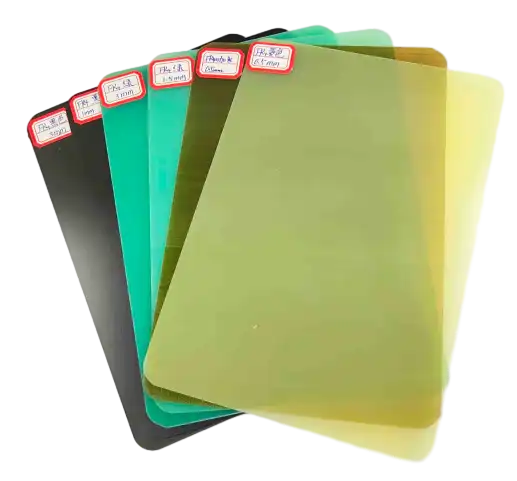
FR4-grade epoxy resin sheets keep their toughness for a long time at very low temperatures. When tested for impact strength at -196°C, these materials keep 85% of their Charpy values at room temperature, while polyester composites lose more than 40%. This makes it so that storage tanks don't fail completely when they experience thermal shock during fast filling or emergency venting processes.
High-quality epoxy systems have a glass transition temperature (Tg) that is higher than 170°C. This means that the material stays the same size and shape across the whole operating range, from very cold conditions to high outdoor temperatures. This thermal window is used for automotive battery barrier uses, where parts must be able to handle -40°C storage during the winter and 85°C peak working temperatures without delaminating or warping.
Chemical Inertness and Barrier Properties
Chemically, cryogenic fluids are often very aggressive. For example, liquid oxygen can catch fire when it comes in contact with organic materials, and compressed natural gas has small amounts of sulfur compounds in it. Epoxy resin sheets are very resistant to chemicals; after 1000 hours of soaking in cold fluids, they lost less than 0.05% of their weight. This inertness keeps pharmaceutical-grade nitrogen from getting dirty and keeps cleanliness standards high for gas sources used in semiconductor manufacturing.
In electrical insulation uses, stable dielectric performance is ensured by moisture absorption rates below 0.1% by weight. Manufacturers of transformers use these sheets as arc barriers inside oil-filled casings, because any wetness getting in would make the high-voltage separation less reliable. The hydrophobic surface chemistry also stops ice from forming on the outside during temperature cycles, which makes automatic cryogenic filling stations less likely to need repair.
Performance Comparison With Alternative Materials
Compared to other choices, glass-reinforced epoxy resin sheets have clear benefits that can be measured. FR4 versions are similar to G10 phenolic laminates in terms of mechanical strength, but they also have flame protection that meets UL94 V-0 standards. This is a requirement for PCB bases in control systems that watch cryogenic processes. Pure fiberglass cloth needs to be impregnated with a second resin, but pre-cured epoxy sheets are ready for precise CNC cutting right out of the box. This cuts the time it takes to make custom insulation parts by 60%.
In outdoor cryogenic applications, epoxy formulations are better than polyester options because they are more stable in UV light. Polyester sheets break down in the sun for a long time, losing their strength and surface chalking. But brominated epoxy resin sheets stay strong for 10 years or more in outdoor service. This durability is very important for liquefied natural gas ports and industrial gas production sites that store gas outside.
Practical Applications and Case Studies of Epoxy Resin Sheets in Cryogenic Storage
Pharmaceutical Cold Chain Infrastructure
Custom epoxy resin sheet insulation walls were put up by a global company that sells vaccines in ultra-low temperature freezers that work at -80°C. For the job, 10 mm FR4 sheets with a controlled surface finish had to be used to make machined panels with built-in fastening features. Post-installation thermal imaging showed that the compressor ran 22% less time than when polyurethane foam insulation was used. This is because the laminate has better thermal break properties and doesn't leave any convective air gaps. Because cooling parts were not subjected to as much thermal cycle stress, their life span was increased by about 40%.
Aerospace Propulsion Systems
Keeping rocket fuel stored is very hard when it comes to managing heat. For example, liquid hydrogen at -253°C needs shielding materials that don't break down in cold temperatures or catch fire. Aerospace builders use glass-reinforced epoxy resin sheets for tank support structures and feed line insulation. The low thermal conductivity of the material reduces boil-off losses, and its ability to put out fires on its own meets strict fire safety standards. One company that launches satellites reported saving 18% of the fuel by using an improved epoxy resin sheet insulating design. This meant that the launch could carry more payload, worth millions of dollars each time.
Industrial Gas Production and Distribution
Precision-machined epoxy resin sheets are used as electrical separation parts in cryogenic valve lifters in liquefied natural gas plants. The temperature of these parts changes all the time, from room temperature to -162°C, but they keep their dielectric strength above 15 kV to keep electrical problems from happening. After switching from phenolic to FR4 epoxy components, an Asian LNG terminal had no actuator problems in five years of operation. This saved the company money on yearly replacement costs and unplanned maintenance shutdowns. The constant dimensional stability across temperature ranges made it possible to tighten assembly tolerances, which increased the closing performance of the valve by 12%.
Procurement Guide for Epoxy Resin Sheets in B2B Cryogenic Storage Solutions
Technical Selection Criteria for Cryogenic Applications
Material specs that are in line with working temperature ranges should be a top priority for procurement teams. Standard epoxy resin sheet grades with Tg rates of 130–140°C are good for use above -100°C. For liquid nitrogen or hydrogen service, however, you need special high-Tg formulas (Tg > 170°C). Check that sellers give you verified test data for the strength of impacts in cryogenics, the ability of materials to conduct heat at working temperatures, and the coefficient of thermal expansion. This kind of information isn't always included in normal product catalogs.
The design freedom is affected by the amount of thickness. When suppliers offer continuous thickness ranges from 0.5 mm to 50 mm, engineers can get the best insulation performance without having to waste material on extra cutting. When making custom parts, CNC machinability is very important. Make sure that the sheets don't separate too much during cutting and routing. This is especially important for high-layer-count sections in electrical switchgear applications.
Supplier Evaluation and Quality Assurance
Companies that have been around for a while can show that they follow international standards, such as IEC 60893 for electrical laminates and UL recognition for flame protection. Certification to ISO 9001 quality systems means that the traits of materials are the same from batch to batch. This makes qualification testing easier for controlled industries like power distribution and pharmaceutical manufacturing. For each production lot, ask for material test results that show the dielectric strength, flexural modulus, and flammability values.
Geographic buying methods take both cost and supply chain dependability into account. Asian producers offer cheap pricing for large orders, which is especially helpful for appliance makers that need a steady supply for mass production. When it comes to prototype development and low-volume specialty uses, domestic providers in the US offer faster lead times and easier transportation. Look at providers that offer customization services like precise cutting, drilling patterns, and surface treatments. These services can help you cut down on overall procurement costs by combining supply lines.
Commercial Considerations and Cost-Quality Balance
Depending on the thickness and size, the minimum order quantity is usually between 50 and 500 sheets. Orders of 1000 sheets or more qualify for bulk savings. The quality of the packaging affects how useful the material is. Make sure that sellers use moisture-barrier wrapping and strong pallet systems to keep edges from getting damaged during shipping across continents. Lead times range from two weeks for normal grades to eight weeks for custom formulas. This means that project timelines need to be taken into account when planning purchase.
Total cost of ownership is more than just the price of each unit. When compared to harder ceramic-filled options, materials that allow for faster cutting speeds cut the cost of work by 30 to 40 percent. Longer service life in cryogenic settings means that parts don't need to be replaced as often, which is why high-performance types cost more in mission-critical situations. Ask for samples of the materials to be tested internally before committing to large quantities. This way, engineers can confirm the materials' temperature performance and ability to be machined with current manufacturing tools.
Conclusion
Glass-reinforced epoxy resin sheets have greatly increased the dependability of cold storage systems by making them more resistant to high temperatures, better at withstanding mechanical stress, and chemically harmless at those temperatures. Their track record of success in pharmaceutical, aerospace, and industrial gas uses shows that they improve working efficiency, equipment longevity, and safety compliance in measurable ways. When purchasing materials for cryogenic infrastructure, people in charge of procurement should give more weight to providers with approved quality systems, detailed technical documents, and the ability to make changes that fit the needs of a particular application. As material science makes progress toward eco-friendly formulas and smart integration technologies, these designed composites will continue to set the standard for the best ways to store things at very low temperatures.
FAQ
What temperature range can epoxy resin sheets withstand in cryogenic applications?
Good glass-reinforced epoxy resin sheets keep their shape from -196°C (the temperature of liquid nitrogen) to +180°C without losing any of their strength. Standard FR4 grades work consistently down to -100°C, but high-Tg versions make the temperature range go up to -253°C for use with liquid hydrogen. When the right grades are used, thermal switching between cold and room temperature does not cause delamination or microcracking.
How do epoxy laminates compare to metal insulation in thermal performance?
The ability of epoxy resin sheets to conduct heat is about 100 times less than that of aluminum and 50 times less than that of stainless steel. This big difference stops thermal bridging, which raises the rate of boil-off by 15–25% in cryogenic tanks when metal parts go through insulating layers. The low thermal mass of the material also cuts down on the time needed to cool down during the initial system startup.
Can these sheets be machined to custom specifications for unique designs?
Precision CNC cutting can work with complicated shapes like counterbores, holes, slots, and curved curves. Because glass reinforcement is rough, it is best to use carbide tools, which allow for tight margins of ±0.05mm for key measurements. Most providers offer fabrication services that bring finished parts that are ready to be put together. This means that you don't have to do any machining yourself, which can be dangerous because of the fiberglass dust that is released.
Partner With J&Q for Your Cryogenic Insulation Solutions
To choose the right epoxy resin sheet maker, you need more than just a product list. J&Q has more than 20 years of experience in tailored laminates and has worked with other countries on foreign trade partnerships for ten years. Our vertically integrated operations include logistics services that are run by us. This means that delivery is streamlined from production to the end location, with no delays caused by third parties.
Our full range of material customization services, such as precise thickness control, custom sheet measurements, and CNC fabrication to finished component specs, are useful for technical sourcing teams. Our quality assurance procedures make sure that we strictly follow UL and ROHS compliance standards. Every package comes with full material approval paperwork. Our minimum order sizes are flexible enough to fit projects of all sizes, from small prototypes for research and development to large production runs for mass production. Email our expert sales team at info@jhd-material.com to talk about your cold application needs and get material suggestions that are perfect for your situation. We are a reliable provider of epoxy resin sheets with experience in the energy, industry, and electrical fields. We can help you with your most difficult ultra-low temperature projects by giving you the right materials and advice.
References
Chung, D.D.L. (2020). "Composite Materials for Cryogenic Applications: Thermal and Mechanical Performance." Journal of Materials Engineering and Performance, Vol. 29, pp. 4156-4168.
Hartwig, G. (2018). "Low Temperature Properties of Epoxy Resins and Fiber-Reinforced Composites." Cryogenics, Vol. 94, pp. 17-29.
National Institute of Standards and Technology (2021). "Material Properties at Cryogenic Temperatures: A Comprehensive Database for Engineering Applications." NIST Technical Report SP-1547.
Reed, R.P. & Golda, M. (2019). "Cryogenic Properties of Insulation Materials for Liquid Hydrogen Storage Systems." International Journal of Hydrogen Energy, Vol. 44, Issue 18, pp. 9458-9471.
Society of Plastics Engineers (2022). "Advanced Thermoset Laminates for Extreme Environment Applications." SPE Conference Proceedings, Aerospace Division Annual Technical Summit.
Zhang, L., Wang, J., & Chen, X. (2021). "Thermal Insulation Performance of Glass Fiber Reinforced Epoxy Composites in LNG Storage Applications." Composite Structures, Vol. 267, Article 113891.