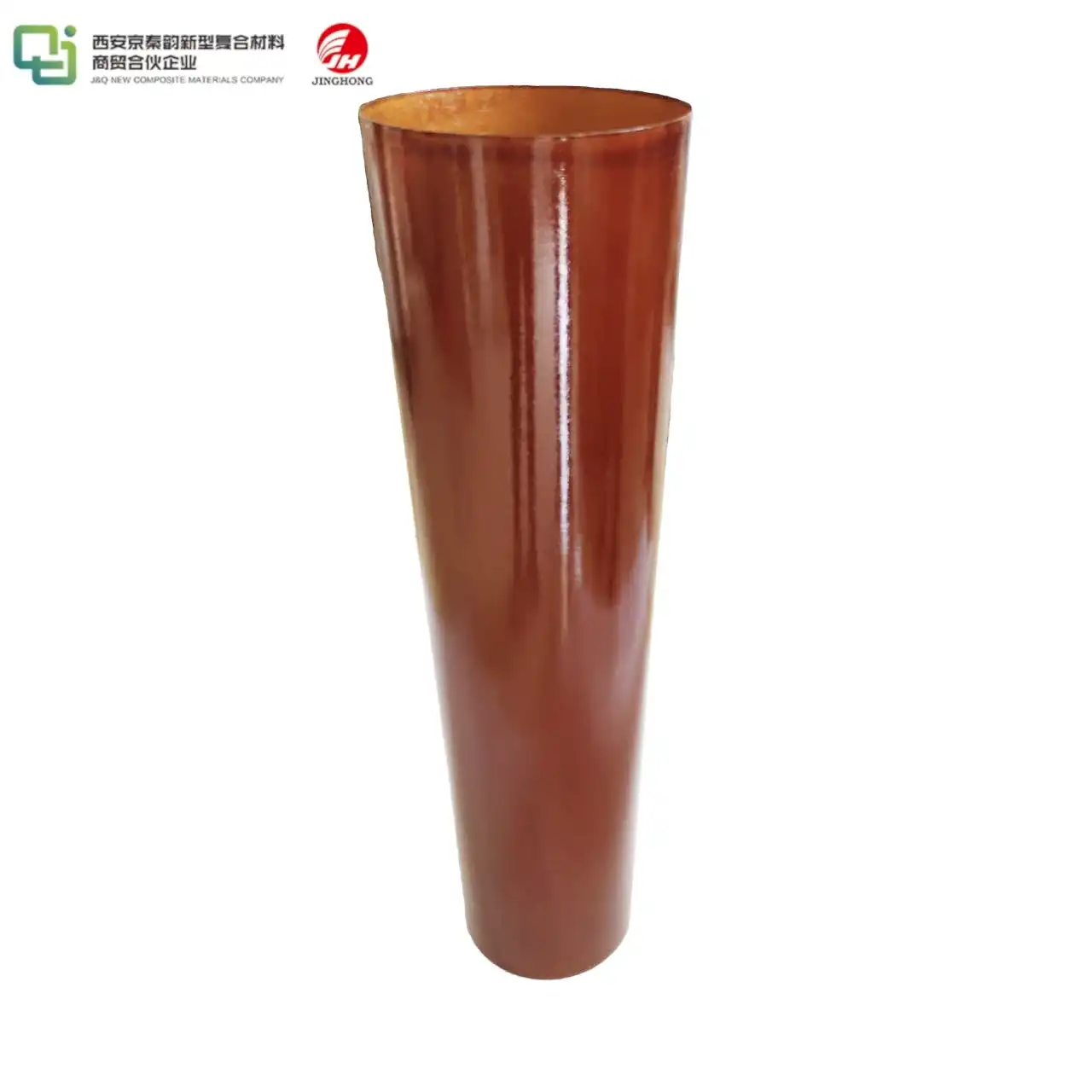
Insulation Solutions for High-Speed Rail Systems Using 3240 Epoxy Boards
2026-06-26 18:08:40
3240 epoxy sheet solutions have become essential parts of this infrastructure because high-speed rail systems require outstanding insulation materials that can endure high operational loads. The exceptional dielectric qualities, mechanical durability, and thermal stability required for train traction equipment, electrical cabinets, and motor insulation assemblies are provided by these designed composite laminates, which are made of electrical-grade fibreglass fabric coated with epoxy resin. Procurement teams must choose materials that strike a compromise between long-term cost effectiveness and performance reliability as train networks spread throughout the United States. Engineering managers and technical purchasers can make well-informed decisions that guarantee passenger safety while reducing maintenance downtime over decades of service life by knowing how epoxy-based insulation meets the particular requirements of high-velocity transportation systems.
Understanding 3240 Epoxy Boards and Their Role in Rail Insulation
Composition and Manufacturing Process
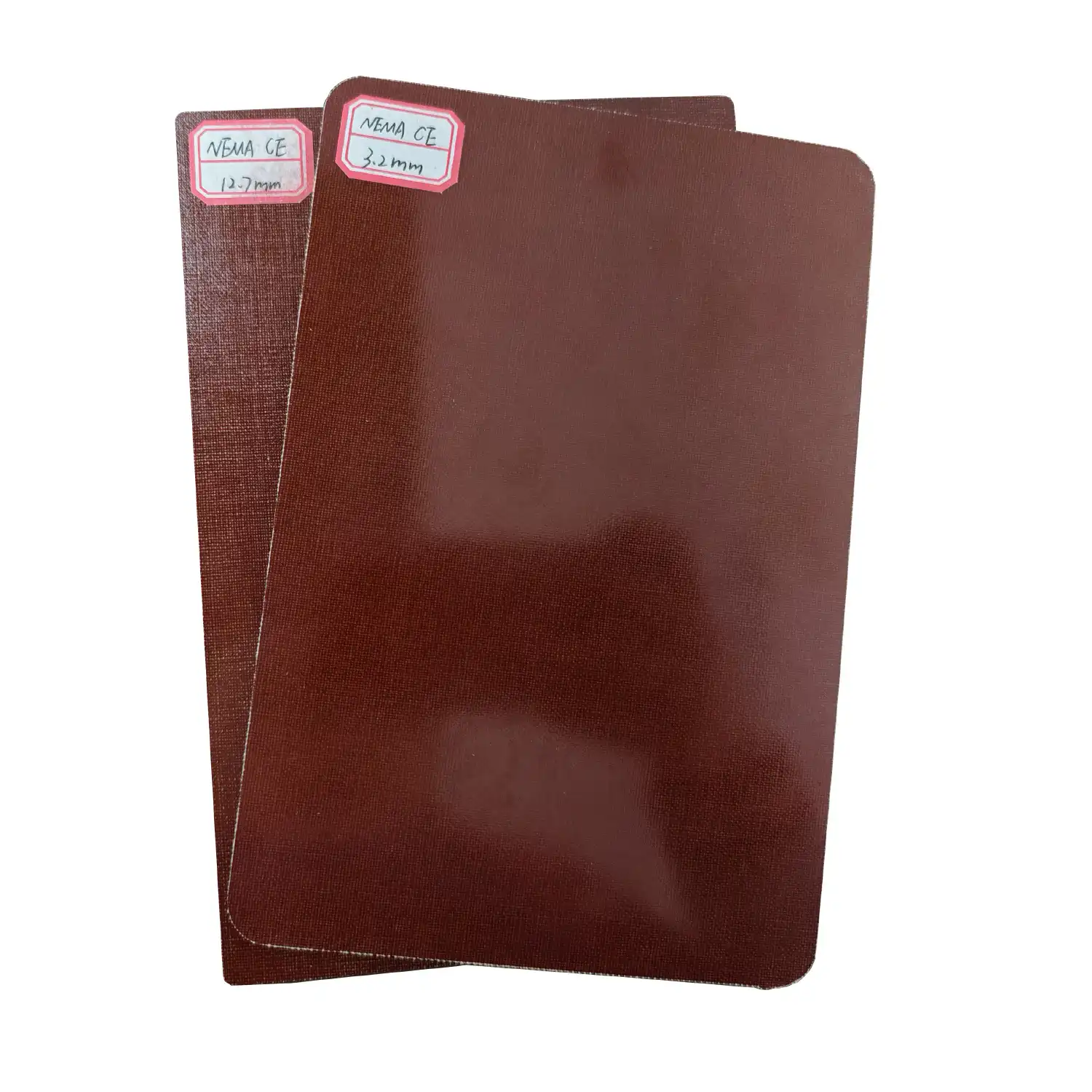
3240 epoxy sheets are created by carefully impregnating knitted fibreglass cloth with many coatings of thermosetting epoxy resin. The material creates a thick hybrid structure with few vacant spots when hot-pressed at high temperatures. Sheets with densities ranging from 1.90 to 2.0 g/cm³ are produced using this method. These 3240 epoxy sheets maintain their structure in the face of frequent temperature fluctuations in rail applications, which can range from -40°C to 155°C. By eliminating any portions of uncured resin that could compromise electrical performance, the curing process ensures that all of the polymers are fixed.
Electrical Performance in High-Speed Rail Applications
High-quality 3240 epoxy sheets have a breakdown voltage more than 30 kV when tested in transformer oil. Because of this, they are excellent at preventing electrical arcing in high-voltage power systems. Throughout all operational temperature ranges, the volume resistivity remains constant. By doing this, current leakage in the insulating walls between powered components is prevented. These materials minimise energy loss in electrical switches and motor housings because their dielectric loss tangent values are below industry norms. Rail operations benefit from the low moisture absorption rate of less than 0.1% because it maintains strong insulating resistance even in rainy tunnels or along the coast, where materials that take water quickly would decompose.
Mechanical Strength for Structural Applications
These laminates can be utilised as structural support components in train equipment due to their electrical properties as well as their flexural strength of over 340 MPa. Because the material's tensile strength is greater than 300 MPa, it can withstand vibrations and mechanical loads that arise during cycles of acceleration and deceleration. Unlike conventional phenolic materials, which may split under stress, the composite structure does not delaminate when heat cycling is applied. 3240 epoxy sheets are particularly helpful in small electrical boxes when space is restricted and materials must be multifunctional because they can both guard against electricity and support weight.
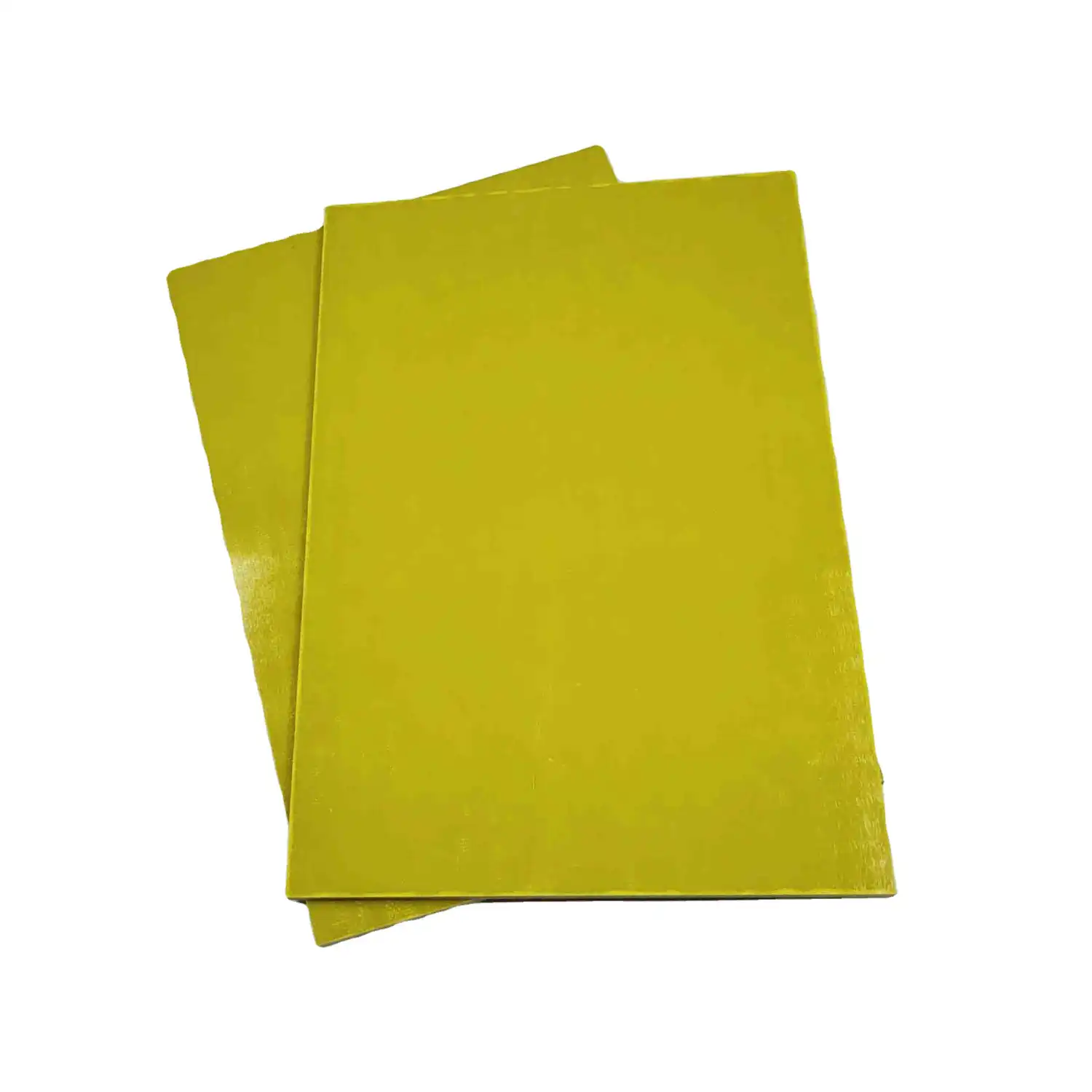
Comparing 3240 Epoxy Boards with Alternative Insulation Materials
Performance Benchmarks Against Industry Standards
3240 epoxy sheets are more resilient to transformer oils and common industrial solvents used in rail repair than G10 fibreglass laminates. For applications where self-extinguishing properties are not required by code, standard 3240 epoxy sheets offer comparable electrical performance at a lower cost, but UL94 V-0 ratings give FR4 variants superior flame retardancy. In terms of how long they can withstand high temperatures, these materials fall between phenolic cotton sheets and high-performance ceramics, with Class B temperature rates of 130°C and premium types reaching Class F (155°C).
Trade-offs between lifespan performance and initial purchase costs are involved in the selection of materials. Although phenolic composites may be less expensive to buy, they are more sensitive to moisture, which causes them to deteriorate more quickly in humid conditions. Although composite polymer sheets are lightweight, they do not have the mechanical stiffness needed for intricate insulator shapes to be precisely machined. The way that 3240 epoxy sheets balance several performance parameters without significantly increasing costs is appreciated by engineering teams assessing these issues.
Real-World Performance in Transportation Systems
A European train firm replaced the phenolic insulation in its traction motor parts with 3240 epoxy sheet insulation because moisture was causing them to degrade too quickly. Following installation, testing revealed a 40% decrease in guarantee claims related to insulation failure. Tighter manufacturing standards were made achievable by improved physical stability, which reduced vibration-related wear on adjacent parts. Because the equipment was maintained and replaced less frequently, the overall cost of ownership decreased even though the cost of the materials increased by almost 18%.
When switching to 3240 epoxy sheet insulation systems, rail equipment manufacturers catering to Asian markets have reported comparable performance gains. Without the delamination issues that beset earlier materials, the material may be machined using carbide tools to create intricate shapes for phase barriers and bus bar supports. Through quantifiable operational gains, these real-world results support the technical standards.
Procurement Guide for 3240 Epoxy Boards in B2B High-Speed Rail Projects
Supplier Qualification and Certification Requirements
It is necessary to confirm manufacturing capabilities in accordance with international standards in order to identify qualified sources for 3240 epoxy sheets. Reputable manufacturers uphold ISO 9001-certified quality management systems, guaranteeing uniform material qualities throughout production batches. Test reports verifying compliance with IEC standard EPGC 201 for thermal endurance and dielectric characteristics should be included in compliance documents. UL recognition or RoHS compliance certificates are frequently needed for electrical components intended for U.S. rail projects, especially for systems that interface with passenger compartments.
Because automotive and aerospace applications require comparable quality standards, procurement professionals might benefit from evaluating supplier competence with transportation-grade materials. Customization-capable vendors can save downstream fabrication costs by pre-machining 3240 epoxy sheets to project-specific dimensions. For infrastructure projects with set building timetables, lead time concerns become crucial, making supplier inventory depth and production capability crucial evaluation variables.
Strategic Sourcing Considerations
Strategies for bulk purchases can maximise material prices without sacrificing standards of quality. While preserving material traceability through batch documentation, framework agreements with authorised suppliers guarantee price consistency during multi-year projects. Because good material handling reduces moisture absorption during transit that could impair electrical qualities, procurement teams overseeing global supply chains should assess logistics capabilities. To avoid warping prior to manufacturing, storage conditions at receiving facilities must keep temperatures below 25°C and relative humidity below 75%.
The U.S. rail industry is currently served by both domestic producers and foreign suppliers. It is necessary to evaluate regional production capacity, import tariff implications, and inventory positioning in order to balance cost objectives with supply chain reliability. Supplier selection is influenced by the availability of technical support, especially for projects demanding specialised machining of 3240 epoxy sheets or unique formulations. Partners who supply material data sheets with thorough test findings, as opposed to general specification ranges, are valued by engineering teams.
Implementation Insights: Optimizing 3240 Epoxy Boards for High-Speed Rail Systems
Installation and Machining Best Practices
In order to avoid thermal stress that could cause microcracks, proper material handling starts with acclimation to ambient temperatures prior to machining. When creating intricate designs, carbide cutting tools preserve edge integrity, and suitable feed rates reduce delamination at cut edges. Backing supports are necessary for drilling operations to avoid breakout, and coolant systems control heat accumulation that could weaken the resin matrix. Thickness tolerances, which are usually maintained within ±0.1mm to ±0.4mm depending on the thickness of 3240 epoxy sheets, are verified by dimensional inspections using calibrated micrometres.
Thermal expansion differentials must be taken into consideration when integrating metal components. Slight dimensional variations across temperature ranges should be accommodated by mounting methods without creating mechanical stress. When bonding insulating layers, surface preparation procedures guarantee correct adhesion, and solvent cleaning eliminates impurities that can jeopardise interface integrity. Visual inspection for surface flaws like bubbles or edge delamination that could cause electrical failures under operating stress is part of quality control procedures.
Maintenance Strategies and Service Life Extension
Periodic insulation resistance testing is beneficial to predictive maintenance plans because it establishes baseline readings that show steady degradation prior to critical failures. Hot patches that indicate localised stress or insufficient heat dissipation are found using thermal imaging studies. Electrical cabinet environmental monitoring verifies that ventilation systems keep temperatures within material ratings, avoiding thermal overload-induced accelerated ageing.
By tracking 3240 epoxy sheet performance across fleet installations, rail operators using sophisticated asset management systems can discover batches or configurations that need to be replaced earlier than anticipated. Future installation procedures and purchase specifications are influenced by this data. When compared to materials that need to be renewed more frequently, correctly placed 3240 epoxy sheets offer significant lifecycle cost advantages due to their inherent durability, which supports service intervals exceeding two decades in many applications.
Emerging Technologies and Future Developments
Improved resin formulations with better thermal conductivity are being investigated for applications that need both electrical insulation and heat dissipation. Compact equipment designs are made possible by the promise for greater mechanical strength without thickness increases in nano-reinforced composites. The development of bio-based 3240 epoxy sheet systems that preserve performance qualities while lowering petrochemical content is driven by environmental initiatives. In order to ensure compatibility with future maintenance parts and potential system upgrades, rail projects with long schedules should involve suppliers in material evolution.
Conclusion
In high-speed rail infrastructure, electrical insulation is an essential but frequently disregarded component. Material failures can cause cascading system shutdowns that impact thousands of passengers. The many difficulties of contemporary transportation systems are addressed by the technological characteristics of 3240 epoxy sheets, which combine exceptional dielectric strength, mechanical durability, and environmental stability. Procurement teams are positioned to implement dependable insulating solutions that safeguard both operational uptime and passenger safety when they possess a thorough understanding of material specifications, supplier qualification requirements, and implementation best practices. The strategic importance of these materials across many rail applications is validated by the established performance advantages in comparative tests and real-world usage.
Frequently Asked Questions
What temperature ranges can epoxy insulation boards withstand in rail applications?
While premium formulations reach Class F ratings at 155°C, standard Class B rated materials run continuously at 130°C. While frequent thermal cycling at upper limits speeds up ageing, short-term temperature excursions up to 180°C are acceptable without instant failure. For activities in northern climates, cold temperature performance is stable down to -50°C.
How does chemical resistance benefit rail maintenance operations?
Material deterioration during ordinary maintenance operations is avoided by resistance to hydraulic fluids, transformer oils, and industrial cleaning chemicals. In contrast to phenolic materials, which expand or deteriorate when exposed to petroleum chemicals, 3240 epoxy sheets retain their electrical characteristics and dimensional stability following solvent contact, prolonging their useful life in situations requiring frequent maintenance.
Are custom sheet dimensions available for specialized applications?
Custom thickness requirements ranging from 0.5mm to 150mm are accommodated by reputable suppliers, and length and breadth specifications are customised to meet project requirements. Custom machining services shorten the time needed for on-site manufacturing by providing prefabricated parts with curved edges and drilled holes. Depending on the source and level of customisation, different minimum order amounts apply.
Partner with J&Q for Reliable 3240 Epoxy Sheet Solutions
J&Q serves transportation and industrial clients with more than 20 years of production experience in high-performance insulation materials and 10 years of international trading experience. Our certified 3240 epoxy sheet manufacturing capabilities guarantee consistent material quality that satisfies UL recognised requirements essential for rail applications as well as IEC EPGC 201 regulations. Our internal logistics operations offer smooth delivery coordination for urgent infrastructure projects, and engineering teams have access to thorough technical documentation that supports material selection.
With customised solutions ranging from standard sheets to precision-machined components, our application engineering support assists procurement managers in navigating specification requirements. We maintain inventory depth that supports both prototype numbers and production levels thanks to established relationships throughout supply chains. To discuss your unique insulation needs, seek material certifications, or receive project quotes, get in touch with our technical staff at info@jhd-material.com. Learn how we can provide the material performance your high-speed rail systems require while streamlining your supply chain with our integrated production and logistics capabilities.
References
Zhang, L., & Chen, M. (2021). Electrical Insulation Materials for Railway Traction Systems: Performance Requirements and Testing Standards. Transportation Engineering Press.
Williams, R. J. (2020). "Comparative Analysis of Thermoset Laminates in High-Voltage Applications," Journal of Electrical Insulation Technology, 47(3), 112-128.
International Electrotechnical Commission. (2019). IEC 61212-3-2: Insulating Materials - Industrial Rigid Round Laminated Tubes and Rods Based on Thermosetting Resins for Electrical Purposes.
Martinez, S., & Thompson, K. (2022). Advanced Composite Materials in Modern Transportation Infrastructure. Engineering Materials Research Institute.
European Committee for Electrotechnical Standardization. (2020). EN 50343: Railway Applications - Rolling Stock - Insulation Coordination.
Anderson, P. T., & Liu, H. (2021). "Long-Term Performance of Epoxy-Based Insulation Systems Under Thermal Cycling Conditions," Proceedings of the International Conference on Railway Engineering, pp. 234-249.