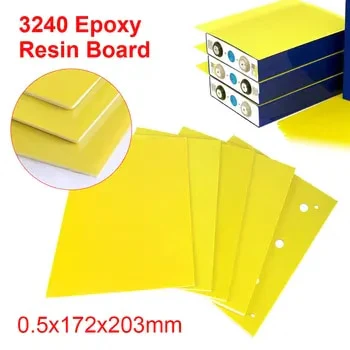
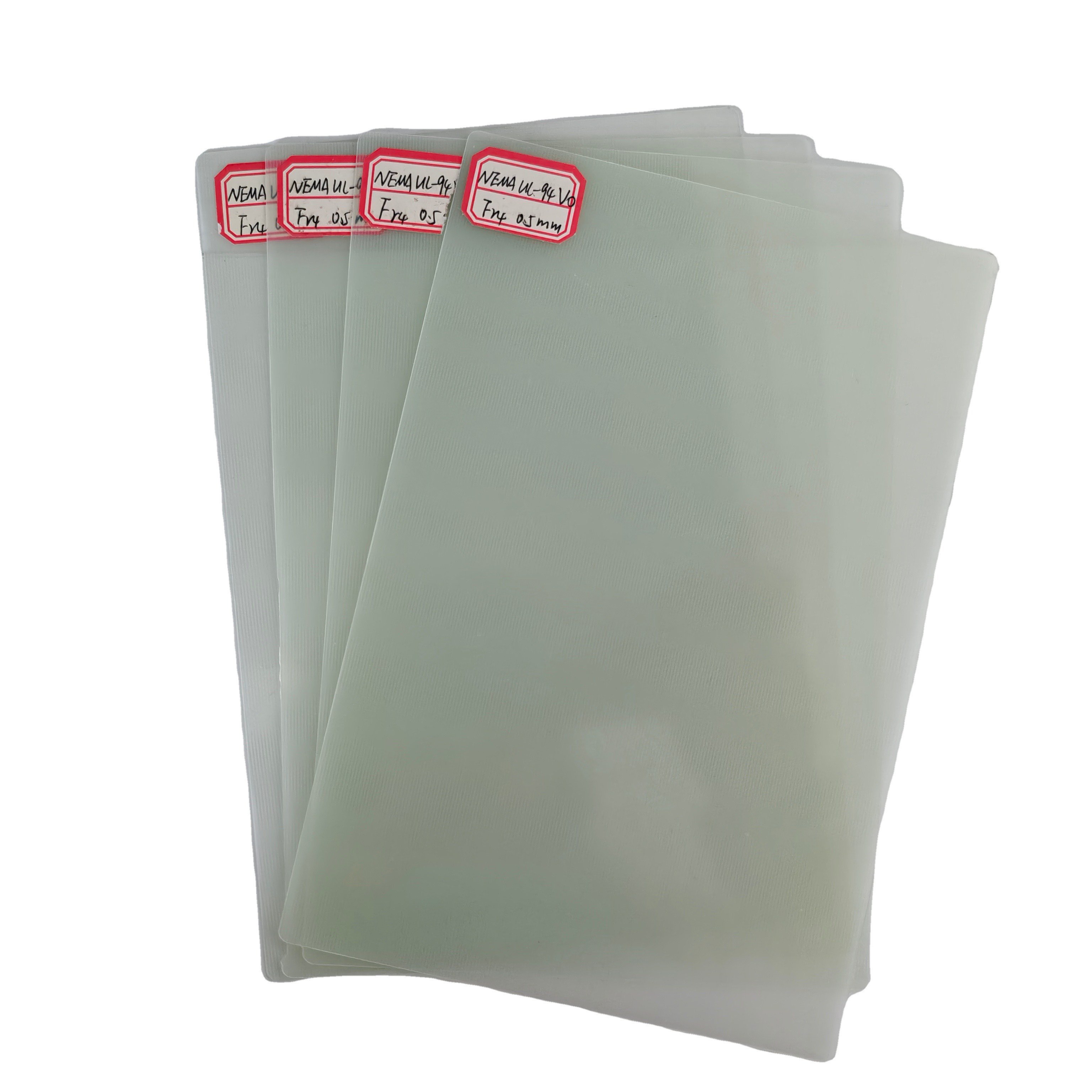
Custom FR4 Components for Solar Inverter Insulation
2026-06-26 18:08:37
Solar inverter shielding needs strong materials that can keep electricity from getting in and keep heat from building up while the system is under a lot of stress. Custom FR4 parts have become the best option for makers looking for reliable insulation systems that don't catch fire. The glass-reinforced epoxy laminate FR4 sheet, which has UL94 V-0 approval, has great dielectric strength and thermal stability that keep electricity from breaking down at temperatures up to 130°C for long periods of time. This material solves important safety issues in solar energy conversion systems where high-voltage switches and high temperatures make conditions that weaken insulation materials.
Understanding FR4 Material and Its Role in Solar Inverter Insulation
Composition and Core Properties
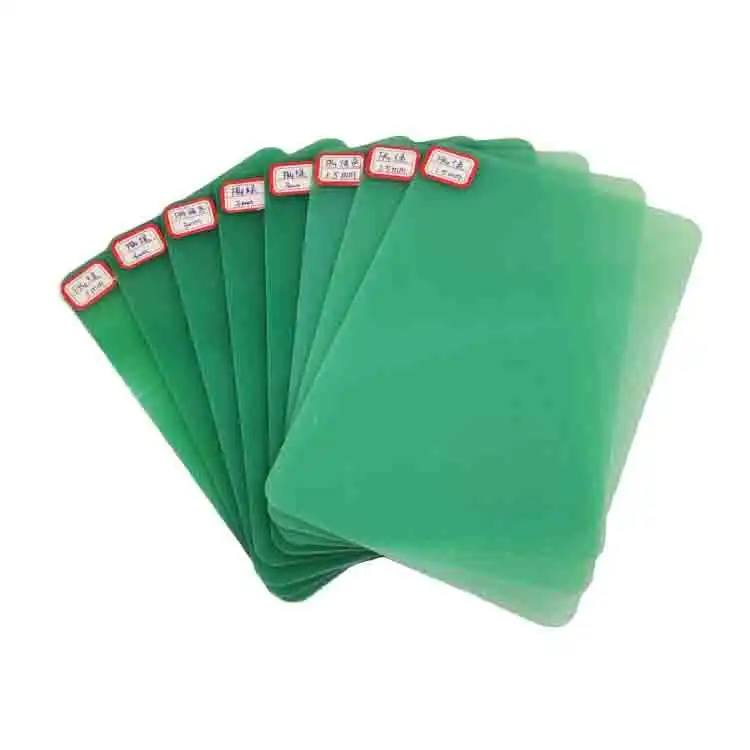
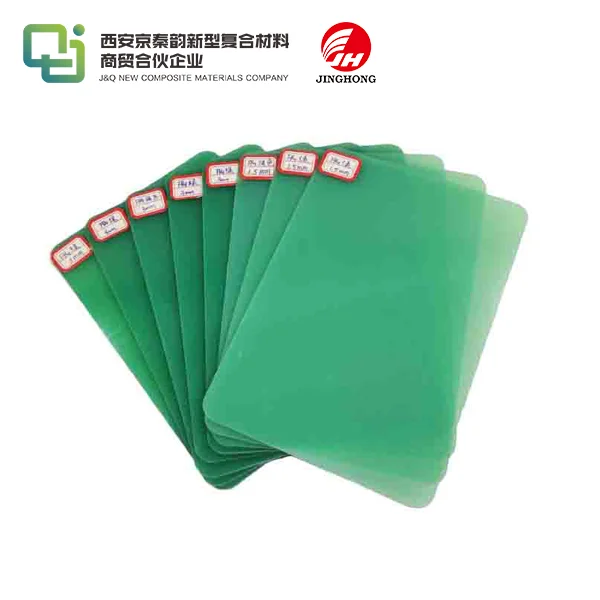
FR4 sheet is an industrial thermosetting laminate made of continuous filament glass cloth that has been soaked in bromine-modified epoxy resin. The flame-retardant label sets it apart from older materials like G-10, which don't have the self-extinguishing properties that are necessary for electricity safety. The dielectric strength of this composite construction is over 20 kV/mm, the bending strength is around 415 MPa, and it absorbs less than 0.15% of its weight in water. These rules make sure that insulation walls stay in place even when they are hit by voltage spikes, mechanical vibrations, and changes in humidity that are common in solar systems.
Why Solar Inverters Require Specialized Insulation
Modern solar inverters change DC power from photovoltaic panels into AC energy with an efficiency of over 98%. They do this by making a lot of heat. When there are a lot of components inside an inverter box, there is a chance of electromagnetic interference and heat hotspots. This means that the materials used need to have dielectric constants that don't change much across temperature ranges. Epoxy laminates keep their shape, which stops air holes caused by bending that could cause partial discharge and eventually insulation failure. The low thermal expansion rate of the material fits the needs of mounting semiconductors, keeping power units precisely aligned.
Certification Standards Driving Material Selection
UL94 V-0 compliance is important to procurement teams because it proves that vertical test specimens extinguish themselves within 10 seconds without making flaming drips. This fire safety feature keeps things from going wrong badly when generator parts get too hot. With extra certificates like RoHS compliance, dangerous materials are taken out of the production process, which is in line with environmental laws in North American and European markets. Engineering managers often ask for NEMA LI-1 grade materials to make sure that the mechanical and electrical qualities are the same from batch to batch, which cuts down on the need for approval testing.
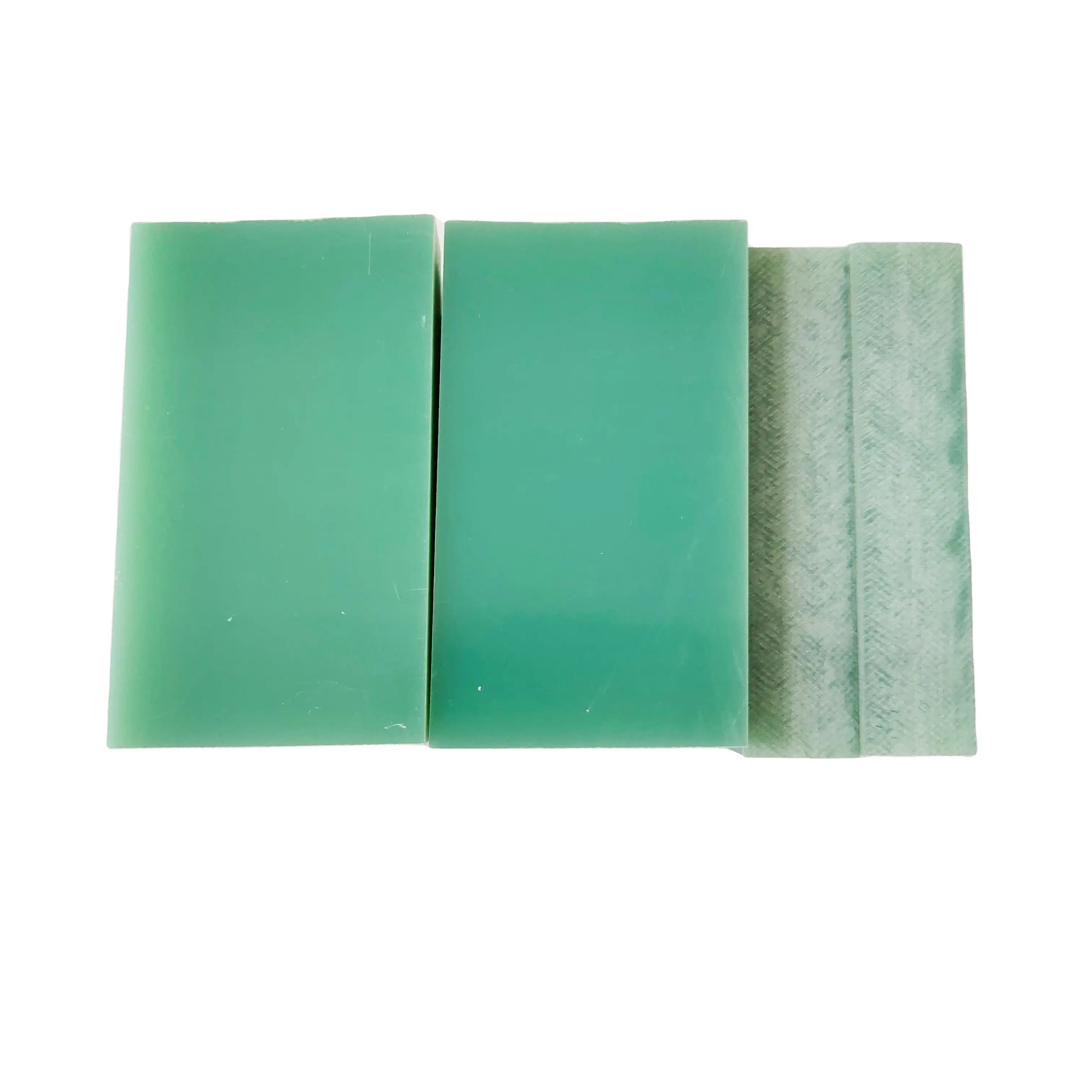
Comparing FR4 with Alternative PCB Materials for Solar Inverter Insulation
Evaluating Polyimide and High-Temperature Alternatives
Even though polyimide substrates can handle temperatures up to 260°C continuously, they are usually three to five times more expensive than normal FR4 sheet options. This difference in prices is important for making utility-scale inverters because the cost per watt determines what to buy. FR4 sheet versions with a high temperature glass transition (Tg 170°C) close the performance gap at a modest price premium. This makes them appealing for inverter designs that need better thermal management systems. When used for hard structural insulation, polyimide's flexibility doesn't matter because the material's mechanical stiffness helps keep parts in place.
Metal Core PCBs and Thermal Considerations
Metal core printed circuit boards have metal substrates built in to help them get rid of heat faster. This makes them a good choice for power systems that have to deal with high temperatures. However, their thin insulation and higher dielectric loss slope make them less useful for high-frequency switching tasks. Epoxy glass laminates have a thickness that can be changed from 0.4mm to 3.2mm. This lets you set the exact clearance lengths needed for voltage separation without adding too much weight. When compared to specialized metal core fabricators, wait times for glass-reinforced materials are faster because their supply lines are already set up.
Cost-Benefit Analysis for Large-Scale Procurement
Material prices are only one part of the total costs of ownership. The way a material is machined has a big effect on the work that goes into making it. For example, glass-reinforced epoxy needs carbide tools to be machined, but it makes clean edges without delamination. Rogers high-frequency laminates have better electrical performance, but they need to be processed in a special way that makes each part cost 40–60% more. When manufacturing teams compare the cost of purchase to the reliability of the product over its lifetime, normal and high-Tg FR4 sheet grades always offer the best value. Because the material has been used in demanding uses for 20 years, it has a past of reducing risk that other materials can't yet show.
Custom FR4 Component Fabrication Process for Solar Inverter Insulation
Material Selection and Performance Specification
Custom insulation that works well starts with carefully choosing the right material grade for the job. Standard 140°C glass transition materials work well in normal settings, while 170°C versions are better for designs that can't handle a lot of cooling. Specifications for thickness tolerances have a direct effect on how much voltage they can handle. For important insulation barriers where dielectric strength estimates depend on minimum material thickness, procurement documents should include tolerances of ±0.1mm. Different makers' resin contents change how CNC machines work, so it's important to check the stability of suppliers during the qualification process.
Precision Fabrication Techniques
CNC routing, laser cutting, and die punching are some of the methods used to make custom parts, based on the complexity and number needs. CNC machining can handle complicated shapes and can place things accurately to within ±0.05mm, which is important for connecting parts to precise power units. Because the glass is sharp, you need diamond-coated tools and controlled feed rates to keep the cut edges from coming apart. Specialized makers use dust extraction systems that collect glass particles. This protects the health of the workers and keeps the workplace clean so that sensitive electrical circuits don't get contaminated.
Quality Assurance and Testing Protocols
Reliable sellers certify arriving materials such as FR4 sheet to check their dielectric strength, flame resistance, and size accuracy before they start making the product. As the production runs, in-process checking verifies the dimensions of the first piece and takes random samples of machined features. High-potential (hipot) testing at voltages two to three times the effective working voltage may be part of electrical testing. This checks the insulation's stability after it has been mechanically processed. Shipments come with documentation packages that make it possible to track them, which meets the requirements of ISO 9001 and IATF 16949 standards for quality control systems in the car industry.
Procurement Guide for Custom FR4 Components in Solar Inverter Insulation
Supplier Evaluation Criteria
Finding suitable production partners requires more than just looking at prices. How well suppliers can go from making prototypes to mass production depends on their manufacturing ability. If it doesn't, wait times will be shortened. Certifications like ISO 9001 quality management and UL recognition show that you are dedicated to controlling processes in a planned way. Technical skills are very important. Suppliers with in-house technical help can make designs easier to make, which could lower costs by simplifying features while still meeting useful needs. Being close to assembly sites affects transportation costs and makes it easier to communicate during design changes.
Minimum Order Quantities and Economic Considerations
Setup fees for custom laminate parts usually cover molding, programming, and the first review of the finished product. Because of these set costs, there are order amounts above which the price per unit drops significantly. For prototypes of less than 100 pieces, prices may be higher, but for production runs of more than 1,000 units, prices are lower. Strategic buying teams weigh the costs of keeping goods against price breaks. To get better pricing, they may combine orders from different product lines. Blanket purchase deals with planned releases keep prices stable while keeping inventory levels low.
Technical Communication and Design Collaboration
Effective procurement includes more than just purchase orders. It also includes building partnerships where people work together. Interpretation mistakes in PDF files can be avoided by giving CAD models in STEP or DXF forms. If you clearly write down the important measurements, tolerances, and surface finish standards, you can avoid expensive revision rounds. Value engineering ideas from experienced sources include chamfered edges that keep the material from breaking when it's being handled or grain direction orientation that improves mechanical strength. Including suppliers early on in the design process helps find manufacturing limitations before spending a lot of money on tools that lock in shapes that make fabrication harder.
Future Trends and Innovations in FR4 Materials for Renewable Energy Applications
Enhanced Flame Retardant Formulations
Halogenated flame retardants are becoming harder to use because they are harmful when they are made and when they are thrown away. Material scientists are working on halogen-free epoxy systems and FR4 sheet alternatives that meet RoHS requirements and achieve V-0 scores using phosphorus-based chemicals and metal hydroxides. The electrical qualities of these next-generation laminates are similar to those of their brominated predecessors, but they need different curing patterns that change the way they are laminated. As regulations change to require halogen-free materials across a wider market sector, early adopters who work with forward-thinking providers can gain a competitive edge.
Embedded Sensing and Smart Insulation Systems
Thin-film temperature monitors and humidity indicators are being looked into as ways to build them directly into laminate structures. With these built-in tracking features, predictive maintenance plans could be made to find insulation degradation before it causes functional problems. In utility-scale systems, condition-based replacement increases the life of inverters and lowers the costs of unplanned downtime. Current examples show that it's possible, but commercialization won't happen until sensor integration costs go down enough for mass-market goods to be affordable. Forward-thinking procurement groups should keep an eye on these changes and start talking to providers of new materials.
Sustainability and Circular Economy Considerations
Renewable energy is under pressure to leave as little of an impact on the world as possible over the span of a product. Bio-based epoxy resins made from plant oils instead of gasoline feedstocks are being studied. This could cut carbon loads by 30–40%. Cross-linked polymers make it hard to melt and rebuild thermoset composites, which makes reusing them at the end of their useful life difficult. Curved laminates can be recycled mechanically and turned into fillers for composites. Glass fibers and organic substances can be recovered through pyrolysis methods. As more people want green energy tools with sustainability certifications, buying plans that include material lifecycle studies may become more important.
Conclusion
Custom FR4 sheet parts offer tried-and-true insulation options for solar generator uses that need to ensure electrical safety, heat stability, and consistent making. Glass-reinforced epoxy laminates are the standard against which other materials are judged because they have the best mix of performance qualities, including flame retardancy, dielectric strength, and mechanical robustness. To do successful procurement, you need to know the specs of the materials you're buying, find qualified manufacturing partners, and build working relationships that make designs easier to make. As renewable energy technologies get better, new materials offer better performance while also addressing environmental issues that are in line with the solar industry's main goal.
FAQ
What quality tests should procurement teams require for FR4 insulation components?
An important part of testing is making sure the dielectric strength is correct at two to three times the rated voltage and that the minimum breakdown resistance is greater than 20 kV/mm. Flammability testing according to the UL94 standard confirms the V-0 grade and makes sure that materials put out fires on their own within the time limits needed. Dimensional inspection checks the thickness limits that are important for figuring out the voltage gap. Testing for moisture absorption shows values below 0.15%, which keeps performance from dropping in damp places. Suppliers with a good reputation give approved test results that show they meet NEMA LI-1 requirements and RoHS restrictions.
How does flame retardant rating impact inverter safety and insurance considerations?
UL94 V-0 approval greatly lowers the chances of a fire spreading when a component fails and causes a localized area to become too hot. Because it goes out on its own, this self-extinguishing feature stops thermal events that could destroy whole inverter systems. When figuring out how risky business solar systems are, insurance companies are looking more closely at the certifications that are important. If you use approved flame-retardant materials in your equipment instead of non-certified ones, you may be able to get lower insurance rates, which will more than make up for any material cost premiums.
Can suppliers accommodate unique geometries for specialized inverter designs?
These days, CNC manufacturing can handle complicated shapes, mounting holes, and cuts that match unique inverter designs. CAD files are usually what suppliers use to turn three-dimensional models into precisely made parts. Variable-thickness sections, chamfered edges, and built-in fixing features that make assembly easier are all examples of design freedom. Most design needs can be met with minimum feature sizes of about 1 mm and positioning errors of about 0.05 mm. Collaborative engineering talks early in the development process improve both the functionality and the efficiency of production of shapes.
Partner with J&Q for Reliable FR4 Sheet Solutions
You can trust J&Q as a FR4 sheet maker because they have been in business for over 20 years and have been making and trading goods internationally for electrical manufacturers, power system integrators, and companies that make green energy equipment. Our wide range of production skills lets us make unique insulation parts that are exactly what your solar inverter needs. These parts come with UL and RoHS certifications, which make your compliance paperwork easier to fill out. Through our combined logistics business, we have full control over the supply chain. This means that we can provide a one-stop service from the first prototype to mass production and delivery around the world. Our technical support team can help engineering managers and procurement specialists make designs that are easier to make while still meeting the dielectric strength and heat performance needs of your uses. Talk to our team at info@jhd-material.com about your custom FR4 sheet component needs and find out how our tried-and-true quality systems and flexible service model can lower your sourcing risks and speed up your time-to-market.
References
National Electrical Manufacturers Association. "NEMA Standards Publication LI 1-1998: Industrial Laminating Thermosetting Products." Rosslyn: NEMA, 1998.
Underwriters Laboratories. "UL 94: Standard for Safety of Flammability of Plastic Materials for Parts in Devices and Appliances." Northbrook: UL LLC, 2013.
Jawaid, Mohammad, and Othman Y. Alothman. "Thermal and Electrical Properties of Glass-Epoxy Composites for Insulation Applications." Journal of Composite Materials, vol. 50, no. 12, 2016, pp. 1583-1594.
International Electrotechnical Commission. "IEC 60893-3: Specifications for Industrial Rigid Laminated Sheets Based on Thermosetting Resins for Electrical Purposes." Geneva: IEC, 2017.
Harper, Charles A. "Electronic Materials and Processes Handbook, Fourth Edition." New York: McGraw-Hill Education, 2018.
Renewable Energy World Conference Proceedings. "Material Selection for Next-Generation Solar Inverter Insulation Systems." Proceedings of the Solar Power International Conference, 2022, pp. 234-251.