Choosing Between G10 and Epoxy Resin Sheets
2026-06-25 17:29:15
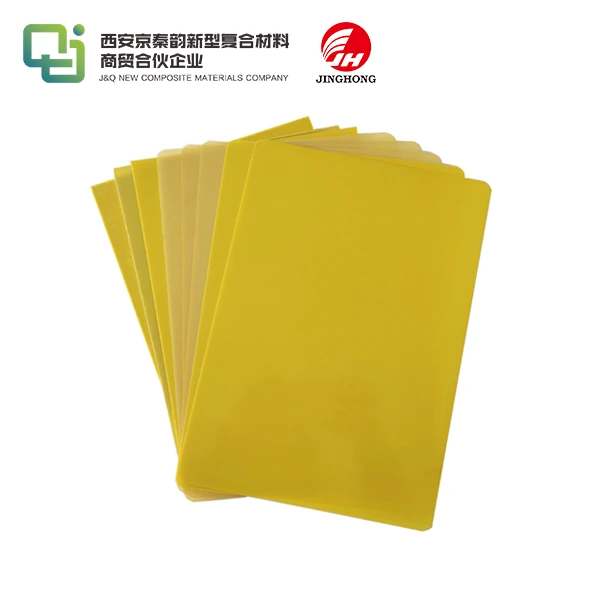
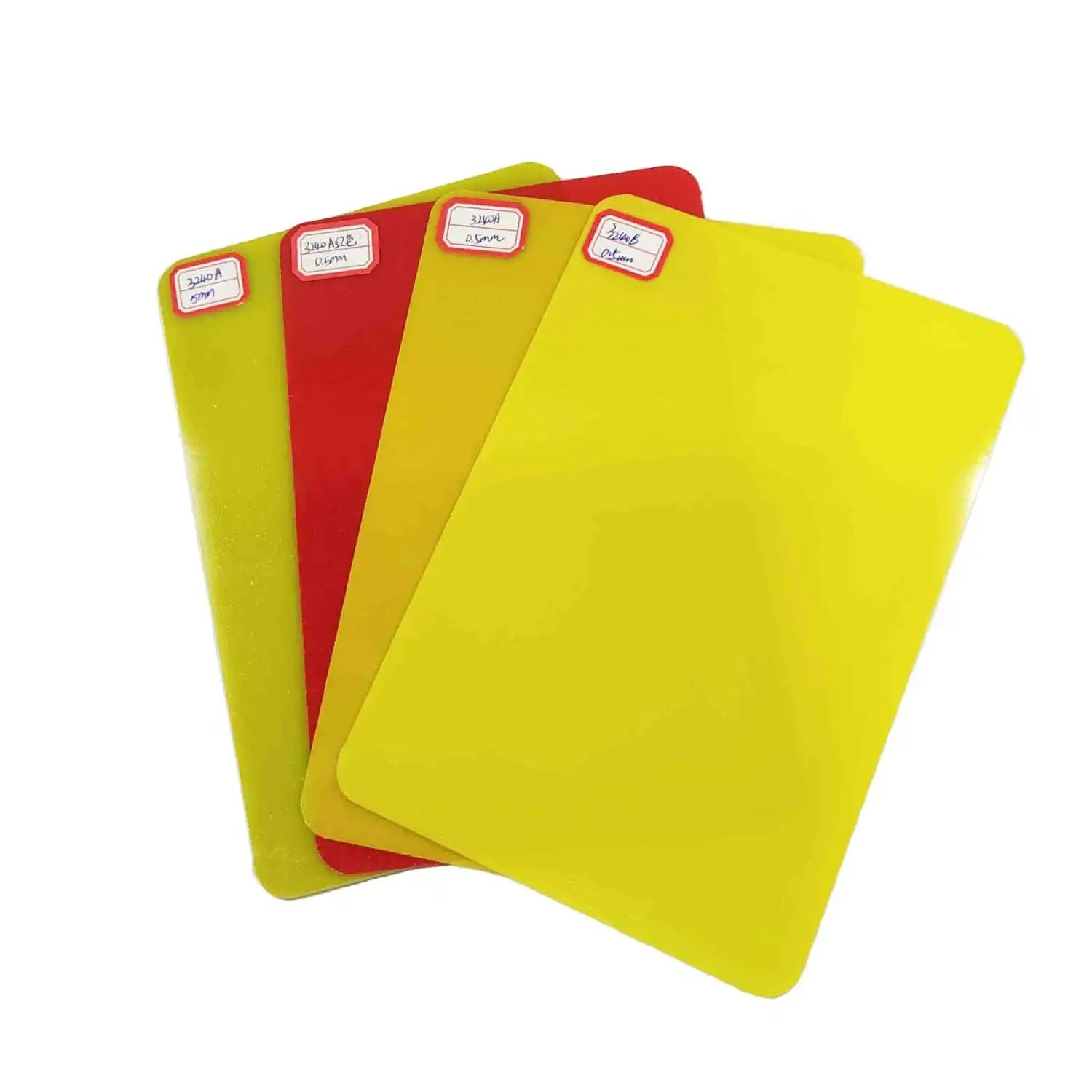
When choosing industrial laminate materials, it's important to know the difference between G10 sheets and regular epoxy resin sheets. The G10 sheet is a special NEMA-grade laminate made of continuous fiber glass cloth that has been soaked in thermosetting epoxy resin. It is designed to be very strong and not conduct electricity. There is a larger group of products called "standard epoxy resin sheets," which may be made with different support materials or methods. The decision you make has a direct effect on how well your product works, how long it lasts, and how well it meets industry standards. This is a choice that procurement managers have to make all the time. They have to balance technical requirements with budget limits while making sure that the product they choose meets strict operating requirements in electrical, automotive, and industrial machinery uses.
Understanding G10 Sheets and Epoxy Resin Sheets
Getting to know G10 sheets and epoxy resin sheets involves understanding their unique place in the industrial laminate hierarchy and how their specific formulations dictate their utility.
Composition and Manufacturing Standards
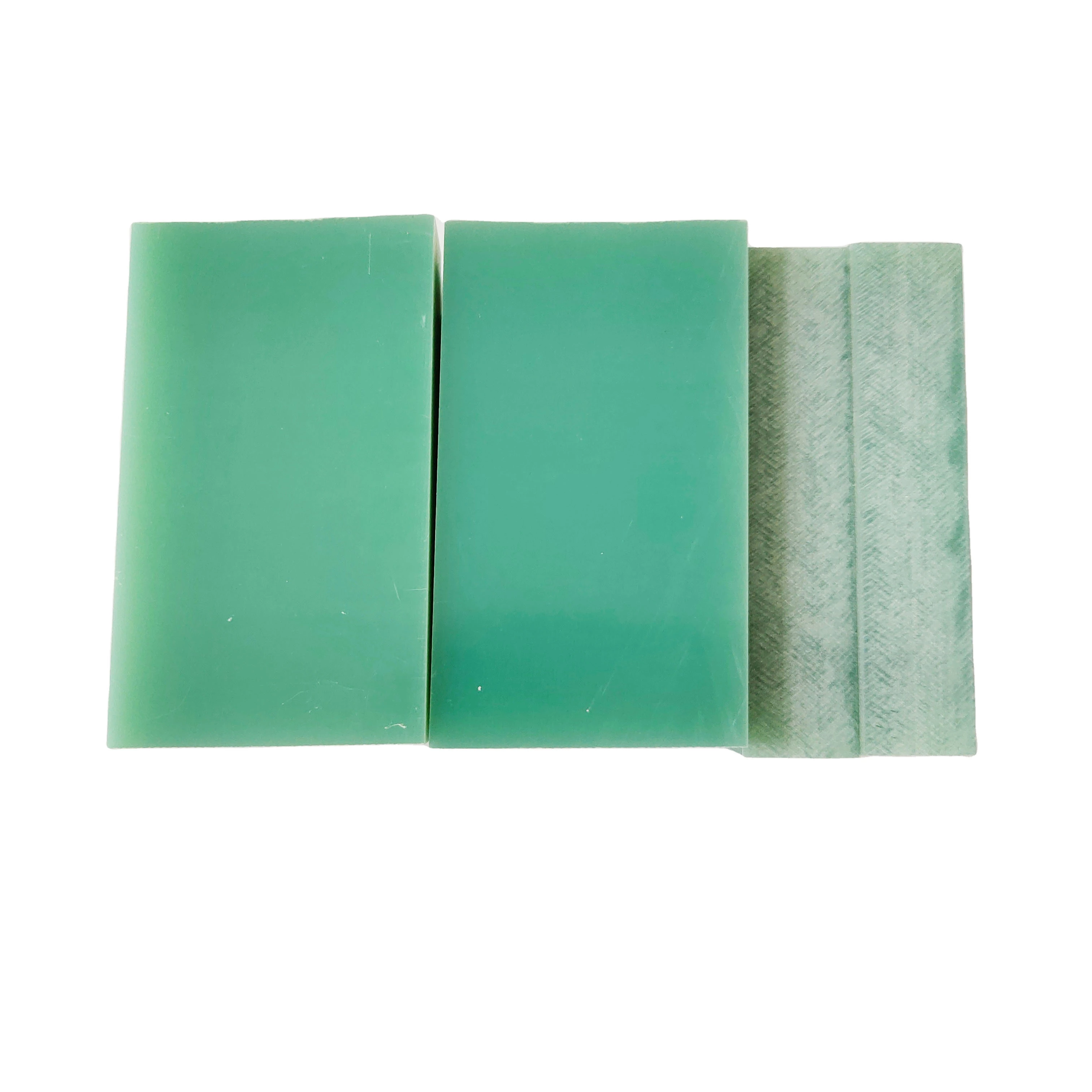
To make G10 sheets, strict NEMA rules are followed, and continuous filament knitted glass cloth that is saturated with epoxy resin is used while heat and pressure are managed. With this high-pressure lamination method, a thermoset material is made that won't melt when heated. The material is approved by MIL-I-24768/2, which means it can be used in military and aircraft settings where dependability is important.
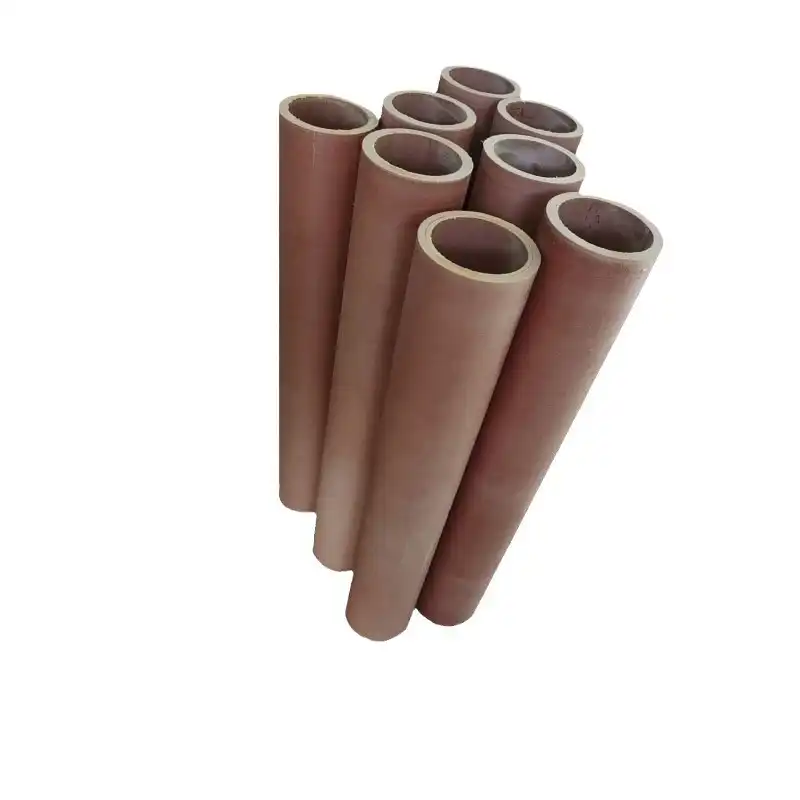
Epoxy resin sheets are a type of a larger material family that includes different types of base supports, like paper, cotton cloth, or chopped glass fibers. All of them use epoxy resin as the binding material, but the type of reinforcement has a big effect on the mechanical qualities, how well it absorbs water, and how much it costs. Knowing these changes in makeup helps procurement teams choose materials that meet the needs of a specific application, instead of guessing based on broad categories.
Defining Mechanical and Electrical Characteristics
In the laminate family, G10 sheet stands out for how well it holds up structures. The tensile strength is usually more than 55,000 PSI along the length, and the compression strength is more than 60,000 PSI. These numbers don't change at all when the temperature goes up to 130°C, which is the material's constant working threshold. Paper-based phenolic laminates can't match the physical stability of the glass fiber support, especially in places with a lot of moisture.
Performance of electrical shielding is important for switches, motor parts, and PCBs all at the same time. The dielectric breakdown strength of G10 sheet stays above 50 kV, and its volume resistivity makes it ideal for high-voltage separation. Water absorption rates below 0.10% keep the electrical qualities the same even when they are wet. This fixes a common problem that happens in marine electronics and equipment in substations. Standard epoxy resin sheets with different types of supports might work well as shielding for lower-voltage uses, but they usually can't compare to G10's electrical and mechanical performance.
Industry Application Profiles
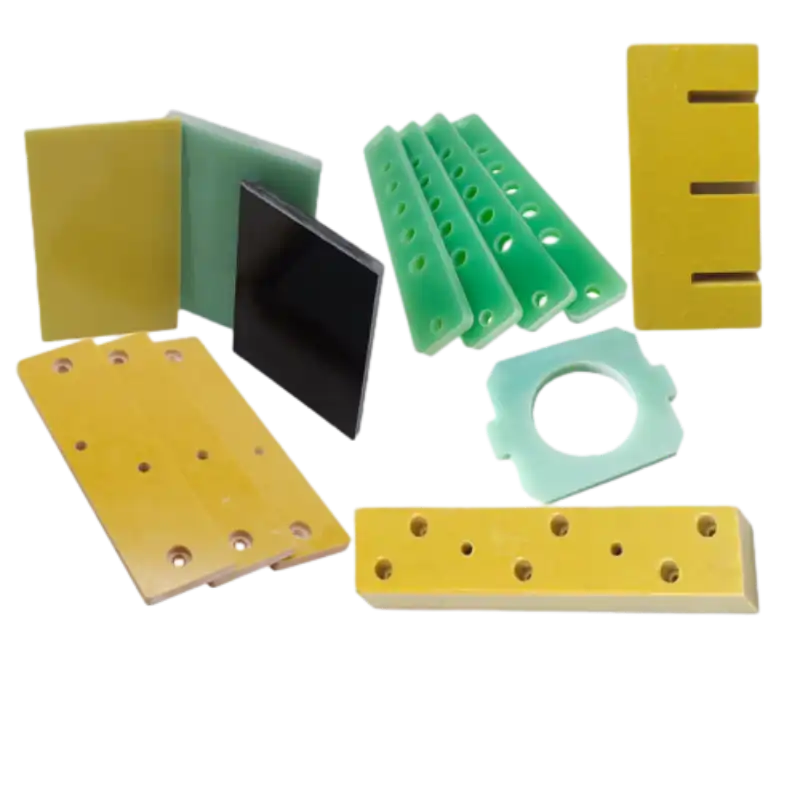
A lot of PCB support structures, bus bar insulators, and phase barriers in switchgear systems are made from G10 sheet by electrical and electronics makers. Because the material can be cut with a CNC machine, it can be used to make complicated shapes with very tight limits. Meeting UL and RoHS standards gives engineering managers the certifications they need for the product approval process.
These laminates are used by people who build industrial machinery for structural insulation parts, gears that don't wear out easily, and mechanical spaces that have to handle heavy loads. Because the material doesn't grow when under long-term pressure, it can be used in situations where maintaining the same size directly impacts how well equipment works. As the production of electric vehicles grows, producers of automotive parts have started using glass-epoxy laminates for battery pack barriers and heat-resistant fixings. Power distribution companies use approved insulation sheets to keep generator coils apart and as arc barriers. These sheets are flame-resistant and thermally stable, which keeps big problems from happening.
Key Criteria for Choosing Between G10 and Epoxy Resin Sheets
When selecting between these materials, several key points must be evaluated to ensure the chosen G10 sheet or epoxy formulation aligns with operational demands.
Mechanical Performance Requirements
A laminate's ability to handle practical stresses without delaminating or breaking is based on its tensile strength and impact resistance. Because it is reinforced with continuous filaments, G10 sheet has uniform mechanical qualities, which makes it a good choice for structural parts that will be loaded and unloaded many times. Other epoxy mixtures that use chopped fiber or cloth as a base might work well for low-stress situations where saving money is more important than power.
Electrical Insulation and Thermal Stability
When materials are CNC machined or used as precision spacers, stability in thickness range is very important. As per ASTM D709 guidelines, industrial-grade G10 sheet keeps its limits within ±0.005 inches for thin gauges. This level of accuracy cuts down on waste during manufacturing and makes sure that everything fits correctly during assembly. To make sure that suppliers are following the standard specs, procurement teams should check with suppliers. Differences in manufacturing quality control can lead to hidden costs like more material waste and production delays.
When you test a material's dielectric strength perpendicular to its laminations, you can see how well it keeps electricity from breaking down under voltage stress. G10 sheet keeps its insulation intact over a wide range of temperatures, which is a big plus for switchgear that works in open substations where temperatures change with the seasons. Because the material has a Class B thermal grade, it can be used continuously at 130°C without losing any of its electrical or mechanical qualities.
Chemical resistance affects the choice of material for uses that will be exposed to chemicals, oils, or cleaning agents. Mineral acids, alkalis, and most organic liquids can't damage epoxy resin systems by themselves. However, strong bases can wear away the surface over time. Knowing the chemical environment of your application can help you avoid materials failing too soon and having to pay for repair that you hadn't planned for. You can be sure of long-term performance by testing compatibility with specific chemicals that are used in your production setting.
Cost Efficiency and Supply Chain Factors
The cost of materials is only one part of the total cost of buying. Machinability changes how fast tools wear out and how long production cycles take, which in turn changes how much each unit costs to make. Due to its abrasive glass fiber content, G10 sheet needs carbide or diamond-tipped tools. However, its structural stability cuts down on setup time and scrap rates compared to materials that tend to warp during cutting.
As production levels rise, the dependability of the supply line becomes more and more important. Production interruptions can be avoided by building relationships with providers who keep regular stock and offer predictable lead times. Value-added services from suppliers, like custom sizing, precision cutting, and material tests, make your internal processes easier and improve quality control at the same time. Your production planning cycles should match up with volume price structures and minimum order amounts so that you can get the most out of your working capital without sacrificing the availability of materials.
Matching Material Selection to B2B Procurement Needs
For B2B buyers, the final choice depends on the specific industry needs, whether it is for electronic assembly or heavy machinery components using G10 sheet materials.
Electrical and Electronics Manufacturing Applications
For PCB manufacturing and computer assembly, you need materials that meet strict electrical requirements and stay the same size. G10 sheet is a great base for testing and custom circuit boards where mechanical strength is more important than flame resistance. The material doesn't absorb much water, so it doesn't change size in ways that could damage solder joints or make it harder for components to line up on finished boards.
When choosing shielding materials for bus bars and phase separation barriers, switchgear makers put arc resistance and dielectric endurance at the top of their lists. The glass-epoxy structure of G10 sheet makes it better at resisting tracking and carbonization than phenolics made from paper. This means that high-voltage distribution equipment will last longer. Engineering managers should choose materials that meet the IEC or ANSI standards that are right for the voltage class of their equipment and the location where it will be installed.
Industrial Machinery and Automotive Component Production
G10 sheet is strong and doesn't wear down easily, which makes it good for mechanical parts like gears, bearings, and structural gaps. The material cuts neatly and doesn't delaminate, so it can be used to make complicated shapes with threaded features or close-tolerance holes. OEM buying managers like how consistent the batches are with each other. This means that fit and function are less likely to change between production runs.
Materials that can handle both mechanical stress and thermal cycles are becoming more and more important for automotive uses. In electric cars, the battery pack separators have to keep the electricity from shorting out while also being able to handle vibrations and temperature changes that can go from -40°F to +120°F during fast charging. Because G10 sheet has a low rate of thermal expansion and doesn't weaken when the temperature changes, it can be used in these tough situations. When R&D engineers test prototypes, they should make sure that the materials work well under rapid aging methods that mimic years of service.
Power Distribution and Energy Sector Requirements
To get safety certifications, transformer makers need shielding materials that have been shown to be stable at high temperatures and not catch fire. Coil insulation and arc barriers made from approved epoxy laminates give long-term procurement experts the dependability they need for equipment that they expect to work for decades without breaking down. Material tracking and quality records are very important when equipment is being inspected by regulators or insurance companies.
Because the power sector focuses on the total cost of ownership rather than the original cost of materials, choosing the right materials is important. Higher-performance laminates may cost more, but they last longer between services and need less upkeep. When electrical engineers look at materials, they should do life-cycle cost studies that take into account the expected service life, how often the materials need to be maintained, and what would happen if key infrastructure broke down too soon.
Common Challenges and How to Overcome Them in Material Selection
Addressing misconceptions and supply difficulties is vital when integrating G10 sheet solutions into a production cycle.
Addressing Misconceptions About Performance Capabilities
Some buying teams think that all epoxy resin sheets work the same, which means that they choose materials based mostly on price. When using this method, important changes in the type of reinforcement, the resin formulation, and the quality of the production process are missed that have a direct effect on the long-term dependability. The NEMA label on G10 sheet means that it meets certain performance standards, while general descriptions of epoxy resin sheets might not make clear promises to specific specifications.
Buyers don't always choose glass-reinforced laminates because they are worried about how easy they are to machine. Because glass fibers are rough, they wear down tools faster than softer materials. However, current carbide tools and the right machining settings make processing go smoothly. Due to its dimensional stability,epoxy resin sheet cuts down on material waste and redo. This often makes up for higher tooling costs, especially in precision uses that need tight tolerances.
Navigating Supply Chain and Quality Assurance
Material availability that changes all the time throws off production plans and pushes buyers to make hasty choices that hurt cost optimization. Production planners need to be able to predict what will happen, so they build ties with providers and make sure they keep strong inventory levels and clear lead times. Suppliers with vendor-managed inventory plans can make it easier to buy things and make sure that supplies are available when they are needed for production.
When buying industrial laminates, it's important to check the quality because an eye review alone can't find problems like incomplete resin impregnation or delamination. Material certifications from reputable sources show that the product meets ASTM and NEMA standards, and test data confirms its mechanical and electrical qualities. Procurement teams should ask for certificates of approval and think about doing regular inbound inspection tests to make sure that suppliers are being consistent.
Evaluating Long-Term Performance and Aging Characteristics
Exposure to the environment has different effects on laminate materials depending on what they are made of and how well they were made. UV light can make the top of epoxy resin chalky and yellow, which could reveal the support strands and weaken the structure. For uses that will be outside or in direct sunlight, you need to use protection coatings or UV-stabilized formulas to keep the material from breaking down too quickly.
Thermal cycling and mechanical fatigue are examples of long-term stresses that may not show up in the original approval tests but have an effect on the stability in the long run. When testing materials for important uses, engineering managers should think about rapid aging methods that act like years of service. Suppliers who have experience in your industry can tell you how long a part is likely to last under certain working conditions. This can help you balance the cost of the part against how often it needs to be replaced and how much upkeep it needs.
Why Partner with a Trusted Supplier for G10 and Epoxy Resin Sheets
Partnering with an established provider ensures that your G10 sheet procurement meets international quality and compliance standards.
Quality Standards and Compliance Certifications
International quality certifications like ISO 9001 show that a provider is dedicated to consistent production methods and ongoing growth. These approvals give you peace of mind that the materials you're buying meet the written requirements and that quality control checks find any problems before they are shipped. As the need for product paperwork grows around the world, following environmental rules like RoHS and REACH becomes more and more important.
Material testing skills set sellers who know how to use technical applications apart from those who just sell goods. Suppliers can give thorough material data sheets and fix performance problems when they can test the mechanical properties, electrical features, and dimensions of the goods in their own facilities. This technical knowledge is useful when looking at different materials or making patterns more easily made.
Value-Added Services and Technical Support
Precision cutting, CNC turning, and surface finishing are all customization options that can cut down on the work you have to do in-house and speed up the time it takes to make something. Suppliers who can offer these services know about the margins, surface finish needs, and physical limits that apply to industry uses. This knowledge helps find problems with making the product during the planning phase, instead of finding them during production.
Technical advice includes more than just choosing materials; it also includes help with application engineering and failure analysis. Suppliers with a lot of experience can suggest changes to the design that make the best use of materials, suggest alternative materials that are cheaper without sacrificing performance, and help with fixing when problems happen in the field. These services that add value to the relationship between a buyer and a seller improve partnerships that go beyond just buying things.
Building Long-Term Supplier Relationships
Stability in the supply chain rests on buyers and sellers having good relationships with each other. By sharing production estimates and planned changes in volume, producers can keep the right amount of inventory on hand and make the best use of their manufacturing capacity. This openness helps everyone because it cuts down on rush orders, finds the best prices, and makes shipping faster and better.
Innovation often comes from working together with suppliers so that expert teams can share information about new uses and performance needs for materials. Suppliers who are willing to work with you for a long time can help you develop new products and may give you early access to new materials or ways of making things. When procurement teams work to build these connections, they gain a competitive edge through better material performance and cost-saving possibilities that can't be found with transactional buying.
Conclusion
When deciding between G10 sheet and other epoxy resin sheet formulas, you have to weigh the technical performance needs against cost and supply chain factors. Because it is strong, doesn't conduct electricity, and stays the same size, G10 sheet is the best choice for hard uses in electrical manufacturing, industrial machinery, and power distribution. Procurement pros can make choices that minimize the total cost of ownership by knowing the composition of materials, manufacturing standards, and long-term performance traits. When you work with experienced providers who offer technical support, quality standards, and value-added services, you can make your supply chain more reliable and get high-performance goods to market faster.
FAQ
What distinguishes G10 sheet from FR-4 in electrical applications?
The glass-epoxy structure of G10 sheet and FR-4 is very similar. However, FR-4 has flame retardants based on bromine that meet UL94 V-0 standards. Because it doesn't have any flame-retardant fillers, G10 sheet usually has a slightly better mechanical strength. If flame resistance certification is needed because of flammability rules, choose FR-4. If mechanical performance is more important than flame resistance, choose G10 sheet.
Can epoxy resin sheets be customized for specific thickness and dimensional requirements?
Most companies that sell industrial laminate can make it to your exact measurements and thickness tolerances by cutting it precisely to those measurements. When you buy more of something, it's cheaper to make it in a custom thickness, but when you buy fewer of them, it's cheaper to cut standard thickness sheets to the right size. Talk to providers about your size needs and expected number to find the most cost-effective solution.
How do G10 and epoxy resin sheets perform in harsh chemical environments?
Most natural acids, alkalis, and organic solvents that are used in industrial settings can't damage epoxy resin systems. Surface degradation may happen after being exposed to strong acidic solutions or some ketones for a long time. You can be sure of long-term success by testing the material's suitability with the chemicals you are exposed to. If the chemicals in your application are known to react badly with normal epoxy resins, suppliers can suggest other laminate formulas.
Partner with J&Q for Reliable G10 Sheet Supply
For more than 20 years, J&Q has been a great manufacturer, and for 10 years, they have been a master in foreign trade. Our many years of experience making industrial laminates and our long-term relationships in markets around the world mean that you will get materials that meet the strictest requirements. During production, we keep a close eye on quality by checking the mechanical properties, electrical features, and dimensional standards to make sure that each batch is the same.
Our combined logistics skills make delivery from our production plant to your receiving dock more efficient. This means you don't have to deal with the problems that come with coordinating deliveries from different vendors. Technical support teams are ready to help with choosing materials, application building, and fixing problems. As a well-known provider of G10 sheets, we know the problems that electrical makers, machinery builders, and clients in the power sector face when they need to buy things. Email our team at info@jhd-material.com to talk about your unique needs and get full technical specs that are made to fit your application.
References
National Electrical Manufacturers Association. "Industrial Laminating Thermosetting Products - NEMA Standards Publication LI 1-2016." National Electrical Manufacturers Association, 2016.
ASTM International. "ASTM D709-19: Standard Specification for Laminated Thermosetting Materials." ASTM International Committee D20 on Plastics, 2019.
Military Specifications and Standards. "MIL-I-24768/2: Insulation Sheet, Laminated, Thermosetting, Glass Cloth, Epoxy Resin." United States Department of Defense, 1995.
Institute of Electrical and Electronics Engineers. "IEEE Standards for Insulating Materials in Electrical Equipment." IEEE Dielectrics and Electrical Insulation Society, 2018.
Underwriters Laboratories. "UL 746E: Polymeric Materials - Industrial Laminates, Filament Wound Tubing, and Vulcanized Fiber." Underwriters Laboratories Standards, 2017.
Society of Plastics Engineers. "Thermoset Composites: Material Selection and Processing for High-Performance Applications." Society of Plastics Engineers Technical Conference Proceedings, 2020.