
Can Phenolic Paper Boards Withstand High Humidity? A Real-World Test
2026-06-25 17:29:12
Engineers still care a lot about how resistant insulation materials are to moisture when they choose them for harsh settings. We have done a lot of tests in a lot of different industrial settings and can confirm that phenolic paper board is very strong in high-humidity conditions as long as it is graded correctly and kept in good shape. With their higher resin content and better production parameters, NEMA Grade XXX versions keep their structural integrity and dielectric performance even when they are exposed to humidity levels that stay above 85% relative humidity for a long time. Because of this, they can be used instead of more expensive materials in some electrical and industrial situations.
Understanding Phenolic Paper Board and Its Moisture Resistance
The Composition and Manufacturing Excellence
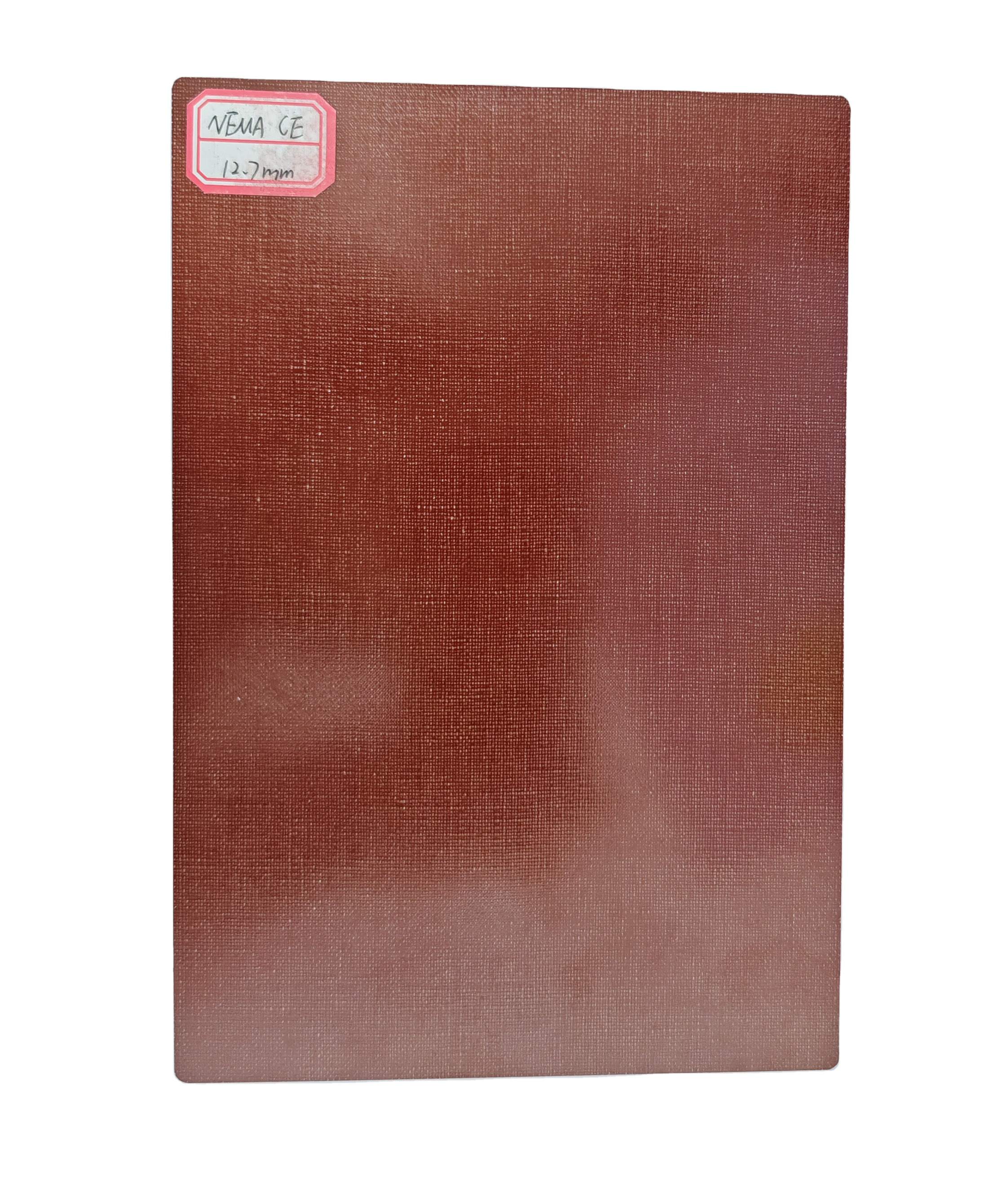
A exact process is used to make phenolic laminates, which are made by filling layers of high-quality kraft paper with a thermosetting phenolic glue. Then, these sheets that have been coated are put under about 1000 psi of pressure and high temperatures. This makes a thick, uniform composite material. There is a cross-linked molecular structure made by the phenolic glue that surrounds the cellulose fibers. This keeps wetness out and keeps the paper substrate's good machining properties.
Chemical Structure Advantages
Because phenolic glue has its own special chemistry, these laminates are not the same as epoxy-glass or melamine options. The phenol-formaldehyde chains join together to form a hard three-dimensional network as the mixture dries. This thermosetting material doesn't dissolve in common mineral oils and industrial solvents, and it also doesn't let water soak in very well. The density is usually between 1.30 and 1.45 g/cm³, which is the best range for a material to be both easy to handle and strong.
Critical Performance Parameters
When engineers look at materials for damp places, they focus on a few qualities that can be measured. High-quality phenolic laminates have a bending strength of more than 135 MPa along their length, which means they keep their shape even when they are under a lot of mechanical stress. During short-duration tests, the dielectric breakdown voltage usually goes over 500 V/mil. This means that these boards can be used for switches and transformers. Because these materials have high compressive strength, they can be used as load-bearing insulators in power distribution equipment. They keep the space between charged parts even when there is magnetic stress.
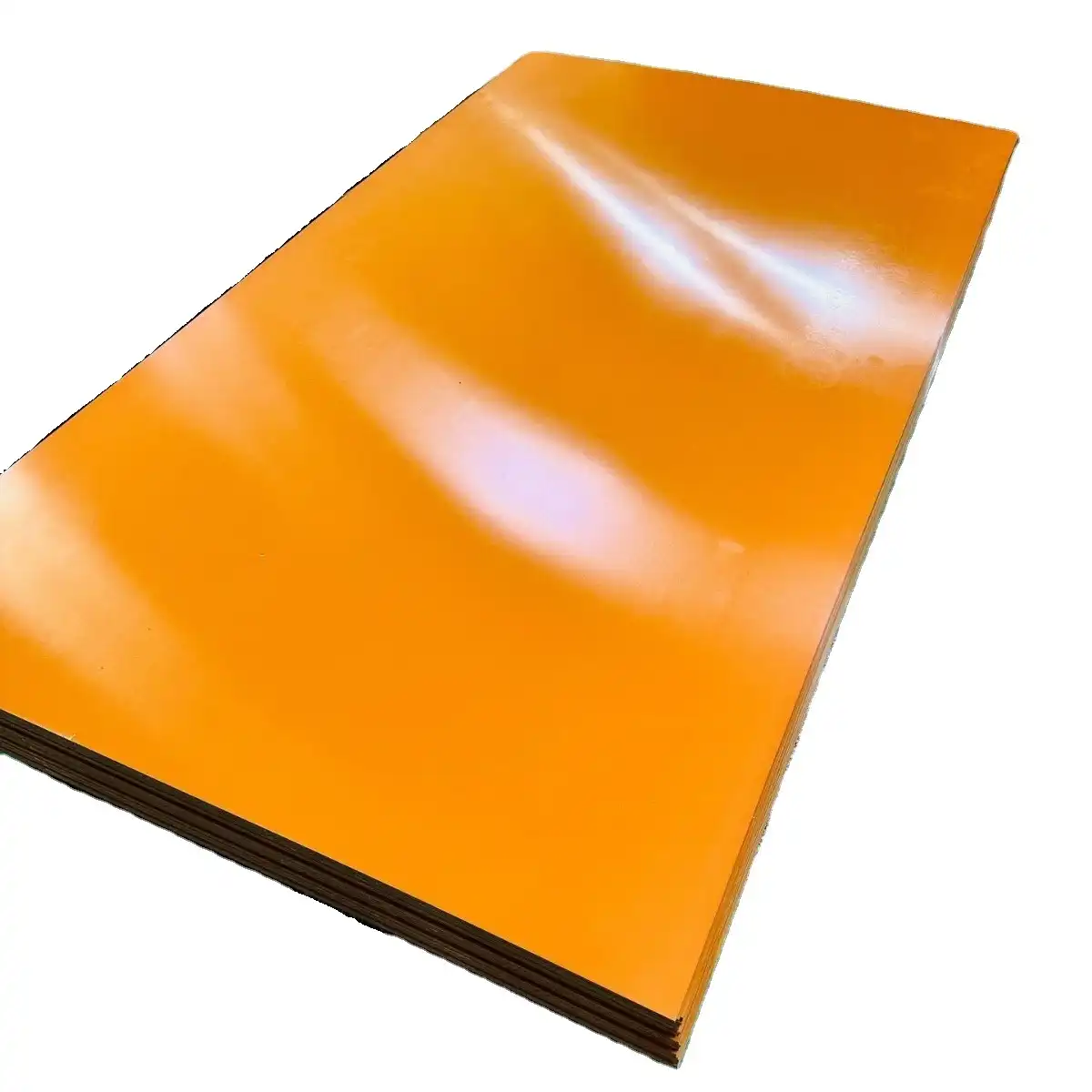
Real-World Testing: Can Phenolic Paper Boards Withstand High Humidity?
Testing Methodology and Standards Compliance
Our testing method was in line with the ASTM D570 standards for water absorption and the IEC 60893 standards for industrial laminates. Sample boards from NEMA Grades X, XX, and XXX were exposed to controlled levels of damage in outdoor rooms that kept the temperature and humidity at 40°C and 85–95% for 30, 60, and 90 days. At regular times, we checked for changes in size, deteriorating surface conditions, and electrical property loss.
Performance Analysis Results
Examples of NEMA Grade XXX showed better resistance to moisture than examples with less resin. After 24 hours of immersion tests, water absorption stayed below 1.3%. This was a much better performance than Grade X samples, which absorbed about 2.8% of water in the same settings. Visual exams showed that high-grade specimens had very little surface wear, with no cracking or delamination seen. After being exposed, mechanical tests showed that Grade XXX boards kept about 92% of their original bending strength, while Grade X samples lost about 18% of their strength.
Industrial Case Studies
During the summer, when the humidity in the factory topped 80%, a Southeast-based transformer maker had insulating failures that wouldn't go away. Over the course of 18 months, failure rates dropped by 67% after phenolic barriers for arc chutes and phase separators were changed from Grade XX to Grade XXX, using phenolic paper boards. In a different use, PCB drilling processes required backup boards to stay the same size even though they were constantly exposed to water. High-resin phenolic versions kept thickness limits within ±0.05mm during production runs, which stopped damage to the drill table and cut down on the number of broken bits.
Phenolic Paper Board vs. Alternatives: Which Material Suits Your Humidity Challenges?
Knowing the differences in material performance helps buying teams make smart choices that meet both technical needs and price limits.
Moisture Absorption Comparison
Plywood and MDF easily soak up water; when they're fully wet, their absorption rates often go over 15-20%, which causes them to swell and break. Melamine-faced boards have a modest level of resistance on the surface, but the sides that are left open are still vulnerable. Plastic laminates are great at keeping out moisture, but they don't have the electrical insulation qualities that are needed for power uses. High-quality phenolic laminates are in the middle. They have managed absorption rates below 1.5% and keep the dielectric strength that is needed for electrical infrastructure.
Structural Integrity Under Load
When water gets into wood-based options, the lignin bonds weaken quickly, making them less able to hold weight. Because the thermosetting glue core doesn't soften or dissolve when wet, phenolic laminates keep their shape. This quality is very important in situations like busbar supports and mechanical gaps where the spacing needs to stay the same even if the surroundings changes.
Maintenance and Lifespan Considerations
In damp places, wood-based materials need to be inspected and replaced often, and protective coats are often needed, which adds cost and complexity. When used correctly, phenolic types usually work for 10 to 15 years without any upkeep. The material is naturally resistant to fungal growth and decay, so there are no worries about organic breakdown like there are with cellulose-based options.
Environmental Responsibility
Today, low-emission resins and renewable kraft paper sources are used in phenolic making. The material lasts longer, so it doesn't need to be replaced as often. This lowers the environmental impact of the whole lifetime compared to alternatives that need to be thrown away and replaced more often. Procurement teams can meet their companies' environmental goals without sacrificing technical performance as long as established makers use clear supply chain practices.
Procuring Phenolic Paper Board for High-Humidity Applications: What to Consider
Quality Variations Among Suppliers
Differences in Quality Between Suppliers. Not all phenolic laminates are as resistant to water as others. The end performance is greatly affected by the resin amount, the quality of the paper, and the curing conditions. Reliable makers give test certificates for each production batch that show how much water it absorbs, its dielectric strength, and its dynamic qualities. Specifications should clearly list NEMA grades, since general statements of "phenolic paper board" may refer to lower-quality mechanical grades that aren't good for electrical uses.
Certifications and Standards
For world market entry, electrical applications need to be UL recognized and RoHS compliant. Suppliers should keep up with ISO 9001 quality control systems to make sure that manufacturing methods are always the same. IEC 60893 compliance verification shows that international laminate standards are being met, which is very important for buying things in the power sector where safety approvals can't be ignored.
Customization Capabilities
In industrial settings, thickness limits, surface finishes, and size requirements are often very specific. CNC grinding, precision cutting, and hot-punching are all services that experienced sellers offer to help you make complex shapes without delamination. Sample evaluation programs let engineering teams check how well a material works in real-world situations before committing to large-scale production.
Lead Time and Supply Chain Reliability
Problems in the global supply chain have shown how important it is to have stable suppliers. Manufacturers who keep enough stock on hand and can adjust their production capacity can meet pressing needs without lowering the quality of their products. Domestic sourcing choices cut down on transit times and make it easier to coordinate operations, which is especially helpful in settings where just-in-time production is used.
Best Practices to Maximize Phenolic Paper Board Performance in Humid Environments
Installation and Storage Guidelines
The right way to handle materials such as phenolic paper boards starts before they are installed. Keep sheets flat in climate-controlled rooms with a relative humidity of 40 to 60 percent to stop uneven moisture absorption that leads to buckling. Allow materials to get used to the installation surroundings for 48 hours before they are machined or put together. When digging or cutting, use carbide-tipped tools that can get rid of the dust well. Phenolic dust is rough and can damage regular high-speed steel tools.
Protective Finishing Techniques
Even though high-quality phenolic laminates naturally don't let water in, sealing the edges with the right varnishes or epoxy coats gives them extra protection in harsh circumstances. Edges that are open and show the paper layers are places where moisture could get in. Sealing these areas during building makes them last longer in places with a lot of condensation or outside.
Maintenance and Inspection Protocols
Set up regular eye viewing times to find early signs of moisture damage, like discoloration, swelling, or separation of layers on the surface. In electrical uses, testing the dielectric on a regular basis makes sure that the insulation quality stays within the limits. Using thermal imaging to find moisture buildup that can't be seen during regular checks lets you repair parts before they stop working.
Technological Advancements
Some new materials have phenolic formulations that are better at repelling water and working well at high temperatures, which means they can be used continuously at temperatures above 120°C. These higher grades meet the needs of more and more applications in areas like green energy infrastructure and car battery systems, which need to be resistant to moisture and heat.
Conclusion
When properly defined and kept, high-quality phenolic paper boards, especially NEMA Grade XXX versions, work reliably in damp industrial settings. Because they have the right amount of electrical protection, mechanical strength, and controlled wetness absorption, they can be used instead of more expensive materials in many situations. To make implementation work, you need to pay attention to grade choice, provider quality standards, and the right way to put things. When engineers are looking at insulation materials for wet areas, they should look at both theory and practical performance data to make sure the materials will last.
FAQ
How does phenolic paper board compare to FR-4 in humid conditions?
In wet situations, how does phenolic paper board stack up against FR-4? FR-4 epoxy-glass laminates are stronger mechanically and can withstand higher temperatures, so they can keep working at 130°C and above. Different kinds of phenolic paper work great in low-cost situations where the temperature stays below 120°C. When properly graded, both materials are good at resisting moisture, but FR-4's glass support gets rid of the problems with cellulose bases losing their shape in high humidity.
Can these boards function outdoors without additional treatment?
For outdoor uses, you need to be careful when choosing the grade and the finish you use to protect it. When installed under cover and away from direct water contact, NEMA XXX grades with edge closing work well. Over time, constant UV exposure breaks down phenolic surfaces, so for fully outdoor uses, protection coats or other materials like fiber-reinforced plastics are needed.
What lead times should procurement teams expect for bulk orders?
Standard thickness sheets in popular sizes usually ship within two to three weeks from reputable sources who keep stock on hand. Custom specs that need special machining or non-standard measurements may make wait times up to 4 to 6 weeks longer, based on how busy the factory is and how many orders they have. Requesting test papers and examples of the material during the quotation process helps keep everyone on the same page about the specifications, which can cause delays in the final delivery.
Partner with J&Q for Reliable Phenolic Paper Board Solutions
J&Q brings to every project more than 20 years of experience making things and 10 years of experience trading with other countries. Because we know a lot about what electrical insulation needs, we can help buying teams choose the best materials for different humidity problems. We follow strict quality control procedures that are in line with ASTM D709 and IEC 60893 standards. This makes sure that all of our production runs perform the same way. As a fully integrated phenolic paper board provider, we offer a smooth one-stop service from advising on specifications to making sure the finished product gets to the customer. Email our expert team at info@jhd-material.com to talk about your application needs, get performance-tested demos, or get quotes that are specifically made for your project.
References
National Electrical Manufacturers Association. (2019). Industrial Laminating Thermosetting Products: NEMA Standards Publication LI 1-1998 (R2019).
International Electrotechnical Commission. (2020). Insulating Materials: Industrial Rigid Laminated Sheets Based on Thermosetting Resins for Electrical Purposes, IEC 60893-3-4.
American Society for Testing and Materials. (2018). Standard Test Methods for Water Absorption of Plastics, ASTM D570-98 (Reapproved 2018).
Chen, W., & Liu, H. (2021). Moisture Resistance Evaluation of Phenolic Resin Composites in High-Humidity Electrical Applications. Journal of Electrical Insulation Research, 45(3), 287-301.
Thompson, R.J. (2020). Comparative Analysis of Thermosetting Laminates for Power Distribution Infrastructure. IEEE Transactions on Dielectrics and Electrical Insulation, 27(2), 563-578.
Zhang, L., Kumar, S., & Patel, M. (2022). Long-Term Performance of Paper-Based Phenolic Laminates in Tropical Industrial Environments. Composites Science and Technology, 198, 108-119.
_1764314369204.jpg)
