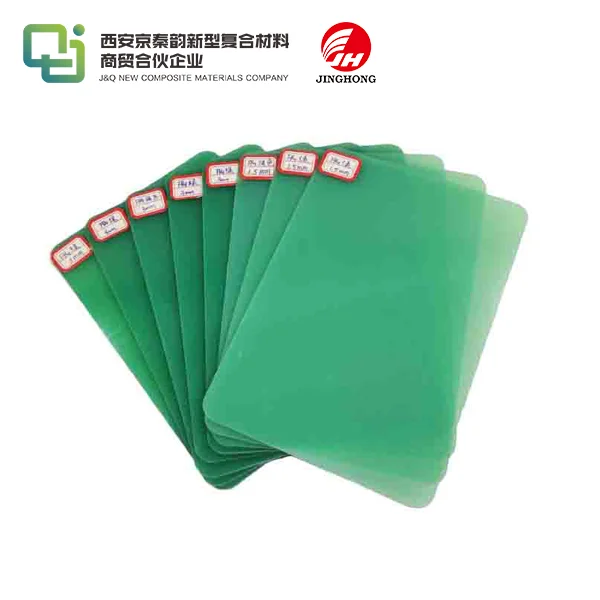
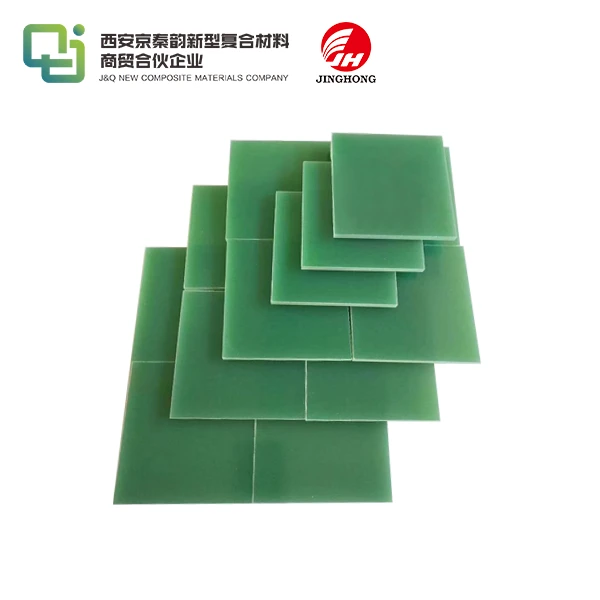
How Temperature Fluctuations Affect the Dimensional Stability of FR4 Sheet?
2026-06-25 17:29:10
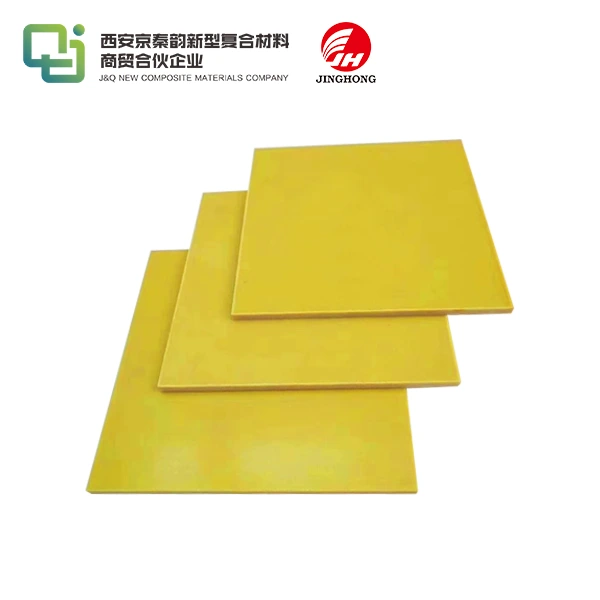
Changes in temperature have a big effect on the stability of the dimensions of FR4 sheets because they cause cycles of thermal expansion and contraction that put stress on the structure of the glass-epoxy laminate. Because they have different Coefficients of Thermal Expansion (CTE) values, the epoxy resin and glass fiber parts expand at different rates when exposed to different temperatures. When temperatures change quickly or over and over, this mismatch causes internal stresses that can show up as bending, bowing, or microcracking. The changes in dimensions directly affect the accuracy needed in PCB assemblies, parts for electrical insulation, and mechanical fixings that need to be very precise.
Understanding Dimensional Stability of FR4 Sheet
Dimensional stability is a material's ability to keep its size and shape even when it is exposed to things that can damage it. This quality is very important for glass-reinforced epoxy laminates that are used in the production of the FR4 sheet across many different industries.
The Core Material Composition
The laminate structure is made up of layers of woven glass cloth that are fully soaked with thermosetting epoxy glue. During the making process, controlled heat and pressure are used to squeeze and cure multiple layers. For mechanical strength and dimensional stiffness, the glass strands are used. The epoxy matrix holds the structure together and provides electrical protection. There are benefits to this hybrid design, but it also makes thermal reaction more complicated, which engineering teams need to understand.
Critical Parameters Affecting Stability
The glass support and epoxy resin parts have very different thermal expansion factors. In both the warp and fill directions, the CTE of glass fibers is between 5 and 7 ppm/°C, while the CTE of epoxy resin is between 50 and 70 ppm/°C. Because of this big difference, changes in temperature cause mechanical forces inside the plastic structure. Since most of the glass fiber reinforcement is in the x-y plane, the z-axis (thickness direction) usually has the biggest expansion rate.
Why It Matters for Manufacturing
Electrical and electronics makers need uniform sizes to make sure that holes are placed correctly, that wires are routed correctly, and that components are mounted correctly. For industrial machinery makers, mechanical spacers and structure insulation parts need to be able to work with known tolerances. Applications in the power sector need steadiness to keep insulation walls in place while they are constantly under thermal load. For battery pack parts and accurate fixtures, automotive providers need consistent sizes. Even very small differences in size, measured in micrometers, can cause problems with mechanical interference, electrical shorts, or assembly fails.
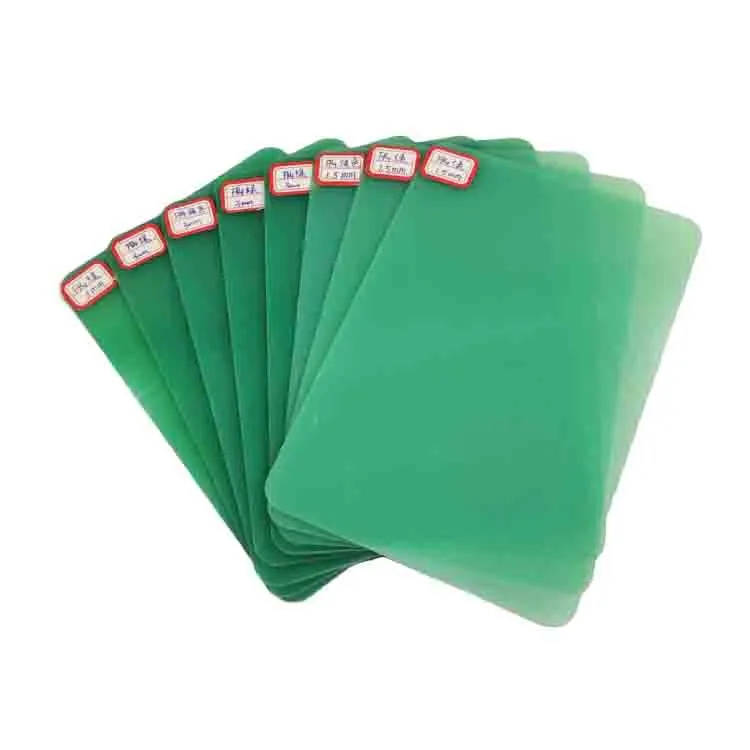
How Temperature Fluctuations Impact FR4 Sheet Performance
In the real world, temperatures rarely stay the same in working settings. Equipment starts up and shuts down, changes with the seasons, and makes heat during operation, which puts FR4 sheets under constant thermal stress.
The Physics of Thermal Cycling
When the temperature goes up, the epoxy glue tries to expand faster than the glass cloth that is holding it back. This difference makes shear forces at the point where the glue and fiber meet. When you cool something down, the process goes backwards, which could leave leftover forces in the laminate structure. Changes in temperature that happen only once usually cause deformation that can be fixed, but cycling things over and over again causes mechanical wear that leads to lasting changes in size.
Visible Manifestations of Instability
Warping shows up as distortion that isn't flat, like sheet corners that rise or bow away from the center line. This deformation makes automatic building processes harder to use and makes gaps in structures that are built up of layers. When the links between the layers of resin and glass break over and over again because of high temperatures, delamination happens. This leaves holes inside the material that weakens its mechanical strength and dielectric properties. Cracks appear on the surface when stress builds up and is higher than the epoxy resin's maximum tensile strength. This is most likely to happen at edges, corners, and drilled holes where stress is concentrated.
Consequences in Production Environments
When PCB boards have dimensional changes, component leads get out of line, solder joints fail, and traces crack. When insulation parts in switchgear bend, they may not leave enough space between conductors, which can cause an arc-over. When the sizes of motor insulation frames change, they can get in the way of moving parts or leave air gaps that affect the performance of magnetic circuits. When it comes to automotive battery walls that need to fit together perfectly, gaps can form that make heat management systems less effective. These mistakes directly lead to warranty claims, field returns, and a bad image for the brand.
Key Factors Influencing FR4 Dimensional Stability Under Temperature Stress
How different laminate panels react to different temperatures depends on a number of factors. Knowing about these things helps with choosing the right FR4 sheet and designing applications.
Raw Material Quality and Formulation
Premium epoxy resin systems that are made with higher glass transition temperatures are more stable in terms of their dimensions. The Tg measure shows the temperature range in which the polymer changes from a hard, glassy state to a softer, flexible state. High-performance FR4 grades can hit 170°C to 180°C, while standard grades usually have Tg values between 130°C and 140°C. Working below the Tg makes sure that the plastic keeps its hard shape and doesn't change. Quality of the glass fabric is just as important as the size of the panel. Consistent weave patterns, the right sizing chemicals, and controlled fiber tension during lamination all help the panel respond the same way to heat across all of its dimensions.
Manufacturing Process Variables
Curing patterns have a big effect on the amount of stress that is locked into finished laminates. The epoxy crosslinking reaction can happen evenly across the width of the panel thanks to gradual heating steps, long dwell times at peak temperature, and controlled cooling rates. Hasty drying times can leave areas of resin that haven't fully responded and aren't stable at high temperatures. How the layers of glass fabric fit together and how the resin fills the places between them are affected by how the press pressure is distributed. When pressure isn't equal, it can make some areas more resin-rich than others, and these areas will react differently to changes in temperature.
Geometric Considerations
Absolute dimensional stability is usually better in thicker panels because the higher cross-sectional stiffness avoids bending moments caused by temperature differences. But thicker parts also take longer to reach thermal balance, which could lead to brief differences in temperature through the thickness when temperatures rise or fall quickly. When the material's CTE stays the same, larger panel sizes make absolute expansion values bigger. A 500mm x 500mm panel that expands at 15 ppm/°C experiences a 0.75mm change in size for every 100°C temperature change. This is a big deal when precise tolerances need control within ±0.1mm.
Thermal Environment Characteristics
Over hours, the temperature changes slowly, which lets the laminate structure reach thermal balance with few differences in internal stress. When wave soldering, boards that are at room temperature are exposed to liquid solder that is 260°C. This creates big temperature differences between the surface and the core, which causes distortion. The regularity of cycling is important because materials' viscoelastic behavior changes over time. High-frequency temperature changes might not give enough time for rest between cycles, which means that tiredness builds up faster than when the same temperature ranges are applied more slowly.
Best Practices to Mitigate Dimensional Instability Risks in FR4 Sheets
During the lifecycle of a product, engineering teams can use a number of different tactics to keep physical stability problems to a minimum for the FR4 sheets. Choosing the right materials, making design adjustments, and controlling operations are all part of a complete method.
Specifying Appropriate Material Grades
Reliability starts with matching the temperature properties of the laminate to the needs of the application. High-Tg formulations that stay hard at working temperatures are useful for applications that are exposed to high temperatures all the time. The UL94 V-0 flame grade makes sure there is no fire risk without affecting the thermal efficiency. As required by NEMA LI-1 standards, thickness limits make sure that the starting measurements are always the same. Certification paperwork that includes CTI values, dielectric breakdown voltage, and thermal stress test data proves that the material can do what it says it can do.
Design Accommodation Strategies
When designing mechanical parts, they should leave enough space for expected temperature growth. Instead of round holes, mounting hole shapes can use slotted openings that let things move freely in the same plane. Combined CTE materials that grow with each other instead of against each other are good for multi-layer structures. Models that use finite element analysis can predict how things will change when they heat up and find areas with a lot of stress that need to be changed in the design. Before committing to production tooling, analytical results are checked by making a prototype that is subjected to actual temperature cycling.
Controlled Handling and Storage
The qualities of a material start to break down as soon as production is over. When epoxy resin absorbs water, it makes it grow and lowers the glass transition point. Temperatures should stay between 15°C and 25°C and the relative humidity should be between 40% and 60%. When sealed packaging with desiccant is used, it stops the air from absorbing moisture during shipping and storage. Condensation can't happen when materials are given time to warm up to room temperature before they are processed. First-in, first-out inventory movement makes sure that older stock is used up before it goes bad.
Process Control During Fabrication
Cutting tool friction causes a lot of localized warmth during CNC machining processes. With the right feed rates, sharp tools, and good chip evacuation, heat doesn't build up, which would release leftover stresses and cause deformation after cutting. The factors for drilling must find a balance between output and the risk of delamination at the entry and exit points of the hole. Profiling is needed for thermal processing steps like solder reflow to keep high temperatures and heating rates as low as possible while still making sure that the solder joints are stable. Post-processing dimensional checks make sure that the steps used in the fabrication process kept the needed limits.
Choosing the Right FR4 Sheet Supplier for Reliable Dimensional Stability
Material quality changes a lot between sources, even though the specifications may look similar. Working with makers who can really control the process and have a lot of technical knowledge is what makes the difference between stable FR4 sheet production and one that needs to be fixed all the time.
Manufacturing Capabilities That Matter
Modern factories use press devices with multiple openings that evenly distribute pressure across large panel areas. Automated resin impregnation lines make sure that the resin content is always the same, with no dry spots or resin pools. During the cure stage, computer-controlled curing ovens keep exact temperature profiles. In-process tracking systems keep an eye on important factors and change variables automatically to make sure they stay in line with specifications. These skills directly lead to stability from batch to batch, which buying teams can rely on.
Quality Verification Systems
Every production lot is checked against set standards using thorough testing procedures. It passes the IPC-TM-650 Method 2.4.13 thermal stress test and is resistant to delamination and burning at soldering temperatures. The IPC-TM-650 Method 2.4.39 for measuring dimensional stability figures out the expansion values in the X, Y, and Z directions. Testing the peel strength makes sure that the bond between the copper foil and the plastic base is solid. These data points are added to the material approval paperwork that goes with every package.
Technical Support and Collaboration
Suppliers with real scientific knowledge help customers choose the right materials, make suggestions for improving processes, and get help with failure analysis when problems happen. Application experts who know about the needs of different industries can offer different grades or standards that work better in certain thermal conditions. Quick responses to technical questions and requests for samples show that you care about the success of your customers in more ways than just a commercial sense.
Traceability and Documentation
Full material tracking from raw materials to finished things lets you figure out what went wrong when problems happen in the field. Batch codes that are related to production records show exactly how each panel was made. Regulatory confidence comes from compliance approvals like UL recognition, RoHS declarations, and REACH substance disclosures. Reports from mill tests that include physical, electrical, and heat test results give quality teams unbiased information they can use to make choices about incoming inspections.
Conclusion
Changes in temperature put stress on the structure by making the glass and epoxy parts expand and contract at different rates. This causes interior pressures that show up as warping, delamination, and cracking. Choosing materials that are right for the FR4 sheet application's temperature conditions, designing in ways that allow for expected growth, and handling things in a controlled way all help to lower these risks. When you work with providers who show they have strict process controls and do a lot of testing, you can be sure that the materials will perform the same way at all output volumes.
FAQ
What temperature range can standard FR4 sheets tolerate?
Standard FR4 sheets can usually handle temperatures up to 130°C without losing a lot of their properties. High-Tg models can handle temperatures of 170°C or higher. When materials meet the right thermal stress resistance standards, they can be exposed to temperatures up to 260°C for short periods of time during soldering processes without delaminating.
How does dimensional instability affect PCB assembly reliability?
Changes in dimensions can affect the hole pattern, which can throw off the alignment of component leads with pad locations. This can lead to open solder joints or shorts between features that are next to each other. Trace route puts a lot of stress on corners and vias, which can break after being heated and cooled many times. Most of the time, these failures show up as irregular electricity problems that are hard to figure out and expensive to fix.
What inspection methods verify dimensional stability before procurement?
Ask for proof that the material is certified, such as measurements of its thermal expansion coefficients according to IPC standards, the results of a thermal stress test that shows no delamination or burning, and measurements of its physical change after being exposed to controlled heat. Before making big purchases, suppliers can back up their claims with independent testing on physical samples that are sent to approved labs.
Partner with J&Q for Dimensionally Stable FR4 Sheet Solutions
For more than 20 years, J&Q has been making high-performance FR4 sheets that are designed to work in harsh thermal conditions. The high-tech factories where we make things use precise press systems and computer-controlled drying processes that make sure that every batch is the same. Before it is shipped, every factory lot goes through strict temperature stress tests and dimensional stability checks. We have been making these laminates for a long time for the electrical, industrial machinery, power generation, car, and appliance industries. We know the exact tolerances that your uses need. Our combined logistics services make delivery planning easy and keep materials in good shape from the plant to your receiving dock. Email our scientific team at info@jhd-material.com to talk about your unique needs for dimensional stability and get material suggestions based on a lot of test data.
References
Coombs, Clyde F. "Printed Circuits Handbook: Seventh Edition." McGraw-Hill Education, 2016. Chapter 8: Base Materials for Printed Wiring Boards.
IPC-4101 Specification for Base Materials for Rigid and Multilayer Printed Boards. Institute for Printed Circuits, Revision D, 2018.
Tummala, Rao R., et al. "Microelectronics Packaging Handbook: Technology Drivers Part I." Springer Science & Business Media, 2008. Section on Laminate Thermal Properties.
National Electrical Manufacturers Association (NEMA). "Industrial Laminating Thermosetting Products Standard LI 1-2012." NEMA Standards Publication, 2012.
Harper, Charles A. "Electronic Materials and Processes Handbook: Fourth Edition." McGraw-Hill Professional, 2014. Chapter 5: Epoxy Resin Systems for Electrical Laminates.
Jawitz, Michael W. "Printed Circuit Board Materials Handbook: Second Edition." McGraw-Hill Education, 2018. Chapter 4: Dimensional Stability and Thermal Expansion Considerations.