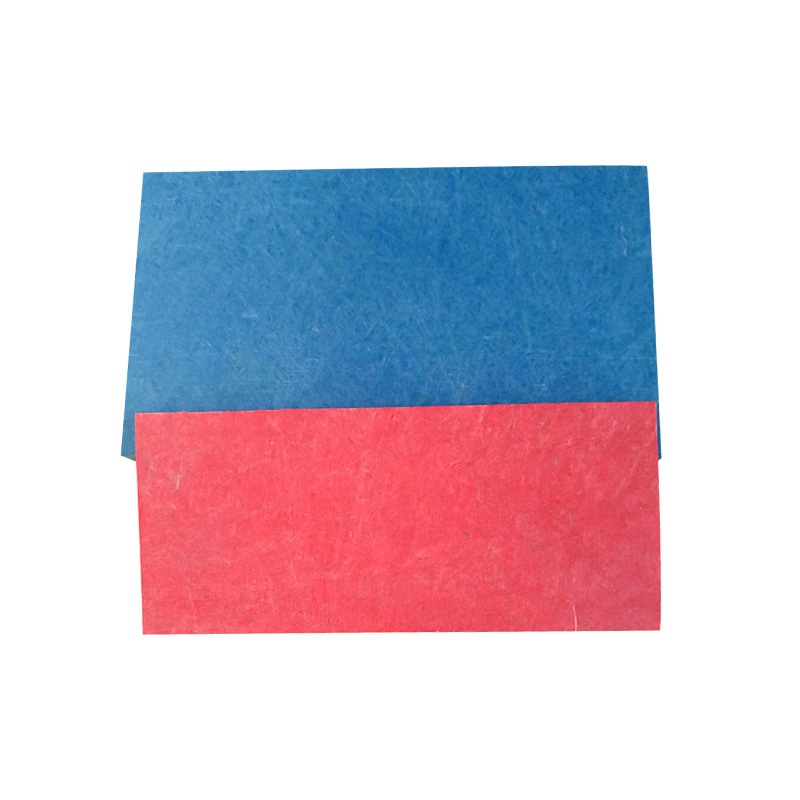
The Rise of Halogen-Free FR4 Sheet: Why Environmentally Friendly is Better
2026-06-29 17:25:01
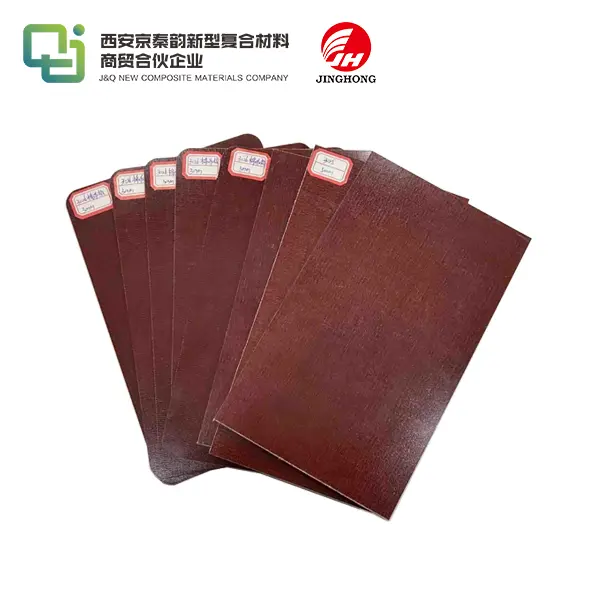
Halogen-free FR4 sheet materials represent a pivotal shift in sustainable electronics manufacturing, directly addressing environmental and regulatory challenges that traditional flame-retardant laminates cannot solve. Unlike conventional FR4 formulations that depend on bromine-based compounds, halogen-free variants use phosphorus-based or nitrogen-based chemistries to achieve flame retardancy. This innovation reduces toxic smoke emissions during combustion, aligns with RoHS and REACH directives, and meets growing demands from procurement teams prioritizing ESG compliance without compromising the mechanical strength, dielectric properties, or thermal stability required for critical applications.
Understanding Halogen-Free FR4 Sheet: What Sets It Apart?
Chemical Composition Differences
Tetrabromobisphenol A (TBBPA) is what gives traditional FR4 its UL94 V-0 flame retardancy. Halogenated materials give off hydrogen bromide and dioxins when they catch fire. These are chemicals that can be harmful to your health and the environment. In halogen-free epoxy laminates, these chemicals are switched out for red phosphorus or metal hydroxides, which, when burned, make safe char layers. Using this system stops the flame from spreading and makes a lot less harmful and corrosive gases. The structure of the glass-epoxy matrix stays the same, so the physical stability and shielding performance that engineers expect are kept.
Environmental and Health Impacts
Halogenated flame retardants build up in water and soil, posing long-term environmental problems. Manufacturing plants that use brominated materials have to follow tougher rules for getting rid of waste and pay more for insurance. When workers are exposed to results of burning while soldering or machining, they face higher health risks. These worries are lessened by halogen-free options that get rid of lingering organic pollutants where they start. Regulatory bodies in Europe and North America now give more weight to materials that can show provable drops in the amount of dangerous substances they contain. This means that halogen-free FR4 sheet is now required by law and cannot be upgraded.
Compliance with Global Standards
The RoHS 3 and REACH SVHC lists put strict limits on the use of halogenated chemicals in the production of electronics. Halogen-free FR4 sheets that meet IEC 61249-2-21 standards can be used with lead-free soldering methods and keep their electrical insulation resistance above 10^8 Ω even when they are wet. With these certificates, procurement teams can make checks of vendors easier and lower the risk of liability in the supply chain. Switching to materials without halogens shows that a company is responsible and puts makers ahead of expected regulatory growth in the industrial and car sectors.
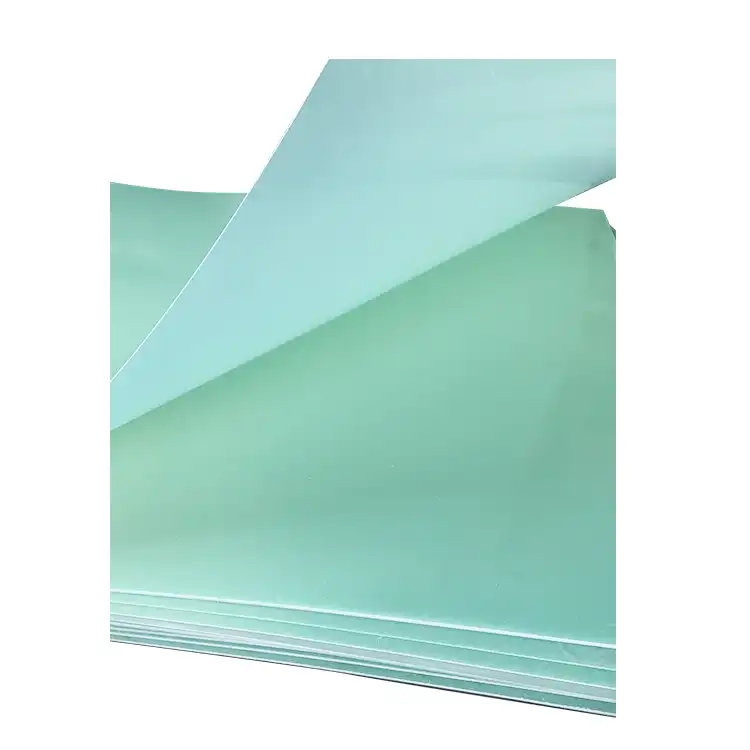
Market Drivers Behind the Rise of Halogen-Free FR4 Sheets
Regulatory Pressures and Legislation
The European Union's Circular Economy Action Plan and California's Proposition 65 both have strict rules about how halogenated chemicals must be reported. Materials that don't follow the rules could have their access to the market limited or even have to be recalled. Major OEMs now require halogen-free certifications as part of the process of qualifying suppliers. This puts pressure on everyone in the supply chain. There is agreement around the world that flame retardant technology needs to move beyond old chemistries. This is causing fast adoption rates in power distribution equipment, consumer products, and vehicle systems.
Corporate ESG Initiatives
When it comes to environmental effect measures, investors pay close attention to publicly traded manufacturers. Purchasing tactics that don't use halogens directly raise ESG scores by lowering the Scope 3 emissions that come from getting rid of toxic materials. Sustainability reports that stress the use of halogen-free materials help a brand's image with B2B and environmentally conscious customers. Major electronics companies have said they will stop using halogenated materials by 2025. This means that halogen-free FR4 sheet will be expected from all tier-1 sources.
Supply Chain Risk Mitigation
Manufacturers who depend on brominated flame retardants may have trouble getting supplies when chemical rules change. Several Asian countries have put limits on the sale of halogenated materials, which makes it harder to move goods across borders. Halogen-free choices give you more ways to get your supplies and make you less vulnerable to quick changes in the law. More and more, purchasing managers see using halogen-free materials as a way to protect against output delays caused by safety issues.
Advantages of Halogen-Free FR4 Sheet for B2B Clients
It is important to know that halogen-free FR4 materials make measured changes in practical, financial, and environmental areas before looking at specific benefits. In short, these are the main benefits:
- Environmental and Safety Benefits: Halogen-free formulas cut toxic fume releases during heat events by 60–80% compared to brominated options. This quality is very important in sealed equipment sites where smoke poisoning directly affects how to handle emergencies. Less acidic gas production makes metal parts next to each other last longer in switchgear systems and transformer housings. The cost of getting rid of trash goes down a lot because it's easier to classify dangerous materials.
- Performance Parity with Traditional FR4: Tests done by a third party show that halogen-free epoxy laminates keep their dielectric strength above 20 kV/mm and their tensile strength above 400 MPa, which is the same as standard FR4 sheets requirements. In high-performance grades, glass transition temperatures (Tg) hit 170°C, making them good for lead-free soldering profiles. CNC machinability stays the same, so cutting or drilling settings don't need to be changed. The rate of moisture absorption stays below 0.15%, which keeps the dimensions stable in damp places.
- Long-Term ROI Through Risk Reduction: Halogen-free FR4 materials usually cost 8–15% more at first than normal grades. But this price is balanced out by lower insurance rates, lower costs for following the rules, and longer product life. Manufacturers don't want to have to do expensive redesigns because of quick changes in the law. Streamlining the approval process speeds up the time it takes to get new products into markets that are controlled by environmental laws.
These benefits all help electricity engineers, procurement experts, and supply chain managers meet their business goals when they're looking for long-term solutions that don't hurt performance.
How to Select the Right Halogen-Free FR4 Sheet for Your Application
Application-Specific Requirements
Materials approved to IEC 60893 standards must be able to withstand constant temperatures of up to 155°C in the power sector. The shields around automotive batteries must have UL94 V-0 grades and be strong enough to handle vibration and impact loads. Controlled impedance properties and copper peel strength above 1.4 N/mm are important to PCB makers. To make sure that precision pieces fit correctly, the thickness tolerances of parts for industrial tools must be within ±0.1mm. By setting these factors up front, you can avoid costly material mismatches.
Certification and Testing Verification
Reliable providers offer third-party test results that confirm UL94 V-0 performance, halogen content below 900 ppm (chlorine + bromine), and formulations without antimony. The IPC-4101 standards group material types by how well they handle heat, which lets you directly compare products from different manufacturers. Teams in charge of buying things should check tracking systems that connect batch numbers to certifications for raw materials. Being open with suppliers about the chemistry of the resin and the specs for the glass weave shows that the production process is mature and that quality control is strict.
Supplier Technical Support
When switching to materials without halogens, it helps when sources offer process integration advice, especially when it comes to solder float testing and making changes to temperature profiling. Vendors who have their own CNC machines can provide pre-cut parts that are made to exact specs, which cuts down on production waste. Engineers can check their design ideas by looking at material datasheets that show CTI ratings, arc resistance, and bond strength factors. Established providers with transportation know-how make sure that delivery times are always met, which is very important in high-volume production settings.
Future Outlook: The Growing Role of Halogen-Free Materials in Electronics
Technological Advancements
New developments in phosphorus-nitrogen synergistic flame retardant systems get UL94 V-0 ratings with lower chemical loads. This makes the materials stronger and cheaper. Nano-clay support technologies improve the thermal conductivity of halogen-free laminates, which helps high-power electronics deal with heat dissipation problems. Bio-based epoxy glue research could lead to even more environmental benefits without lowering the performance of electricity systems. Because of these improvements, halogen-free materials are now the best choice for next-generation uses in 5G infrastructure, electric cars, and green energy systems.
Market Expansion Projections
Analysts in the industry think that the market for halogen-free laminate will grow at a rate of more than 12% per year until 2030. This is because more cars will be electric and more green energy will be used. Asian companies are putting a lot of money into halogen-free production to meet the strict environmental standards of export markets. This increase in capacity will make it easier to get and lower the price, which will speed up usage in both the industrial machinery and household appliance sectors. Purchasing teams that start working with suppliers now will be in a better position when demand rises.
Strategic Procurement Recommendations
Proactive sellers should work with more than one halogen-free material provider to make sure they have a steady supply during market changes. Less reliance on single-source sellers can be achieved by creating internal testing methods to qualify alternative materials. Having working relationships with sellers who are technically skilled makes it easier to solve problems quickly during material changes. Long-term contracts that promise a certain amount of goods can help you get better prices as market demand rises. With these tactics, manufacturers can take advantage of governmental tailwinds while still having the freedom to change how they make things.
Conclusion
Halogen-free FR4 sheets offer a strong mix of environmental responsibility, legal compliance, and technical performance that fits with today's buying goals. The switch from brominated flame retardants to phosphorus-based chemicals handles important health and safety issues while keeping the necessary mechanical strength, thermal stability, and electrical protection for tough uses. Halogen-free materials have become the standard in the industry thanks to growing regulations, business sustainability requirements, and technical progress. When procurement teams use these products, they set their companies up to be competitive in the long run in markets that care more about the environment.
FAQ
Can Halogen-Free FR4 Withstand High-Temperature Applications?
High-performance FR4 grades that don't contain halogens and have high glass transition temperatures (Tg ≥ 170°C) work consistently in settings that are always hot up to 155°C. The solder float test at 288°C for 10 seconds or more shows that these materials don't delaminate, so they meet the standards for lead-free assembly methods. The thermal stability is the same as standard FR4 formulations, which is good for generator coil insulation and car underhood parts.
What Certifications Should Buyers Verify?
UL94 V-0 flame rating, RoHS compliance paperwork, and halogen content proof showing total chlorine and bromine levels below 900 ppm are all important certificates. ISO 9001 approval means that the quality systems used in production are uniform. The IPC-4101 specs set standard performance categories that let you directly compare materials. Third-party testing results that confirm the electrical and mechanical properties give buyers even more trust.
Does Switching Increase Overall Costs?
Initial material prices usually go up by 8–15%, but the total cost of ownership goes down because of lower compliance costs, lower trash disposal fees, and less risk of injury. Companies don't have to pay to remake their products in the future because of changes in the law. Better product image supports higher prices in environmentally conscious markets, which balances out differences in the cost of materials.
Partner with J&Q for Halogen-Free FR4 Sheet Solutions
For your halogen-free FR4 sheet needs, J&Q can help. They have been making insulation materials for over 20 years and have been trading internationally for 10 years. Because our businesses are vertically intertwined, we can handle logistics in-house, which makes delivery plans easier and ensures uniform quality control. We work with some of the biggest trade partners in the world to get halogen-free FR4 sheet products that meet UL94 V-0 standards and RoHS requirements. Our expert team can help you choose the best material for PCB substrates, electrical insulation, and car parts by giving you advice based on the specific use. Contact us at info@jhd-material.com to discuss your project requirements, request technical datasheets, or arrange sample shipments from a trusted halogen-free FR4 sheet supplier committed to sustainable manufacturing excellence.
References
National Electrical Manufacturers Association. (2021). NEMA Standards Publication LI 1-2021: Industrial Laminating Thermosetting Products.
International Electrotechnical Commission. (2020). IEC 61249-2-21: Materials for Printed Boards and Other Interconnecting Structures – Part 2-21: Reinforced Base Materials, Clad and Unclad – Halogen-free Epoxide Woven E-glass Laminate Sheets.
Underwriters Laboratories. (2019). UL 94: Tests for Flammability of Plastic Materials for Parts in Devices and Appliances.
European Commission. (2020). Restriction of Hazardous Substances in Electrical and Electronic Equipment (RoHS 3 Directive 2015/863).
Institute for Printed Circuits. (2022). IPC-4101D: Specification for Base Materials for Rigid and Multilayer Printed Boards.
Society of Plastics Engineers. (2021). Advances in Halogen-Free Flame Retardant Technology for Epoxy Laminates. SPE Technical Papers, Volume 67.
_1740986340093.webp)