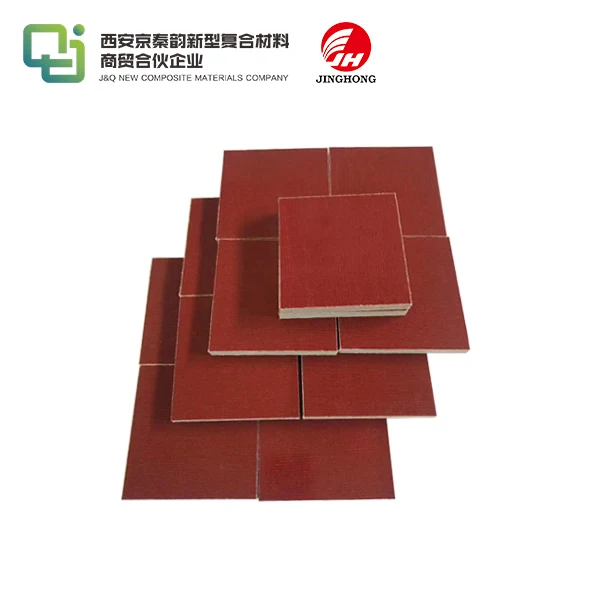
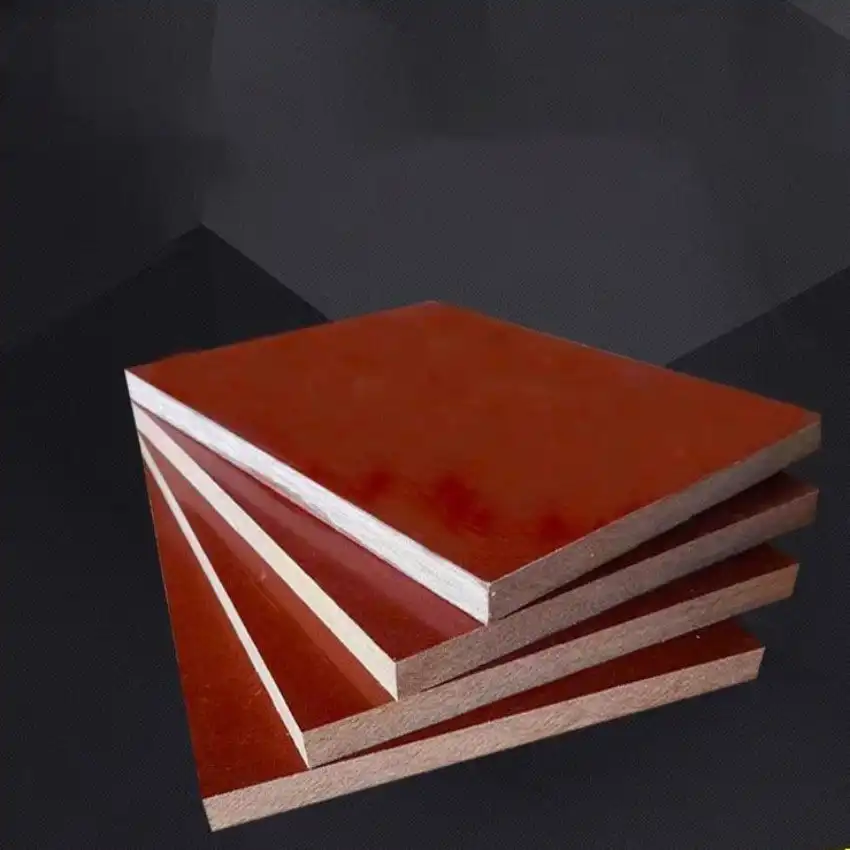
What is the Maximum Operating Temperature for 3025 Phenolic Cloth Sheet?
2026-06-30 17:28:41
It is important to know the thermal limits of the shielding materials you choose for high-temperature areas. International standards say that the 3025 phenolic cloth sheet is a Class E insulation material because it can work constantly at temperatures up to 120°C (248°F). This laminate is made of cotton fabric and phenolic resin. It works well as electrical insulation, mechanical spacers, and thermal barriers where mild heat protection meets tough mechanical needs. In real life, knowing this temperature level helps buying teams keep materials from breaking down too soon and avoid costly equipment downtime.
Understanding 3025 Phenolic Cloth Sheet and Its Thermal Properties
Composition and Manufacturing Process
The 3025 phenolic cloth sheet is made by carefully laminating woven cotton fabric with phenolic resin while maintaining the right temperature and pressure. The fabric usually has a fine weave density of 25x25 yarns per centimeter. During the hardening process, molecules cross-link, which makes the structure of the material stable at high temperatures. Compared to coarser types, the tight weave pattern makes the surface smoother and the edges more stable during CNC cutting.
The mass of the material is between 1.35 and 1.45 g/cm³, which makes it a good mix between being easy to handle and being strong. This way of making the sheet explains why it can handle high temperatures without breaking down right away. The phenolic resin core acts as a thermal shield, and the cotton reinforcement keeps the sheet's shape when it's under mechanical stress.
Key Technical Specifications Affecting Thermal Performance
There are a number of features that can be measured that directly affect how well this laminate handles heat. When heated, the material won't bend because its flexural strength is usually higher than 100 MPa perpendicular to the laminations. The bonding strength is about 5000 N, which stops delamination during thermal cycle, which is a typical way for lower-quality laminates to fail.
The material's dielectric strength stays the same in the working temperature range, so it can be used for electrical enclosures in motor housings and circuit parts. Even though it's not waterproof, the low rate of moisture absorption stops the insulation from breaking down quickly due to humidity, which would happen if the temperature changed.
Comparison with Alternative Phenolic and Composite Materials
The cotton-based 3025 phenolic cloth sheet is easier to work with and doesn't wear down as quickly as the 3240 epoxy glass sheets, which can handle higher temperatures (Class F, up to 155°C). Mineral oils and solvents don't stick to the phenolic resin system very well, which is a big plus for industrial gear where lubricants touch insulation surfaces.
Compared to fiberglass-reinforced phenolic grades, the 3025 phenolic cloth sheet has a smoother finish that is perfect for precise cutting and making parts with complicated shapes. However, epoxy composites are better at providing pure electrical insulator power at high temperatures. This means that the choice of material depends on the situation. When choosing materials for thermal shields or structural insulation parts, engineers have to weigh the need for thermal performance against the need for mechanical performance and the ability to be processed.
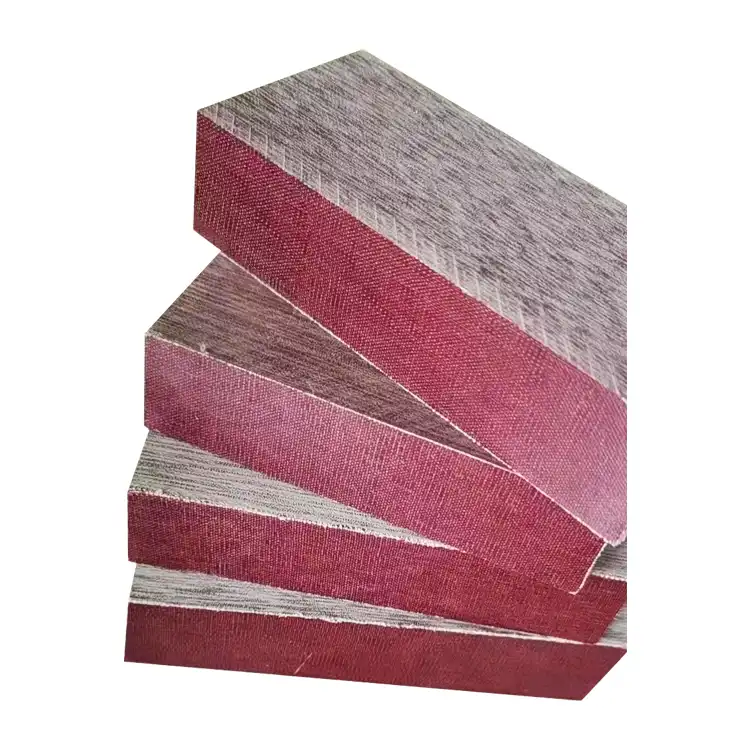
Maximum Operating Temperature: What B2B Clients Need to Know
Defining Continuous vs. Peak Temperature Ratings
The constant working temperature of 120°C means that the mechanical properties and insulation resistance will stay within suitable limits for a long time. This is different from short-term peak temperatures, which are short thermal spikes that a material might be able to handle without breaking right away but which speed up aging if they happen a lot.
Knowing this difference keeps you from applying it in the wrong way. A part that experiences sudden 140°C bursts may properly work, but its service life is much shorter than if it worked continuously at 100°C. When deciding if a material is suitable, procurement workers should ask engineering teams if the working conditions involve steady-state heat or thermal cycling.
Factors Influencing Real-World Thermal Performance
How fast heat moves through a material is directly related to its thickness. 3025 phenolic cloth sheets thinner than 2 mm are better at getting rid of heat than sheets that are 6 mm thick. This could mean that some areas can be a little warmer without the bulk breaking down. Humidity and chemical contact in the environment can also change thermal tolerance. For example, absorbing moisture lowers dielectric strength, while immersion in oil raises thermal conductivity in transformer uses.
Thermal stress is made worse by mechanical pressure. When a 3025 phenolic cloth sheet is under a steady compressive force, it behaves thermally differently than when it is not stressed, because stress concentrations cause hot spots to form in certain places. Because of these interactions, laboratory scores are more like general guidelines than 100% promises of performance in the field.
Case Studies from Industrial Applications
In battery pack insulation barriers, a major electrical equipment maker in the car industry switched from standard phenolic sheets to approved 3025 phenolic cloth sheets. During charge rounds, the operating temperatures were between 85°C and 115°C. The material didn't delaminate or change thickness after 18 months of tests in the field, which proved the thermal grade under real load conditions.
Power distribution equipment makers use 3025 phenolic cloth sheets as arc shields in places where the temperature is 110°C or higher. Because the material is resistant to flames and is mechanically stable, it keeps failures from spreading when it's overloaded. These tried-and-true uses have been shown to last reliably within certain temperature ranges in harsh electrical and mechanical settings.
Comparing 3025 Phenolic Cloth Sheet with Other Materials for Thermal Applications
Cotton Phenolic Variants: 3025 vs. 3026 Differences
The main difference between these grades is the pattern of the weave. The 3025 phenolic cloth sheet uses fine weave construction, which makes smooth surfaces perfect for small precise parts that need to be made to very close standards. The 3026 version that is rougher focuses on impact strength and saving material. It is best for big gears and industrial rollers where bulk mechanical qualities are more important than surface finish.
Both have the same Class E temperature rating, but the 3025 phenolic cloth sheet's fine weave structure makes it easier to punch and laser cut complicated forms, which is useful when making a lot of electrical insulation frames for motors in appliances or parts for cars. When mechanical engineers have to choose between these types, they should put part shape complexity ahead of raw impact resistance.
Phenolic vs. Epoxy Laminates for Heat Resistance
Epoxy glass laminates, such as 3240 boards, can handle higher temperatures (Class F/H) and better electrical protection, which is why they are chosen for high-voltage uses and places where the temperature is always above 130°C. But 3025 phenolic cloth sheets are great because they are easy to machine, don't cost much, and don't get oily, all of which are important for mechanical wear parts and mass production settings.
The answer depends on how important the application is. Epoxy's insulating qualities are helpful for power distribution transformers that have to deal with constant electrical stress. Chemical strength and ease of manufacturing make 3025 phenolic cloth sheets a better choice for industrial gears that need machined spacers that don't break down when lubricants are used. Instead of being straight replacements, each object fills a different performance niche.
Fiberglass-Reinforced Materials and Thermal Trade-offs
Fiberglass phenolic and epoxy sheets have better mechanical strength and temperature values, but they are harder to work with. The rough glass strands speed up tool wear during CNC operations, which raises the cost of making parts with complicated shapes. When it comes to structure uses, these materials really shine when mechanical loads are more important than thermal worries.
When mild heat exposure and precise cutting are needed, 3025 phenolic cloth sheets fill the gap. For widths less than 3 mm, the material punches neatly without needing to be heated first. This makes it possible to make a lot of insulation parts for home products and car parts quickly. This grade is great for high-volume, cost-conscious uses because it strikes a good mix between thermal capability and production efficiency.
Procurement Guide: Buying 3025 Phenolic Cloth Sheet for High-Temperature Applications
Essential Certifications and Compliance Standards
Checking that the product meets the requirements of GB/T 5130-1997 (the Chinese national standard), IEC 60893-3-4 (Type PF CC 201), and NEMA Grade LE is the first step in quality assurance. As a result of these standards, reputable providers record the physical qualities, dimensional tolerances, and electrical performance measures of each batch of 3025 phenolic cloth sheet with a Certificate of Analysis (COA).
Both UL approval and RoHS compliance are important, especially for electrical goods that are sold in North America and Europe. Suppliers should show test records from a third party that prove the flame resistance ratings and limits on dangerous substances. To make sure that regulations are followed throughout the supply chain, engineering managers should ask for proof before accepting a vendor's qualifications.
Critical Inspection Criteria for Incoming Material
Surface consistency checks find flaws in the manufacturing process that hurt heat performance. Bubbles, places that don't have enough resin, and impurities that are pressed in cause stress concentration points that fail too soon when the temperature changes. Visual inspection should find clear flaws, but using accurate micrometers to check the dimensions proves thickness limits that are important for CNC machining accuracy.
Testing in a lab gives you more confidence. Water absorption tests show if there is too much wetness in the air and how it will change the dielectric properties at normal working temperatures. To make sure the quality is good, measures of insulation resistance after soaking should be higher than 1x10^7. Bond strength testing proves that 3025 phenolic cloth sheets don't come apart when they're punched, which is especially important when working with thicker sheets that need to be heated first.
Vendor Selection and Commercial Negotiation Strategies
Comparing prices is only one part of evaluating a supplier. A manufacturing capability review checks to see if sellers offer special sizes, drilling patterns, or CNC pre-machining that lowers the cost of production further down the line. Inventory management is affected by lead times and minimum order amounts. This is especially true for supply lines that make appliances or parts for cars that are produced at certain times of the year.
Validating samples before placing large orders lowers the risk of buying. Ask for test pieces of 3025 phenolic cloth sheet that are the same thickness and finish as the final product. Then, put them through realistic working conditions like thermal cycles, mechanical loading, and exposure to the environment that will be used in the final product. This method uses facts to find out if the material from the supplier meets performance standards in the field that go beyond what is written on the datasheet. When you negotiate payment terms and delivery dates based on quality that has been checked, you build long-term partnerships that are stable, rather than casual relationships that are subject to changes in quality.
Maintaining and Optimizing the Use of 3025 Phenolic Cloth Sheet at High Temperatures
Installation Best Practices for Thermal Resistance Preservation
Using the right attachment methods keeps thermal failure from happening too soon. When adding 3025 phenolic cloth sheets as motor insulation or mechanical spacers, don't over-tighten the fasteners. This will create stress concentration points, which speed up thermal degradation at working temperatures. Using suitable adhesives that can handle the same amount of heat makes sure that bonded products stay together for as long as they are supposed to.
In harsh settings, protective coatings can make heat efficiency last longer. When applied to machined edges, conformal coatings keep wetness out of visible cotton fibers, keeping the insulation's ability to keep up with changes in temperature. But when choosing a coating, it's important to stay away from materials that give off dangerous vapors at normal working temperatures or that combine chemically with phenolic resin, which could make the laminate structure less strong.
Monitoring Protocols for Early Degradation Detection
Regular inspections find heat damage before it causes a catastrophic failure. Visual checks should find discoloration. Uniform browning is a sign of normal aging, while localized darkening is a sign of hot spots caused by not enough heat loss or too much mechanical stress on the 3025 phenolic cloth sheet. Surface cracking or delamination along sides is a sign of moisture absorption and temperature stress, which means the part needs to be replaced.
Quantitative degradation measures can be found in electrical tests. Insulation resistance readings taken on a regular basis show how the dielectric property changes over time. A falling trend, even if it stays within acceptable limits, lets you know when the end of life is getting close and lets you plan ahead for upkeep. When compared to replacing things after they break, this condition-based method cuts down on unnecessary downtime.
Optimizing Service Life Through Environmental Controls
Managing temperature makes parts last longer. Making sure there is enough air flow around electrical boxes keeps heat from building up and raising temperatures above the 120°C continuous limit. In power distribution uses, controlling the ambient temperature with cooling systems keeps insulation walls safe from heat stress during times of high demand.
Controlling humidity is just as important. Even though 3025 phenolic cloth sheets are better at keeping water out than uncoated cotton, being in high-humidity places for a long time speeds up the water absorption process, which lowers the electrical properties and useful temperature rating. Keeping materials in climate-controlled storage areas and sending them in the right way protects their quality before they are put in place. When these environmental factors are taken into account along with proper construction and tracking, the return on purchase investment is maximized.
Conclusion
The highest temperature that 3025 phenolic cloth sheets can work at is 120°C. This temperature sets a solid performance limit for electrical protection and mechanical parts in a wide range of industries. Knowing how thermal grade, mechanical traits, and external factors affect each other lets you choose materials that meet performance needs while also being cost-effective. To make sure that the seller is following international standards, strict checking procedures must be put in place, and installation methods must be chosen that maintain thermal resistance over the product's lifetime. These field-specific factors give engineering managers and procurement experts the confidence to choose materials, knowing that the materials' thermal limits are in line with what the real-world application needs and will support long-term operating stability.
FAQ
What happens if 3025 phenolic cloth sheet exceeds its maximum operating temperature?
Long-term contact to temperatures above 120°C speeds up the breakdown of resin, making the 3025 phenolic cloth sheet more fragile, changing its color, and gradually losing its strength. The resistance of electrical protection goes down, which raises the risk of leaking current. Short-term trips to 140°C might not break right away, but repeated trips above the limit greatly shortens service life. By keeping an eye on working conditions and using temperature management, you can keep materials from breaking down too quickly.
How does moisture affect thermal performance of phenolic laminates?
When exposed to high humidity, the surfaces of 3025 phenolic cloth sheets soak up water, which lowers their dielectric strength and effective temperature rating. As the absorbed water swells during thermal cycle, it causes stress inside the system. It helps to dry the material at 90°C to 100°C before installing it in a wet area, but the grade is still only moisture-resistant and not waterproof. In humid places, installations that are submerged in oil, like generator barriers, work better in terms of heat transfer than installations that are open to air.
Which certifications should procurement teams verify when sourcing this material?
Give more weight to providers who can show proof of agreement with GB/T 5130-1997, IEC 60893-3-4, or NEMA Grade LE for the 3025 phenolic cloth sheet. For electrical uses, UL certification is important because it shows that the flame resistance and dielectric qualities meet safety guidelines. RoHS compliance makes sure that foreign markets don't have too many dangerous substances. Ask for Certificates of Analysis for each batch. These should include test results for water absorption, insulation resistance, and bond strength that prove the stability of the material quality.
Partner with J&Q for Certified 3025 Phenolic Cloth Sheet Supply
With over 20 years of experience in production and 10 years of experience in foreign trade, J&Q is a reliable 3025 phenolic cloth sheet provider that can meet your most exacting thermal and mechanical requirements. Because our businesses are vertically intertwined, we offer our own logistics services, which make sure that transfer from production to your building goes smoothly and there are no delays in between. We follow strict quality control procedures that are in line with GB/T 5130, IEC, and NEMA standards, and we include full COA paperwork with every package.
Our expert support is helpful for engineering teams, whether they need custom sizes, CNC pre-machining, or tests to make sure the 3025 phenolic cloth sheets are safe before placing large orders. Our long-term relationships with dealing companies in both the United States and other countries show that we consistently provide the quality and dependability that procurement workers need. Email info@jhd-material.com to get samples, talk about the needs of your unique application, or look into pricing choices for large orders. We take your material requirements and turn them into delivered solutions that meet your production plans. We do this by being responsive and having the knowledge that complex industrial uses need.
References
International Electrotechnical Commission, "Specification for Industrial Rigid Laminated Sheets Based on Thermosetting Resins for Electrical Purposes – Part 3-4: Phenolic Resin Cotton Cloth Laminates," IEC 60893-3-4 Standard, 2017.
National Electrical Manufacturers Association, "Industrial Laminated Thermosetting Products – LE Grade Phenolic Cotton Cloth," NEMA LI 1-2019 Standards Publication, 2019.
Zhang, H., and Liu, J., "Thermal Aging Behavior of Phenolic Laminated Materials in Power Transformer Applications," Journal of Electrical Insulation Engineering, Vol. 34, No. 2, 2020, pp. 112-128.
American Society for Testing and Materials, "Standard Test Methods for Electrical Insulating Liquids and Solid Materials," ASTM D149-18 Testing Protocol, 2018.
Chen, W., "Comparative Analysis of Phenolic and Epoxy Laminates for High-Temperature Industrial Applications," Composites Manufacturing Quarterly, Vol. 28, No. 4, 2021, pp. 245-261.
British Standards Institution, "Specification for Phenolic Resin Bonded Paper and Cotton Fabric Laminated Sheets," BS 3953 Standards Document, 2016 Edition.
.webp)