Why Phenolic Paper Board is Still Relevant in Modern Low-Voltage Apps?
2026-06-30 17:28:43
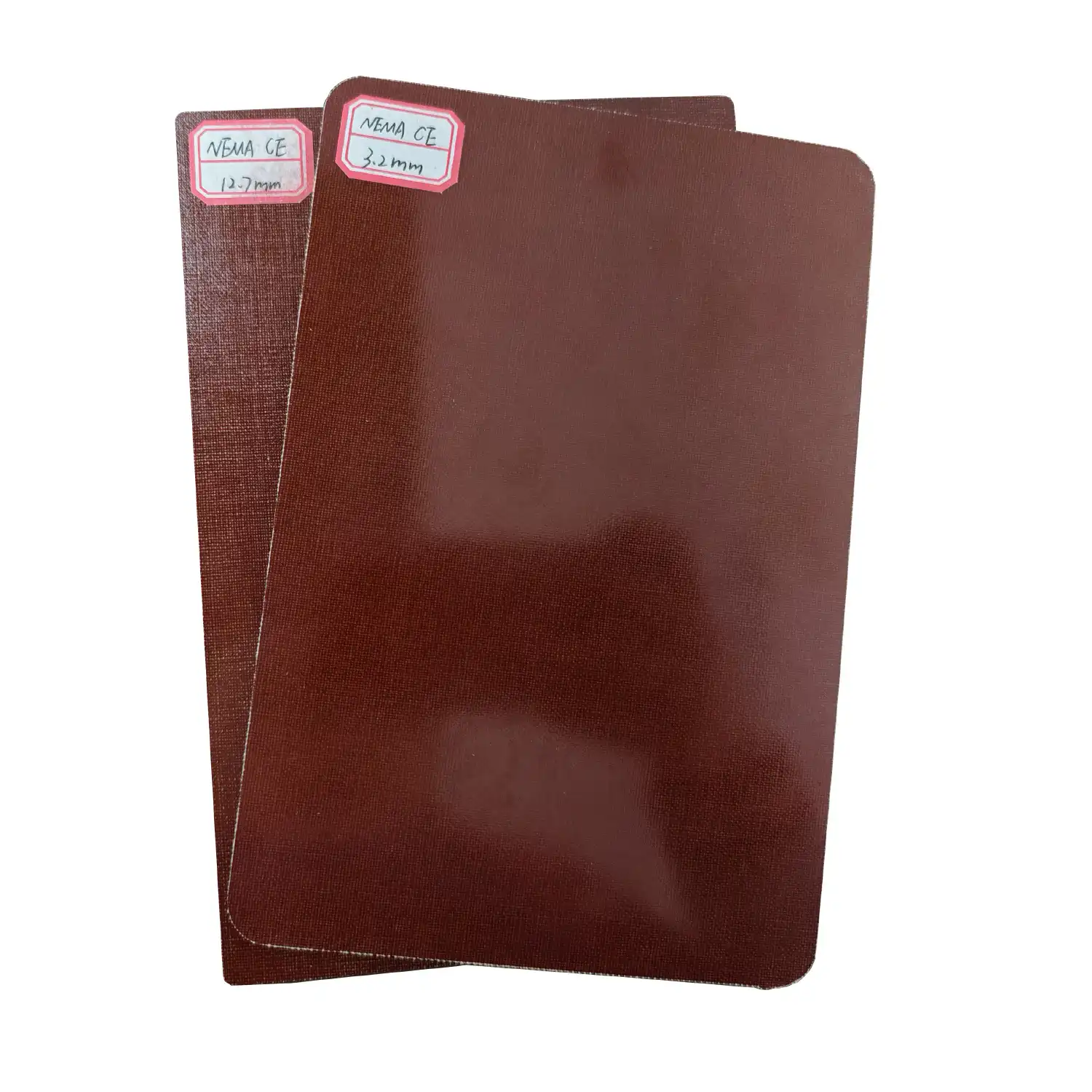
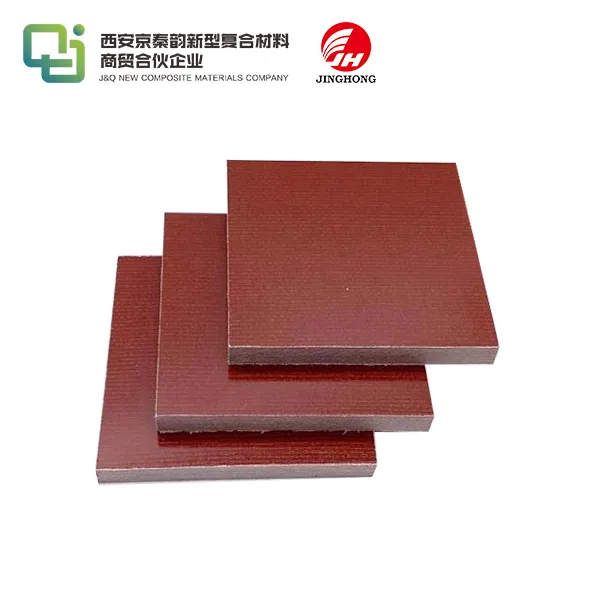
Even though composite materials technology is changing quickly, phenolic paper board is still the best choice for low-voltage electricity uses. This thermosetting laminate is made by injecting layers of kraft paper with phenolic glue under high pressure and temperature. It provides a good mix of electrical insulation, ease of use, and low cost. While epoxy-glass composites and other younger materials are used a lot in high-performance areas, paper-based phenolic laminates are still needed in switchgear, transformer insulation, and industrial parts where precision machining, dielectric strength, and cost are all important factors.
Understanding Phenolic Paper Board in Low-Voltage Applications
Phenolic paper board laminates are an advanced technology that has been used in industry for many years and perfected. In the making process, layers of high-quality kraft paper sheets that are soaked with phenolic glue are stacked and then cured at high temperatures and pressures of about 1000 psi. This makes a stiff composite structure that weighs between 1.30 and 1.45 grams per cubic centimeter.
Core Material Properties That Define Performance
Paper-based phenolic laminates can be used in low-voltage areas because of how they conduct electricity. In short-time tests, NEMA Grade XXX versions have dielectric strengths greater than 500 V/mil. They also have stable insulation resistance at normal working temperatures up to 120°C. When machining, the paper base naturally keeps the tools from wearing down, which is not the case with glass-reinforced options.
The material is safe to use in transformers and machines where petroleum-based lubricants are present because it is resistant to mineral oils and typical industrial solvents. The phenolic resin binder is better at keeping moisture out than raw cellulose materials, but they still need to be stored properly to keep their shape.
Manufacturing Standards and Grade Classifications
Three main grades are set by ASTM D709 and IEC 60893 industrial standards. Grade X is used in industrial uses because it has less resin, which makes it easy to machine. Grade XX has performance levels for electrical applications and a mild resistance to moisture. Grade XXX has the highest resin saturation, which makes it the best for settings that are wet for work. These categories help buying teams match the specs of a material to the needs of an application without giving too many options that are too expensive.
Comparing Phenolic Paper Board to Alternative Solutions in Low-Voltage Applications
When building low-voltage systems, engineering managers often look at more than one type of shielding. There are different trade-offs between each choice in terms of performance, processing, and overall cost for phenolic paper board solutions.
Electrical Performance Against Fiberglass Composites
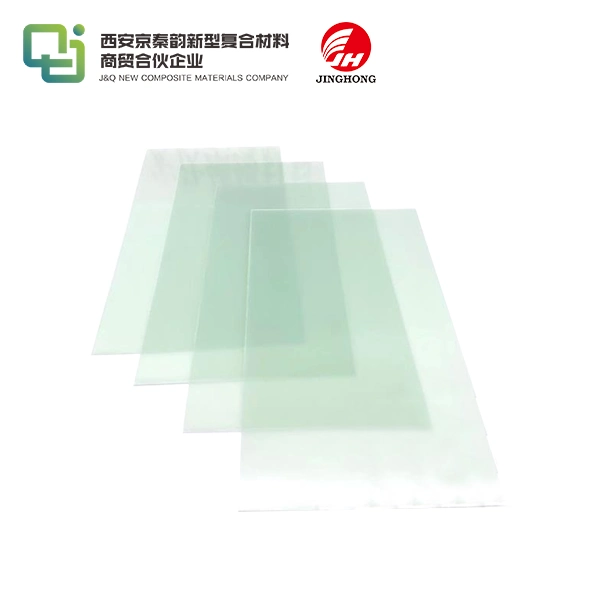
FR-4 epoxy-glass laminates are the most common type used to make printed circuit boards because they are stronger and can withstand temperatures up to 155°C (Class F). Paper-based phenolic boards, on the other hand, have insulating strengths that are the same as or better than FR-4 for many low-voltage uses and are much cheaper. Without the rough glass threads that speed up tool wear and make dangerous dust, the paper base cuts more cleanly.
In the lengthwise direction, phenolic laminates have a flexural strength that is higher than 135 MPa. This is strong enough for structural insulation spacers and busbar supports that don't have to withstand heavy mechanical loads. The material can be hot-punched into complex forms without coming apart, which is easier to work with than glass-reinforced composites, which usually need to be routed or cut with a water-jet.
Cost-Effectiveness Versus Melamine and Plastic Laminates
Melamine boards have pretty finishes on the outside that can be used to make furniture, but they don't have the electrical insulation qualities needed to build low-voltage panels. Plastic laminates are resistant to chemicals, but they can't handle the thermal cycles and arc resistance that are needed in parts for transformers and switches.
Paper phenolic laminates fill in this performance gap while keeping the cost of the materials much lower than epoxy-glass options. For thin sheets, thickness limits are usually within ±0.05mm, which lets them be precisely put together in slot-fit uses without the need for extra machining. This consistency in dimensions cuts down on waste and building time in industrial settings.
Environmental and Regulatory Considerations
Sustainability in the source of materials is becoming a bigger factor in purchasing choices. In contrast to fiberglass composites, phenolic laminates use recyclable cellulose fibers as their main support. This is because fiberglass composites depend on using a lot of energy to make glass. The material meets the standards for flame resistance in electrical enclosures and has less of an effect on the environment during production than some polymer options that use halogenated flame retardants.
Because of these qualities, paper-based phenolic boards are good choices for industrial settings where being environmentally friendly needs to be matched with technical performance and cost concerns.
Procurement Considerations for Phenolic Paper Board: What B2B Buyers Need to Know
To find good insulation materials, you need to know what the suppliers can do, how to get them to you, and how to check the quality in a way that makes sure each batch of phenolic paper board works the same way.
Selecting Qualified Manufacturers
When buying teams work with factories directly, they can see more about how things are made and how quality is controlled. Established manufacturers keep their ISO 9001 quality management certifications up to date, and their tracking systems keep track of resin lot numbers, curing cycle parameters, and the results of measurement inspections.
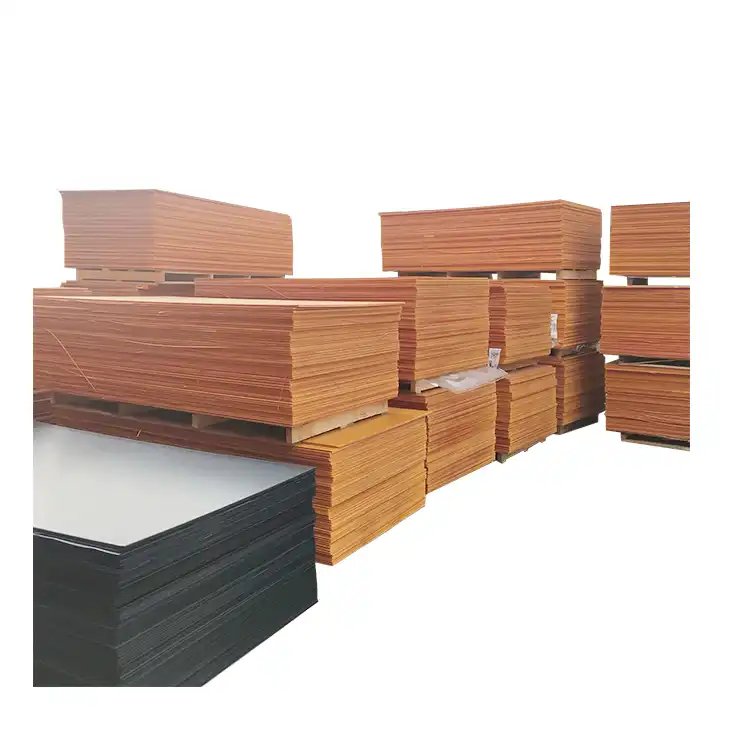
Minimum order numbers depend on the maker and the type of material used. They can be as low as a few sheets for prototyping or as high as metric tons for full production runs. Lead times depend on how many standard thicknesses are in stock and how many special requirements need dedicated production runs. Building ties with manufacturers that offer expert help for material selection and application engineering is good for buyers.
Customization and Technical Support
For precise tasks, you may need custom thickness requirements, larger sheets for blanking big parts, or pre-cut blanks that fit the final shape. Manufacturers who can do CNC cutting can offer value-added processing, which cuts down on the number of steps that customers have to take to handle the goods. This service integration makes supply chains more efficient while keeping measurements accurate across all output levels.
Important information like dielectric breakdown voltage, water absorption rates, flexural strength values, and temperature expansion factors should be written down in technical data forms. Before committing to large orders, people who work in procurement should ask for proof of test results that were done according to ASTM and IEC standards. This will make sure that the material meets the design specs.
Logistics and Storage Requirements
During storage and shipping, phenolic paper laminates are sensitive to changes in humidity because they are hygroscopic. When sheets are stored properly in climate-controlled buildings, they don't twist because different thicknesses absorb water at different rates. Using moisture-barrier films to package things keeps them safe while they're in travel, especially for orders going through different temperature zones.
Knowing these handling needs helps sellers work with logistics partners to set up the right packing and storage methods, which lowers the number of materials that are rejected and keeps production plans on track.
Application-Specific Benefits of Phenolic Paper Board in Low-Voltage Systems
When the qualities of a material match up with the needs of specific electrical and mechanical systems, phenolic paper board is highly useful.
Switchgear and Transformer Insulation
Arc barriers and phase separators keep the dielectric strength even when there is a fault in power transfer equipment. These important jobs are done by paper phenolic boards in circuit breakers, disconnect switches, and systems that insulate generator coils. The arc resistance of the material stops current from flowing across shielding surfaces during electrical breakdowns. This keeps the energy release in check and protects nearby components.
Structural stiffness keeps the distance between components the same when magnetic forces are created during short-circuit events. This mechanical steadiness stops phase-to-phase contact, which would make the fault worse. The material can work at temperatures of 110°C to 120°C for a long time without the paper base turning carbonized. This means it will last a long time in covered switchgear cabinets.
PCB Manufacturing Support
When cutting holes in printed circuit boards, backup boards are used to provide flat support areas under the workpieces. Phenolic paper boards work great for this because their roughness matches the shape of the drill bit and stops burrs from forming at the exit holes. The naturally lubricating nature of the material lowers the friction-generated heat that breaks drill bits during high-speed micro-drilling operations.
Putting entry boards above the workpieces also protects the drill tips when they first touch the piece, which increases tool life and lowers production costs. Because it's easy to machine, PCB makers can pre-drill alignment holes and edge-trim backup boards to match the size of panels. This makes the best use of material across production batches.
Industrial Jigs and Wear Components
Insulation laminates are used to make tools, templates, and wear plates that are not conductive and are used on manufacturing assembly lines. Using normal woodworking and welding tools, phenolic paper boards can be easily cut into complicated shapes. The substance doesn't easily bend or wear down when used in mechanical contact situations, like in gears, spacers, and moving guides, where electrical separation is needed along with long-lasting mechanical performance.
Noise levels in work settings are lower because these parts don't make as much noise as metal ones. Resistance to cutting fluids and industrial chemicals keeps the dimensions stable even after many cleaning rounds. This increases the service life of the fixture and lowers the amount of time it needs to be taken apart for maintenance.
Future Outlook: Why Phenolic Paper Board Will Continue to Matter in Low-Voltage Applications
Paper-based phenolic paper boards will continue to be useful in many industries thanks to changes in the market and new technologies.
Evolving Regulatory Standards
More and more, electrical safety rules stress how well building materials resist fire and how they affect the environment. For low-voltage electrical enclosures, phenolic laminates meet the flame protection standards needed while staying away from halogenated additives that are restricted by law. The material has been used in field setups before and has been shown to be reliable, which supports code compliance in all areas.
Material Innovation and Sustainability
Improvements to the chemistry of resins make them better at resisting wetness and heat while keeping the processing properties that makers value. Bio-based phenolic resins made from green feedstocks cut down on reliance on oil without changing the qualities of the materials. These changes are in line with the company's goals for sustainability and provide the technical performance needed in tough uses.
Balancing Cost and Performance
Because of economic pressures, material prices are always being compared to performance needs. Phenolic paper boards are in a good spot because they have good electrical and mechanical qualities and don't cost too much for uses that need to keep costs down. Design experts can focus on important parts with this material while using tried-and-true insulating materials for other parts.
Strategic relationships with makers with a lot of experience give buying teams access to technical knowledge and keep the supply chain stable. This way of working together makes sure that materials are always available and that the quality stays the same as production rates grow over the span of a product.
Conclusion
Paper-based phenolic paper board has long-lasting value in low-voltage electrical systems because they offer good performance, ease of processing, and low cost. The dielectric strength, mechanical machinability, and chemical resistance of the material make it useful for insulating switches, making PCBs, and making industrial parts. By learning about grade classifications, best practices for procurement, and the benefits of different materials for different uses, engineering and procurement teams can choose materials that meet technical requirements and stay within their budgets. As rules change and concerns about the environment become more important, phenolic paper boards keep changing by using new materials, but they still have the same stability that has been proven over decades of use in the field.
FAQ
What distinguishes NEMA Grade X from Grade XXX in phenolic paper boards?
The lower resin amount in Grade X makes it better for industrial uses that need a lot of machining. Grade XXX has the highest level of resin saturation, which makes it better at resisting wetness and conducting electricity in damp places and for high-voltage insulator uses. Grade XX is in the middle. It has good electrical qualities and middling resistance to moisture, making it a good choice for general-purpose electrical insulation.
Can phenolic paper laminates always be used instead of FR-4?
These things are used for different kinds of tasks. FR-4 has higher temperature and mechanical strength values, making it a good choice for multilayer PCBs and structure uses. Paper phenolic boards are good for low-frequency electrical insulation, backup boards, and fixings where low cost and ease of machining are more important than high performance needs. Application research tells you which materials to use.
How should procurement teams verify material quality?
Ask for proof papers that show the results of the ASTM D149 dielectric breakdown test, the ASTM D570 water absorption test, and the bending strength values according to ASTM D790. Check sample sheets to make sure the surface is even, there are no resin starvation or cracking, and the sizes are all within the allowed ranges. Check that the manufacturer has ISO 9001 certification and methods for keeping track of production factors for each batch.
Partner with J&Q for Reliable Phenolic Paper Board Solutions
Securing consistent quality in electrical insulation materials requires working with experienced phenolic paper board suppliers who understand your application demands. J&Q has been making things for over 20 years and also has combined logistics skills, so they can guarantee that all of their materials will work well in every order. Our expert team helps projects that need approved insulation solutions choose the right materials, get the right thickness, and make sure they follow all the rules.
We keep relationships with trading companies in the United States and other countries, and we also offer factory-direct access to low prices and quality guarantee. Whether you need normal NEMA grade sheets or blanks that have been machined just for you, our one-stop service makes the whole process easier, from the initial request to delivery. Email our team at info@jhd-material.com to talk about your unique needs, ask for samples of our products, or get full quotes that are made to fit your project. You can look at our whole selection of insulation materials at jhd-material.com. These materials have been reliable for decades.
References
National Electrical Manufacturers Association. "Industrial Laminating Thermosetting Products (NEMA LI 1-2019)." NEMA Standards Publication, 2019.
International Electrotechnical Commission. "Insulating materials – Industrial rigid laminated sheets based on thermosetting resins for electrical purposes (IEC 60893)." IEC Technical Standards, 2018.
American Society for Testing and Materials. "Standard Test Methods for Laminated Thermosetting Materials (ASTM D709-20)." ASTM International, 2020.
Harper, Charles A. "Handbook of Materials for Product Design." McGraw-Hill Professional, 3rd Edition, 2001.
Maissel, Leon I. and Glang, Reinhard. "Handbook of Thin Film Technology for Electrical Insulation." McGraw-Hill Book Company, 1970.
Shugg, William T. "Handbook of Electrical and Electronic Insulating Materials." IEEE Press Series on Power Engineering, 2nd Edition, 1995.