Lightweighting Trends: Can G10 Sheet Replace Aluminum in Automotive Parts?
2026-07-01 17:24:39
The car industry is at a crossroads because G10 sheet is a strong alternative to aluminum for uses that need to be lightweight. This glass-epoxy composite material has a similar strength-to-weight ratio, but it is better at blocking electricity and resisting rust. Aluminum has been the most popular lightweight material for decades, but G10 sheet is better for car problems, especially in electric vehicles, where electrical separation, dimensional stability, and resistance to moisture are important. Complete replacement is still not likely, though. Instead, smart substitution in specific uses is still the best way to go, especially for parts that need to be safe both electrically and structurally.
Understanding the Role of Lightweighting in Automotive Parts
Every pound that is taken off of a car directly leads to improvements in its performance that can be measured. Engineers say that lowering a car's weight by 10% can make it 6–8% more fuel-efficient. This fact is driving material innovation in the automobile industry.
Why Lightweighting Matters Now More Than Ever
Every year, regulatory demands get stronger. In the US, Corporate Average Fuel Economy (CAFE) guidelines require fleet-wide efficiency gains, which forces manufacturers to rethink every part. Designers of electric vehicles have to deal with an extra problem: the weight of the batteries already limits the range, so every structure gram counts twice as much.
Traditional materials force you to make concessions. Steel is strong, but it builds up weight. Aluminum is lighter, but it can cause galvanic rusting when mixed with metals that are not the same. Carbon fiber has amazing qualities, but it is still too expensive to make in large quantities. This gap between what is needed in terms of efficiency and what the material can do opens the door for new composites.
The Aluminum Advantage and Its Limitations
In the last 20 years, aluminum has changed how cars are made. It was the most common material for hoods, trunk lids, and structural parts because it was relatively dense (about one-third that of steel) and easy to work with. Ford's choice to make the whole body of the F-150 out of aluminum showed that the industry trusts the material.
Problems are still there below the surface. Aluminum and steel have very different temperature expansion coefficients, so they need to be joined in very specific ways. When metal buildings get damaged, the cost of fixing them goes up. Conductivity is good for getting rid of heat, but it can be a problem in electrical uses that need protection. When it comes to electric car battery enclosures, where electrical separation is a must, these problems become even worse.

What is G10 Sheet? Properties and Benefits for Automotive Applications
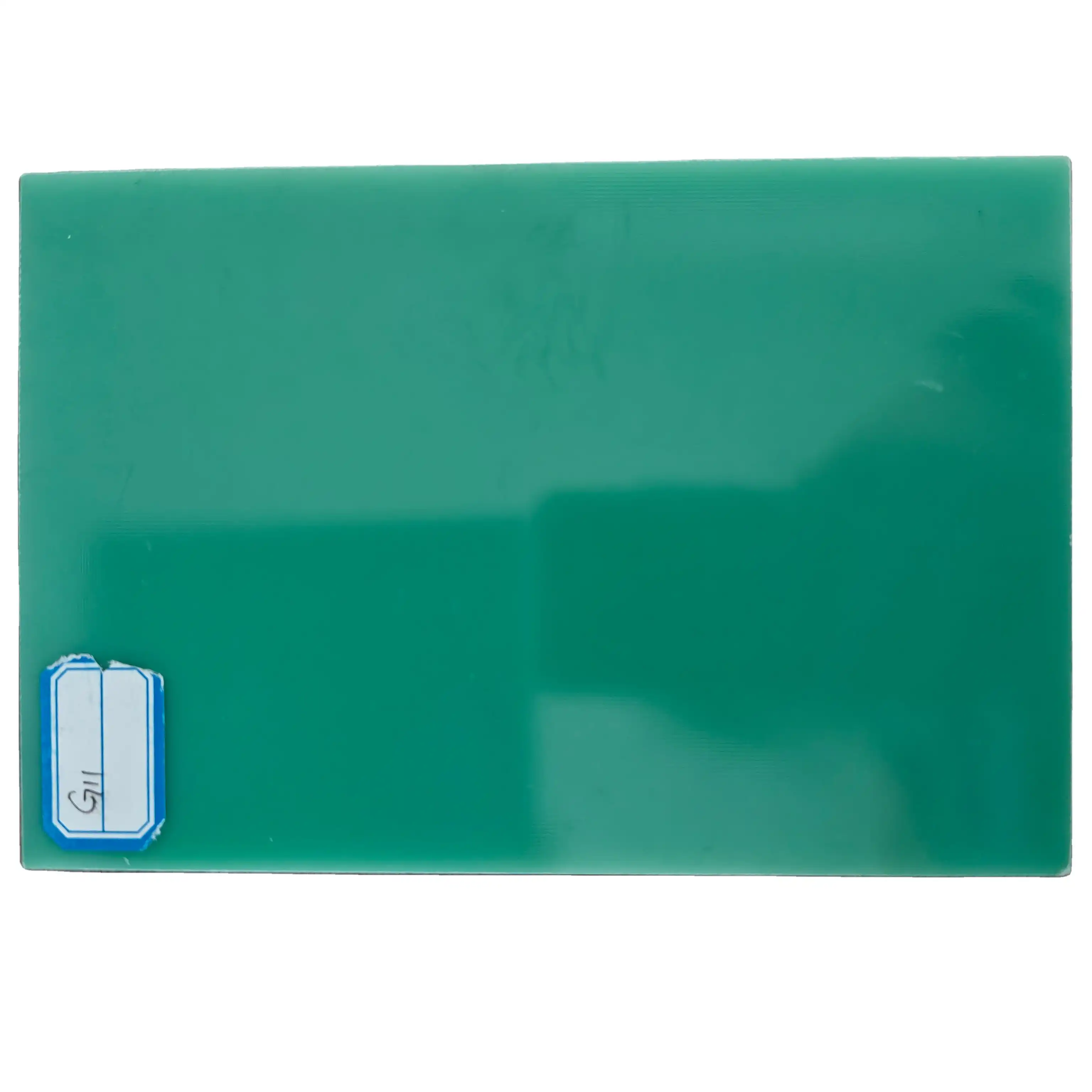
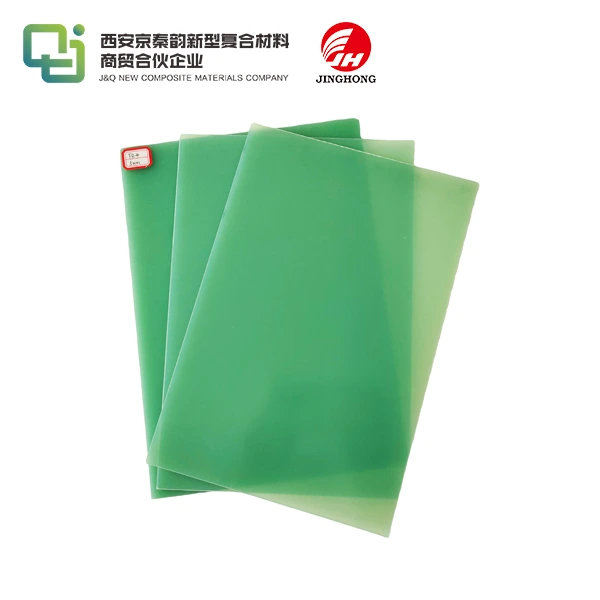
Continuous filament glass cloth is impregnated with resin in an exact production process that makes G10 sheet. Before going into high-pressure presses that heat and squeeze, several layers are stacked on top of each other. The epoxy resin hardens into a thermoset matrix, which holds the glass threads together forever to form a single structure.
Material Composition and Manufacturing Excellence
The epoxy matrix moves loads between the threads, and the glass cloth gives the material its mechanical strength. In many situations, this mix has the same tensile qualities as aluminum. Manufacturers must follow the NEMA LI 2-1998 standards, which make sure that all production batches are the same. While thermoplastics shrink when heated, G10 sheet stays the same size across a wide range of temperatures because it is thermoset.
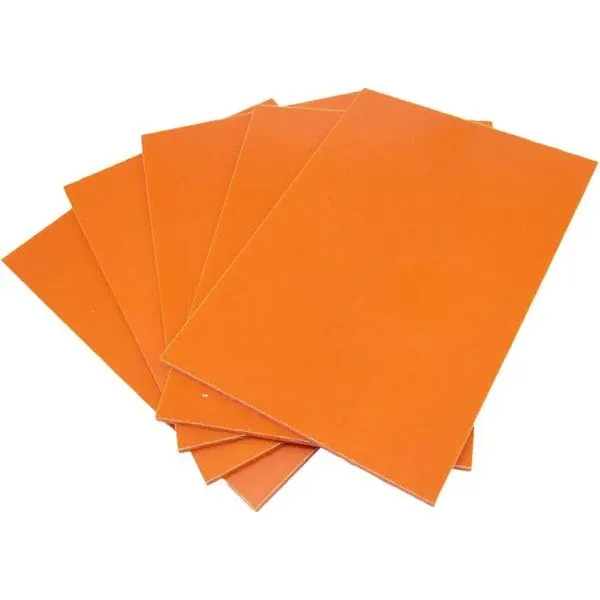
G10 sheet is different from phenolic alternatives because it absorbs less than 0.1% of water. This property keeps the material from swelling in damp places, which is important for keeping the tight specs needed for precision car parts. The material can work continuously at 130°C, with short trips to higher temperatures possible based on the width of the laminate.
Advantages for Automotive Component Design
The most unique thing about G10 sheet is that it is electrically insulated. It is perfect for battery pack barriers and high-voltage switchgear supports because it has a dielectric strength of more than 15 kV/mm perpendicular to the laminations. Electric cars have many parts that work at 400 to 800 volts, so they need strong insulation materials that stay in place for the whole life of the car.
Corrosion resistance takes away a long-standing worry about metal. G10 sheet doesn't have any metals that can combine with rust or galvanic current. Parts that are exposed to road salt, water, and changes in temperature keep their structural features even without coats that protect them. This durability cuts down on repair needs and increases service life in harsh automotive settings.
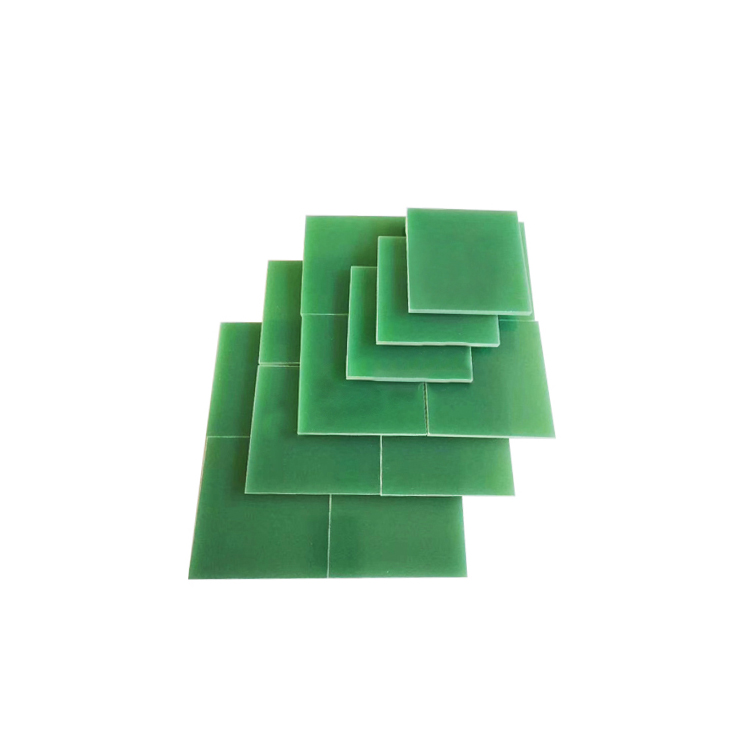
CNC machinability lets you make complicated shapes that you couldn't make by hand making metal. Solid G10 sheet stock can be machined into complex shapes, exact mounting holes, and built-in features that designers can define. Carbide tooling handles the abrasive glass material, making parts with the same standards as metal production while cutting down on extra steps.
Comparing G10 Sheet and Aluminum for Automotive Parts
When choosing a material, you have to look at a lot of performance factors at once. When you directly compare two materials, you can see where they really shine and where you need to make concessions.
Structural Performance Metrics
- Tensile Strength: The tensile strength of G10 sheet is 310 MPa when it is not laminated and 415 MPa when it is parallel to the glass direction. Aluminum metal 6061-T6 has a strength of 310 MPa, which makes it roughly equal. However, G10 sheet's hybrid structure offers better wear resistance when loaded and unloaded repeatedly, which is important for parts that are vibrating.
- Weight Considerations: G10 sheet has a density of about 1.8 g/cm³, while aluminum has a density of 2.7 g/cm³. When G10 sheet is used instead of aluminum in designs with the same strength, the weight is 33% less. This benefit grows when extra blocking materials are taken away by electrical shielding.
- Thermal Behavior: Aluminum easily moves heat (205 W/m·K), but G10 sheet keeps heat in (0.3 W/m·K). G10 sheet is better for applications that need thermal shields, while aluminum is better for applications that need to get rid of heat. A lot of the time, battery pack designs need both metal for the structure and G10 sheet to keep the cells from touching each other electrically.
Cost Analysis and Production Considerations
G10 sheet is priced between regular aluminum and aerospace-grade metals based on the cost of its raw materials. Prices for large amounts of NEMA-grade G10 sheet vary from average to high-end, based on the thickness and approval needs. Manufacturing costs change the equation: cutting G10 sheet makes abrasive dust that needs special methods to get rid of it, but cutting aluminum smoothly with regular tools doesn't cost much more.
Production scalability works best for metal supply lines that are already in place. Decades of using metal in cars have made the processing infrastructure more stable. Adopting G10 sheet involves spending money on carbide tools, dust gathering, and training for operators. But fewer secondary processes, like painting and anodizing, can help pay for the setup costs over the course of production runs.
Practical Application Boundaries
Extremes of temperature describe G10 sheet's working range. Standard grades keep their qualities up to 130°C for long periods of time, which is enough for most vehicle uses. When parts of the engine compartment hit 150°C, they need G11 grade or another option. Aluminum can handle higher temperatures, which makes it the only material that can be used for parts close to the exhaust.
Another thing to think about is fire defense. G10 sheet is better at resisting burning than many plastics, but it's not as good as metal, which can't catch fire by itself. Parts close to fuel systems or in passenger areas need flame-resistant FR-4 versions or other materials that meet FMVSS 302 flammability standards.
Real-World Applications and Case Studies of G10 in Automotive Industry
G10 sheet's flexibility across car parts is shown by its use in real life. Engineers have successfully used this material in places where metals and regular plastics used to be the norm.
Electric Vehicle Battery Pack Components
The most likely use for G10 sheet in cars is in high-voltage battery systems. Cell dividers made from precisely cut G10 sheet keep the electricity from flowing between battery cells while adding very little weight. One European EV maker cut the weight of the battery pack by 12 kg by strategically switching to G10 sheet, which directly increased the range of the car.
G10 sheet laminate compression pads spread binding forces across battery groups and keep electrical shorts from happening. In the past, methods used rubber with a metal backing, which increased the risk of galvanic rusting. G10 sheet doesn't use any metal at all, which makes it easier to put together and more reliable in the long run.
Structural Insulation in Power Electronics
Inverter fixing clamps need to be strong and keep electricity from flowing through them. When G10 sheet is machined to exact standards, it supports power circuits and blocks conductive lines. Vibration testing shows that G10 sheet keeps its shape after 200,000 artificial road cycles, which is as durable as metal without the problems of conductivity.
The insulating qualities of G10 sheet are used in bus bar supports in high-voltage distribution systems. These parts make sure that the current-carrying conductors are perfectly spaced and can withstand arc tracking, which is when an electrical discharge makes conductive carbon paths across insulator surfaces. The glass-epoxy matrix in G10 sheet is better at stopping spark tracking than phenolic options, which increases safety gaps.
Interior and Trim Applications
G10 sheet is used to make instrument panel supports that are both light and good at blocking electromagnetic pollution. The material's dimensional stability keeps it from warping in the summer heat, which keeps the exact limits needed for airbag release systems. A number of Asian makers specify G10 sheet for the structural parts behind the dashboard's decorative panels.
The load-bearing powers of G10 sheet are shown by the seat frame components. Complete seat frames are still made of metal, but G10 sheet brackets and supports make parts that aren't needed lighter. Impact tests show that these hybrid designs meet Federal Motor Vehicle Safety Standards for protecting people inside.
Future Outlook: Will G10 Sheet Replace Aluminum in Automotive Parts?
The goal of replacing all metal with something else is neither realistic nor ideal. Instead of replacing everything, material science moves forward by using it in smart ways. G10 sheet's future lies in targeted application, which is where its unique qualities can be used to make a real difference.
Market Dynamics Driving Adoption
The widespread use of electric vehicles speeds up the acceptance of composite materials. Analysts in the industry think that by 2030, 30% of all new cars sold will be electric vehicles. This will create a big need for materials that insulate electrical systems. The G10 sheet fits right into this growth trend, especially since companies are trying to make parts lighter to make up for the weight of the battery.
Barriers to Widespread Implementation
Infrastructure for metal is decades ahead of supply chain growth. Every year, more than 60 million tons of aluminum are made around the world, and price and transportation systems are well established. G10 sheet production is still mostly done by a few specialized industrial laminate makers, which could cause supply problems during quick growth.
Engineering conservatism makes it take longer for non-traditional materials to be used. Automotive approval methods involve a lot of testing that can last for years. There is a lot of information about how aluminum works, but G10 sheet needs the same kind of testing before OEMs who don't like taking risks commit to high-volume uses. Material suppliers and car engineers need to work together to build this body of proof.
Recommendations for Engineering and Procurement Teams
Pilot projects that focus on certain parts should be the first step in evaluating materials. Battery pack separators, high-voltage mounting brackets, and electrical covers are all low-risk ways to get into the market that have clear benefits. Setting baselines for performance through thorough testing boosts trust for wider use.
Partnering with suppliers is very important during material changes. Laminate makers who have worked with cars before know what quality standards are, such as dimensional tolerances, surface finish requirements, and approval paperwork. Long-term deals support efforts to keep things better by making sure that the qualities of materials stay the same from one production run to the next.
Design streamlining lets the G10 sheet reach its full potential. Direct metal replacements don't work as well as parts that were designed to work with composites. Working with suppliers who know how to machine G10 sheet opens up design options that aren't possible with aluminum. This gives you a competitive edge through innovation instead of easy replacement.
Conclusion
In some vehicle uses where electrical insulation, resistance to corrosion, and weight reduction are all important, G10 sheet can be used instead of metal. G10 sheet's unique set of properties makes it very useful for battery systems for electric vehicles, high-voltage power electronics, and structure insulation parts. It is still not possible or required to replace all aluminum with something else. Instead, engineers should choose materials strategically so that their properties match the needs of the application. When automakers are thinking about ways to make their cars lighter, they should carefully look at the materials they use and focus on the places where G10 sheet's benefits can really help with performance and cost, all while building ties with suppliers that will help the strategy work in the long run.
FAQ
Can G10 sheet withstand automotive vibration and impact?
In fact, G10 sheet is very strong even when it is being loaded and unloaded quickly. The glass-epoxy core takes in impact energy and keeps the structure strong even when it vibrates. According to automobile standards, testing shows that G10 sheet parts can withstand more than 200,000 road simulation runs without delaminating or losing their properties.
How does G10 perform in extreme temperatures?
Standard G10 sheet can work constantly at temperatures up to 130°C, which makes it good for most uses in cars that aren't inside the engine. Hot spots of only 150°C don't damage things permanently. For uses that need to withstand higher temperatures, you should choose G11 grade material, which keeps its properties up to 180°C thanks to changed resin formulas.
What machining considerations apply to G10?
Because of the glass, the material is rough, so carbide or diamond tools are needed. Proper dust filtration systems are needed because fiberglass particles can hurt your lungs and break down regular machines. Even with these restrictions, precise CNC machining can reach tolerances that are similar to metal production, which means that complicated shapes are possible.
Is G10 cost-competitive with aluminum for automotive parts?
Due to its high cost of materials, G10 sheet is in the middle of normal and luxury aluminum alloys. Total cost analysis must take into account fewer secondary tasks (like painting and protecting against corrosion) and qualities that can be used for more than one thing, which means that different insulation components are not needed. For uses that take advantage of G10 sheet's electrical qualities, large-scale production usually shows good economics.
Partner with J&Q for Your Automotive G10 Sheet Requirements
It has been J&Q's specialty for more than 20 years to make high-performance insulation materials, such as precision-grade G10 sheet for use in cars. Our manufacturing and logistics skills work together to give you stable quality and reliable wait times that help you stick to your production schedules. Our engineering teams in the electrical, automobile, and industrial sectors trust us to help them choose the right materials, make unique parts, and check the quality of those parts. We know how important it is for car buying to find the right mix between mechanical efficiency, electrical insulation, and cost-effectiveness. As a well-known provider of G10 sheets, we offer expert support that goes beyond just delivering materials. We can also help you with application engineering, which will help you make the best designs for composite materials. Get in touch with our team at info@jhd-material.com to talk about your specific needs, ask for samples of our materials, and find out how strategic material relationships can speed up your efforts to make things lighter while still meeting the high quality standards needed for car manufacturing.
References
National Electrical Manufacturers Association. (2018). Industrial Laminating Thermosetting Products: NEMA Standards Publication LI 1-2018. Rosslyn, VA: NEMA.
Barnes, T.A. & Pashby, I.R. (2000). "Joining techniques for aluminum spaceframes used in automobiles Part II—adhesive bonding and mechanical fasteners." Journal of Materials Processing Technology, 99(1-3), 72-79.
Kim, H.C., Wallington, T.J., Arsenault, R., Bae, C., Ahn, S., & Lee, J. (2016). "Cradle-to-Gate Emissions from a Commercial Electric Vehicle Li-Ion Battery: A Comparative Analysis." Environmental Science & Technology, 50(14), 7715-7722.
Lutsey, N. (2010). Review of Technical Literature and Trends Related to Automobile Mass-Reduction Technology. Institute of Transportation Studies, University of California, Davis.
Wong, K.V. & Hernandez, A. (2012). "A Review of Additive Manufacturing in the Aerospace and Automotive Industries." International Journal of Automation and Smart Technology, 2(4), 325-337.
Ashby, M.F. & Cebon, D. (1993). "Materials selection in mechanical design." Le Journal de Physique IV, 3(C7), C7-1-C7-9.