
Why Choose Phenolic Paper Board for Insulation Parts?
2026-05-20 16:55:13
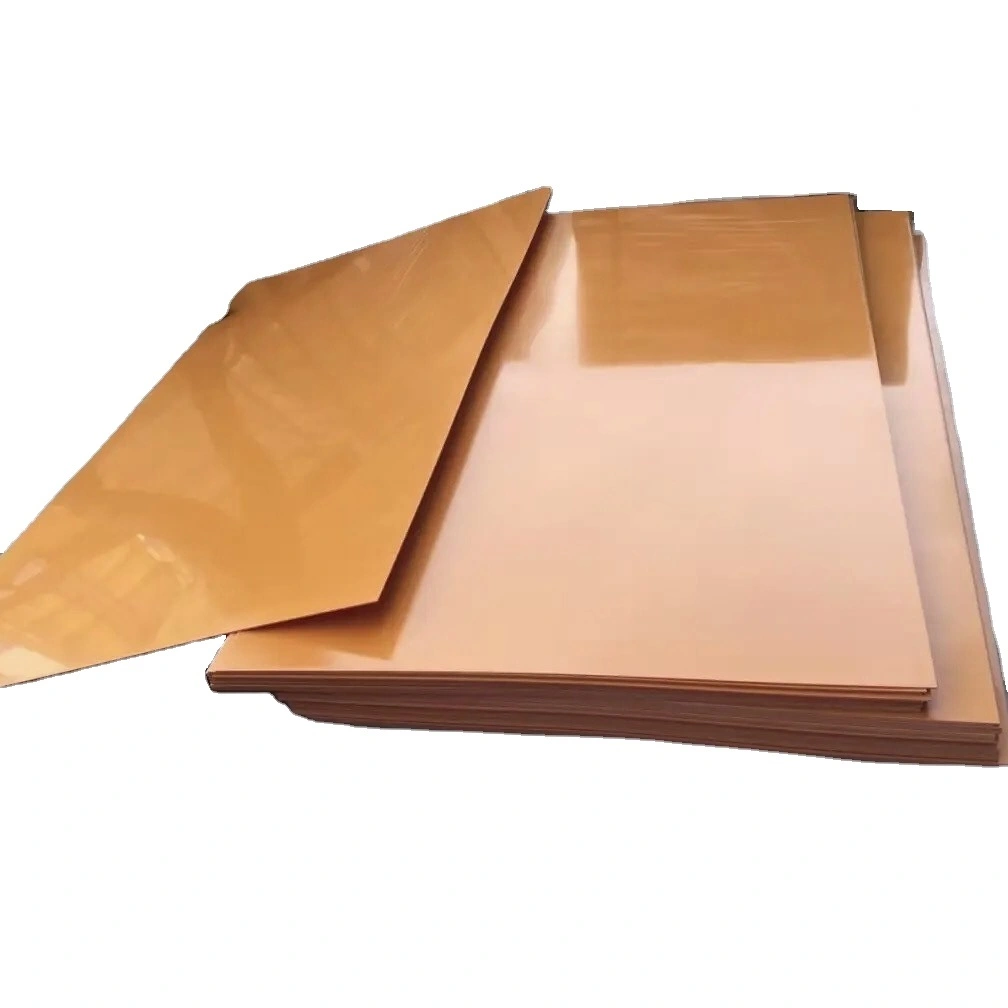
Phenolic paper board has been used for many years to reliably in electrical and mechanical shielding tasks that require dielectric integrity, temperature stability, and low cost. The layers of cellulose paper are laminated together under high pressure with phenolic glue to make this material. It is a good choice for both performance and cost. Power distribution, switchgear manufacturing, and industrial machinery procurement specialists know how useful it is in situations where it needs to be able to be punched, resist arcs, and be stable when machined. These are the qualities that put it between standard materials and premium epoxy-glass composites in the insulation hierarchy.
Understanding Phenolic Paper Board: Composition and Key Properties
The carefully planned way that phenolic paper board is made is what gives it its technical base. After being impregnated with resin, premium kraft paper is compressed at high temperatures and under pressures of about 1000 psi. This thermosetting process turns phenolic binder and cellulose fibers into a hard composite structure that makes an industrial board that doesn't change shape.
Material Composition and Manufacturing Standards
Paper-based phenolic laminates must be made according to NEMA Grade classifications (X, XX, XXX) and IEC PF CP 201/202 names. Grade X is good for mechanical uses because it has a normal amount of resin in it, while Grade XXX has the highest amount of resin saturation, which makes it better at resisting wetness, which is important for high-voltage installs. The cellulose paper base is very different from cotton fabric or glass fiber options. It has special benefits when it comes to punchability and surface finish that are very important in making hardware parts and PCB backup boards.
Critical Physical and Chemical Properties
The density is usually between 1.30 and 1.45 g/cm³, which makes it light and strong enough for structural tools and busbar supports. Mineral oils and typical industrial solvents that are found in transformer and motor settings don't affect the phenolic resin matrix at all. In the lengthwise direction, the flexural strength is higher than 135 MPa, which means it can withstand compressive loads and keep its shape while changing between room temperature and operating temperature.
Electrical Performance Characteristics
The dielectric strength is a key performance factor, and during short-time testing procedures, NEMA XXX grades can reach values higher than 500 V/mil. Because it doesn't easily conduct electricity, this material can be used in phase barriers and arc chutes, where voltage differences make shielding difficult. The material works nonstop within the Class E temperature range (110–120°C), matching its thermal performance with long-term dimensional stability over thousands of hours of use in motor housings and switchgear cases.
Why Phenolic Paper Board Excels in Insulation Applications
When choosing insulation materials, you have to look at a lot of efficiency factors at once. Paper-based phenolic paper board laminates solve some problems that electrical and mechanical engineers have when they have to choose parts for production settings where cost, stability, and ease of use all have to work together.
Superior Dielectric Performance in Controlled Environments
The material's dielectric strength stays the same in low to mild humidity conditions, which makes it perfect for electrical equipment inside homes. Unlike hygroscopic materials, which quickly take water from the air, phenolic paper board keeps its electrical qualities stable when placed in temperature-controlled switchgear rooms and distribution panels as long as it is kept properly. This steadiness means that performance can be predicted even when weather conditions change with the seasons, without the need for extra environmental controls or conformal coats.
Exceptional Machinability and Punchability
Paper-based phenolic boards are different from glass-reinforced ones because they can be hot-punched. When the right tools and temperature conditions are used, it is possible to make complex shapes like mounting holes, radius cuts, and detailed profiles without any delamination or edge fraying. This feature cuts down on secondary finishing steps, which lowers production costs in high-volume uses like device insulation frames and motor brackets, where clean edges and tight specs directly affect how well they are put together.
Chemical Resistance and Environmental Durability
Hydraulic fluids, grease, and cleaning agents are often used in places where industrial machinery is used. The finished phenolic resin matrix doesn't break down easily when exposed to petroleum-based compounds and common industrial chemicals. This means that the structure and finish of the surface stay the same over long periods of time. This chemical stability is especially useful in situations where insulation parts come into direct contact with oiled motor parts or when equipment needs to be cleaned with solvents on a regular basis as part of maintenance.
Comparing Phenolic Paper Board with Other Laminates and Insulation Materials
To choose the right material, you need to know how the pros and cons of different choices compare. Engineers looking at insulation options can benefit from direct comparisons that show where paper-based phenolic paper board are the most cost-effective compared to other laminate builds.
Phenolic Paper Board Versus FR-4 Epoxy Glass
Because they are stronger and can handle higher temperatures (Class F/H, over 130°C), FR-4 epoxy glass laminates are needed for structural PCB uses and high-temperature motor settings. In electrical uses that aren't solid and only need Class E temperature ratings, paper-based phenolic materials can save you 30 to 50 percent on costs. The choice comes down to the needs of the application: choose phenolic paper board when insulating performance, cost, and ease of machining are most important, and choose FR-4 when mechanical loads or high temperatures are most important.
Comparison with Cotton Cloth Phenolic Laminates
Compared to paper-based versions, cotton cloth phenolic boards (like grade 3025) have better mechanical qualities and are less likely to get oily. Cross-grain alignment gives the knitted fabric structure better tensile strength. This makes cotton laminates better for mechanical gears, wear plates, and high-stress structural parts. Paper versions work best when electrical protection is more important than mechanical loads. This is especially true for flat parts like arc barriers, terminal blocks, and PCB drilling backup boards, where the need for a smooth surface and the ability to punch holes are more important than mechanical strength.
Advantages Over Mica and Ceramic Insulators
Mica sheets and ceramic parts can withstand temperatures above 500°C very well, but they are fragile and hard to machine, which makes them hard to handle and limits the design options. It's easy to make phenolic paper board with standard carbide tools, it can handle complicated shapes by punching, and it has good heat performance for most industrial electrical uses that run continuously below 120°C. Paper phenolic boards are a good choice for mass production when high temperature protection isn't required by the application. This is because they are cheaper to make and use less material.
Procurement Considerations: How to Source the Best Phenolic Paper Board
To successfully source materials, you need to know the parameters of the specifications, the abilities of the suppliers, and the quality control methods that make sure the products supplied always meet the needs of the application across multiple production lots. Phenolic paper board procurement teams should focus on several key areas.
Understanding Grade Specifications and Certifications
The NEMA grade labels tell you about the resin content and moisture protection features that have a direct effect on how well the electrical system works. Grade XX is good for general electrical uses because it has balanced qualities. On the other hand, Grade XXX requirements are necessary for systems that will be exposed to high humidity or outdoor enclosures. UL recognition (like UL 94 grades for flammability) and ROHS/REACH compliance are very important for goods that will be sold in controlled markets or exported. During the qualification process for suppliers, purchasing teams should ask for proof of approval to make sure that manufacturing sites have quality systems that meet foreign standards.
Evaluating Thickness Tolerances and Surface Quality
When multiple laminate layers are put together to reach certain insulation lengths, accuracy in thickness has a direct effect on precise fixtures and stacking systems. Reputable makers keep tolerances within ±10% of standard thickness across all production runs. This makes sure that parts can be swapped out and that the results of assembly are always the same. Surface smoothness changes how well drilling works in PCB backup situations and how well glue or sealants stick insulators to metal casings. As part of the visual screening process, you should look for delamination, resin bleed, and surface flaws that affect either the electrical function or the way the product looks.
Supplier Reliability and Logistics Capabilities
Lead times are very different depending on the type of material, its thickness, and the size of the order. Manufacturers who have been around for a while usually give shipping times of two to four weeks for normal grades and sizes. Custom specifications take longer to process. Minimum order numbers are set to make production more efficient. Depending on the thickness and size needs, they usually start at 50 to 100 sheets. Integrated transportation service providers make it easier to coordinate shipping, which is helpful for foreign purchases where customs paperwork and combining freight can affect the final cost.
Practical Applications and Case Studies in Electrical Insulation
Real-life examples show how the qualities of a material can be used to improve operations in a wide range of industries. For example, the performance of electrical and thermal insulation of phenolic paper board has a direct effect on the safety and efficiency of equipment.
High-Voltage Switchgear and Transformer Insulation
A lot of the infrastructure that moves power around depends on phenolic paper board for things like arc chutes, phase barriers, and busbar supports. The dielectric strength of the material keeps arcing from happening between live wires, and its structural stiffness keeps the exact spacing even when electromagnetic forces are present during fault conditions. A local utility company reported that phenolic insulation barriers in outdoor distribution switchgear had a 15-year service life. Post-service analysis showed that the dielectric properties didn't change much, even though the equipment was exposed to changes in temperature and humidity while it was in use.
PCB Manufacturing Support Applications
Printed circuit board makers use phenolic backup boards during micro-drilling to cover the drill tables and make sure the exit holes are clean and don't burr. The material's mild hardness and regular density keep the drill bit from deflection during high-speed operations. This extends the life of the tool and makes the quality of the holes more consistent across production runs. A contract manufacturer that specializes in automotive electronics said that switching from plywood backup boards to NEMA XX grade phenolic paper laminates cut drill bit replacement costs by 40%. The company also said that positional accuracy for high-density interconnect PCB designs got better.
Jigs, Fixtures, and Non-Conductive Tooling
Positioning tools, test fittings, and non-conductive wear plates are all made from phenolic paper board on manufacturing assembly lines. Compared to glass-reinforced laminates, the material is naturally lubricious, which makes mechanical parts run more quietly. Its electrical insulation qualities also keep ground loops and signal interference from happening in electronic testing equipment. A company that makes appliances made a set of motor assembly fixtures out of Grade X phenolic board. These fixtures lasted three years in high-volume production settings where they had to be stable in terms of size and resistant to grease contamination in order to keep assembly standards.
Conclusion
Phenolic paper board is a key material in the insulation order because it provides good performance at the point where electrical stability, ease of mechanical machining, and low cost all come together. It's helpful for engineering teams that choose parts for switchgear, motor systems, PCB manufacturing, and industrial fixtures to know the differences between grades, the benefits of each application, and how to buy materials in a way that meets practical needs. The material has a history of success in power distribution, electronics manufacturing, and industrial machinery. This shows that it is still useful even though there are newer composite technologies available, especially in situations where Class E temperature ratings are enough and hot-punching capabilities help with manufacturing. It is still important to choose qualified suppliers with strong quality systems and quick technical help if you want to get the most out of paper-based phenolic laminates that have been properly defined.
FAQ
What thickness options are available in phenolic paper board?
Standard thickness ranges are from 0.5 mm to 100 mm, with 1.0 mm to 25 mm being the most popular sizes used for electrical insulation of phenolic paper board. Special production runs can be used to meet custom thickness needs, but the minimum order quantity usually goes up for non-standard requirements. The choice of thickness is based on the power grade needed, the strength needed, and the amount of room available in the equipment enclosure.
How does moisture affect paper-based phenolic laminates?
When exposed to high-humidity settings, the cellulose paper substrate takes moisture from the air, which makes it expand in size and weaken its dielectric strength. The specs for Grade XXX include the highest amount of resin, which gives it better resistance to moisture and works well in fairly humid circumstances. When you store things in climate-controlled spaces (with relative humidity below 60%) and cover cut edges with the right coverings, the dimensions stay stable and the electronics work well for as long as the material is stored and used.
Can phenolic paper board withstand continuous operating temperatures above 120°C?
Because the material has a Class E heat grade, it can only be used continuously at temperatures between 110°C and 120°C. When the temperature goes above this range, the paper base turns into carbon, which makes it lose its insulating strength over time until it breaks. For uses that need higher temperatures all the time, epoxy-glass laminates (Class F/H) or ceramic insulators may be a good choice, based on the thermal and mechanical loads.
Partner with J&Q: Your Trusted Phenolic Paper Board Supplier
Every time they work with an insulation material partner, J&Q brings more than 20 years of experience making high-quality products and trading with other countries. Our vertically integrated operations combine the ability to make things with dedicated transportation services. This means that we can provide full solutions from helping you figure out your needs to sending the finished phenolic paper board product. Purchasing and engineering managers can get phenolic paper board that is UL-approved and ROHS-compliant in NEMA X, XX, and XXX grades. The quality of each batch is the same. Our expert team gives you application-specific advice to make sure that the materials you choose are perfect for your power ratings, working conditions, and machining needs. Reach out to info@jhd-material.com to talk about the insulation component needs, request certified material samples, or obtain detailed quotations for volume requirements that position your projects for success.
References
National Electrical Manufacturers Association (NEMA). "Industrial Laminating Thermosetting Products: NEMA Standards Publication LI 1-2019." National Electrical Manufacturers Association, 2019.
International Electrotechnical Commission (IEC). "Specification for Industrial Rigid Laminated Sheets Based on Thermosetting Resins for Electrical Purposes: IEC 60893 Series." International Electrotechnical Commission, 2018.
American Society for Testing and Materials (ASTM). "Standard Test Methods for Laminated Thermosetting Materials: ASTM D709-01." ASTM International, 2020.
Tanaka, Toshikatsu. "Dielectric Properties and Electrical Aging of Paper-Based Insulation Systems." IEEE Transactions on Dielectrics and Electrical Insulation, vol. 26, no. 4, 2019, pp. 1254-1262.
Underwriters Laboratories (UL). "Polymeric Materials: Component Recognition Guidelines UL 94 and E310670 Series." Underwriters Laboratories, 2021.
Zhang, Wei and Kumar, Rajesh. "Comparative Analysis of Thermosetting Laminates in High-Voltage Switchgear Applications." Journal of Electrical Engineering Materials, vol. 15, no. 2, 2020, pp. 87-104.

_1753952475136.jpg)
