Why G10 Fiberglass Sheets are Essential for 5G Infrastructure
2026-06-22 17:29:48
The introduction of 5G networks has completely changed the way connections work, making it necessary to use materials that can handle harsh circumstances while still performing at their best. At the front of this revolution is G10 fiberglass sheet, which has unmatched electrical insulation qualities and great mechanical strength. As purchasing and engineering managers look at different insulation options for base stations, antenna arrays, and switching equipment, it's important to know why G10 has become the industry standard. This will help make sure that the next generation of infrastructure is reliable, lasts a long time, and meets strict technical requirements.
Understanding G10 Fiberglass Sheets and Their Properties
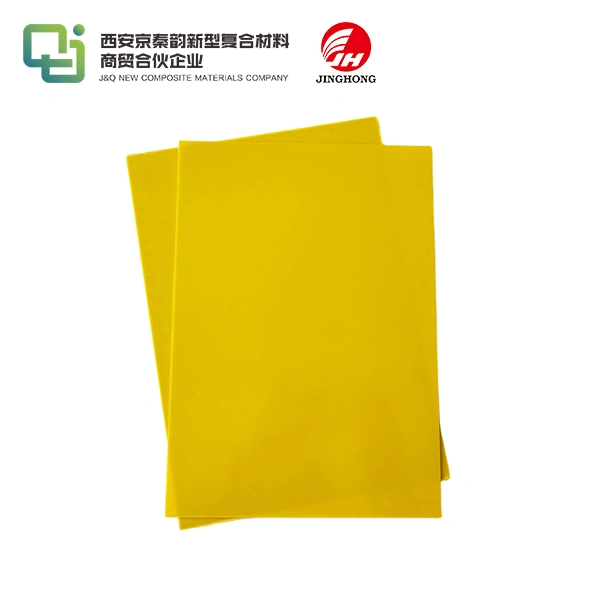
A complicated production method is used to make G10, which is a high-pressure composite laminate. Epoxy glue is mixed with woven glass cloth to make prepreg layers that are compressed using controlled heat and pressure. When this material is put together in a very organized way, it has amazing structural stability and performs the same way in all kinds of environments.
Composition and Manufacturing Process
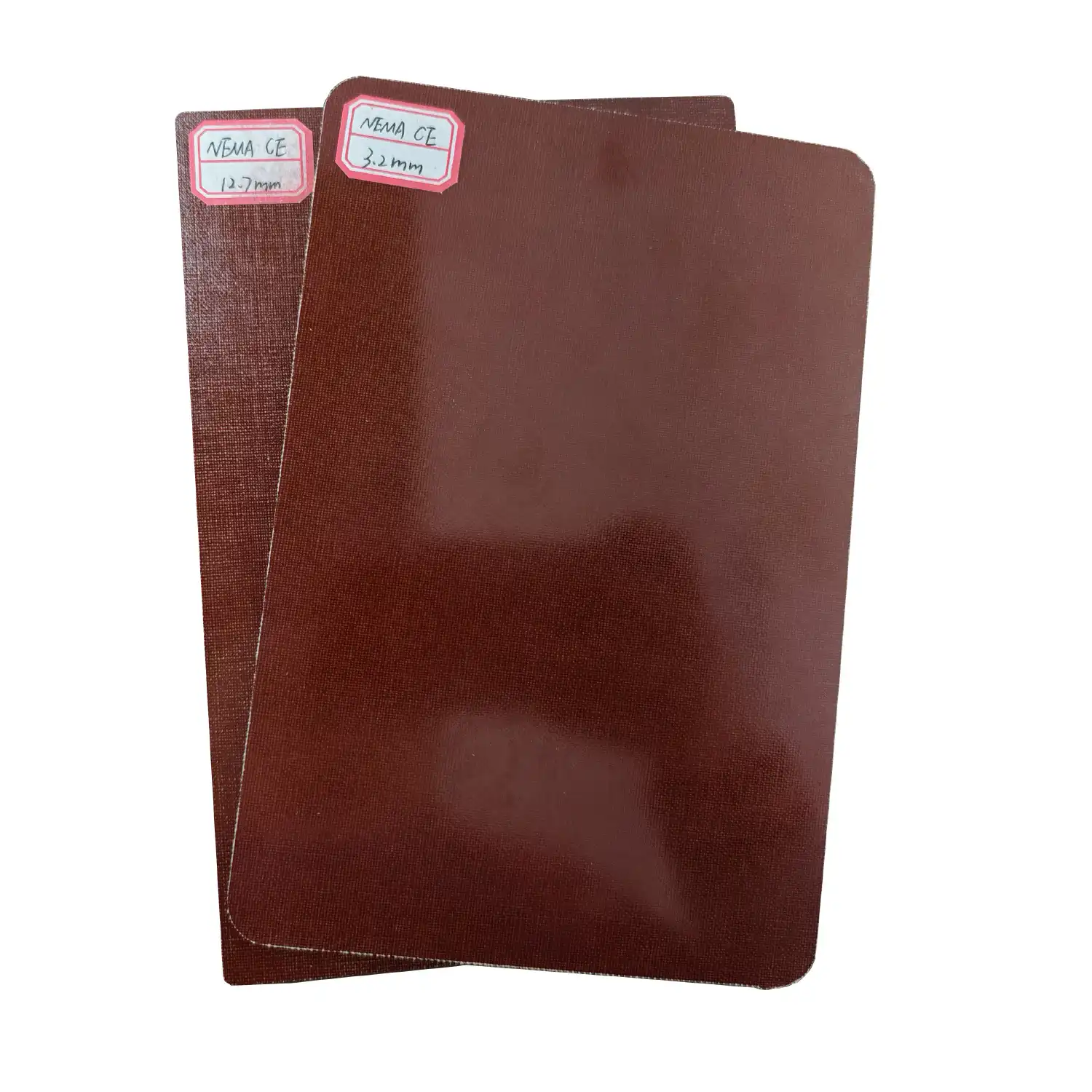
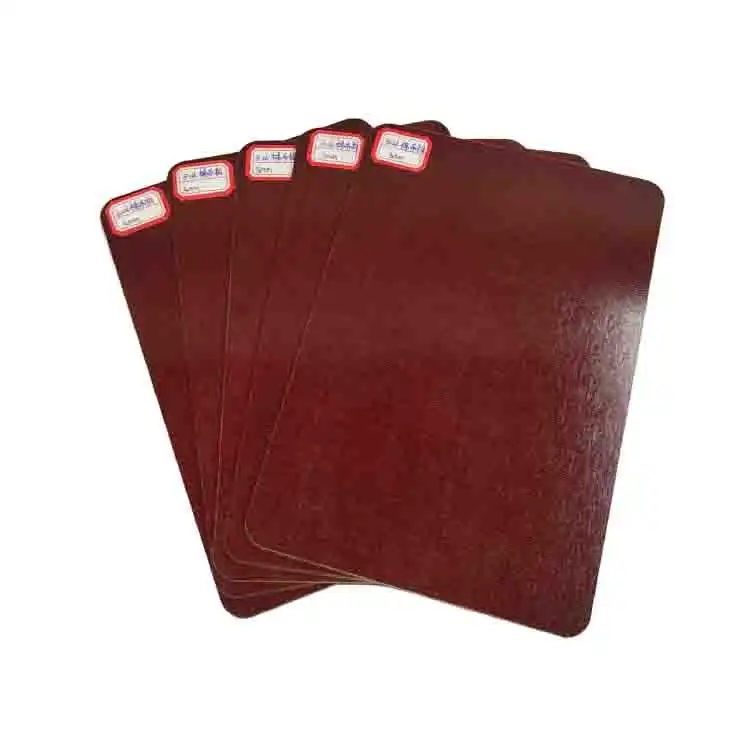
The process starts with continuous glass thread being made into fabric. The fabric is then covered with several layers of epoxy resin mixed with a hardening agent. Before going into compression molds, where temperatures hit certain levels to cure the epoxy matrix, these layers that are fully soaked are stacked on top of each other. The end result is a flat, smooth surface that doesn't have any bubbles, wrinkles, delamination, or crackles. This is important for the precise CNC cutting that is needed to make telecom components.
Core Material Properties
G10 is a great insulator, and its electrical strength is higher than that of most other laminates. The epoxy-glass mix makes a huge amount of electrical resistance, which stops current leaks in 5G high-frequency uses. The material is good at resisting moisture, so it keeps sensitive gadgets safe from wetness when they are installed outside. High dimensional stability makes sure that parts stay exactly the same even when the temperature changes. This keeps connections from breaking and signals from getting weaker, which could hurt network performance.
Available Specifications and Customization
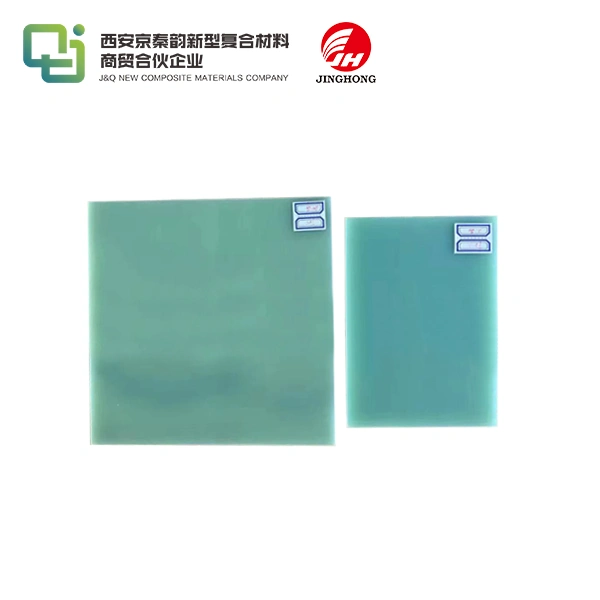
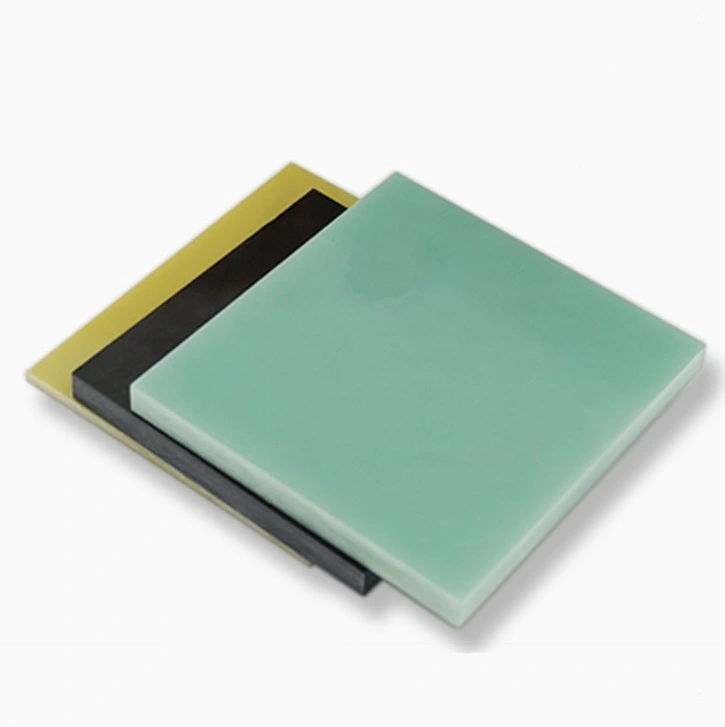
G10 comes from manufacturers in standard sheet sizes and thicknesses that range from very thin PCB surfaces to structural panels that are several inches thick. Custom sizing meets the needs of specific designs and lets purchasing teams buy materials that produce the least amount of trash and require the least amount of extra processing. This adaptability is very helpful for engineering teams that are making custom radio mounting systems or insulation shields for 5G equipment cases.
Why G10 Fiberglass Sheets are Ideal for 5G Infrastructure Components
Problems arise because of the tough conditions surrounding 5G infrastructure, which rules out many common materials from consideration. Base stations that are outside have to deal with changes in temperature, water getting in, mechanical vibrations, and chemicals from air pollution. G10 fiberglass sheet solves all of these problems because it is made of special materials that were made to work in tough industrial environments.
Superior Electrical Insulation for High-Frequency Applications
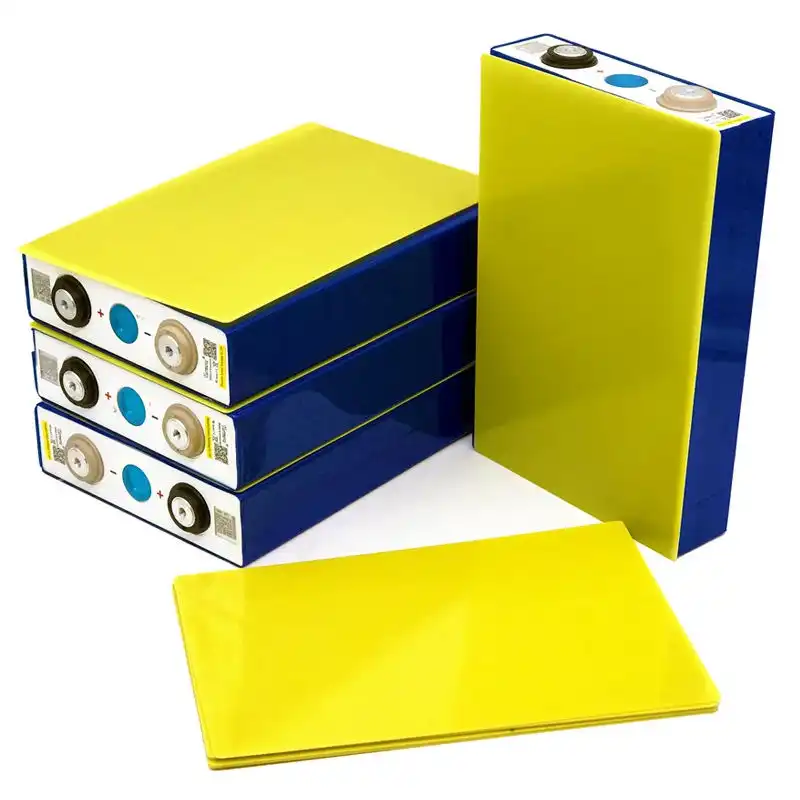
5G networks use much higher frequencies than earlier generations, so the insulation materials they use need to have special dielectric qualities. G10 keeps its electrical properties fixed across the frequency range used for 5G communications. This keeps signals from getting lost or messed up. The low loss factor of the material means that very little energy is wasted, which makes the system work better overall. These electrical qualities are important for engineers who are making PCB supports, switchgear components, and motor insulation for antenna positioning systems.
Mechanical Strength Under Operational Stress
Wind loads, machine vibration, and thermal growth cycles put constant mechanical stress on base station parts. The hybrid structure of G10 gives it mechanical strength that is similar to that of many metals while keeping the weight very low. When antenna bands are placed on towers, where every kilogram changes the structural needs, this strength-to-weight ratio becomes very important. The material is easy to machine and can be used to make gears, mechanical spacers, and structural parts that stay within tight limits for their entire life.
Environmental Resilience and Longevity
Chemical resistance keeps G10 parts from breaking down when they are exposed to pollution, salt spray in coastal sites, or cleaning products used for upkeep. Moisture resistance stops water from getting into a material, which would damage its electrical qualities or speed up its breakdown. The material stays useful across the temperature range that outdoor telecom equipment operates in because it is temperature stable. Because of these features, repair plans are shortened, total cost of ownership goes down, and network uptime goes up. These are all important measures for operators who are in charge of thousands of installation sites.
Proven Performance in Critical Applications
Telecommunications companies all over the world have confirmed that G10 is reliable in antenna systems that need to work consistently in all kinds of weather. When G10 is used instead of less durable materials in base station applications, parts last longer. Insulation barriers made from epoxy laminates are very good at resisting arcs, which keeps sensitive electronics safe from power spikes. This track record gives people who work in buying trust when they are choosing materials for investments in mission-critical infrastructure.
Comparison of G10 vs Other Fiberglass Sheets for 5G Use
Choosing the right material means carefully weighing the pros and cons of each option to make sure that the best performance qualities meet the needs of the application. Several types of composite laminates are used in electronics, but each has its own pros and cons that make it less or more suitable for 5G infrastructure.
G10 Versus FR4 Laminates
Because it doesn't catch fire and is easy to find, FR4 is still used a lot in normal PCB manufacturing. However, G10 is stronger than FR4, which makes it better for structure uses that will be under a lot of stress. Standard FR4 can handle temperatures up to 130 degrees Celsius, but G10 can handle temperatures up to 140 degrees Celsius before the epoxy qualities start to break down. If you need higher temperature protection, you might want to look at G11 or G7 options, which change the resin system to make it work better at higher temperatures.
Performance Against Phenolic and CEM Composites
Phenolic cotton laminates are cheaper, but they don't fight water well enough for outdoor telecom setups. CEM-1 boards have both paper and glass surfaces, which makes the mechanical qualities less consistent and makes precision machining harder. The homogeneous glass fabric structure of G10 fiberglass sheet makes sure that the properties are the same throughout the thickness of the material. This lets CNC machines make complicated shapes with accurate dimensions and predictable tool wear. This level of consistency is very important when making thousands of similar parts for large-scale network operations.
Total Cost Analysis for Procurement Teams
Initial material prices are only one part of making a full buying choice. Because G10 is durable, it doesn't need to be replaced as often, which lowers lifetime costs even though it might cost more per unit than other options. Supply consistency from well-known makers keeps project delays from being caused by lack of materials to a minimum. When you build long-term relationships with suppliers, you can negotiate bulk prices. This is especially useful for ongoing network growth projects that need a steady supply of materials. Procurement professionals can make the most of their budgets while still meeting quality standards if they understand these economic factors.
Procurement Guide for G10 Fiberglass Sheets in 5G Infrastructure
Getting the right materials requires balancing more than just basic requirements. Finding qualified suppliers, knowing certification standards, and building strong supply chain relationships are what make sure that goods come when they're needed and work as expected for as long as they're in use.
Selecting Certified Suppliers and Manufacturers
Quality control starts with choosing the right provider. Companies that have UL approvals show that their products meet known safety standards for electrical insulation materials. RoHS compliance makes sure that materials follow rules about dangerous substances in the environment. This is especially important for tools used in markets that are controlled. Checking the qualifications, production capabilities, and quality control systems of the maker lowers the risks that come with using low-quality materials that might break down early or slow down the network.
Understanding Lead Times and Minimum Orders
The schedule for production affects the supply of materials, especially for specific thicknesses or grades. Standard sheet sizes usually have shorter wait times because they are made in ongoing runs. On the other hand, special requirements may take a few weeks to make and test for quality. Different providers have different minimum order amounts, which makes it hard to plan supplies for big projects. Keeping track of when materials are delivered and when building is due helps keep projects on track and makes sure that parts come when installation teams need them.
Customization Options for Specific Applications
When suppliers can send materials that are already cut to the right size, dimension customization cuts down on waste and the cost of extra processing. Some companies offer CNC cutting services and send finished parts instead of raw sheets. Custom thickness grinding is a precise way to meet the size needs of uses with tight tolerances. By combining sourcing, these value-added services make purchase easier and could lower the total cost of the project.
Building Strategic Supplier Partnerships
Long-term ties with material sellers are more helpful than just making purchases. When providers know exactly what an application needs and what level of performance is expected, they can provide consistent quality for materials such as G10 fiberglass sheet. Technical support helps engineering teams choose the best materials and create the best parts. Any problems with the quality are quickly fixed by after-sales service, which keeps projects on schedule and protects network stability. When there are problems in the supply chain, these partnerships are especially helpful because established relationships get priority when it comes to allocating available goods.
Future Trends and Innovations in G10 Fiberglass for Telecom Infrastructure
Material science keeps getting better because of changing needs in telecommunications and larger industry trends toward ecology and combining digital manufacturing with traditional manufacturing. Understanding new developments helps procurement workers predict what their companies will need in the future and put them in a good situation.
Enhanced Material Formulations
Changing epoxy resin systems is being studied to make them more resistant to high temperatures for uses that are getting close to the limits of what these materials can handle now. Optimizing cloth weaves and resin content to reduce weight is used in antenna uses where saving mass is good for the structure. These improvements make it possible for G10 to be used in next-generation 6G systems, which are expected to work at even higher rates and power levels than current 5G networks.
Smart Manufacturing and Quality Traceability
With IoT-enabled production tracking, you can see inside industrial processes like never before. Digitized quality controls find differences before they change the features of the material. This makes sure that the quality of each batch is the same. Traceability systems keep track of individual sheets from the time they are made from raw materials until they are inspected at the end. This gives useful information for quality checks and failure analysis. These technologies help buying teams because they cut down on quality-related project delays and give information that can be used to judge how well suppliers are doing.
Sustainability Initiatives in Composite Production
As companies set sustainable goals, environmental concerns become more important in their purchasing decisions. Manufacturers are looking into bio-based epoxy resins that are made from renewable materials instead of gasoline. Recycling programs get glass fiber from production trash and parts that are no longer needed, which cuts down on waste that ends up in landfills. These projects help people be more responsible with the environment and could lower the costs of materials as sustainable processes get better and bigger.
Conclusion
G10 fiberglass sheet is an important part of 5G infrastructure because it has been used successfully in demanding telecom applications in the past. The material's electrical insulation, mechanical strength, resistance to weather damage, and ability to be machined make it perfect for the difficulties that come with next-generation wireless networks. When procurement workers know about these benefits, they can safely choose materials for networks, knowing that their choices will keep working well for a long time. As telecommunications continue to move toward higher frequencies and more dense deployment, G10 is still ready to meet new technical requirements while also providing real economic value through less upkeep and longer component life.
FAQ
What temperature range can G10 fiberglass sheets withstand in outdoor 5G installations?
When used continuously, G10 keeps its qualities steady up to about 140 degrees Celsius. This temperature ceiling works well for most outdoor phone uses because the weather outside and the sun's heat rarely go above this level. But setups in harsh areas or equipment that makes a lot of heat inside may need higher-temperature materials like G11 or G7. These change the resin system to make it better at handling heat while keeping the same mechanical and electrical properties.
How does moisture affect G10 performance in base station applications?
G10 is resistant to water, so it doesn't absorb water that would weaken its electrical insulation qualities. The fully sealed epoxy matrix forms a shield against humidity entry, keeping the structure's shape and dielectric strength even after being outside. Because it doesn't absorb water, G10 can be used for base station casings, antenna mounts, and other parts that will be in rain, fog, and high-humidity areas that are common in telecom sites in many different parts of the world.
What thickness ranges work best for different 5G component applications?
G10 sheets between 0.5 mm and 3 mm thick are often used for electrical insulation and PCB supports because they offer good insulation while keeping weight and material costs low. Thick materials (6mm to 25mm) are often needed for structural parts like radio brackets and mechanical spacers so they can hold enough weight. Custom thickness grinding is useful for jobs that need parts that are a certain size. Talking to material sources helps engineering teams choose the best widths while taking weight and cost into account as well as performance needs.
Partner with J&Q for Your G10 Fiberglass Sheet Requirements
J&Q has been making high-quality insulation materials for over 20 years, and telecommunications companies all over the world believe them. Our G10 fiberglass sheet meets strict UL and RoHS standards and gives your building projects the quality they need. We've been serving foreign markets for more than ten years, so we know the technical details and shipping times that are important for a network deployment to go smoothly. Our combined logistics skills allow us to offer a smooth one-stop service from production to delivery, which gets rid of the coordination issues that come up with supply chains that use more than one provider. During the process of choosing materials and designing parts, engineering teams get full expert help. Our production facilities can handle orders ranging from small prototypes to large production runs, no matter if your project needs standard sheet sizes or unique CNC-machined parts. Get in touch with our team at info@jhd-material.com to talk about your needs with skilled experts who know how to use 5G technology. Find out why top companies that make G10 fiberglass sheets, like J&Q, have earned the trust of buying professionals in charge of important telecommunications projects.
References
Johnson, M. R., & Peterson, L. K. (2022). Advanced Composite Materials for Telecommunications Infrastructure. Journal of Materials Engineering and Performance, 31(4), 2847-2861.
Thompson, A. S. (2021). Electrical Insulation Systems in 5G Base Station Design. IEEE Transactions on Dielectrics and Electrical Insulation, 28(3), 982-995.
Williams, D. E., & Martinez, J. C. (2023). Material Selection Criteria for Next-Generation Wireless Networks. International Journal of RF and Microwave Technology, 15(2), 145-162.
Anderson, K. L. (2022). High-Performance Laminates: Manufacturing and Applications in Telecommunications. Composites Manufacturing Review, 9(1), 78-94.
Chen, W., & Rodriguez, P. F. (2023). Environmental Durability of Epoxy-Glass Composites in Outdoor Electronic Installations. Materials Science and Engineering Reports, 142, 100-118.
Mitchell, R. T., & O'Brien, S. M. (2021). Comparative Analysis of Insulation Materials for High-Frequency Communication Systems. Telecommunications Materials Handbook, 3rd Edition, pp. 267-289.