Using Bakelite Sheets for High-Temperature Testing Fixtures in Labs
2026-06-23 17:22:54
When accuracy is important and thermal stability can't be sacrificed, Bakelite sheet is the superior choice for high-temperature testing equipment in laboratories. For consistent electrical insulation, great heat protection up to 120°C continuous operation, and mechanical stability that can handle the tough demands of electronics testing, materials research, and quality control applications, this phenol formaldehyde resin composite is the best choice. Phenolic laminates are trusted by labs all over the world to keep their accuracy and safety when daily testing methods include chemical contact, voltage exposure, and temperature cycling.
Understanding Bakelite Sheets and Their Properties
What Defines Bakelite as a Thermosetting Plastic
Bakelite was the first man-made thermosetting polymer. It was made when phenol and formaldehyde condensed together under controlled heat and pressure. While thermoplastics weaken when heated, this phenolic glue crosses-links molecules in a way that can't be undone. This keeps the structure stable even when the temperature changes. The making process starts in reactors, where phenol and formaldehyde mix with fillers and enzymes to make a sticky substance. Then, this liquid glue soaks into layers of reinforcement, which are usually paper, cotton fabric, or glass fiber. Finally, heat and pressure from hydraulic presses harden the composite into Bakelite sheets that are between 0.5 mm and 50 mm thick.
Types and Grades Available for Laboratory Use
There are three main types of stimulus that meet different lab needs:
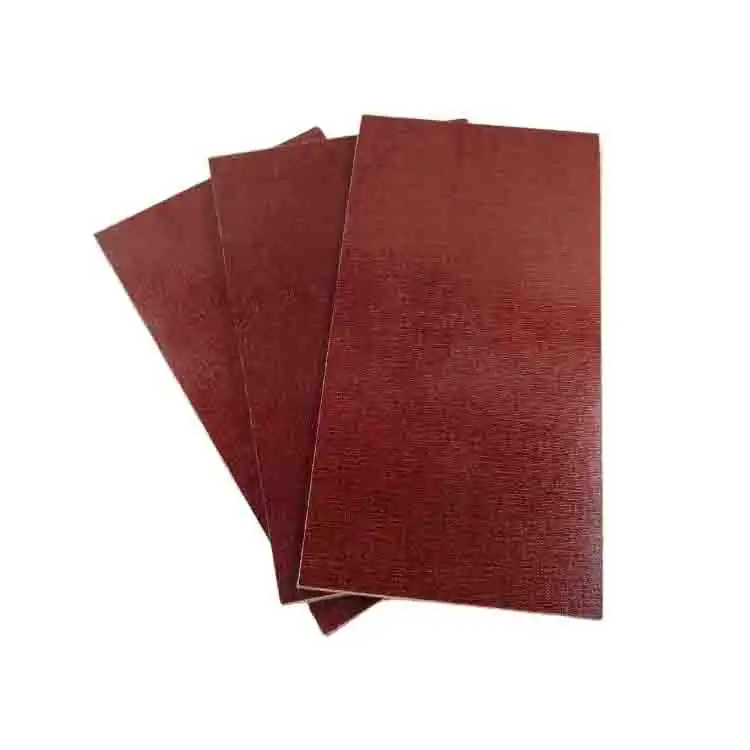
Paper-reinforced grades are great for electrical test jigs and PCB support pieces because they are very dielectrically strong and don't absorb much water. These grades work great in situations where voltage separation and physical stability are needed in moderately humid environments.
Fabric-reinforced variants are better in terms of mechanical strength and wear resistance. The layers of cotton cloth inside the phenolic matrix make long-lasting parts for mechanical testing tools, bearing surfaces, and structural supports that don't deform even after being loaded and unloaded many times.
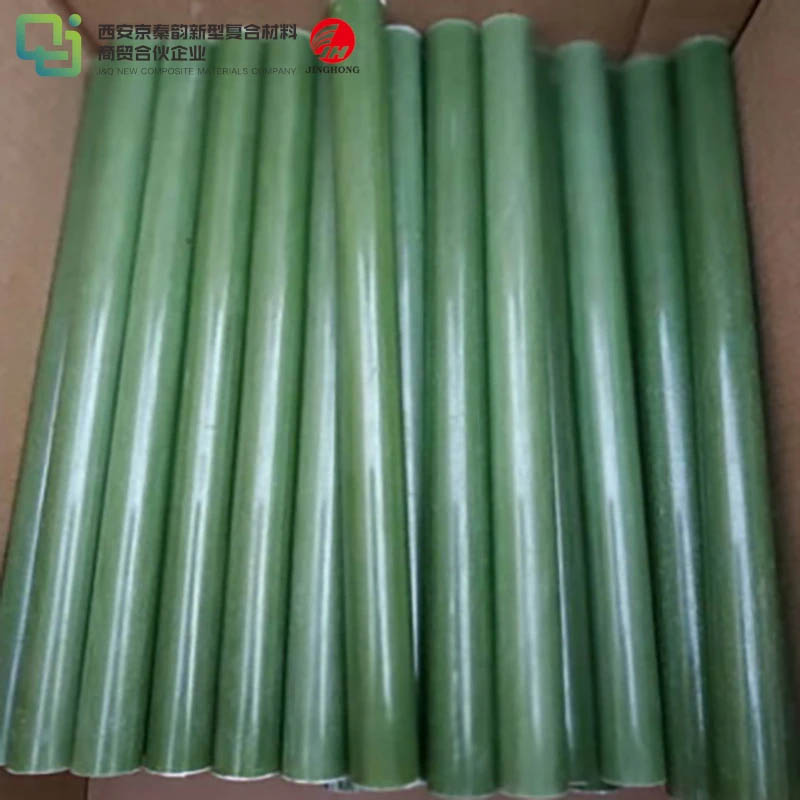
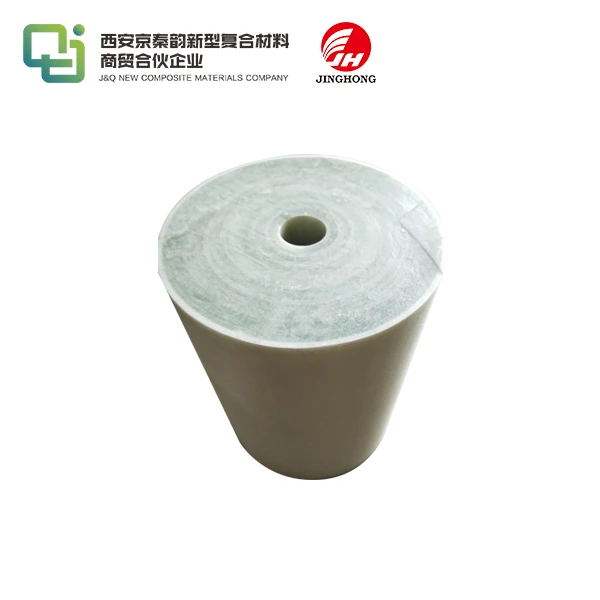
Glass-reinforced laminates offer the highest levels of chemical and thermal protection. When temperatures get close to 150°C or when the material is exposed to strong chemicals, glass fiber support keeps it together, while paper or fabric grades would break down.
Knowing these differences helps buying teams choose the right grades based on expected thermal profiles, electricity needs, and mechanical loads in different testing situations.
Key Physical and Chemical Attributes
Phenolic laminates are commonly used in laboratories because they are very stable at high and low temperatures. They can work continuously from -40°C to 120°C, with short-term peaks up to 150°C. Electrical insulation values always go above and beyond what is needed for switches and high-voltage test equipment. Chemical resistance to oils, alcohols, and most solvents keeps fixtures from becoming contaminated. The strength-to-weight ratio allows for complicated CNC-machined shapes without compromising the structure, and the low moisture absorption stops the parts from shifting in size in places with changing humidity.
Environmental issues are also important. Even though Bakelite doesn't break down quickly, responsible providers have recycling programs and make sure that as little trash as possible is made during production. The material's durability means that it doesn't need to be replaced as often, which helps meet environmental goals by providing longer service life instead of being easily thrown away.
Identifying Authentic Quality Material
Verification of the seller is the first step in quality assurance. Real phenolic sheets have the same color across all cross-sections, don't flake when they're being machined, and meet written standards for dielectric strength and heat deflection temperature. Labs can easily check that the material is real because it has a clear smell when it's heated by friction and the stiffness of the sheet is the same all over. Reliable sellers give material certificates that show the amount of resin, the type of reinforcement, and compliance with relevant standards. This lets procurement teams check the authenticity of the materials before placing big orders.
Advantages of Bakelite Sheets Over Alternative Materials in Lab Fixtures
Thermal Performance Compared to Modern Polymers
When looking at fastening materials, temperature stability is what sets good options apart from great ones. Even after many heat cycles that soften epoxy composites and change the color of melamine resins, phenolic laminates keep their shape and mechanical properties. While FR4 resin boards work well for putting together electronics, Bakelite sheets do better when exposed to high temperatures for a long time. It doesn't lose its properties over time like FR4 does above 130°C. Alternatives to urea formaldehyde may be cheaper at first, but they are brittle when heated, which raises safety issues and causes them to fail early in tough test settings.
Electrical Insulation Reliability
The dielectric strength of a material stays the same across its service temperature range. This is a major benefit over thermoplastics, whose insulation resistance drops as temperatures rise. This stability makes sure that results are correct when testing at high voltage and keeps electrical interference from happening in measurement sets that need to be very precise. Engineering managers like that phenolic fixtures keep electrical specs without the derating calculations needed for temperature-sensitive alternatives. This makes fixture design easier and eliminates any doubts about the truth of test results.
Durability Through Mechanical and Chemical Stress
The reality of a lab is full of repeated fixture tightening, temperature expansion cycles, and chemical spills that happen by mistake. In this case, phenolic cotton sheets show amazing strength. The material doesn't chip when it's being installed, can handle screws being over-torqued without breaking, and keeps its surface finish even after being cleaned regularly with isopropyl alcohol and other common lab solvents. This longevity directly leads to shorter maintenance intervals, fewer fixture repairs, and unbroken testing schedules—operational benefits that go beyond just comparing costs to support material choice.
Testing labs report measurable gains, such as a drop in the number of broken fixtures, longer calibration intervals thanks to stable measurement reference surfaces, and higher worker safety thanks to reliable electrical insulation. These benefits work together to support the accuracy and consistency that make lab work reliable.
Application of Bakelite Sheets in High-Temperature Testing Fixtures
Common Laboratory Implementations
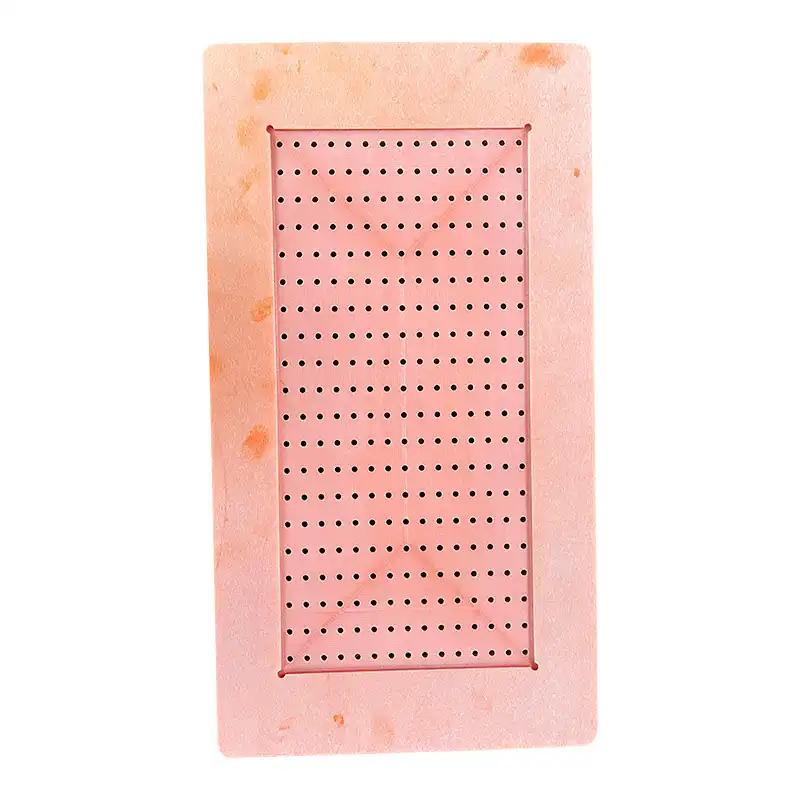
Different kinds of phenolic laminates can be found in current testing centers. Mounting plates for hot test tanks keep platforms steady at high and low temperatures so they don't warp. In electrical safety tests, insulating barriers keep high-voltage parts apart. These barriers combine thermal protection with dielectric stability. Custom tools for electronics burn-in testing use CNC machinability to place parts precisely while keeping circuits electrically separate while they are under stress.
Glass-reinforced grades are used in materials science labs for sample holders in temperature analysis equipment. The accuracy of measurements is directly affected by how stable the dimensions are. Automotive testing centers use Bakelite sheets to make battery pack insulation barriers because they are resistant to flames and have good electrical qualities that are important for safety validation processes.
Industry-Specific Requirements and Solutions
Fixtures that can fit PCB shapes and provide clean electrical ground planes and heat dissipation paths are needed for testing electronics. For transformer testing devices used in the power sector, arc resistance and flame retardancy are the most important factors. Automotive R&D teams need custom-machined parts with exact thickness specs and surface finish requirements so that contact resistance tests can be done over and over again.
These different needs are met by the flexibility of phenolic resin. CNC cutting, drilling, turning, and threading operations can be done on the material with carbide tools, which lets complex fixture shapes be made to fit exact needs. Custom molding experts can make parts that exactly match CAD models, complete with threaded inserts, mounting holes, and precision-machined reference surfaces that fit right in with current test sets.
Validated Performance Outcomes
When an electronics company in the Midwest switched from FR4 to paper-reinforced phenolic for their high-temperature test stations, the cost of replacing fixtures dropped by 60%. The better temperature stability got rid of the warping problems that were causing fixtures to be out of line and test runs to be canceled. An car tier-1 supplier said that testing went faster when phenolic battery separators could handle harsh thermal cycling methods that broke down competing materials in just a few weeks.
These results from the real world show that the product has value that goes beyond its basic specs. Labs have more faith in the accuracy of test results, procurement teams keep track of cost savings from fixtures lasting longer, and engineering managers value partnerships with reliable suppliers that can meet tight production plans with consistent material quality and quick technical support.
Procuring Bakelite Sheets for Your Lab — What B2B Clients Need to Know
Supplier Selection Criteria
Finding trusted phenolic sheet suppliers involves looking at more than just the price per unit. Certification shows that the manufacturing process is being followed correctly. Look for ISO 9001 quality management systems and UL recognition in electrical uses that need proven performance. Consistency in supply is just as important—labs can't afford to have material shortages that stop testing plans. Established sellers keep a wide range of goods in stock and have good ties with raw materials, which protect against problems in the supply chain.
Eco-friendly ways of making things are becoming more and more important in purchasing decisions. Suppliers who put money into reducing emissions, waste, and finding responsible sources for phenol show that they can stay in business and meet company environmental goals. Technical support is what sets real partners apart from transactional vendors. Responsive engineering help with choosing Bakelite sheets, making suggestions for machining, and fixing problems with applications adds a lot of value throughout the purchase process.
Regional Sourcing Considerations
Because they are closer, suppliers in the United States can offer shorter lead times, easier transportation, and direct technical contact. Even though domestic production may cost more, it is often worth it for important uses because it makes shipping easier and makes sure that regulations are followed.
Overseas buying can save you money, but it also means longer lead times and more difficult conversation. China has well-known companies that make high-quality phenolic sheets at reasonable prices. This is especially true for big orders that can be shipped in containers to save money on shipping. With better quality standards and more flexible export facilities, Indian suppliers are serving global markets more and more.
There are different trade-offs for each source location. When choosing suppliers that are in line with lab working goals, procurement teams have to think about things like the availability of materials, wait times, budgets, and the suppliers' quality assurance capabilities.
Pricing Structures and Order Optimization
Volume price works in predictable ways: ordering in bulk to secure months' worth of goods saves money per unit, which helps departments' budgets. Custom small-batch orders for special sizes or CNC-machined parts cost more because of the time and money needed to set them up and the waste of materials. Strategic buyers plan ahead for what they will need each year and then combine orders to get big prices. They also negotiate stocking deals that make sure materials are always available without tying up too much capital in inventory.
Suppliers who are open and honest give thorough quotes that break down the costs of materials, labor, and shipping. This makes it easier to make accurate budget predictions and bid competitively when rules say that you need more than one quote. If a seller has hidden fees or unclear prices, you should stay away from them because they might not be reliable.
Logistics and Delivery Reliability
Lead times are very different. Orders for stock sheets may be shipped within days, but orders for custom CNC-machined parts need weeks to be made and quality checked. Knowing these dates keeps projects from being late. Shipping methods affect both cost and arrival time. For example, consolidated freight packages lower handling costs per unit but take longer to get to their destinations than expedited carriers.
How quick suppliers are to sudden needs shows how mature a business is. When parts break during important testing efforts, labs sometimes have to work quickly. Flexible production schedules and fast shipping relationships with suppliers are great ways to protect against business disruptions, which is why relationship investment is worth it even if the lowest cost source isn't available.
Conclusion
In tough lab tests where thermal stability, electrical insulation, and mechanical longevity are key to success, phenolic laminates keep giving reliable results. The material's track record in computing, power, transportation, and industrial uses shows that it is fundamentally better than other polymers. Thoughtful procurement strategies that stress source stability, material verification, and application-matched specs get the best performance out of fixtures while keeping total ownership costs low. When labs buy good Bakelite sheets from reputable sellers, they gain operational trust because the sheets last longer, don't break as often, and give accurate test results that protect the lab's image and keep it in line with regulations.
FAQ
What maximum temperature can Bakelite sheets withstand in continuous lab use?
Standard phenolic laminates can safely be exposed to temperatures of up to 150°C for short periods of time or continuously up to 120°C. If you go over these limits, the resin breaks down, the material gets darker, and the electrical protection qualities are lost. For certain uses, types with added glass reinforcement offer better heat stability up to 160°C for Bakelite sheets.
Can suppliers provide custom CNC-machined fixtures from Bakelite sheets?
Yes, makers with a lot of experience do offer full machining services that turn raw sheets into precise parts that match the CAD specs of the customer. CNC processes like milling, drilling, and turning make complicated shapes with very tight limits. Controlled feed rates and carbide tools keep chips from flying off and make sure that measurements are correct, which is very important for lab work.
How does Bakelite compare to epoxy resin for electrical insulation fixtures?
Both materials are very good at conducting electricity, but phenolic laminates are better at withstanding high temperatures for a long time and are more cost-effective. Epoxy materials are better at keeping out water and have a slightly higher mechanical strength. The best material to use depends on the job. For example, phenolic works well for most general lab fittings, while epoxy is better for high-moisture or extreme-load situations.
Partner with J&Q for Premium Bakelite Sheet Solutions
As a reliable provider of Bakelite sheet solutions for demanding lab uses, J&Q has more than twenty years of experience making insulation materials and more than ten years of experience trading internationally. Our many relationships in the United States and other countries, along with our own logistics skills, allow us to provide smooth one-stop service from choosing materials to delivering them. We keep approved stocks of paper, fabric, and glass-reinforced phenolic grades that can be shipped right away or CNC-machined to your exact specs. We offer quality assurance methods, quick technical support, and dependable delivery that keeps testing plans on track, which gives engineering managers and procurement specialists peace of mind. Get in touch with our team at info@jhd-material.com to talk about your high-temperature fastener needs and get detailed quotes backed by decades of material knowledge and customer satisfaction.
References
Baekeland, L.H. (1909). "The Synthesis, Constitution, and Uses of Bakelite." Industrial & Engineering Chemistry Research, Volume 1, Issue 3, pp. 149-161.
Harper, C.A. (2006). Handbook of Plastics Technologies: The Complete Guide to Properties and Performance. McGraw-Hill Professional, Chapter 8: Thermoset Resins.
Richardson, M.O.W. & Wisheart, M.J. (1996). "Review of Low-Velocity Impact Properties of Composite Materials." Composites Part A: Applied Science and Manufacturing, Volume 27, pp. 1123-1131.
Mantell, C.L. (1958). Phenolic Resins: Their Chemistry, Properties, and Industrial Applications. Reinhold Publishing Corporation, New York.
Gardziella, A., Pilato, L.A., & Knop, A. (2000). Phenolic Resins: Chemistry, Applications, Standardization, Safety and Ecology. Springer-Verlag Berlin Heidelberg, Second Edition.
Standards Committee on Electrical Insulating Materials (2018). IEEE 98-2002: Standard for the Preparation of Test Procedures for the Thermal Evaluation of Solid Electrical Insulating Materials. Institute of Electrical and Electronics Engineers.