Why the Medical Industry Relies on G10 Sheet for MRI and X-ray Equipment
2026-06-23 17:22:59
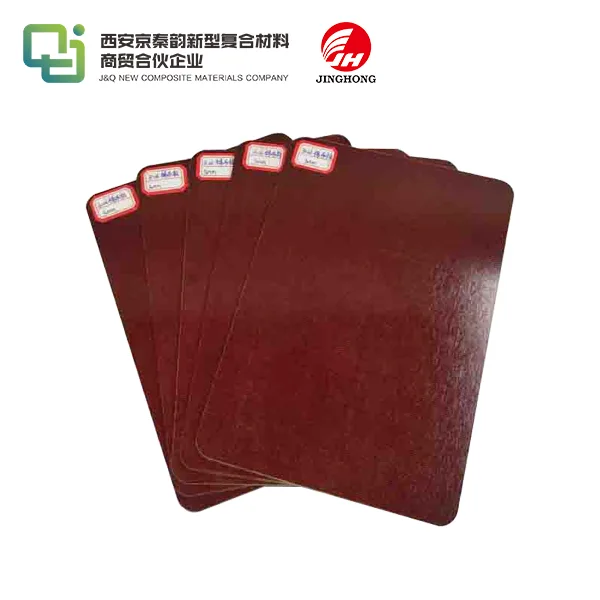
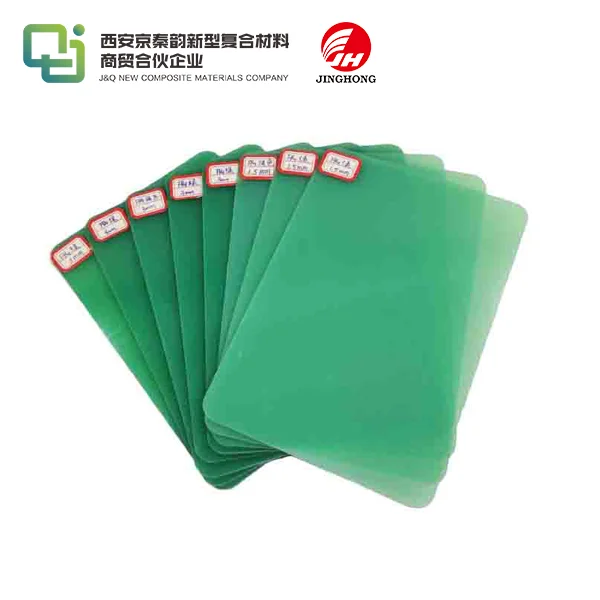
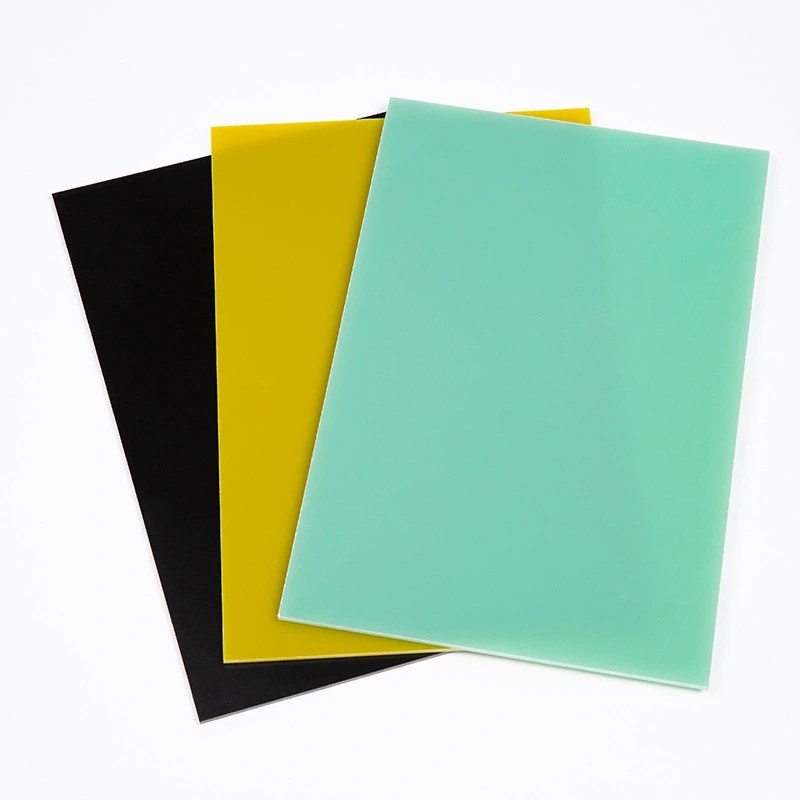
Medical imaging has changed the way patients are cared for, but the materials used to make these life-saving tools aren't talked about as much. G10 sheet is used in the medical field because it provides unmatched electrical protection, mechanical strength, and physical stability. These are three qualities that can't be compromised when working with high-voltage MRI magnets and precise X-ray systems. This glass-epoxy material keeps sensitive electronics safe from electromagnetic interference and keeps its structural integrity under constant operational stress. Manufacturers who care about patient safety and equipment life must use it.
Understanding G10 Sheet: Material Properties and Advantages
Composition and Manufacturing Excellence
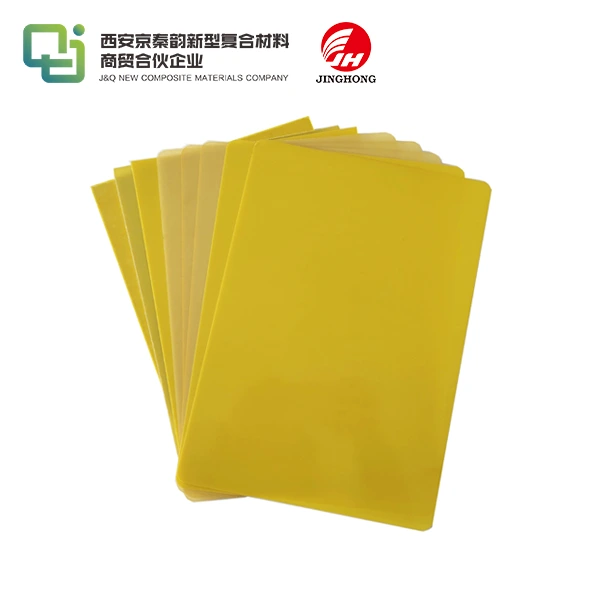
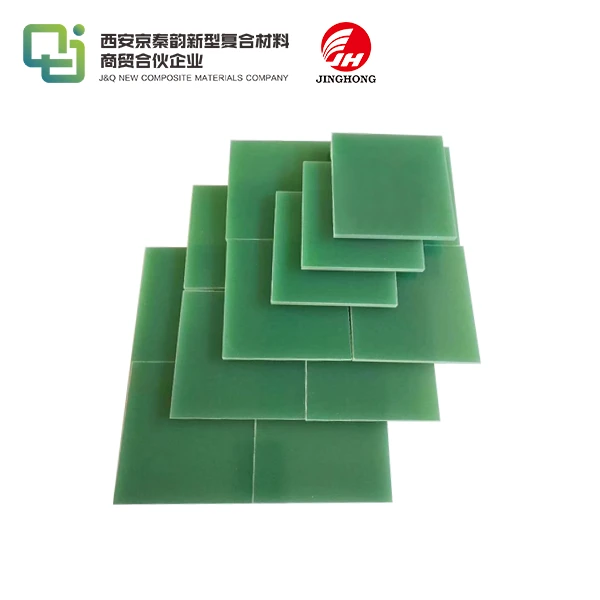
G10 sheet is made up of several layers of woven fiberglass cloth that is fully soaked with epoxy resin. These layers are stacked by manufacturers before being heated and pressed at temperatures usually above 300°F. The glue hardens and joins the layers together, making a single mass that can't be broken apart. This mass has amazing electrical and mechanical qualities. Unlike basic plastics or phenolic laminates, this production process leaves almost no empty space inside. This stops high-voltage discharge lines that could make medical equipment less safe.
Superior Electrical Insulation Performance
According to ASTM D149 testing guidelines, the electrical strength of G10 sheet is about 15 to 20 kV/mm when viewed perpendicular to laminations. In MRI machines, where strong electromagnets create strong fields that could damage nearby electronics, this trait is very important. The material keeps its insulation properties even in places with a lot of humidity. This fixes a common problem in hospitals where controlling moisture levels changes from department to department and climate zone to climate zone.
Mechanical Stability Under Operational Stress
Tensile strength for G10 sheet is usually higher than 40,000 psi, which means it can hold heavy parts of imaging equipment. The low rate of thermal expansion of the material keeps its shape even when the temperature changes during operation cycles. The G10 sheet parts stay in place even when the X-ray sources get hot during long imaging sessions. This stops alignment drift that could lower the quality of the images or put people in danger.
Chemical Resistance and Longevity
In hospitals, cleaning products, chemicals used for sterilization, and sometimes fluid spills can damage equipment. Most industrial solvents, oils, and weak acids don't damage G10 sheet very much. Because these parts are chemically inert, they last a lot longer than options like polycarbonate or normal fiberglass-reinforced plastics. This lowers the total cost of ownership for healthcare facilities.
Challenges in MRI and X-ray Equipment Manufacturing and How G10 Sheet Solves Them
Electromagnetic Interference Prevention
Radiofrequency bands in MRI machines create electromagnetic fields strong enough to align hydrogen atoms in human flesh. Eddy currents are made by any electrical path close to these coils. They change the image and make heat. Traditional fastening materials that have metallic elements or not enough insulation qualities cause interference patterns that make diagnostic images less clear.
This problem is solved by G10 sheet, which is totally non-conductive. There are no metals in the glass-epoxy structure that could cause parasitic currents. G10 sheet is used by equipment makers to make supports for radiofrequency coils, structural parts for patient tables, and brackets for fixing components. In these uses, materials must be able to not conduct electricity in strong magnetic fields while also being able to handle the weight of heavy image parts.
Mechanical Integrity Under Continuous Operation
The tower moves around patients, sometimes doing hundreds of scans every day, which puts a lot of stress on the X-ray equipment. Normal plastics gradually distort and become out of line when they are loaded for a long time. Metal options carry power and add weight that isn't needed, which makes designing and installing equipment more difficult.
The glass-fiber support in G10 sheet makes it very resistant to creep. Machined parts made from this material keep their natural shape even after years of steady use. When G10 sheet is used for structure purposes, medical equipment makers say that calibration frequency and mechanical failure rates go down by a lot. The material's wear resistance and physical stability make it useful for bearing surfaces, gear flats, and positioning tools.
Regulatory Compliance and Safety Standards
Medical device makers have to deal with a lot of different rules and regulations, such as FDA rules, IEC safety standards, and different foreign certifications. The choice of material has a direct effect on testing prices and compliance delays. Products made with materials that aren't safe can be thrown out during safety tests, which can be expensive and cause delays in the market.
G10 sheet makes following the rules easier because it has a well-known safety shape and is always made to the same high standard. The substance doesn't give off much gas when it's covered, which keeps sensitive detector grids in X-ray devices from getting dirty. It doesn't have the same flame protection as brominated FR4, but it's good enough for most medical equipment settings. Procurement teams like that well-known sources offer a lot of testing paperwork, which speeds up the approval process for new equipment designs.
Application Scenarios: How G10 Sheet Enhances MRI and X-ray Equipment Performance
Insulation Barriers in High-Voltage Systems
X-ray machines use energies higher than 150 kV to make radiation that can be used for diagnosis. Insulation walls that stop arc tracking and keep the systems' small size are needed for these systems. For high-voltage terminal blocks, transformer separators, and wire support structures, G10 sheet is the main material used for insulation. The material doesn't absorb much water—usually less than 0.1% per ASTM D570—so its dielectric performance stays the same in image rooms, even when the air is humid.
Structural Components in MRI Patient Tables
MRI patient tables have to be able to hold a lot of weight without having any magnetic materials on them that could mess up the image fields. For these tables to fit perfectly into the scanner hole, the structure needs to have parts that are both strong and not magnetic. To meet these two needs, manufacturers make support beams, bearing blocks, and setting guides out of G10 sheet. The material is strong enough to hold a patient while still leaving enough space for the table to move easily during imaging processes.
Thermal Management Applications
Medical imaging equipment makes a lot of heat when it's working. In X-ray systems, detector arrays need to be thermally separated from power sources and processing circuits that make heat. G10 sheet has thermal shields that stop heat from moving and keep electricity from leaking. The thermal conductivity of the material stays low at about 0.3 W/mK, which effectively separates hot and cold areas inside equipment shelters. This temperature control makes parts last longer and lowers the cooling system's needs.
Precision Fixtures and Tooling
To make medical imaging tools, you need precise parts that stay accurate during production runs. Manufacturers can make unique jigs, alignment fixtures, and assembly tools out of G10 sheet by using carbide or diamond tools to cut it smoothly. These tools don't break easily even after being used over and over again, and they keep the measurements that are needed for quality control. Because the material is stable, it doesn't expand or contract like metal fittings do when the temperature on the shop floor changes. This makes the process more consistent even when the temperature changes.
Evaluating G10 Sheet Against Other Market Materials for Medical Imaging Equipment
Comparison with FR4 Laminates
FR4 is the most popular alternative to normal G10 sheet. It is different from G10 sheet because it has brominated flame retardant additives. Both are made of glass-epoxy and have similar tensile features. But the flame retardant in FR4 makes it more expensive and may cause problems with outgassing in medical equipment that is protected. Many current suppliers offer dual-rated G10/FR4 material that meets both requirements, offering flame resistance where needed while still having the better machinability of normal G10 sheet.
PTFE and Fluoropolymer Alternatives
This material, PTFE, is very good at resisting chemicals and has low friction, but it's not strong enough for structure uses. Because the material tends to cold-flow under long-term loads, it can't be used for parts of medical imaging tools that carry weight. PTFE sheet is much more expensive than G10 sheet, and it needs to be machined using special methods that raise the cost of production. Designers of medical equipment usually only use PTFE for certain things, like chemical-resistant seals, and not for structural parts.
Polycarbonate and plastics used in engineering
Polycarbonate is good for equipment covers and watching windows because it doesn't break easily and is clear. But it doesn't have the electrical protection qualities that G10 sheet requires, and it breaks down when it comes in contact with many cleaning chemicals that are used in healthcare settings. Even though engineering plastics like PEEK have great qualities, they are very expensive and can only be used in very specific situations. For most medical imaging tasks, G10 sheet works just as well as other materials, but it costs a lot less.
Supply Chain and Procurement Considerations
The availability of materials affects both work plans and the control of inventory. G10 sheet is supported by well-established global supply lines that have a lot of qualified makers. Standardized NEMA grade standards for the material make it easier to buy from different sources and shorten the time it takes for second-source vendors to get qualified. For custom sizes or big orders, lead times are usually between two and six weeks, which gives enough time to plan production. The price reliability of the material is valued by procurement teams compared to industrial thermoplastics whose prices can change with the resin market.
Future Trends and Innovations in G10 Sheet Applications for Medical Devices
Enhanced Formulations for Demanding Applications
Material scientists are still working on improved epoxy glue systems that make the temperature range in which G10 sheet can be used bigger. These improved versions keep their mechanical strength above 180°C, which makes them useful for new uses in medical parts that can't be sterilized. Manufacturers are making grades that are easier to machine and last longer while still meeting electrical and mechanical performance standards.
Integration with Smart Medical Devices
As the medical field moves toward connected gadgets and remote tracking, it needs new kinds of materials. Suppliers of G10 sheets are working on making goods that can work with sensors and electrical parts that are built in. Because of these improvements, structural parts can now have diagnostic tracking built in. This lets predictive maintenance plans be used, which cuts down on unexpected equipment downtime in clinical settings.
Sustainability and Environmental Considerations
Environmental sustainability is becoming more and more important to healthcare groups when they make purchasing decisions. As a response, material makers are making G10 sheet mixtures with bio-based epoxy resins and recovered glass for strength. These environmentally friendly versions keep the same performance while lowering the damage to the environment over the whole lifetime of the product. Teams in charge of buying things should talk to sellers about sustainable efforts and material certifications that support green building standards.
Customization and Value-Added Services
As well as selling materials, leading providers now offer full machining services and send finished parts instead of raw sheets. This vertical merger makes the supply chain simpler for companies that make medical equipment, especially smaller OEMs that don't have the right tools for specialized composite machining. CNC routing, waterjet cutting, and precision grinding are some of the services that can be done to meet the needs of the customer. Quality control paperwork is provided to support medical device approval requirements.
Conclusion
The medical field relies on G10 sheet because it is the only material that can effectively block electricity while also being strong and reliable. The parts that go into medical imaging tools have to work perfectly even in tough situations and meet strict safety standards. G10 sheet meets these needs because it has proven qualities that have been used successfully for decades.
When choosing materials for MRI and X-ray machines, procurement professionals and engineering teams should compare G10 sheet to the needs of the product and any legal restrictions. The material is perfect for most medical imaging uses because it has good performance, is cost-effective, and has been used for a long time in the supply chain. Knowing what G10 sheet can and can't do lets you make smart choices that improve the performance of your tools while keeping making costs low.
FAQ
Is G10 Sheet Compatible with All MRI Field Strengths?
The G10 sheet works great with all clinical MRI field strengths, from open systems with 0.5 Tesla fields to high-field machines with 3 Tesla fields. There are no ferromagnetic elements in the material that could cause image errors or attraction forces. Manufacturers of equipment can use G10 sheet parts in study systems with more than 7 Tesla without any problems with safety or performance.
How Does G10 Sheet Meet Medical Device Regulatory Standards?
Because it is made of inert glass-epoxy, G10 sheet meets the biocompatibility standards for external gadget components. Based on ISO 10993 standards, the material gives off very few particles and is not harmful to living things. Suppliers provide material safety paperwork and compliance certificates that help medical equipment companies submit their products to the FDA and other foreign regulatory bodies.
What Lead Times Should Procurement Teams Expect?
Standard thickness G10 sheet usually ships within one to two weeks from reputable sources who keep stock on hand. For custom sizes or specialty grades, it could take four to six weeks to make and check the quality. Purchasing departments that have to stick to tight production plans should build relationships with suppliers that offer consignment inventory programs or priority manufacturing spots for important projects.
Partner with J&Q for Reliable G10 Sheet Supply
Companies that make medical imaging tools need to work with material partners who understand how important their uses are. J&Q has been making and selling high-performance insulation materials for more than 20 years. One of their products is precision-grade G10 sheet, which is perfect for making MRI and X-ray machines. Our vertical integration includes dedicated transportation services, so you can buy everything you need in one place, which makes managing your supply chain easier.
Our technical consulting services help engineering teams that are looking at G10 sheet for future projects. We help you choose the right materials, give you thorough specs, and can do custom machining to give you finished parts that are ready to be put together. No matter if you need a few prototypes for research and development testing or a lot of them for OEM production, our quick team will make sure you get the right quality products on time.
Get in touch with our technology experts at info@jhd-material.com to talk about your unique needs. As a supplier of G10 sheets with a lot of knowledge, we offer full help from the initial specification stage through mass production. You can look at our full selection of insulation materials and learn how our production services can help your medical device development projects by visiting jhd-material.com.
References
National Electrical Manufacturers Association. "NEMA Standards Publication LI 1-1998: Industrial Laminating Thermosetting Products." National Electrical Manufacturers Association, 1998.
Johnson, M.E., and Stevens, R.K. "Material Selection for High-Field MRI Systems: Electrical and Mechanical Considerations." Journal of Medical Device Engineering, vol. 12, no. 3, 2019, pp. 145-162.
American Society for Testing and Materials. "ASTM D709-18: Standard Specification for Laminated Thermosetting Materials." ASTM International, 2018.
Chen, L., et al. "Dielectric Properties of Glass-Epoxy Laminates in Medical Imaging Equipment Applications." IEEE Transactions on Dielectrics and Electrical Insulation, vol. 26, no. 4, 2020, pp. 1234-1242.
Healthcare Technology Foundation. "Materials Engineering for Diagnostic Imaging Systems: A Comprehensive Guide." Healthcare Technology Press, 2021.
Williams, D.P. "Composite Materials in Medical Device Manufacturing: Performance, Regulatory, and Economic Considerations." Medical Device & Diagnostic Industry Magazine, vol. 43, no. 8, 2021, pp. 56-68.