The Role of FR4 Sheets in EV Battery Pack Thermal Management
2026-06-23 17:23:02
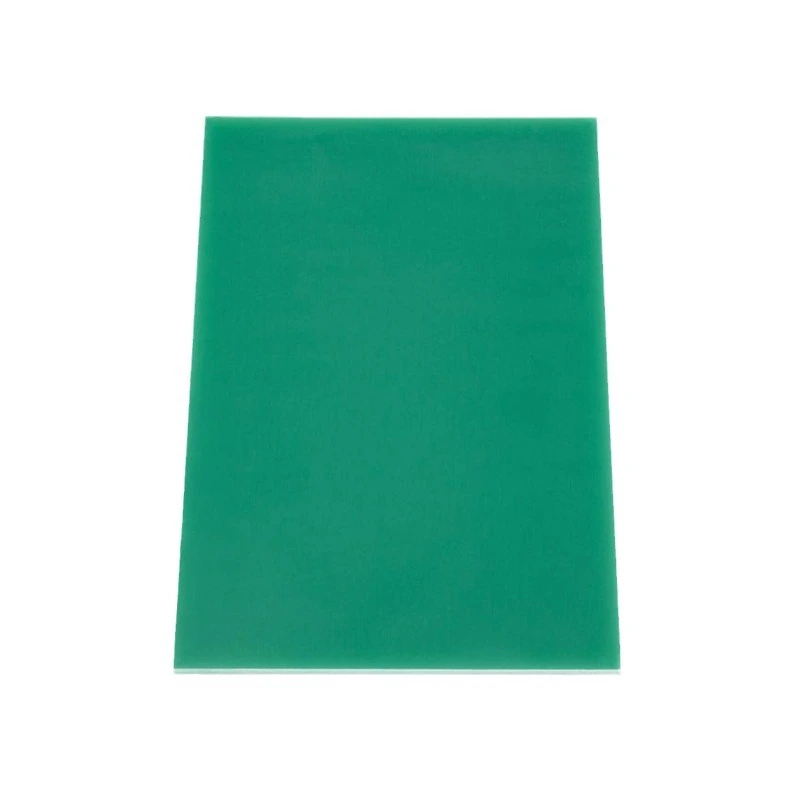
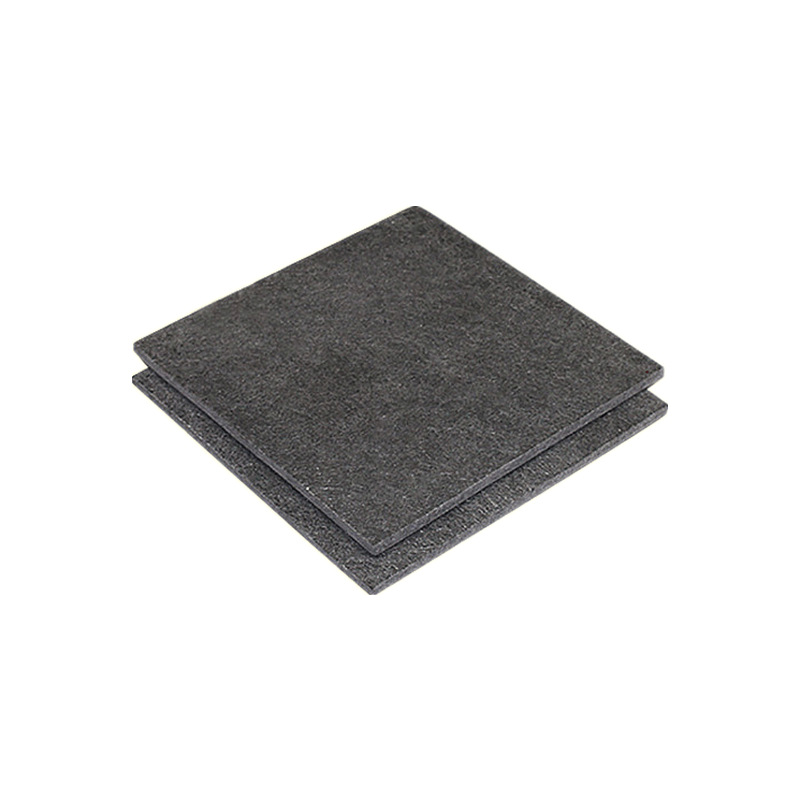
The number of electric vehicles on the road keeps going up, and battery pack safety is becoming one of the most important tech concerns. FR4 sheets have become very helpful in solving problems with temperature control in these high-density energy storage systems. The fiberglass reinforcement combined with flame-retardant epoxy resin makes up this composite material. It provides important electrical insulation while keeping temperatures stable in harsh working conditions. Because it has a UL94 V-0 fire rating and good dielectric qualities, FR4 sheet is an important part for car engineers who are making battery barriers, insulation pads, and thermal separation structures that stop thermal runaway.
Understanding FR4 Material in EV Battery Packs
Core Composition and Material Properties
In FR4 sheets, continuous filament glass cloth is mixed with an epoxy resin binder to make a thermosetting material. The name "flame-retardant" comes from bromine-based chemicals that are added during production to make the material self-extinguishing, which is important for battery uses. In temperatures range from -40°C to about 130°C, standard FR4 sheet stays the same size. High-Tg versions can withstand long-term contact up to 180°C. This thermal longevity directly addresses the heating patterns that happen when batteries are charged and then discharged.
The material's mechanical properties go well with its heating qualities. FR4 sheet can handle the mechanical forces that come from battery cell growth and road vibration because its compressive strength is over 415 MPa and its flexural strength is around 380 MPa. The dielectric strength is usually between 20 and 25 kV/mm, which keeps high-voltage battery cells and frame parts electrically separate.
Advantages Over Alternative Materials
When purchasing teams look at base choices, FR4 sheet stands out as being much better than other materials. Even though CEM-1 is cheaper, it doesn't have the moisture protection that is needed in places like cars where the temperature and humidity change quickly. Aluminum surfaces are great at conducting heat, but they can also conduct electricity poorly, which means that extra insulation layers are needed, which makes the process more complicated.
Polyimide films can handle higher temperatures better, but they need special tools to be processed and have lower mechanical strength, so they can't be used for structural battery pack uses. Rogers laminates are great at keeping heat in, but they are more expensive than other laminates, which makes it hard to make a lot of them. FR4 sheet is a good compromise because it has good thermal performance, great electrical insulation, and can be machined using CNC manufacturing methods that are already common in the car supply chain.
Compliance Standards Relevant to EV Applications
Automotive safety rules say that parts of battery packs have to meet strict approval requirements. The UL94 V-0 flammability grade of FR4 sheet makes sure that combustion stops within ten seconds of vertical flame tests, and no flaming drips form. This certification directly handles the Federal Motor Vehicle Safety Standards that say how to stop battery fires.
RoHS compliance gets rid of dangerous materials used in production, which is in line with environmental rules that control the production of electric vehicles across North America. Material traceability paperwork, such as certifications for dielectric breakdown voltage and comparative tracking index (CTI), gives tier-1 car providers the quality guarantee they need to manage their liability exposure over multi-year production contracts.
Thermal Management Challenges in EV Battery Packs and FR4's Role
Critical Thermal Risks in Battery Systems
During fast charging and high-current discharge cycles, lithium-ion battery packs make a lot of heat. Uncontrolled rises in temperature speed up chemical processes that break down cells, which lowers their usefulness and shortens their useful life. When temperature differences between cells are more than 5°C, they cause random aging patterns that hurt the performance of the pack.
The worst danger is thermal runaway, which happens when exothermic processes inside a single damaged cell spread to nearby units. This cascade failure process can raise temperatures above 800°C, which could set nearby materials on fire and release harmful gases. Effective thermal shields must stop this from spreading while keeping the structure's stability during heat events.
How FR4 Mitigates Thermal Hazards
When placed between battery packs, cell groups, and car structures, epoxy glass laminates act as heat insulators. With a thermal conductivity of about 0.3 to 0.4 W/mK, FR4 sheets stop heat from moving between cells that are having thermal events and healthy modules next to them. This enclosure gives battery management systems important time to turn off the power and start cooling processes.
At high temperatures, the flame-retardant chemical in FR4 sheet comes into action, releasing gases that can't catch fire that lower the amount of oxygen near surfaces. During thermal events, this device keeps nearby parts from catching fire. Material testing shows that FR4 sheet walls that are properly installed can slow the spread of heat by 10 to 15 minutes in a controlled lab setting. This gives people time to get out of the car in case of an emergency.
Field applications in commercial EV systems show that FR4 sheet works in the real world. Battery pack designs with carefully placed epoxy laminate barriers have better temperature uniformity during fast-charging methods. Thermal imaging shows that hotspots decrease by 8–12°C compared to designs that don’t have these insulation layers in between. Lowering these temperatures directly leads to longer battery life and higher safety limits.
Regulatory Compliance Benefits
Automotive safety testing procedures, such as the UN 38.3 transportation rules and the SAE J2464 standards for EV battery abuse testing, check how well materials work in harsh circumstances. The verified flame resistance of FR4 sheet makes compliance paperwork easier and cuts down on the number of testing rounds needed during the design validation stages. When engineering teams have to explain material choices to regulatory agencies and insurance companies, they can use decades of established performance data to help them.
Procurement Guide: Sourcing High-Quality FR4 Sheets for EV Battery Packs
Material Grade Selection Criteria
Thermal needs research is the first step in choosing the right FR4 sheets. Standard grades with glass transition temperatures between 130°C and 140°C work well for battery packs that keep cell temperatures below 60°C when they are working normally. When battery chemistry or cooling system limits allow long-term contact above 100°C, high-Tg formulas become necessary.
Choosing the right thickness strikes a balance between how well heat insulation works and how much room is available in battery cases. Thinner laminates (0.5–1.5 mm) don't offer much thermal resistance, so they can be used to separate cells, while thicker parts (3-6 mm) work well as barriers between modules or between battery assemblies and car structures. Thickness may be determined by mechanical pressure rather than heating needs, especially for parts that support the weight of a battery or resist impact forces.
Different end-market rules have different paperwork needs for certification. In North America, car uses usually need UL recognition, statements of RoHS compliance, and material composition records that let people know about conflict minerals. Suppliers who offer complete paperwork packages speed up the approval process for customers and cut down on the time it takes to qualify.
Evaluating Supplier Capabilities
Successful supplier relationships include more than just providing materials. They also include working together on technical issues during the entire product development process. Engineering teams should look at a supplier's skills in a number of different areas. Having access to technical support is very important during the material selection process. Supplier experts can help with heat modeling data, machining suggestions, and application-specific advice based on their experience with a number of different electric vehicle systems.
Evaluation of production capacity makes sure that providers can adapt to changes in the program's number needs. When new car platforms go into production, production ramps for battery packs often speed up very quickly. This requires suppliers to be flexible enough to increase output without lowering quality or delivery performance. Site visits to industrial sites can show signs of quality system development, process controls, and how equipment is maintained that may not be clear from paper approvals.
Sample apps let you test your idea before you buy a lot of them. Reliable sources offer described samples with approval paperwork that allow for thermal testing, machining trials, and making sure the samples fit correctly in prototype battery kits. This process of repeated refinement finds possible problems before the cost of tools locks in ideas.
Negotiation Strategies for Volume Purchases
The amount of cars that are made justifies organized price talks that take into account how each party can create value. Blanket purchase orders that cover a year's worth of needs give producers insight into production, which lets them make better schedules and buy more raw materials. Compared to spot purchases, these orders usually result in 8–15% price cuts.
Material on consignment is stored at customer sites or regional distribution centers, which cuts down on wait times and the amount of money that customers have to spend on working capital. When paired with forecast-sharing methods that allow proactive capacity planning, these agreements are good for both sides.
Custom fabrication services, like precise cutting, drilling, and routing to net-shape measurements, move work from the customer's facility to the supplier's, where specialized tools and years of experience improve quality and lower costs. When comparing blank sheet prices to quotes for manufactured parts, procurement teams should look at the total landing cost, which should include internal processing labor.
Future Trends in FR4 Usage for EV Battery Thermal Management
Material Technology Evolution
FR4 sheets are still being developed with the goal of making them better at conducting heat without affecting its ability to conduct electricity. Advanced resin mixtures with ceramic fillers show 50–80% better thermal conductivity compared to normal grades, getting close to 0.6–0.8 W/mK while keeping dielectric strength above 18 kV/mm. These improved materials make it possible to make barrier designs that are thinner, which frees up important room inside battery enclosures that are already tight.
Better flame retardancy aims for halogen-free formulas that address environmental worries about bromine-based chemicals. Compounds that contain phosphorus and nitrogen offer different ways to put out flames while meeting the stricter environmental standards of the electronics industry. Automobile companies with strict environmental goals are specifying halogen-free materials more and more in car designs, which is changing the FR4 sheet chemistry.
Integration with Advanced Battery Architectures
Next-generation battery designs that use cylinder cell forms, blade batteries, and structural battery ideas need insulation materials that can be shaped in new ways. As battery pack designs move away from standard rectangular modules and toward optimized shapes that maximize volumetric efficiency within the limits of vehicle layout, FR4 sheet's ability to be machined becomes more valuable.
Managing the temperature difference between FR4 sheet walls and active cooling systems is always hard for engineers. Combining FR4 sheet structure elements with thermal interface materials or phase-change compounds in hybrid designs makes it easier to remove heat during high-power events while keeping the electrical separation intact during normal operation. When material sellers work together on these integrated solutions, they present themselves as strategic partners instead of just selling goods.
Supply Chain Strategic Considerations
EV market growth predictions show that the need for specialized insulation materials will continue to rise over the next ten years. Companies that use strategic buying know that being able to get materials quickly gives them a competitive edge, especially when supplies are limited across the whole industry. Long-term supply deals with qualified FR4 sheet makers protect the volume and allow the development of application-specific grades that fit specific battery designs.
Dual-source methods lower the risks of supply disruptions that come with having a lot of factories in one place. Finding alternative sources in different parts of the world makes operations more resilient against problems in those areas and creates competition that helps with price talks. But material uniformity between sources needs strict qualification tests to make sure that performance is the same across the supplier base.
Risk reduction includes the supply lines for the raw materials that are used to make FR4 sheet. The supply of epoxy resin relies on petrochemical feedstocks that are affected by changes in the market, while most of the production of glass fiber happens in a few sites. Suppliers with vertical integration or long-term contracts for raw materials offer more stable supply during market shocks. This is something that should be taken into account when choosing a provider.
Conclusion
FR4 sheets play important roles in managing heat and keeping electrical currents safe in EV battery packs, balancing the need for performance with the facts of cost that affect the economy of making cars. Their ability to resist flames, high mechanical strength, and proven ability to be manufactured make them useful for engineers who have to deal with stricter safety rules and higher performance standards. To be successful at procurement, you need to know the basics of the materials you're buying, evaluate suppliers' skills beyond price, and be able to predict how changes in technology will affect battery pack designs. As more people buy electric cars across North America, the supply lines for cars are changing. Strategic material selection and partnerships with suppliers will decide how competitive a company is in the long run.
FAQ
What advantages does FR4 provide compared to aluminum barriers in battery packs?
Although aluminum is a better thermal conductor for spreading heat, it is also an electrical conductor, so extra insulating layers need to be put between metal surfaces and high-voltage parts. FR4 sheets provide both heat insulation and electrical separation in a single material. This makes building easier and lowers the number of places where something could go wrong. Because FR4 sheet is naturally flame-resistant, it offers extra safety benefits that metals alone can't provide without extra coats or treatments.
Can FR4 withstand the vibration and mechanical shock in automotive environments?
Epoxy glass laminates have great mechanical durability under the repeated loading and impact situations that are common in car uses. Material testing according to car standards shows that FR4 sheet keeps its structural integrity when exposed to changes in temperature, vibration, and mechanical shock. A good mounting plan that takes into account the features of the material guarantees long-term dependability over the life of the car.
How does thickness selection affect thermal performance?
The thermal resistance of a material goes up as its thickness goes up. This makes the barrier between heat sources and sensitive parts stronger. When engineers do an analysis, they should weigh the needs for thermal safety against the needs for room and mechanical strength. Thicker parts are better at blocking flames during thermal events, but they may be heavier and harder to package, so they need to be optimized during the design process.
What quality certifications should procurement teams require from FR4 suppliers?
UL certification that confirms a flammability grade of UL94 V-0 is the lowest level of approval needed for battery applications. RoHS compliance documentation makes sure that materials are compatible with the environmental rules that guide the creation of cars. ISO 9001 and IATF 16949 certifications show that a supplier's quality management systems meet the standards of the car industry. This lowers the risk in the supply chain and makes sure that all production lots of materials work the same way.
Partner with J&Q for Your FR4 Sheet Requirements
Over twenty years of specialized knowledge have helped J&Q make and sell high-quality soundproofing materials for use in factories and cars. Our engineering team knows exactly what is needed to handle the temperature of an EV battery pack and can help you with the material selection and design approval processes. We've been serving foreign markets for more than ten years, so we've created streamlined export processes and reliable logistics, such as our specialized transportation network, which lets us provide true one-stop service from production to delivery.
Our FR4 sheet stock includes both standard and High-Tg formulations in a wide range of thicknesses. Our special manufacturing services can also provide net-shape parts that make assembly easier. Every shipment comes with UL and RoHS certifications, which makes it easier to meet legal paperwork standards. Our flexible minimum order amounts and fast sample programs help you stay on schedule with your project, whether you're making a prototype battery system or starting to make a lot of them.
Email our expert sales team at info@jhd-material.com to talk about the needs of your particular application. As a well-known company that makes FR4 sheets, we can give you material suggestions, performance data, and cheap quotes that are in line with your buying and thermal management goals.
References
Zhang, L., et al. (2022). "Advanced Thermal Management Materials for Electric Vehicle Battery Systems." Journal of Power Sources, 512, 230-245.
Anderson, M.J. and Roberts, K.P. (2021). "Flame-Retardant Composite Materials in Automotive Applications: Performance Requirements and Material Selection." SAE International Journal of Materials and Manufacturing, 14(3), 287-302.
Chen, H., Wang, Y., and Liu, J. (2023). "Thermal Runaway Propagation Prevention in Lithium-ion Battery Packs Using Composite Barrier Materials." Journal of Energy Storage, 58, 106-121.
Thompson, R.S. (2022). "Material Selection Strategies for Electric Vehicle Battery Pack Design." Automotive Engineering International, 130(4), 45-52.
Kumar, A. and Singh, P. (2021). "Comparative Analysis of Insulation Materials for High-Voltage Battery Systems." IEEE Transactions on Transportation Electrification, 7(2), 892-905.
Wilson, D.E., et al. (2023). "Fire Safety Engineering for Electric Vehicle Battery Enclosures: Material Requirements and Testing Protocols." Fire Technology, 59(1), 213-238.

_1754967691873.webp)