Why Is Bakelite Sheet Still Used in Industrial Electrical Applications?
2026-08-10 17:05:27
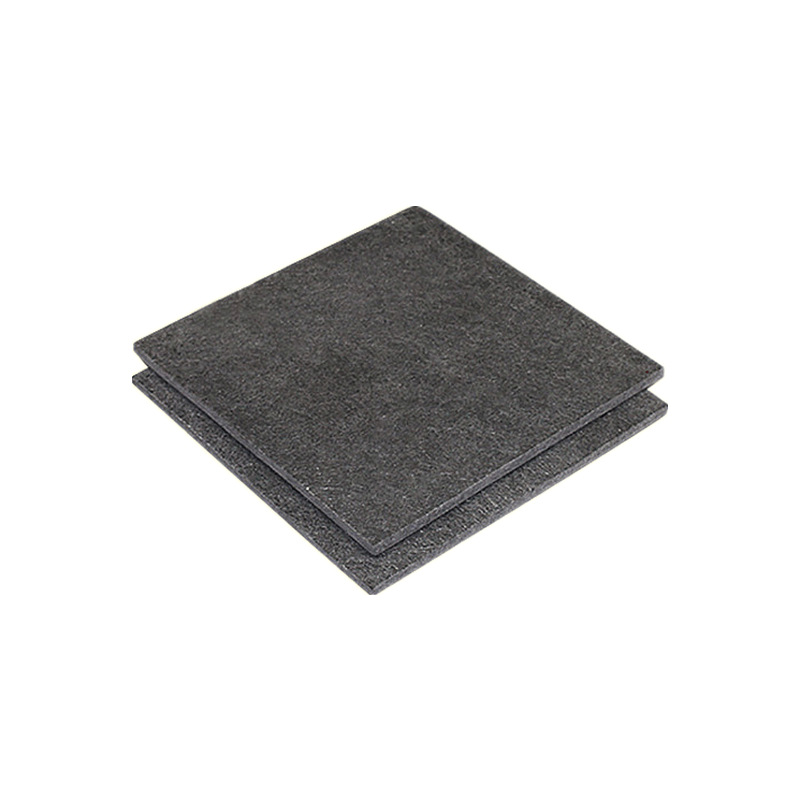
Bakelite Sheet continues to dominate industrial electrical applications because it delivers a proven combination of superior electrical insulation, exceptional thermal stability, and cost-effective mechanical durability that modern alternatives struggle to match. This phenolic resin-based thermoset material addresses critical engineering challenges in high-voltage environments, thermal stress conditions, and precision machining requirements. Its irreversible curing process creates a chemically stable structure that maintains dimensional integrity under conditions where thermoplastics fail, making it indispensable for electrical insulation panels, switchgear components, and motor housings across manufacturing sectors.
Introduction
Phenolic laminated sheets are still an important part of industrial electrical equipment more than a hundred years after they were first made. In modern applications, engineering managers and procurement specialists often wonder if this old material is still suitable for use. We need to know how phenolic resin composites can help with certain technical issues that newer materials can't handle as well or as cheaply.
Many projects we've seen have failed early because they switched to different insulators, caused higher upkeep costs, or lowered safety limits. We've been making and selling industrial laminates for 20 years, and the demand for phenolic paper-based shielding has always been high in the automobile, electrical, and power distribution industries. This longevity isn't due to inertia in the business, but to real-world performance benefits.
In this guide, we'll look at the material science, comparing benefits, buying factors, and application strategies that keep phenolic laminates useful. This analysis gives you the technical and business information you need to confidently choose the right materials, whether you're looking at transformer insulation specifications, designing switchboard parts, or managing supply chains for electrical manufacturers.
Understanding Bakelite Sheet and Its Core Properties
What Makes Phenolic Laminates Unique?
Phenolic paper layered sheets are thermoset composites made by mixing phenol-formaldehyde resin with layers of cellulose paper and then curing them under controlled heat and pressure. This manufacturing process cross-links molecules in a way that can't be undone. This is what makes thermosets different from thermoplastics. The material can't be melted or reshaped after it has been hardened, which means it stays the same size even when it is heated and cooled and when it is loaded mechanically.
The reaction between phenol and formaldehyde happens in reactors. The final properties of the resin depend on the temperature, pressure, and catalyst ratios. Manufacturers can add certain fillers and additives to base formulations to change their properties so that they work best in certain situations. This feature lets you change the grade in ways that balance electrical performance, mechanical strength, and ease of machining.
Essential Technical Specifications
The material has a dielectric strength of more than 15 kV/mm, which means it can be used for high-voltage insulation barriers in transformer assemblies and distribution equipment. Its volume resistivity is usually between 10^9 and 10^12 ohm-cm, which stops leaking currents that could damage the circuit. Because the material absorbs less than 1% of its weight in water per day, these electrical properties stay the same even when the humidity changes.
Thermal properties include being able to operate continuously at temperatures up to 120°C and briefly at temperatures up to 150°C without any damage to the structure. At about 0.3 W/m·K, the material's thermal conductivity stays low, making it a good thermal shield in motor housings and device parts. Tensile strength is between 60 and 80 MPa, and flexural strength is over 100 MPa. These mechanical qualities allow the material to support structural loads in gear systems and mounting brackets.
Chemical resistance means being able to handle mineral oils, alcohols, weak acids, and most of the solvents that are used in factories, and for Bakelite Sheet, this resistance makes machinery that is subject to cutting fluids, oils, and cleaning agents last longer, and the material keeps its dimensions within ±0.1mm for precision-machined parts, which is very important for electrical component assemblies that need to have very tight gaps. This resistance makes machinery that is subject to cutting fluids, oils, and cleaning agents last longer. The material keeps its dimensions within ±0.1mm for precision-machined parts, which is very important for electrical component assemblies that need to have very tight gaps.
Manufacturing Process Impact on Performance
During curing processes that last 30 to 90 minutes based on thickness, hydraulic presses heat laminate stacks to about 150 to 170°C and apply pressures between 1000 and 1500 PSI. This controlled fusion gets rid of any gaps and makes sure that the glue is spread evenly across all of the paper layers. When cured properly, the density stays between 1.3 and 1.4 g/cm³, which has a direct effect on the mechanical and electrical properties.
Post-curing processes relieve stress and complete polymerization, which makes the part more stable during subsequent machining operations. With CNC machining, you can make electrical covers, insulation spacers, and custom fittings with complicated shapes and tolerances that work. During cutting and drilling, controlled feed rates and carbide tools keep the surface quality high and reduce edge chipping.
Why Bakelite Sheet Remains a Preferred Choice in Industrial Electrical Applications?
Uncompromising Electrical Insulation Performance
For high-voltage electrical systems to work, the insulation materials need to be able to keep their dielectric integrity under stress situations like voltage spikes, corona discharge, and tracking resistance. For decades, phenolic laminates have worked reliably in these conditions, with failure databases showing much lower rates of occurrence compared to many polymer alternatives.
The reason switchgear makers choose these materials is that arc resistance stops catastrophic breakdowns from happening during fault conditions. The material puts out fires on its own and doesn't spread flames, which is required for UL94 V0 ratings for electrical safety certifications. It can resist flames because of its aromatic structure, which turns into protective char layers when it comes into contact with flames instead of allowing combustion like many thermoplastics do.
Thermal Stability in Demanding Environments
Electrical parts in cars are exposed to extreme temperatures from the engine compartments and battery systems. Phenolic insulation keeps its shape and electrical qualities at these temperatures because it doesn't change size, which can damage gasket seals and mounting arrangements. These features are used by motor manufacturers in commutator insulation and coil separators, which are always cycling between hot and cold conditions.
The thermal expansion rate of phenolic barriers is very close to that of copper conductors, which is why transformer makers use them to insulate coils. Differential expansion stresses that cause mechanical failures or insulation gaps during thermal transients are avoided by this compatibility. The material is stable across yearly temperature changes and doesn't break down from thermal stress, which is good for power distribution equipment that is installed outside.
Long-Term Durability and Cost Effectiveness
When businesses buy things, they are paying more attention to the total cost of ownership than just the original cost of the materials. During their useful lives, phenolic laminates last longer because they don't break down as quickly when exposed to chemicals and the environment. Construction companies like materials that don't need to be inspected or replaced as often because they require less maintenance and last longer between replacements.
When one of the big appliance makers we work with switched from injection-molded thermoplastic motor insulation frames to machined phenolic components, they saw a 40% drop in warranty claims, and for Bakelite Sheet, dimensional stability under thermal cycling got rid of mounting stress fractures that used to cause motors to break down too soon, and this validation in the real world shows how choosing the right materials has a direct effect on how reliable a product is and how happy customers are with it. Dimensional stability under thermal cycling got rid of mounting stress fractures that used to cause motors to break down too soon. This validation in the real world shows how choosing the right materials has a direct effect on how reliable a product is and how happy customers are with it.
Comparing Bakelite Sheet with Other Industrial Materials
Performance Against Common Alternatives
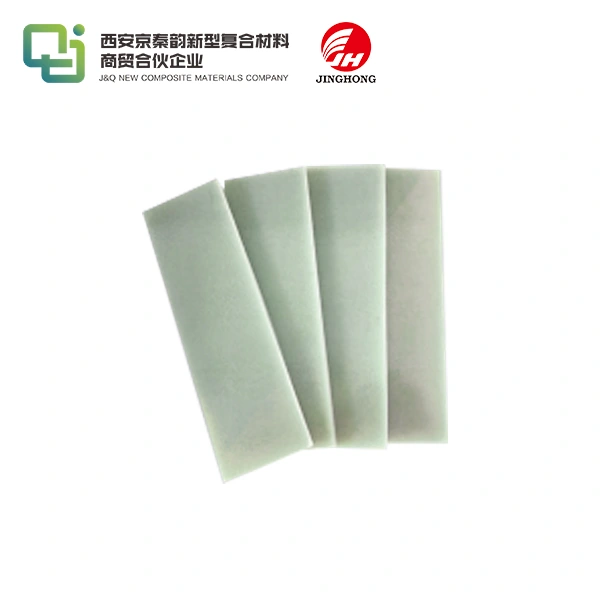
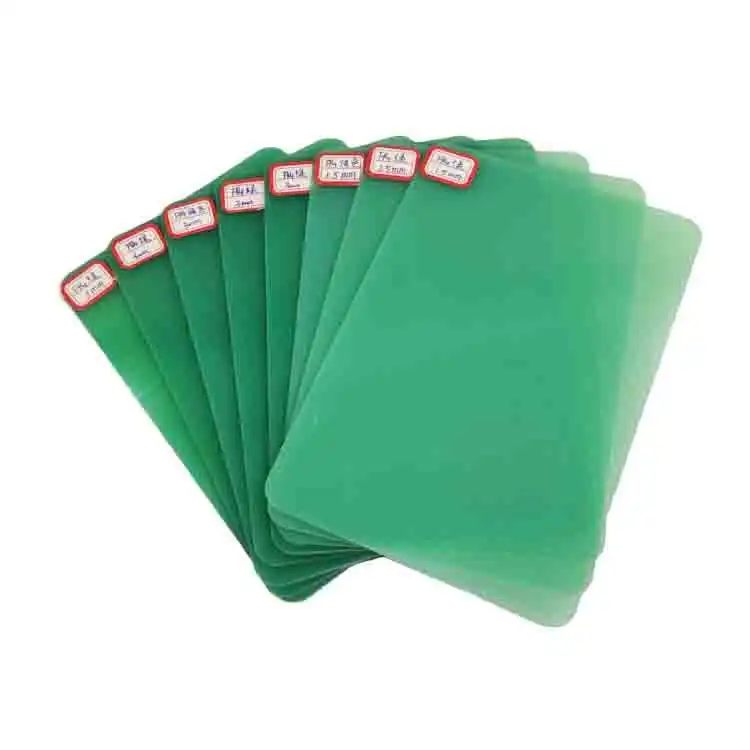
Fiberglass epoxy laminates, such as FR4, have better electrical qualities and can withstand higher temperatures, but they are more expensive, which can make projects that need to stick to a budget hard to do. Compared to FR4, phenolic options offer good electrical performance for medium-voltage uses at prices about 60–70% lower, making them a good choice for mass production. The different densities of the materials also affect the cost of machining. For example, phenolic composites need less tool wear and shorter cycle times.
Insulation made of mica can withstand temperatures above 500°C, but it isn't strong enough or easy to work with to be used for structural parts. Phenolic sheets fill in this gap by having the right amount of thermal resistance and mechanical strength to support gears, spacers, and mounting brackets. This flexibility means that multi-material structures aren't needed in many situations, which makes buying things and keeping track of supplies easier.
While thermoplastic insulators like PEEK and PPS do a great job with electricity and heat, they are hard to make in large quantities because they need to be injected and cost 300–400% more than phenolic alternatives. With precision cutting from sheet stock, you can change the shape of the parts in ways that you can't with molded parts. This lets you make quick prototypes and unique solutions without having to buy expensive tools.
Grade Selection Considerations
Grade X phenolic laminates put mechanical strength first by having higher paper content ratios. This makes them good for gears and structural spaces where electrical shielding is not the main concern. The requirements for Grade XXX raise the amount of resin for better protection from moisture and dielectric performance, which is important for high-voltage uses and humid areas. Knowing the differences between these grades helps buying teams match the properties of a material to the needs of an application without defining too many expensive properties.
Canvas-based phenolic grades use woven cotton cloth instead of paper as the substrate, which makes them more resistant to pressure and able to hold more weight. These types are used in industrial machinery that needs parts that don't wear out easily, like thrust washers and bearing supports. The type of substrate has a big impact on how easy it is to machine. Grades made from paper are easier to cut, while grades made from fabric need more aggressive tooling.
Practical Guide to Procuring Bakelite Sheets for Industrial Use
Supplier Evaluation and Certification
Reputable producers use ISO 9001 quality systems to make sure that the features of the materials are the same from one production batch to the next. UL recognition and RoHS compliance verification are needed for electrical applications. Qualified suppliers provide this information through test reports and documentation. We keep full records of all the certifications we issue and can track material lots back to the places where the raw materials came from, which is what quality assurance engineering teams need.
It turns out that evaluating a supplier's technical help skills is just as important as evaluating their material specs. Manufacturers should offer design advice, help with choosing materials, and testing that is specific to the application for complex uses. Our engineering team works directly with customers to make sure that component designs can be made while still meeting performance standards. This cuts down on development time and stops costly specification mistakes.
Volume Considerations and Customization
Industrial buyers usually have to place minimum orders of different sizes, from whole sheets for prototyping to pallets for mass production. The most popular sheet sizes are 1000x2000mm and 1220x2440mm, and the width ranges from 0.5mm to 100mm to meet a wide range of needs. Custom size services get rid of wasteful material use in large-scale projects, and better cutting methods lower costs.
Lead times depend on the grade that is available and the level of customization that is needed, and for Bakelite Sheet, usually, stock orders happen within days, while special formulations take 4-6 weeks, and understanding the planning cycles for production helps purchasing managers balance the costs of keeping inventory with the extra fees that come with rush orders, and we keep strategic stock levels of common grades on hand to meet the just-in-time production needs of our customers, and for more specialized uses, we can also make custom formulations. Usually, stock orders happen within days, while special formulations take 4-6 weeks. Understanding the planning cycles for production helps purchasing managers balance the costs of keeping inventory with the extra fees that come with rush orders. We keep strategic stock levels of common grades on hand to meet the just-in-time production needs of our customers. For more specialized uses, we can also make custom formulations.
Logistics and Supply Chain Management
Our integrated logistics services make it easier to ship goods between countries by combining our expertise in freight management and customs documentation. This vertical integration gets rid of the time it takes for material suppliers and freight forwarders to coordinate, which makes delivery more reliable for production schedules that need to be met on time. Specifications for packaging protect sheet surfaces during transit and allow for a variety of handling equipment at receiving facilities.
Cost advantages must be weighed against supply chain risks like longer lead times and changes in quality consistency in global sourcing strategies. Domestic suppliers may charge more than international suppliers, but they can offer faster shipping times and make contact easier. We use both industrial relationships and our own production sites to give customers a range of buying choices that meet their particular needs in terms of cost, delivery time, and technical support.
Application Spotlight – Industrial Electrical Uses of Bakelite Sheet
Switchgear and Distribution Equipment
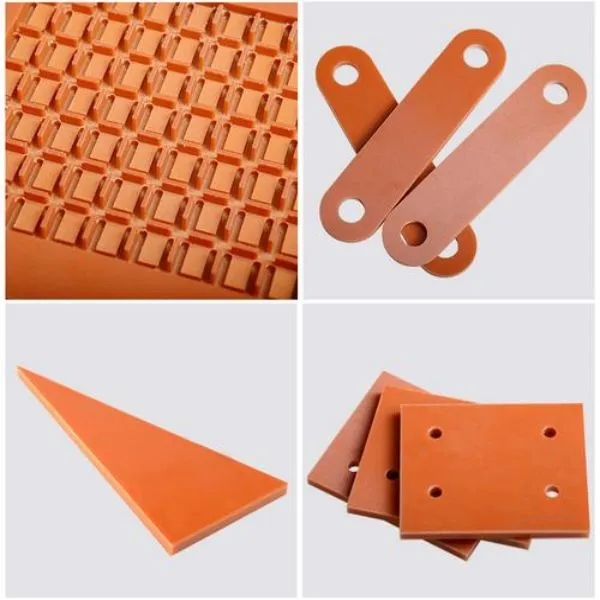
Manufacturers of electrical panels use phenolic insulation for mounting plates, bus bar supports, and phase barriers in medium-voltage switchgear assemblies. The arc resistance and flame retardancy of the material keep people and equipment safe during fault conditions and keep the structure's integrity when electromagnetic forces cause it to vibrate. Mounting holes and shapes that are precisely machined allow for complicated systems with stable electrical clearances.
Builders of distribution transformers use phenolic barriers between the layers of winding to support the coil assemblies structurally. The thermal conductivity of the material combines the need to remove heat from a surface with the need to protect against electricity flow. This keeps hot spots from forming that speed up the aging process. Dimensional stability over temperature cycles keeps key spacing limits that decide how partial discharge works and how reliable the transformer is as a whole.
Motor and Generator Components
In DC motors, the commutator insulation is made up of phenolic segments that can handle the mechanical forces from the brush pressure and keep the electrical signals from crossing between the segments. The wear resistance of the material makes brushes last longer by keeping the same surface properties over time. Precision in manufacturing makes it possible to keep tolerances very small, which is needed for balanced rotor assemblies in high-speed situations.
In AC motors, phenolic parts are used for coil insulation and slot wedges to keep mechanical retention forces even when the load changes and the temperature changes. The material's rate of thermal expansion is compatible with copper windings, which keeps them from coming free, which can cause noise and vibration. Turn-to-turn shorts can't happen because of the way electricity works, even in dirty or wet places like industrial sites.
Automotive Electrical Systems
Electric vehicle battery pack assemblies have phenolic barriers that keep cell groups from getting too hot or too cold and support the structure of mounting systems. The material's ability to resist flames makes the pack safer overall, and its mechanical properties help it handle vibration and impact loads from vehicles. CNC machining makes it possible to make complicated shapes with cooling ducts and fixing holes for sensors that would not be possible with molded parts.
Under the hood, electrical parts are exposed to high temperatures and chemicals from the car. In alternators, starter motors, and electronic control units, phenolic insulators keep electrical integrity and don't break down in these conditions. Manufacturers like how consistent the material is, which lets them use automatic assembly methods and ensures long-term performance that meets the needs of car warranties.
Conclusion
Phenolic laminated sheets are still used in industrial electrical applications because they work well with certain engineering problems and don't cost as much as other options, and for Bakelite Sheet, the material is useful for many things, from high-voltage switches to precision motor parts, because it is electrically insulating, stable at high temperatures, strong mechanically, and easy to machine, and knowing the differences between grades, how to buy them, and the best ways to use them lets you choose materials that give you the best technical performance and the best return on your investment. The material is useful for many things, from high-voltage switches to precision motor parts, because it is electrically insulating, stable at high temperatures, strong mechanically, and easy to machine. Knowing the differences between grades, how to buy them, and the best ways to use them lets you choose materials that give you the best technical performance and the best return on your investment. As industrial electrical systems change, phenolic composites adapt by getting better at making them and making the mixtures they are made of. This means they will still be useful for difficult uses for a long time to come.
FAQ
Can phenolic laminates handle high-voltage insulation requirements?
With the right design gaps and creepage distances, phenolic paper laminates are often used in medium-voltage applications up to 15kV. When correctly defined, their dielectric strength and tracking resistance meet strict electrical safety standards. For higher voltage uses, it might be necessary to use better types or thicker materials to make sure there are enough safety gaps in case the worst happens.
How do costs compare with fiberglass or epoxy alternatives?
Most of the time, phenolic materials are 30–40% cheaper than FR4 epoxy fiberglass laminates, but they still work well enough for many commercial uses. This cost advantage is important when making a lot of products, because the cost of materials has a direct effect on how competitive the products are. Besides just looking at the price of raw materials, a total cost analysis should also look at how much it costs to machine things and how long they last.
Are custom sheet dimensions available for specific projects?
Custom size services meet the needs of each project, which cuts down on waste and makes better use of materials for mass production. The minimum quantities for custom sizes depend on the grade and size requirements. Stock sheet sizes are good for testing and low-volume uses, and standard sizes are easy to get and can be shipped right away to support quick development processes.
Partner with J&Q as Your Trusted Bakelite Sheet Supplier
J&Q brings more than 20 years of experience making phenolic laminates directly to your procurement strategy, and for Bakelite Sheet, they offer high-quality materials and full logistics support, and our vertically integrated operations include production that we do in-house, smart partnerships with suppliers, and dedicated freight management that makes sure quality is always consistent and delivery times are always met, and technical consulting services help engineering teams make sure that component designs work well and can be made quickly, and this lowers the risk of development and speeds up time to market. They offer high-quality materials and full logistics support. Our vertically integrated operations include production that we do in-house, smart partnerships with suppliers, and dedicated freight management that makes sure quality is always consistent and delivery times are always met. Technical consulting services help engineering teams make sure that component designs work well and can be made quickly. This lowers the risk of development and speeds up time to market.
We know that industrial buyers need more than just material specifications. They also need quick communication, the ability to change order quantities, and partnerships that can solve problems. Through proactive planning and quality assurance protocols, our customer service philosophy puts your production schedules and technical needs first. You can email our team at info@jhd-material.com to talk about your unique insulation needs, get full technical datasheets, or get competitive quotes for projects that are already underway. Visit jhd-material.com to see all of our products and learn how our experience can help your manufacturing business succeed.
References
1. Baekeland, L.H. (1909). "The Synthesis, Constitution, and Uses of Bakelite." Journal of Industrial and Engineering Chemistry, Vol. 1, Issue 3, pp. 149-161.
2. Harper, C.A. (2006). Handbook of Plastics, Elastomers, and Composites, 4th Edition. McGraw-Hill Professional, New York.
3. Goosey, M.T. (1999). Plastics for Electronics, 2nd Edition. Springer Science & Business Media, London.
4. IEC 60893-3-2 (2017). "Insulating Materials – Industrial Rigid Laminated Sheets Based on Thermosetting Resins for Electrical Purposes – Part 3-2: Specifications for Individual Materials – Phenolic Resin Sheets."
5. Margolis, J.M. (2006). Engineering Thermoplastics: Properties and Applications. CRC Press, Boca Raton.
6. Wilson, A. (2012). "Phenolic Resins: A Century of Progress." Progress in Polymer Science, Vol. 37, Issue 8, pp. 1054-1115.