FR4 Epoxy Sheet Supports Precision Machining for Electronic Components
2026-08-10 17:05:30
When manufacturing high-reliability electronic components, material selection defines success or failure. FR4 Epoxy Sheet stands out as the industry-standard thermosetting laminate combining woven fiberglass fabric with flame-retardant epoxy resin. This composite material delivers exceptional dielectric properties, thermal endurance, and mechanical strength that precision CNC machining demands. Engineering managers and procurement specialists across electrical manufacturing sectors consistently turn to FR4 because it maintains dimensional stability during complex fabrication processes while meeting stringent UL94 V-0 flammability and ROHS compliance standards essential for modern electronics production.
Understanding FR4 Epoxy Sheet: Properties and Technical Specifications
Understanding the properties of materials is the first step in making effective computer components. Over the past 20 years, we've worked with tens of thousands of engineering teams. The best projects always start with the right material specifications.
Structural Composition and Manufacturing Standards
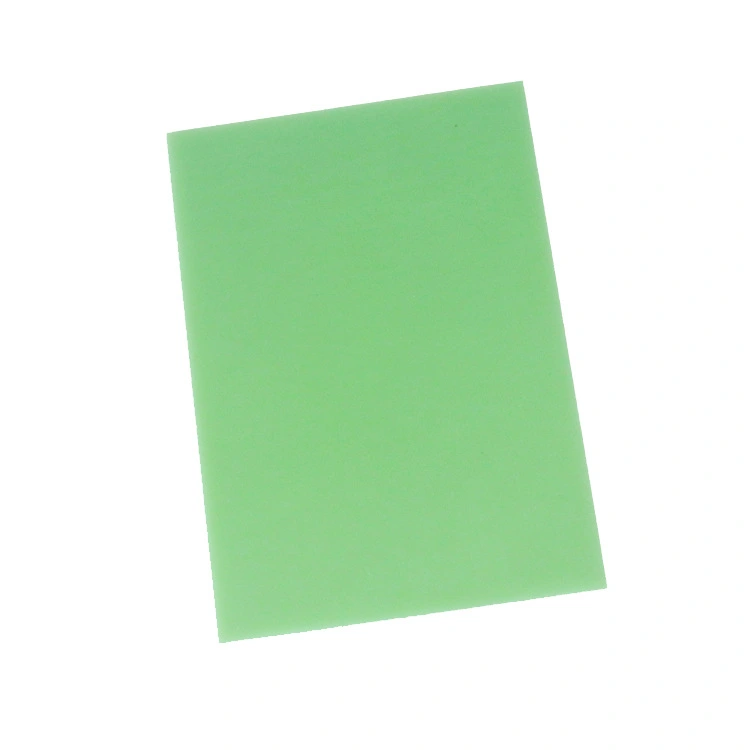
The NEMA grade name for FR4 Epoxy Sheet says that it is a high-pressure thermoset plastic laminate. The substance is made up of continuous woven alkali-free glass cloth that has been mixed with a brominated epoxy resin binder and then pressed together using controlled heat and pressure. This way of making things makes a plastic that meets the standards for IPC-4101, UL recognition, and MIL-I-24768/27. To make the product, raw glass is melted in furnaces to make fiberglass filaments. These are then woven into fabric, organosilane coupling agents are used to help organic and inorganic bonds form, and multiple prepregs are heated together to make strong laminates. By putting copper foil on top of these laminates, copper-clad materials are made that are ready to be used for making PCBs and precise machines.
Critical Electrical and Thermal Properties
The main benefit of insulation applications is still its dielectric strength. Standard FR4 Epoxy Sheet has a breakdown voltage greater than 40kV perpendicular to the laminations and an insulation resistance greater than 500 V/mil when it is dry and when it is wet. The material has a very low water absorption rate (below 0.2% per ASTM D570), which means that its electrical properties will stay stable even in harsh environments. In terms of temperature, normal grades have a Glass Transition Temperature (Tg) of 130°C to 140°C and can be used continuously at the Class B rate (130°C). High-Tg FR4 Epoxy Sheet versions that can reach 170°C+ can be used for lead-free soldering processes without the problems of Z-axis expansion or delamination that come with using lower-quality materials when they are heated and cooled.
Mechanical Strength and Dimensional Stability
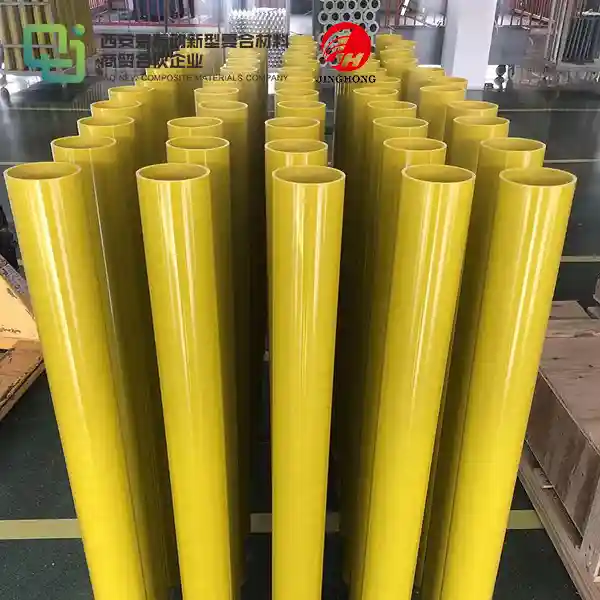
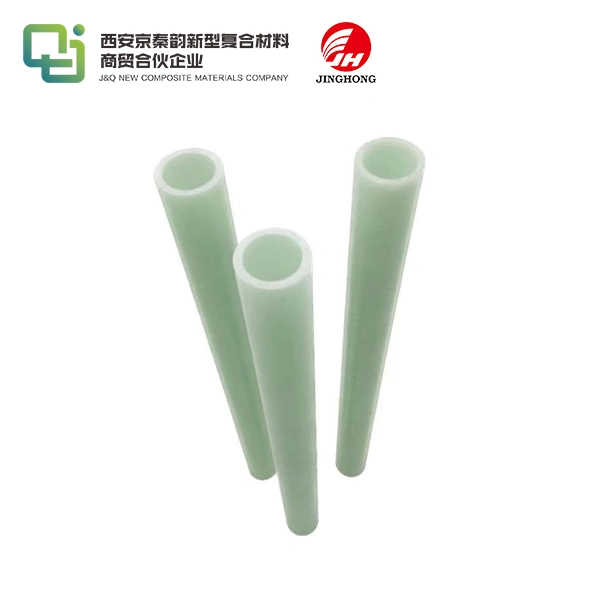
This laminate is good for structural insulation because it has a strength-to-weight ratio of 1.85 to 2.10 g/cm³ and a flexural strength of more than 340 MPa. When used in switches and motor parts, arc resistance greater than 60 seconds adds extra safety gaps. Tolerances for thickness stay the same across production runs. This is very important when making precision electrical barriers, insulation spacers, or fittings, as the accuracy of the dimensions directly affects how well they fit together and how reliable the finished product is.
FR4 Epoxy Sheet vs Alternatives: Making the Right Material Choice
Choosing the right materials has an impact on both the instant results of making and the long-term performance of a product. When procurement teams know about comparative advantages, they can make decisions that are both technically sound and within their budgets.
Performance Comparison with Common Alternatives
While CEM-1 composite materials are cheaper, they don't work as well in terms of heat resistance or mechanical strength. Because of this, they can only be used in consumer-grade uses that don't put too much stress on the environment. Polyimide films are better at withstanding heat up to 260°C, but they cost a lot more and are only available in a few thicknesses. In places with a lot of humidity, phenolic paper laminates don't work as well as FR4 Epoxy Sheet, but phenolic cotton cloth versions have good mechanical qualities for non-critical structure uses. For high-power LED applications, metal-core substrates are great at managing heat, but they don't have the electrical insulation properties or low cost that FR4 Epoxy Sheet does for general electronics manufacturing.
FR4 Epoxy Sheet is different from G10 epoxy glass laminate because it doesn't catch fire. Both materials are made of glass-epoxy and have a similar mechanical strength. However, G10 does not have any bromine added to it, so it does not meet the UL94 V-0 flammability standards. Because of this small difference, FR4 Epoxy Sheet has replaced G10 in most electronics uses where safety is important.
Evaluating Supplier Capabilities and Brand Considerations
Well-known names like Isola, Shengyi Technology, Nelco, and Panasonic have built their reputations on maintaining quality and certifications. When procurement teams look at different suppliers, they should check how reliable the lead time is, how flexible the minimum order quantity is, and how much customization is possible. Some makers are great at making quick prototypes with low MOQs, while others are better at making a lot of things at once and offering good prices for that. Professional suppliers can be told apart from commodity distributors by how much technical support they offer, how much stock they keep on hand, and how willing they are to provide certified mill test reports. We've seen engineering projects get held up for months because purchasing picked suppliers based only on initial price quotes, without checking to see if they could provide expert help or make sure they consistently delivered.
Precision Machining with FR4 Epoxy Sheet: Best Practices and Benefits
Machinability has a direct effect on how quickly and well parts are made and how well they work. When the right methods are used, accurate fabrication is possible because epoxy glass laminates have a uniform material makeup and density.
Optimized Machining Techniques and Tool Selection
Because the glass fiber reinforcement is rough, carbide or diamond-tipped tools are needed to cut, drill, and route FR4 Epoxy Sheet. Standard high-speed steel tools wear out quickly and don't always meet standards. Cutting speeds should be between 180 and 300 m/min, and feed rates should be changed depending on the width and quality of the edge you want. When you use climb milling instead of regular milling, fiber pull-out is lessened, and the edges are cleaner. Using coolant or compressed air to control the production of heat that can soften resin and change its shape during cutting processes is helpful.
When the material is machined, it creates fine glass dust that can irritate the lungs and skin. To keep workers safe and the work areas clean, professional fabrication shops use HEPA dust extraction systems and wet cutting techniques. This safety concern raises the cost of doing business, but it can't be avoided for responsible industry.
Achieving Dimensional Accuracy and Minimizing Defects
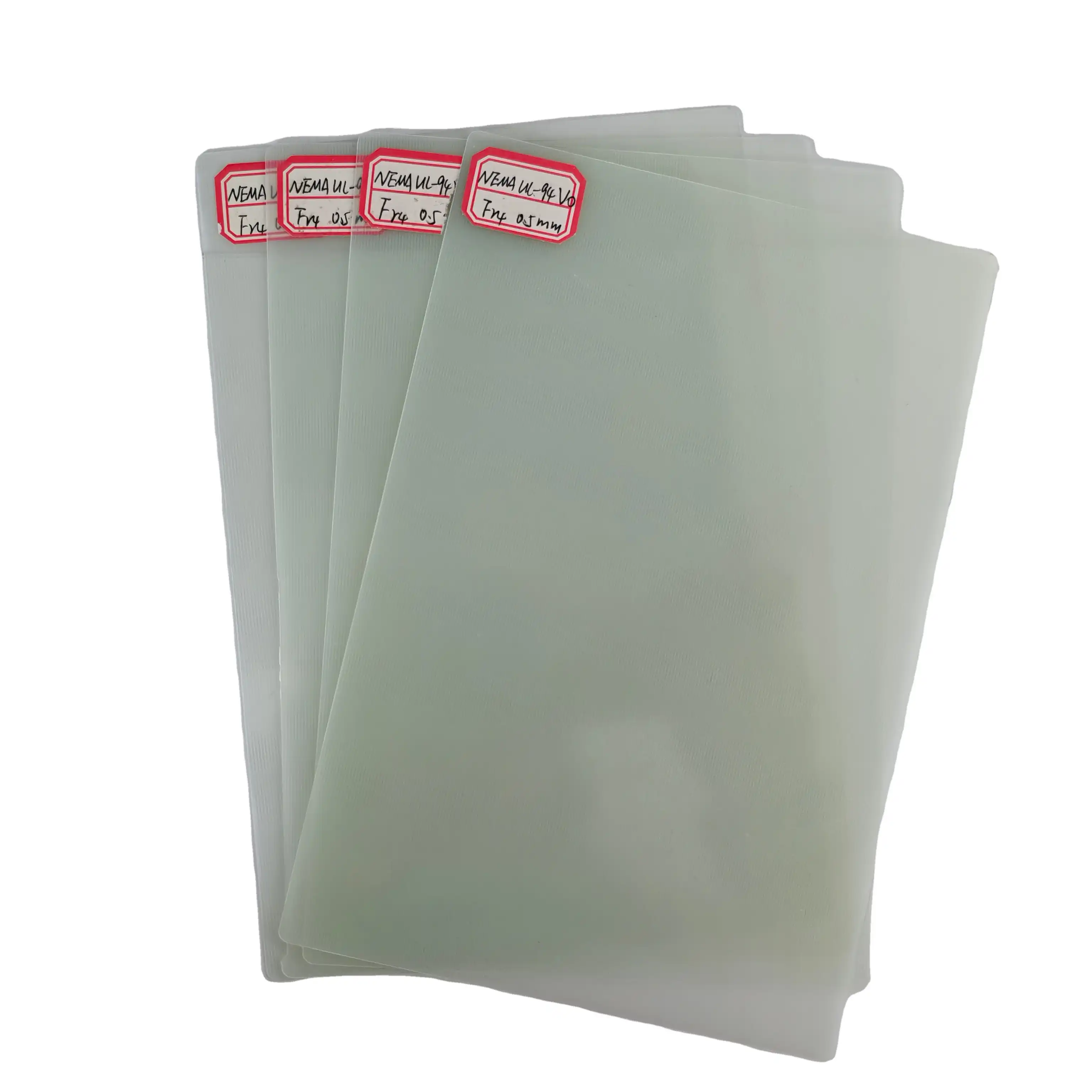
Controlling the temperature during machining stops thermal expansion that makes it harder to meet tolerances. Allowing enough time for the work to cool down between steps and using the right work-holding devices that don't put stress on the material will keep it flat and stop it from twisting. When drilling small holes, peck drilling with regular chip removal keeps the drill from getting too hot and breaking. Entry and exit backup boards keep the edges of holes from delaminating. This is especially important when working with FR4 Epoxy Sheets that are less than 1 mm thick.
By using these machining protocols for their coil insulation barriers, the transformer company we work with cut the number of rejected parts from 8% to less than 1%. The consistent dimensions increased the effectiveness of the assembly line by 15% and got rid of the need for expensive rework rounds. Their purchasing team was hesitant at first because of the cost of the tools that were needed, but the return on investment (ROI) was seen within three production runs thanks to less waste and less work.
Procuring FR4 Epoxy Sheets: Pricing, Suppliers, and Custom Orders
Using strategic sourcing helps keep costs, supply dependability, and access to expert support all in check. Knowing how prices are set and what suppliers can do lets you make smart purchasing choices that reduce the total cost of ownership instead of just looking for the lowest unit prices.
Understanding Pricing Factors and Cost Drivers
Sheet sizes, thickness requirements, and order quantities are the main factors that affect prices. Distributors usually have standard sizes like 1020x2040mm or 1020x1200mm in stock. For custom sizes, however, manufacturers set different minimum orders. Different thicknesses have different prices, ranging from 0.2mm to 50mm. For mass production, the most popular widths (0.8mm, 1.6mm, and 3.2mm) are the best values. Copper-clad laminates cost more than bare FR4 Epoxy Sheets, and the cost changes depending on whether the covering is single-sided or double-sided. It costs more to make high-Tg versions and halogen-free versions that meet environmental rules, but they may be necessary for some uses.
Lead times change depending on the state of the world supply chain and the quantity of raw materials. Standard grades usually ship within a few weeks, but it may take longer for special formulas or custom sizes. We keep a planned stock of widely requested grades to help customers who need to meet tight project deadlines or make prototypes right away.
Sample Requests and Custom Order Processes
Reliable suppliers give samples so that engineers can check them out before committing to large quantities. When you ask for a sample, you should be clear about the exact thickness, size, and any special needs, such as copper wrapping or a high-Tg recipe. This step of validation keeps specification errors from becoming costly during production runs. Custom sizing services can fit the shapes of particular parts, which cuts down on trash and the cost of extra processing. Giving CAD drawings or detailed dimensional specifications makes it possible to give accurate quotes and makes sure that the FR4 Epoxy Sheets made meet the needs of the application. When you negotiate volume deals for needs that come up again and again, you can often get better prices and secure allocation when supply is limited.
Ensuring Quality and Reliability: Tips to Choose the Right FR4 Epoxy Sheet Supplier
Comparing prices isn't the only thing that goes into choosing a supplier; quality systems, professional know-how, and service dependability are also important. When you choose the wrong FR4 Epoxy Sheet supplier, it causes problems with production, lower quality, and lost opportunities that cost a lot more than the savings you made at first.
Certification Standards and Quality Control Systems
UL approval, ISO 9001 certification, and following the rules in IPC-4101 are basic requirements for serious electronics manufacturing. For each production lot, suppliers should give approved mill test results that show the dielectric strength, flame resistance grade, water absorption, and mechanical properties. This ability to track back is very important when dealing with problems in the field or doing root cause analysis. Production capacity and the level of maturity of process control are what set established makers apart from middlemen who sell common materials. Site checks or evaluations by a third party confirm the quality systems and claimed skills.
Technical Support and Customer Service Excellence
Advice on choosing the right materials, suggestions for cutting, and help from application engineers are all very useful in addition to providing materials. We've built long-lasting partnerships with electrical makers by taking the time to understand their unique problems instead of just taking orders. When a customer in power distribution had problems with arc resistance failures in transformer barriers, our technical team looked at how they were putting them together and suggested using a higher-grade material that had a different glue recipe. This way of working together fixed their problem with dependability and made our relationship stronger.
J&Q has been in business for more than ten years and has been making things for over twenty years. This means that we understand both technical needs and the difficulties of buying things around the world. Working with trading companies in both the United States and other countries has helped us improve our service model so that it is centered on customer success. We can offer integrated fulfillment solutions that make supply chain management easier because we have our own logistics company. With this one-stop service method, the buying process is smooth, and your team can focus on doing great tech work instead of coordinating with suppliers. You can look at our full line of products and technical tools intended for tough electronics production uses at jhd-material.com.
Conclusion
FR4 Epoxy Sheet glass laminate is the best material for precision-machined electronic parts because it is good at keeping heat and electricity from moving, and it is also very reliable mechanically. Engineering and buying teams can improve both the speed of production and the quality of the products they make by learning about material properties, best practices for machining, and smart ways to source materials. Because it meets safety standards, stays the same size, and can be machined, the material is essential for making electrical parts, industrial tools, power systems, car parts, and home appliances. Long-term procurement success and manufacturing excellence depend on choosing qualified suppliers with technical know-how, quality systems, and service that puts the customer first.
FAQ
What thickness ranges are available for precision machining applications?
FR4 Epoxy Sheets are usually made in widths ranging from 0.2mm to 50mm. The most popular types for precision machining are 0.5mm, 0.8mm, 1.0mm, 1.6mm, 2.0mm, 3.2mm, and 6.4mm. Thinner sheets (less than 1 mm) are good for small electronics that need very little space between them, while thicker materials (more than 10 mm) are better for structural insulation and mechanical spacers. With the right minimum order numbers, custom thickness specs can be made.
How does FR4 compare to metal-core PCB substrates for thermal management?
Metal-core surfaces work great for high-power LED systems and other uses that need direct heat transfer from components to heat sinks. While FR4 Epoxy Sheet is cheaper and better at blocking electricity, it only conducts heat at a rate of 0.3 to 0.4 W/mK, which is less than aluminum-core boards. High-Tg FR4 Epoxy Sheet types can handle high temperatures well for most electronics, but they can't keep up with metal-core thermal dissipation in high-power applications.
Can I order custom-sized FR4 sheets to reduce material waste?
The vast majority of well-known makers and wholesalers can make products to your exact measurements or CAD drawings. The minimum order quantity changes based on the thickness and size of the FR4 Epoxy Sheets that are needed. Custom sizing cuts down on the cost of extra processing and the amount of material that is wasted. This is especially useful for large production runs where standard sheet sizes lead to too much waste.
Contact J&Q for Your FR4 Epoxy Sheet Requirements
As a supplier of FR4 Epoxy Sheet with 20 years of experience in manufacturing, J&Q offers precision-grade materials that are perfect for your electronic component needs. We welcome requests for samples to make sure the material specs are correct before committing to production. Our bulk purchase programs offer competitive prices and a range of minimum order quantities (MOQs) to meet the needs of both prototype development and large-scale production. Email our expert team at info@jhd-material.com to talk about your unique machining needs, questions about choosing materials, or needs for custom sizes. Our combined logistics and customer-focused service will make it easier for you to buy the things you need while also making sure the quality of the materials you use supports your production excellence.
References
1. National Electrical Manufacturers Association. (2021). Industrial Laminating Thermosetting Products (NEMA LI 1-1998). NEMA Standards Publication.
2. Institute for Printed Circuits. (2020). Specification for Base Materials for Rigid and Multilayer Printed Boards (IPC-4101). IPC International Standards.
3. Underwriters Laboratories. (2019). Standard for Tests for Flammability of Plastic Materials for Parts in Devices and Appliances (UL94). UL Safety Certifications.
4. Coombs, C.F. (2018). Printed Circuits Handbook: Materials, Processes, and Design. McGraw-Hill Professional Engineering Series.
5. Harper, C.A. (2017). Electronic Materials and Processes Handbook: Thermoset Composites and Laminates. McGraw-Hill Technical Publications.
6. American Society for Testing and Materials. (2022). Standard Test Method for Water Absorption of Plastics (ASTM D570). ASTM International Standards.
.webp)
_1740986340093.webp)
_1753952475136.jpg)